
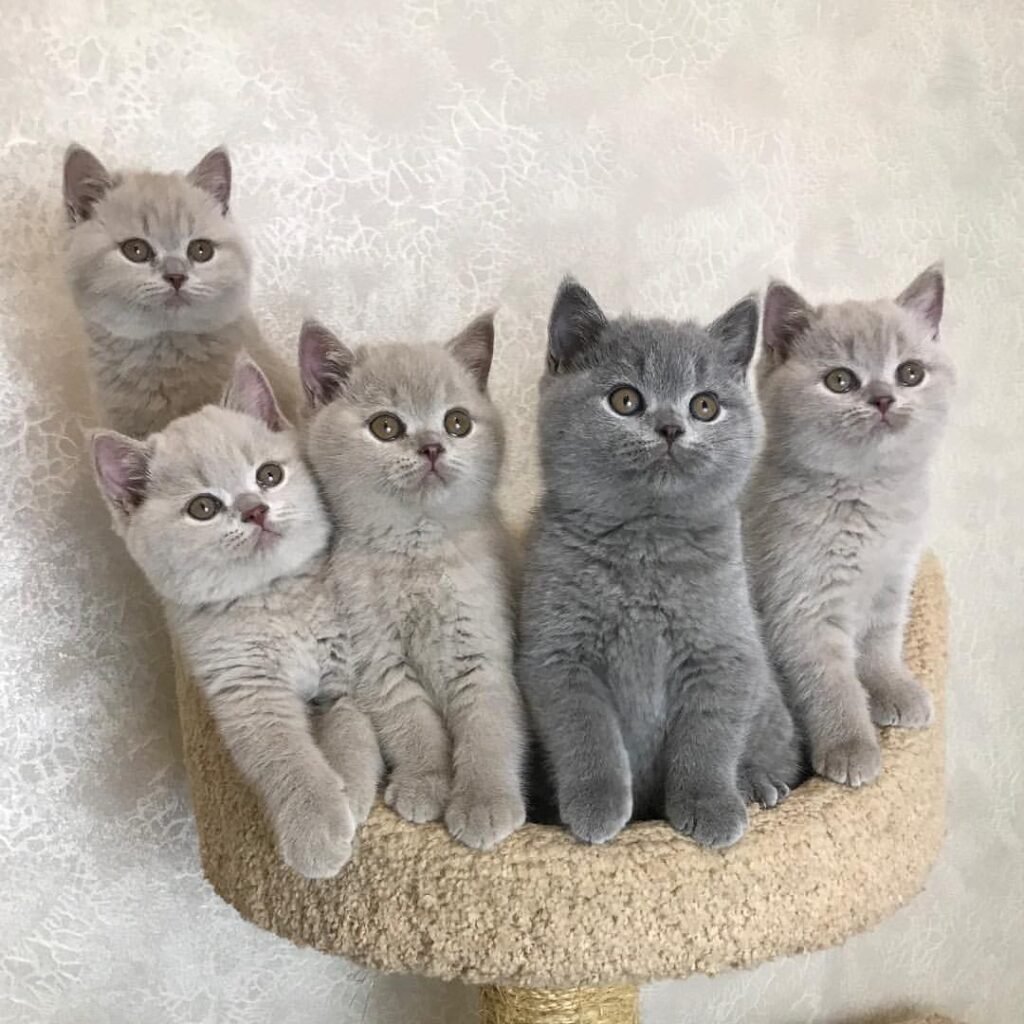
If you’re seeking a charming and affectionate feline companion, look no further than the British Shorthair. Renowned for their round faces, plush coats, and easygoing nature, these cats are not only visually appealing but also make delightful pets. Originating from the United Kingdom, British Shorthairs boast a rich history and a personality that perfectly complements their striking appearance. Whether you’re a first-time cat owner or a seasoned enthusiast, discovering the unique traits and care requirements of this breed will help you find the perfect furry friend to add to your family. Join us as we explore the world of British Shorthairs and guide you on your journey to welcoming one into your home.
Introduction to British Shorthairs
Brief History of the Breed
The British Shorthair’s roots can be traced back to ancient Rome, where they were prized for their ability to keep homes free of vermin. Fast forward a few centuries, and these sturdy little loafs became popular in England, earning a reputation as the cat of choice for aristocrats and everyday folk alike. They were also one of the stars of the first cat show in 1871, solidifying their status as a beloved breed. It’s like they were born with a crown and a penchant for lounging!
Popularity and Recognition
British Shorthairs have been stealing hearts and internet memes for years now. Their charming, chubby faces and plush coats have made them a favorite in homes everywhere, and they consistently rank among the top breeds. With their unique appearance and laid-back demeanor, it’s no wonder they’ve earned accolades from cat lovers and breeders alike. They’ve become so popular that in some circles, “British Shorthair” is practically synonymous with “forever cute!”
Unique Characteristics of British Shorthairs
Physical Appearance
If there’s one thing that stands out about British Shorthairs, it’s their iconic look. They boast round faces, big eyes that could melt any heart, and stocky bodies that resemble cute little teddy bears. Typically, they have velvety short hair that’s not only huggable but also comes in a rainbow of colors and patterns. Just imagine a fluffy cloud that has turned into a cat—that’s pretty much the British Shorthair.
Temperament and Personality Traits
British Shorthairs are like the cool friends you want in your life; they’re calm, affectionate, and a bit quirky. They have a reputation for being easy-going and independent, making them perfect for both busy urban dwellers and those who prefer a cozy night on the couch. They love a good cuddle but won’t be climbing your curtains any time soon. Think of them as the sofa potatoes of the cat world—content to relax and keep you company while you binge-watch your latest TV obsession.
Common Color Variations
These felines come adorned in various color palettes, making them as diverse as a bag of jellybeans. The classic “British Blue” is maybe the most famous, with its stunning gray-blue coat, but they also flaunt colors like cream, black, white, and even patterned versions like tabby or tortoiseshell. It’s like a box of crayons—every shade brings something unique to the table!
Choosing the Right British Shorthair for Your Home
Understanding Your Lifestyle and Preferences
Before you rush off to adopt a British Shorthair, take a moment to reflect on your lifestyle. Are you a busy bee, always on the go, or do you enjoy quieter evenings? British Shorthairs are adaptable but thrive in environments where they get regular love and attention. Consider your living space and routine: these kitties can be the perfect companions, as long as they feel included in your daily shenanigans.
Evaluating Age and Gender Options
British Shorthairs come in all ages, from sprightly kittens to wise old cats who’ve seen it all. Each age group has its charm, with kittens full of playful energy and adults often demonstrating a more refined demeanor. As for gender, both males and females have their unique quirks, so it really comes down to personal preference. Do you want to welcome a feisty little diva or a gentleman with a penchant for purring? The choice is yours!
Care and Maintenance for Your British Shorthair
Feeding and Nutrition Guidelines
Keeping your British Shorthair happy starts with a proper diet. They thrive on high-quality cat food that caters to their nutritional needs—think protein-packed goodness with a side of deliciousness. Keep an eye on portion sizes, as these cats have a tendency to enjoy their food a little too much—after all, they need to maintain that adorable loaf shape!
Grooming Practices
Fortunately for us (and for them), British Shorthairs require relatively minimal grooming thanks to their short coats. A weekly brush will do the trick to keep their fur smooth and shiny, plus it’s a great bonding activity. Just be prepared for the occasional hair tumbleweed—these cats shed! Regular nail trimming and ear checks will also help keep your furry friend looking and feeling their best.
Creating a Comfortable Living Environment
Your British Shorthair deserves a cozy abode, complete with comfy spots to lounge and enough playthings to keep their curious minds engaged. Provide cat trees, scratching posts, and cozy hideaways so they can channel their inner feline explorer. And let’s not forget about snuggling options; a warm blanket or your lap is ideal for those moments when they want to share some quality time (aka cat nap) with you.
The Importance of Socialization and Play
Interactive Playtime Activities
British Shorthairs are natural charmers, and keeping them entertained is key to their happy little hearts! Engage your purring pal with interactive toys such as feather wands, laser pointers, or even a good old cardboard box (because who doesn’t love a box?). These activities not only stimulate their minds but also help burn off that extra energy. Bonus points if you can get them to chase after a toy mouse—who knew your living room could double as a feline racetrack?
Encouraging Healthy Social Interactions
Socialization is as vital for British Shorthairs as it is for your favorite sitcom characters (hello, friends!). Start by introducing your kitty to different people and pets in a controlled manner. Regularly hosting playdates or grooming sessions can turn them into a social butterfly—or should we say, a social cat? The more comfortable they feel around others, the better they will adapt to different environments later on. Just remember, while they may enjoy the company, they’re still cats—independence is their middle name!
Health Considerations for British Shorthairs
Common Health Issues and Preventive Care
Like any lovable companion, British Shorthairs come with their own set of health quirks. Common issues include heart diseases like hypertrophic cardiomyopathy (try saying that five times fast) and obesity—yes, they love a good snack. To keep your fluffy friend in tip-top shape, focus on a balanced diet and regular exercise. Think of it as a kitty gym membership (minus the scary weights).
Regular Veterinary Check-Ups
Regular veterinary visits are like a spa day for your British Shorthair—minus the cucumbers on the eyes. Schedule check-ups at least once a year to catch any potential health issues early. Your vet can also keep their vaccinations up to date and give you pawsitive reinforcement when they step on the scale (even if that number is a little “fluffy”). Pro tip: Bring along their favorite treat; it makes those check-ups a lot more enjoyable!
Finding a Reputable Breeder or Adoption Center
Questions to Ask Potential Breeders
When it comes to finding your future feline friend, it’s essential to ask the right questions. Inquire about the breeder’s experience, the health history of their cats, and whether you can meet the kitty’s parents (because who doesn’t want to meet the cool cats of the family?). A reputable breeder will also ask you questions to ensure their kittens are going to great homes—think of it as an interview for the purr-fect match!
Benefits of Adopting from Shelters
Adopting from a shelter is like winning the feline lottery! Not only are you giving a deserving cat a loving home, but you’re also making room for another kitty in need. Shelter cats often come vaccinated and spayed/neutered, so you get a healthy, ready-to-love companion. Plus, the stories they tell about their “wild” past are often the best part! Just be prepared for the housewarming party—your new kitty will have plenty of tales to regale.
Conclusion: Welcoming Your New Feline Friend
Preparing Your Home for a British Shorthair
Before your adorable British Shorthair arrives, make your home a kitty paradise. Create cozy spaces with soft beds, and hide away delicate items that might fall victim to playful paws. Invest in scratching posts to save your furniture—your couch will thank you! And don’t forget about toys; a well-equipped kitty is a happy kitty. You’d want your cat to feel like the ruler of the castle, wouldn’t you?
Building a Lasting Bond with Your Cat
The key to blossoming with your British Shorthair is all about trust and love. Spend time playing, grooming, and just chatting with your furry companion. Treat them like the royalty they are, and soon enough, you’ll find your hearts intertwined. Remember, patience is crucial; it may take time for them to warm up completely. But share some Meow Mix and a few cuddles, and you’ll be best buds in no time!In conclusion, British Shorthairs offer a perfect blend of beauty, charm, and companionship, making them an ideal choice for anyone looking to adopt a feline friend.
Frequently Asked Questions (FAQ)
What is the average lifespan of a British Shorthair?
The average lifespan of a British Shorthair is typically between 12 to 15 years, although some may live longer with proper care and attention.
Do British Shorthairs require a lot of grooming?
British Shorthairs have a dense coat that requires regular brushing, but they are relatively low-maintenance compared to long-haired breeds. Weekly grooming is usually sufficient to keep their coat healthy and reduce shedding.
Are British Shorthairs good with children and other pets?
Yes, British Shorthairs are generally known for their friendly and adaptable nature, making them great companions for children and other pets. Socialization from a young age can help them adjust well to various family dynamics.
What are common health issues to watch for in British Shorthairs?
Common health issues in British Shorthairs include hypertrophic cardiomyopathy (a heart condition) and obesity. Regular veterinary check-ups and a balanced diet can help prevent these issues.