
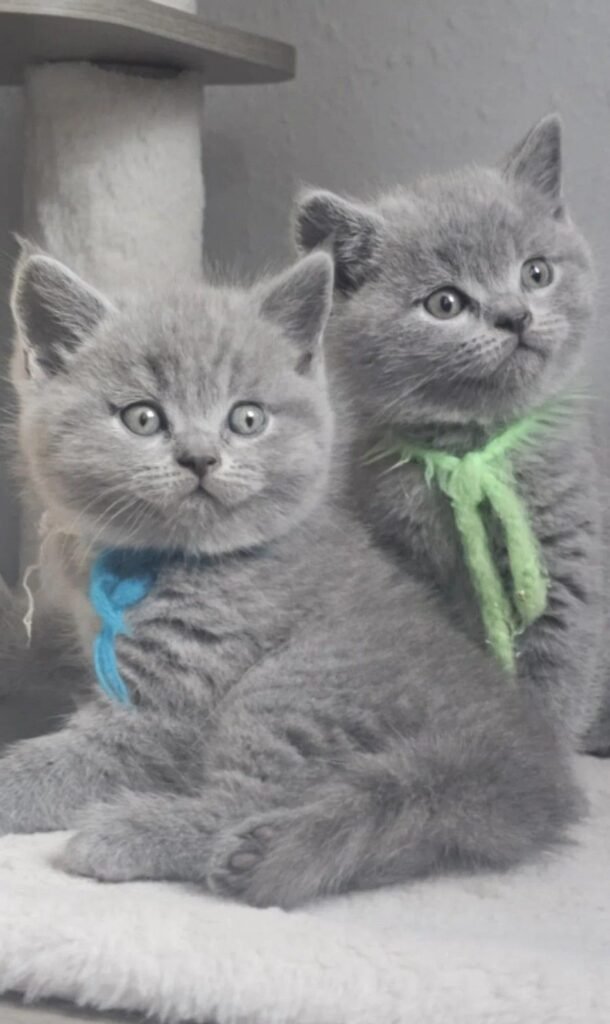
Adopting a kitten is a delightful and life-changing decision, and the British Shorthair breed stands out as an exceptional choice for families and individuals alike in the United States. With their charming personalities, distinctive looks, and easy-going nature, these cats have captured the hearts of many. In this article, we will explore the top reasons to consider bringing a British Shorthair kitten into your home, highlighting their unique traits, adaptability to various lifestyles, and the joy they can bring as loving companions. Whether you are a seasoned pet owner or a first-time adopter, understanding the benefits of this breed will help you make an informed decision about welcoming a British Shorthair into your family.
The Unique Charm of British Shorthairs
Distinctive Appearance and Features
British Shorthairs are the feline equivalent of a cozy sweater—classic, warm, and always in style. With their round faces, plush coats, and chubby cheeks, these cats exude an irresistible charm. Their striking copper or gold eyes add an extra layer of allure, making them look like they stepped straight out of a children’s storybook. Plus, they come in a variety of colors—blue, lilac, and even tabby—allowing you to choose the one that steals your heart (and your couch space).
Popularity Among Cat Enthusiasts
In the world of cat lovers, British Shorthairs are like the superstars of a rock band—everyone wants a piece of them. Their laid-back demeanor and stunning looks have made them a favorite at cat shows and among pet owners alike. Adopt one of these delightful kitties, and you’ll quickly become part of a thriving community of enthusiasts who celebrate their quirks, share tips, and swap stories about their charming companions.
Temperament and Personality Traits
Gentle and Affectionate Nature
British Shorthairs are like the introverts of the cat world—adorably sweet and gentle, but never pushy. They thrive on companionship and form strong bonds with their humans, making snuggles on the couch a regular affair. While they may not be lap cats in the traditional sense, their quiet affection will win you over in no time. They prefer to be nearby, purring contentedly as you tackle your Netflix binge.
Playfulness and Intelligence
Don’t let their chill demeanor fool you; British Shorthairs are intelligent little furballs with a playful side. They may not run marathons, but they do enjoy a good game of catch or a lively chase after a feather toy. Their clever minds can be entertained with puzzle feeders or interactive toys, ensuring they stay mentally stimulated. After all, a happy cat equals a happy human, and everyone knows that’s the real goal in adopting a pet.
Low Maintenance Grooming Needs
Coat Care and Shedding
When it comes to grooming, British Shorthairs are the low-maintenance darlings of the cat world. Their dense, plush coats require minimal upkeep, which is perfect for those of us who don’t relish the thought of spending hours brushing fur. They shed moderately, so you might find a stray tuft here and there, but nothing that a good lint roller can’t handle. It’s like having a soft throw blanket that occasionally reminds you it’s there.
Brushing Tips for Owners
To keep your British Shorthair’s coat looking its best (and to bond with your fluffy friend), a quick weekly brushing session is all that’s required. Use a soft bristle brush to gently remove loose hairs and keep that coat shiny and healthy. If your kitty is feeling particularly social, you might even convince them to enjoy the process. Remember, treats are a great motivator, so don’t hesitate to bribe your little diva with a tasty morsel or two!
Health Considerations and Lifespan
Common Health Issues in British Shorthairs
Like all breeds, British Shorthairs come with their own set of health considerations. While generally robust, they can be prone to certain genetic conditions, such as hypertrophic cardiomyopathy (HCM) and obesity. Keeping an eye on their diet and ensuring regular exercise can help mitigate these risks. After all, a healthy kitty is a happy kitty—let’s keep those chubby cheeks on point!
Regular Veterinary Care and Check-Ups
Regular check-ups with a veterinarian are essential to keep your British Shorthair thriving. Scheduled visits can help catch any potential health issues early, allowing you to provide the best care possible. Plus, you’ll get the satisfaction of being a responsible pet parent. So, mark your calendar and make those bi-annual trips to the vet—your furry friend will thank you with endless purrs and a few head butts!
Adaptability to American Lifestyles
Perfect for Apartment Living
British Shorthairs are the cozy couch potatoes of the cat world, making them ideal for apartment living. They don’t require sprawling acres to stretch their legs; instead, they’re perfectly happy lounging in sunny spots and observing the world from a window. Their low energy levels mean they won’t be racing around the room like tiny tornadoes, which is excellent news for anyone living in a small space. Just provide some distraction-worthy toys, and they’ll entertain themselves without demanding a lot of room.
Compatibility with Other Pets
Got a family of fluffy friends already? No problem! British Shorthairs are known for their easygoing nature, making them great companions for other pets. They tend to be friendly and sociable, allowing them to slip seamlessly into multi-pet households. Whether you have a dog who thinks they’re the alpha or another cat with an attitude, this breed usually helps keep the peace. Just remember to allow some initial time for socializing; after all, every new friend needs a little introduction!
Family-Friendly Companions
Great with Children
If you have kids, the British Shorthair may be your new best friend. These cats are known for their patience and affectionate nature, making them perfect playmates for tiny humans. They’re not prone to skittishness or sudden bursts of energy that could lead to accidental scratches (we all know how fun that is). Instead, they’ll happily endure gentle cuddles and games, proving to be loyal companions from the toddler stage on up.
Socialization and Interaction
British Shorthairs enjoy human company and thrive on social interaction. They’re not the type to hide under the sofa when guests arrive; instead, expect a fluffy greeter at the door, ready to charm your friends with their adorable chubby cheeks. They’re happy to join in on family activities, from movie nights to playful games. Just be prepared for a cat that loves to be part of the action—your lap will become prime real estate!
Availability and Adoption Resources
Finding Reputable Breeders
If you’ve decided that a British Shorthair is your soulmate, you’ll want to find a reputable breeder to ensure that your future feline is happy, healthy, and well-socialized. Look for breeders who are registered with associations, prioritize health testing, and are open about their breeding practices. Ask lots of questions and don’t hesitate to visit the facilities—if they’re not comfortable letting you meet the kitties, it’s time to move on. A good breeder should be as enthusiastic about finding the right home for their kittens as you are about upgrading your cat family.
Local Shelters and Adoption Events
Adopting a British Shorthair from a local shelter can be a rewarding experience for both you and the cat of your dreams. While they might be a bit rarer in shelters, some rescue organizations specialize in this breed or might have a mixed breed that steals your heart. Keep an eye out for adoption events in your community—what better way to meet potential furry friends than face-to-face? Plus, you’ll be giving a deserving cat a forever home, which is a win-win!
Long-Term Commitment and Benefits
Understanding the Commitment
Bringing home a British Shorthair kitten is more than just a fun decision; it’s a commitment that can span 15 years or more! They require regular vet visits, proper nutrition, and plenty of love and attention. Before you dive headfirst into kitten parenthood, take a moment to consider if your lifestyle and finances can support a furry friend for the long haul. If the answer is yes, prepare for a purring ball of joy to brighten your life!
The Joys of Owning a British Shorthair
Once you bring home a British Shorthair, you’ll discover a world of joy and companionship. Their quirky personalities, plush fur, and unique expressions will keep you entertained and comforted. Plus, let’s be honest—who can resist those big, round eyes? They have a way of melting your heart, especially when they trot over for cuddle time after a long day. Owning a British Shorthair is not just about the cute looks; it’s about forming a lifelong bond with a delightful companion that’ll bring endless smiles to your face!In conclusion, adopting a British Shorthair kitten can be a rewarding experience filled with love, companionship, and joy. Their unique blend of charm.
Frequently Asked Questions
What is the average lifespan of a British Shorthair?
The average lifespan of a British Shorthair is typically between 12 to 20 years, with proper care, nutrition, and regular veterinary check-ups contributing to their longevity.
Are British Shorthairs good with children and other pets?
Yes, British Shorthairs are known for their gentle and tolerant nature, making them excellent companions for children and adaptable to living with other pets.
How much exercise do British Shorthairs need?
While British Shorthairs are relatively low-energy cats, they still require regular playtime and mental stimulation to stay healthy and happy. Interactive toys and short play sessions are ideal.
What are common health issues associated with British Shorthairs?
Common health issues in British Shorthairs may include obesity, heart disease, and certain genetic conditions. Regular vet visits and a balanced diet can help mitigate these risks.