
The decision to bring a cat into your home is an exciting yet significant choice, especially when considering the charming and affectionate British Shorthair breed. As potential cat owners, you may find yourselves at a crossroads: should you adopt a furry companion from a shelter or purchase one from a reputable breeder? Each path offers unique benefits and challenges that can influence your experience as a pet owner. This article will explore the key factors to consider when deciding between adopting and buying a British Shorthair, helping you find the best route to welcoming a delightful new addition to your family.
Understanding the British Shorthair Breed
History and Origins
The British Shorthair is as storied as a classic novel, with roots tracing back to ancient Rome when cats were brought over as companions and pest controllers. Over the years, they’ve become a quintessential British icon, famously known for their robust build, plush coat, and of course, their appearance in popular culture—anyone else a fan of the Cheshire Cat?
Physical Characteristics
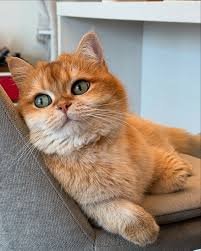
These felines are like the bodybuilders of the cat world, boasting a stocky build, round face, and dense, plush coat that would make any teddy bear jealous. They come in various colors, but that trademark ‘British blue’—a lovely gray—is unbeatable. Their large, round eyes are usually copper or gold, which adds to their charmingly aloof expression, like they’re judging your choice of snacks from their lofty perch.
Temperament and Behavior
British Shorthairs are the perfect balance of independence and affection. They’re not the clingy type, but they also appreciate a good cuddle session (especially if there’s a warm lap involved). With a calm demeanor, they tend to be great around kids and other pets—unless you’re a mouse, in which case, good luck! They enjoy playtime but can also lounge around like the couch potatoes of the cat world, making them ideal companions for busy lifestyles.
The Benefits of Adopting a Cat
Saving Lives and Reducing Overpopulation
Adopting a cat isn’t just about finding a fluffy companion; it’s a heroic act of saving lives! Shelters are bursting at the seams with wonderful cats waiting for homes. By adopting, you’re not only giving a deserving animal a second chance but also helping reduce the overall cat population—because, let’s be honest, we don’t need more feline drama on the streets.
Cost-Effectiveness of Adoption
Let’s talk dollars and cents. Adopting from a shelter or rescue organization is often much cheaper than buying from a breeder. Most adoption fees are a fraction of the cost of purebred cats and often include essential services like spaying/neutering and vaccinations. That’s a win-win if you ask me, especially when you can use those extra pennies for cat toys (because, yes, they will take over your house).
Access to a Diverse Selection of Cats
Shelters have a smorgasbord of cats, including kittens, adults, and sometimes even purebred cats looking for forever homes. You might find a British Shorthair in need of rescue, or perhaps you’ll fall in love with a quirky mixed breed. The options are as varied as the personalities of the cats themselves, adding a little surprise to the mix of finding your purrfect match.
The Advantages of Buying from a Breeder
Assurance of Purebred Lineage
If you’re set on having a purebred British Shorthair, purchasing from a reputable breeder ensures that you get a cat with a lineage you can trace like a family tree. This means you can expect certain physical characteristics and temperament traits that make this breed so special—like their “I rule this household” attitude.
Health Guarantees and Early Socialization
Reputable breeders often conduct health screenings for genetic conditions, which is like an insurance policy for your future feline. They also provide early socialization, helping your kitten grow into a well-adjusted cat that isn’t scared of sudden loud noises or your favorite vacuum cleaner. You might even find that your new best friend is an expert at navigating household chaos!
Support and Guidance from Breeders
When you buy from a breeder, it’s not just a transaction; it’s a lifelong partnership. Good breeders are there to provide you with support, advice, and the kind of cat care tips that only a seasoned pro could offer. They can help you navigate everything from diet to behavior issues, ensuring that both you and your kitty are living your best lives together.
Factors to Consider Before Making a Decision
Personal Lifestyle and Living Situation
Before you decide to adopt or buy, take a good look at your lifestyle. Do you work long hours? Have you recently moved to a tiny apartment? Cats, especially British Shorthairs, need space and attention, so it’s important to choose a furry friend that fits your living situation. If you’re more of a couch potato than an active person, a chill cat will be your best bet!
Long-Term Commitment and Responsibility
Bringing a cat into your life is not like getting a snack from the vending machine; it’s a long-term relationship. With an expected lifespan of 12-20 years, you’ll need to think about your future plans. Are you ready to provide love, care, and an endless supply of kitty treats? If the answer is a resounding yes, you’re on the right track!
Allergies and Other Health Concerns
If you or someone in your household has allergies, it’s crucial to consider this before adopting or buying. Spend some time with cats to see how you react, as not all breeds are created equal when it comes to producing allergens. And don’t forget about other health concerns—be sure to choose a breed or individual cat that fits your family’s needs for a happy, sneeze-free home!
Financial Implications: Adoption Fees vs. Breeder Costs
Breakdown of Adoption Fees
Adoption fees can vary widely, but they generally fall within a reasonable range—typically between $50 to $150. This fee usually covers initial vaccinations, spaying/neutering, and often a microchip. Think of it as your entry ticket to the “I love cats” club, complete with a furry member. While it’s a small price to pay, remember that it’s not just about the adoption fee. You may also want to budget for cat supplies like litter boxes, scratching posts, and the all-important catnip toys, because who can resist watching them go bonkers?
Understanding Breeder Pricing
On the flip side, purchasing a purebred British Shorthair from a breeder can cost you anywhere from $1,500 to $3,000 or more. The price reflects the breeder’s investment in genetics, breeding practices, and often, a level of prestige (seriously, some breeders act like they’re the cat version of Michelangelo). You’re paying for the pedigree, which can bring some peace of mind regarding genetic history. Just make sure to ask for health clearances and to do your homework on the breeder—it’s worth it to avoid any unexpected surprises that could pop up later.
Hidden Costs of Cat Ownership
Once you’ve welcomed your feline friend, the costs don’t stop with the adoption or purchase price. Prepare to shell out for food, litter, toys, and—if your cat has any semblance of dignity—opt for a luxurious cat bed. And then there are vet visits, which can add up quickly; think annual check-ups, vaccinations, and potential emergency care. Budgeting for pet insurance is also wise, just in case little Whiskers decides to sample something off the kitchen counter that doesn’t quite agree with them. Trust us, your wallet will thank you!
Health and Genetic Considerations
Common Health Issues in British Shorthairs
British Shorthairs are charming, but like many purebreds, they can be prone to specific health issues. Watch out for heart problems like hypertrophic cardiomyopathy (HCM) and skeletal issues, particularly osteochondrodysplasia, which leads to bone malformation. Regular vet check-ups can help catch these problems early, but sometimes it feels like a game of feline roulette—only no one wants to win this round.
Importance of Health Screenings
Whether adopted or purchased, it’s vital to ensure your cat receives regular health screenings. This means fewer surprises when it comes to those vet bills. Ask for test results from breeders and don’t skip those annual visits. Early detection is your best friend, and it’ll keep your cat happy and your wallet from feeling too light. Plus, you’ll want to keep that adorable fluffball around for as long as possible; they’re quite the entertainers!
Choosing Between Mixed-Breed and Purebred Cats
Going the mixed-breed route can be a bit of a health jackpot. These cats often inherit a wider gene pool, which can lead to fewer genetic issues and increased overall health. However, purebred British Shorthairs have their unique charm and characteristics. Think of it this way: do you want a cat with the personality traits you adore, or are you open to a bit of surprise? Both options can bring immense joy and companionship, so it really comes down to your personal preference.
The Impact of Adoption on Shelters and Rescue Organizations
How Adoption Affects Local Communities
Adopting a cat can have far-reaching benefits beyond just your home. Every adoption creates space at local shelters and rescues, opening the door for more cats to find safe havens. It’s like a chain reaction of cuteness—each feline exit makes room for another deserving face to come in. Plus, you get to be a local hero while enjoying your new fluffy friend. Seriously, you’ll be the talk of the town!
Understanding the Role of Foster Programs
Foster programs are the behind-the-scenes superheroes of the pet world. They provide temporary homes for cats awaiting adoption and help ease the burden on overcrowded shelters. By adopting, you’re not just gaining a furry friend; you’re supporting these crucial programs that help countless animals. It’s a win-win—kind of like when you find a dollar in your old coat pocket, but way more heartwarming.
Encouraging Responsible Pet Ownership
Adopting a cat also promotes responsible pet ownership. It sets the stage for a future where people understand the importance of spaying/neutering and regular vet care. You’ll be leading by example, showing friends and family that adoption is just as rewarding (if not more) than buying from a breeder. Plus, who doesn’t love sharing goofy cat memes and encouraging others to join the cat-parent life?
Conclusion: Finding Your Ideal Companion
Reflecting on Personal Values and Preferences
Ultimately, the decision between adopting and buying comes down to your values, lifestyle, and what you seek in a feline companion. Are you looking for a specific breed with personality traits or open to the delightful surprises of a mixed-breed? Reflecting on what’s important to you will guide your decision. Just remember, any cat will likely make your heart swell—whether they have a pedigree or are an adorable rescue.
Making an Informed Decision
Before jumping into the world of cat ownership, arm yourself with knowledge. Research breeders, visit shelters, and weigh the financial implications. It’s essential to understand what you’re getting into so that your choice aligns with your lifestyle and capacity to care for your new furry roommate. Don’t rush—taking your time can only lead to a happier cat and happier you.
Embracing the Journey of Cat Ownership
No matter which path you choose, be prepared for a journey filled with laughter, snuggles, and maybe a few hairballs along the way. Cats have a knack for teaching us patience and unconditional love. So, take a deep breath, trust your instincts, and get ready for the delightful rollercoaster that is cat ownership. Your golden British Shorthair (or any cat, really) awaits—let the adventure begin!Ultimately, whether you choose to adopt or buy a British Shorthair, the most important factor is the love and care you provide for your new feline friend. Each option has its own merits, and understanding these will help you make a decision that aligns with your values and lifestyle. By taking the time to evaluate your choices and considering the needs of your future pet, you can ensure a fulfilling and joyful companionship for years to come.
FAQ
1. What is the average lifespan of a British Shorthair?
The average lifespan of a British Shorthair is typically between 12 to 20 years, depending on their health, diet, and living conditions.
2. Are British Shorthairs good with children and other pets?
Yes, British Shorthairs are known for their friendly and adaptable nature, making them great companions for children and other pets when properly socialized.
3. What should I look for when choosing a breeder?
When choosing a breeder, look for ones who prioritize the health and well-being of their cats, provide health guarantees, and are willing to answer your questions about the breed and their practices.
4. How can I prepare my home for a new cat?
To prepare your home, ensure you have essential supplies such as a litter box, food and water dishes, scratching posts, and toys. Create a safe, quiet space where your new cat can acclimate to their new environment.