
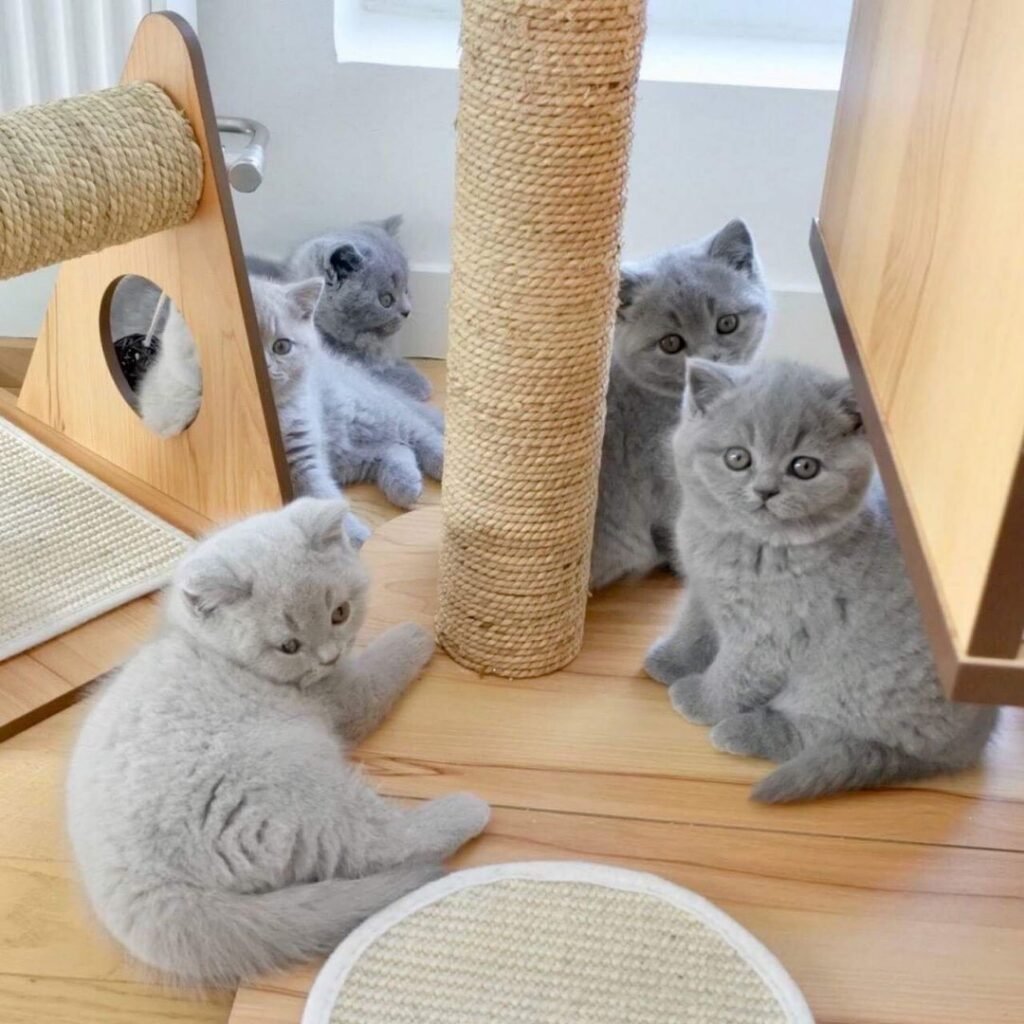
Adopting a British Shorthair kitten can be a rewarding experience filled with companionship and joy. Known for their distinctive round faces, plush coats, and affectionate nature, these cats make wonderful additions to any family. However, bringing a new kitten into your home requires careful consideration and preparation to ensure a smooth transition for both you and your new furry friend. This article will guide you through the essential steps of adopting a British Shorthair kitten, from understanding the breed’s unique characteristics to creating a nurturing environment, providing proper care, and building a lasting bond.
Understanding the British Shorthair Breed
History and Origins
The British Shorthair has a history as rich as a warm scone with clotted cream. It dates back to Roman times when cats were brought to England to keep the rodent population in check. Since then, they’ve morphed into the cuddly, plump companions we adore today. The breed gained popularity in the late 19th century, thanks to its robust build and charming demeanor. Think of them as the kings and queens of the cat world—reigning with a gentle paw!
Physical Characteristics
British Shorthairs are like the bodybuilders of the cat world, with their muscular build, round faces, and dense coats that are often as soft as clouds. They have short, plush fur that comes in a variety of colors, with the classic blue-gray being the most iconic. Their large, round eyes can come in shades of copper, gold, and green, making them look perpetually surprised, which is unbearably adorable. Plus, their sturdy legs and thick tails give them a confident strut that would make any runway model envious.
Temperament and Personality Traits
Prepare for a bucket of charm with these kittens! British Shorthairs are known for their laid-back and easygoing nature, making them fantastic companions for families and solo dwellers alike. They’re not typically the clingy type, preferring to observe the world from a cozy perch while still enjoying a good cuddle session. With a cheeky sense of humor and a calm demeanor, they’ll keep you entertained without requiring all your attention. They’re like the easygoing friend who brings the snacks to your movie night but doesn’t mind if you ignore them during the film.
Preparing Your Home for a New Kitten
Safety Considerations
Before your new British Shorthair arrives, it’s time to channel your inner home inspector! Start by kitten-proofing your space—think of it as cat-proofing for the more mischievous inhabitants. Secure loose wires, remove any toxic plants, and stash away breakables in high places where tiny paws can’t reach. Also, keep cleaning supplies and medications locked away, because kittens have an uncanny ability to find trouble, much like a toddler with a cookie jar.
Creating a Comfort Zone
Every kitten deserves its own cozy corner in your home. Create a designated comfort zone with a soft bed, some toys, and a couple of cozy blankets. This spot will be their sanctuary—a place to retreat when the world gets too loud. A scratching post nearby will help them feel at home too, plus save your furniture from becoming a terrain for their claws. Consider adding a gentle nightlight for those timid furballs who prefer a little extra ambiance.
Designating Play and Rest Areas
Designate specific areas in your home for play and rest to help your kitten understand boundaries. A playful space could include interactive toys, climbing trees, and tunnels that bring out their inner explorer. Meanwhile, their rest area is about peace and quiet, perfect for snoozing after a rigorous play session. Balance is key—too much play can lead to hyperactivity, while too much downtime can lead to boredom. After all, nobody likes a bored kitten; it’s just bad news for your couch cushions.
Choosing the Right British Shorthair Kitten
Finding Reputable Breeders
When it comes to finding your new furry friend, skip the online ads and go for reputable breeders who prioritize health and temperament. Look for breeders who are transparent about their practices, offer health guarantees, and encourage you to meet the kittens’ parents. A good breeder will be just as interested in matching their kitties with loving families as you are in finding the purr-fect companion. Remember, adopting a kitten is like dating—better to go for quality over quantity!
Evaluating Kitten Health and Behavior
It’s important to play detective when evaluating your potential new British Shorthair. Look for clear eyes, clean ears, and a shiny coat—these are all signs that your kitten is in good health. Observe their behavior too; playful, curious kittens are generally a good sign. If a kitten seems overly shy or aggressive, it may not be the right match for your family. On a side note, kittens are like tiny comedians; if one brightens up with a little play, you know you’ve found a winner.
Gender and Color Preferences
While personality should be your top priority, it’s okay to also have a color preference—everyone loves a good aesthetic! British Shorthairs come in a rainbow of colors, so whether you’re dreaming of a classic blue-gray or a rare white, there’s a shade for everyone. Gender can also play a role in personality; male kittens may be a bit more playful, while females can be a touch more independent. The key is to choose the kitten that steals your heart, regardless of its color or gender.
Essential Supplies for Your Kitten
Basic Supplies Checklist
Before your kitten arrives, make sure you’re fully stocked with the essentials. You’ll need a litter box, food and water dishes, high-quality kitten food, a cozy bed, and of course, plenty of toys (because bored kittens are mischievous kittens!). A scratching post is a must to save your furniture from becoming a victim of clawing, and don’t forget a carrier for those vet trips—kittens can be surprisingly slippery during transport!
Choosing the Right Litter and Litter Box
When it comes to litter, think comfort and cleanliness. Clumping, unscented litter is often a winner with kitties. For the litter box, choose one that’s easy for your little one to enter and exit but also has high enough sides to prevent litter spills during those energetic digging sessions. Pro tip: Place the box in a quiet corner—kittens prefer privacy when doing their business, and you don’t want them to associate the bathroom with a scary experience!
Grooming Tools and Accessories
British Shorthairs have a plush coat that requires a bit of maintenance but nothing too extreme. Invest in a good brush to keep their fur looking sleek and reduce shedding. A cat-friendly nail clipper is also essential unless you want your furniture turning into a scratching post. And don’t forget a grooming mitt for those affectionate moments: it’s a two-for-one deal—grooming and bonding! Your kitten will love the pampering, and you’ll enjoy the snuggles!
Health Considerations and Vet Visits
Initial Veterinary Care
Bringing home your British Shorthair kitten is an exciting time, but don’t forget to schedule that initial vet visit! During this appointment, your veterinarian will give your new furry friend a thorough check-up, ensuring they’re healthy and happy. This visit is also a great opportunity to discuss any questions you might have about their care and lifestyle—think of it as a health spa day with educational benefits!
Vaccinations and Preventive Health
Vaccinations are crucial for keeping your kitten safe from various diseases. Your vet will recommend a vaccination schedule tailored for your British Shorthair. It’s like a VIP pass to health that ensures they’re protected against nasty bugs. Also, consider preventive measures like flea and tick treatments—nobody wants those uninvited guests crashing at home!
Understanding Common Health Issues
Though British Shorthairs are generally robust, they can be prone to a few health issues, such as obesity and heart disease. Keeping a close eye on their weight and ensuring they get regular check-ups can help prevent these problems. Familiarize yourself with signs of common health concerns, so you can be the vigilant, panicked parent ready to swoop in for care if needed (minus the cape, of course).
Socialization and Training Tips
Introducing Your Kitten to Family and Pets
When welcoming your British Shorthair into the family, introductions are key! Start with a slow and controlled introduction to children and existing pets. Allow your kitten to explore their new environment at their own pace—it’s their royal debut, after all! Keep interactions gentle and supervised, ensuring everyone feels comfortable as they establish their new social dynamics.
Basic Commands and Litter Training
Training a kitten might seem daunting, but British Shorthairs are clever little beans! Start with basic commands like “sit” or “come” using treats as motivation. Litter training is usually a breeze, as these kitties instinctively prefer to keep their space tidy. Just show them their litter box, and they’ll figure it out faster than you can say “little furball!”
Encouraging Play and Exercise
British Shorthairs have a playful side that needs to be nurtured! Provide engaging toys and playtime to keep their minds and bodies active. Regular play sessions not only foster physical health but also strengthen your bond. Don’t be surprised if they become your personal trainer, encouraging you to join in their antics—they’re fitness enthusiasts in the making!
Nutrition and Feeding Guidelines
Choosing Quality Kitten Food
Selecting the right food for your British Shorthair is essential. Look for high-quality kitten food packed with the right balance of protein, fats, and nutrients for their growth. It’s like picking a five-star restaurant menu for your little gourmet! Consult your vet for recommendations that suit their specific needs.
Feeding Schedule and Portion Control
Creating a feeding schedule helps establish a routine, which kittens adore. Offer small, frequent meals rather than one big feast—think tapas instead of Thanksgiving dinner. Just be sure to monitor portion sizes to avoid your kitten turning into a chubby little ball of fluff. After all, a healthy kitten today means a healthy cat tomorrow!
Special Dietary Considerations
Some British Shorthairs may have unique dietary needs or sensitivities. Keep an eye out for any food allergies or intolerances, as their tummies can be a bit picky. Consult your vet if you notice any unusual reactions after meals—better safe than sorry when it comes to their culinary choices!
Building a Bond with Your British Shorthair
Interactive Playtime Ideas
Playtime is crucial for building a strong bond with your British Shorthair. Try interactive toys, such as feather wands, laser pointers, or puzzle feeders to stimulate their minds and keep them engaged. Who knew bonding could look so cute while chasing a red dot around the room?
Understanding Your Kitten’s Body Language
To truly connect with your kitten, learning their body language is key! Pay attention to their ears, tail position, and overall demeanor. A twitchy tail usually signals excitement, while flattened ears might mean they’re feeling a bit overwhelmed. Understanding these signals can make you the “cat whisperer” you never knew you could be!
Creating a Routine for Comfort and Security
Kittens thrive on routine, so try to establish consistent feeding, play, and cuddle times. This helps them feel secure in their new environment. Think of it as setting a cozy little clock that ticks with love and comfort, making your British Shorthair feel right at home in no time! In conclusion, adopting a British Shorthair kitten is a fulfilling journey that brings a blend of joy, love, and responsibility. By understanding the breed, preparing your home, and providing the necessary care and attention, you can ensure a happy and healthy life for your new companion. As you build a strong bond with your kitten, you’ll discover the unique personality and charm that makes the British Shorthair a beloved choice for pet lovers everywhere. Embrace the adventure ahead, and enjoy the special moments with your new feline friend!
Frequently Asked Questions
What is the typical temperament of a British Shorthair kitten?
British Shorthair kittens are known for their calm and friendly nature. They are affectionate, social, and generally good with children and other pets, making them excellent family companions.
How much exercise does a British Shorthair kitten need?
British Shorthairs are moderately active and enjoy playtime. Engaging them in interactive play for about 15-30 minutes a day is recommended to keep them healthy and stimulated.
What should I feed my British Shorthair kitten?
A high-quality, balanced kitten food that is rich in protein and essential nutrients is ideal for British Shorthair kittens. It’s important to consult your veterinarian for specific dietary recommendations based on your kitten’s age and health.
How do I groom a British Shorthair kitten?
British Shorthairs have thick, plush coats that benefit from regular grooming. Brushing them once a week helps reduce shedding and prevents matting, while also allowing you to check for any skin issues.