
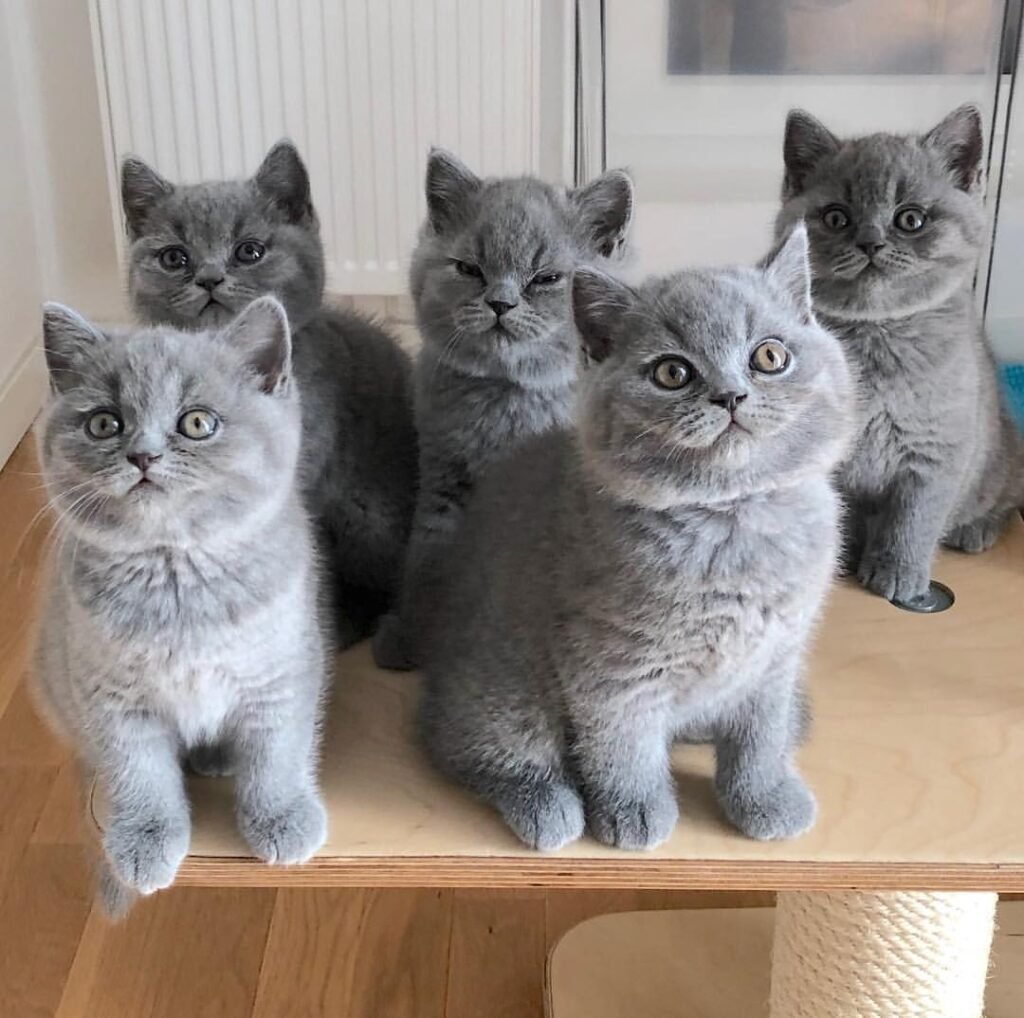
Bringing a British Shorthair kitten into your home is an exciting and rewarding experience. Known for their charming personalities and distinctive appearance, these kittens quickly become beloved members of the family. However, caring for a British Shorthair requires understanding their unique needs and characteristics. From nutrition and health care to socialization and grooming, there are essential tips that every new owner should know to ensure a happy and healthy life for their furry companion. In this article, we will explore the top five tips for effectively caring for your British Shorthair kitten, helping you nurture a strong bond and promote their well-being.
Understanding the British Shorthair Breed
History and Origins
The British Shorthair has a pedigree that dates back to ancient Rome, where they were prized for their mousing abilities. Fast forward a few centuries, and these chunky little furballs made their way to England, where they became a symbol of British culture—think of them as the aristocrats of the cat world! With a history steeped in royalty and elegance, these cats have certainly earned their cuddly reputation.
Physical Characteristics
These kittens are like little tanks of fluff, with broad, round heads and dense, plush coats that make you want to pet them for hours. Their strikingly large, round eyes can be copper, gold, or blue, and their sturdy build is supported by muscular legs. British Shorthairs come in various colors and patterns, but let’s be real: whether they’re blue, cream, or spotted, they’re all adorable balls of joy.
Temperament and Personality Traits
British Shorthairs are as cool as cucumbers! Generally calm and easygoing, they’re known for their relaxed demeanor and affection towards their human companions. They enjoy playtime but won’t be the type to zoom around like a tornado—think more of a dignified stroll. These charming cats love to cuddle but also appreciate their independence, making them the perfect blend of snuggly and sassy.
Nutrition and Diet Requirements
Choosing the Right Kitten Food
When it comes to kitten cuisine, quality matters! Look for high-protein options specially formulated for kittens—because those little tummies need the best to grow into their royal potential. Brands that contain real meat as the first ingredient and avoid fillers will keep your British Shorthair thriving. And yes, it’s perfectly acceptable to play “cat food connoisseur”—just don’t expect your kitten to critique your choices!
Feeding Schedule and Portion Control
Kittens thrive on routine (after all, they need their beauty sleep!). A good rule of thumb is to feed your British Shorthair kitten three to four small meals a day. But don’t let those adorable eyes guilt-trip you into overfeeding—measure their portions according to the food package instructions and adjust based on their growth. Remember: a well-fed kitten is a happy kitten, but a plump one might struggle to fit into your lap!
Hydration and Water Intake
Water: the unsung hero of pet care! Ensure your kitten has constant access to fresh water. Consider a pet water fountain; it’s like the spa of hydration, encouraging them to drink more. And believe me, hydration helps keep those cute whiskers wiggling and the purring going strong!
Establishing a Safe and Stimulating Environment
Creating a Kitten-Proof Home
Kittens are like tiny ninjas, eager to explore and wreak havoc! To keep your British Shorthair safe, kitten-proof your home by securing cables, hiding toxic plants, and ensuring that windows and balconies are secure. Don’t forget to stow away those small household items that could become choking hazards—your socks will thank you later!
Essential Supplies for Your Kitten
To keep your British Shorthair happy and healthy, stock up on some essentials: a cozy bed, litter box, scratching post, and food and water dishes are at the top of the list. Bonus points if you furnish their living space with cute, Instagram-worthy items! Because let’s face it, your kitten’s comfort is crucial, but so is their social media presence.
Toys and Enrichment Activities
Every kitty needs a stash of toys to keep those little paws entertained! Look for interactive toys, feather wands, and puzzle feeders to stimulate both their minds and bodies. Rotate toys regularly to prevent boredom, because trust me, a bored kitten can be a very mischievous kitten. So, unleash your creativity and let the games begin!
Regular Health Checkups and Vaccinations
The Importance of Vet Visits
Just like humans, kittens need regular checkups to maintain their health. Schedule vet visits at least once a year to ensure your British Shorthair is on track with growth and development, and to catch any potential issues early. Plus, it’s a great excuse to show off your fluffball to the vet staff—who doesn’t appreciate a little feline fanfare?
Vaccination Schedule for Kittens
Kittens need a series of vaccinations to protect them from common diseases. Your vet will help establish a vaccination schedule, typically starting at around 6 to 8 weeks. Just remember, your British Shorthair might give you a dramatic glare for taking them to the vet, but they’ll forgive you once they settle back into their cozy home!
Preventive Care and Parasite Control
Prevention is key to keeping your kitten healthy! Discuss parasite control, such as flea and worm treatments, with your vet to develop a proactive plan. Keeping your British Shorthair free from pesky critters allows them to focus on what they do best: being adorable!
Socialization and Training Techniques
Introducing Your Kitten to New People and Pets
Socialization is key for your British Shorthair kitten to grow into a well-adjusted feline. Start by introducing them to gentle, calm individuals—think less “party animals” and more “cozy night in with a good book.” Let your kitten explore at their own pace. If they seem hesitant, allow them to retreat and come back when they’re ready. Gradually introduce new pets, ensuring each interaction is positive. Treats and praise go a long way in making introductions smoother—like a tiny, furry diplomat in training!
Basic Commands and Training Tips
Your kitten may not become the next feline superstar, but teaching basic commands can work wonders in building communication. Start with simple cues like “sit” or “come.” Use a clicker or just your enthusiastic voice to mark desired behaviors, followed by a reward. Keep training sessions short and sweet—think snack-sized, not buffet-style—to maintain their attention. Remember, patience is key. If they take a detour to chase a speck of dust, just roll with it; that’s what kittens do best!
Addressing Behavioral Issues
Every kitten comes with their quirks, and if yours starts displaying behaviors that could rival a mischievous raccoon, it’s time to intervene. Biting, scratching, or being overly vocal might be their way of saying “Help!” Redirect their energy with toys or playtime instead of punishment. If they seem restless, try enriching their environment with climbing towers and interactive toys. For persistent issues, consult a vet or a feline behaviorist—because sometimes, even kittens need a little therapy!
Grooming Essentials for Your Kitten
Brushing and Bathing Techniques
Despite their short hair, British Shorthairs can still benefit from a good brushing. Aim for a weekly session with a soft brush to keep their coat shiny and reduce shedding (and those pesky hairballs). As for bathing, it’s often unnecessary, but if your little ball of fluff gets into something sticky, use a cat-safe shampoo and make it a spa day! Just remember, kittens are not big fans of water; keep it quick and treat-heavy!
Nail Trimming and Ear Cleaning
Clipping those tiny claws can feel like a wrestling match, but it’s essential for keeping your furniture intact. Get your kitten used to paw handling from a young age, and use cat nail clippers for a quick trim—think of it as a mini manicure session. As for ear cleaning, use a cotton ball with vet-approved solution to gently wipe the edges. Your kitten will appreciate the effort and might reward you with an extra purr (or at least a less surprised glare).
Dental Care for Kittens
Dental hygiene isn’t just for humans! Start brushing your kitten’s teeth with a cat-safe toothpaste as early as possible. Use a soft-bristled brush or even just your finger to get them accustomed to the sensation. Chew toys and dental treats can also help keep those pearly whites in check. A little attention now can save you from a future feline dentist visit, and no one wants that!
Recognizing Common Health Issues
Signs of Illness to Watch For
Kittens can be little troopers, but it’s crucial to keep an eye out for signs that something isn’t right. Watch for changes in appetite, lethargy, excessive grooming, or bathroom habits that make you raise an eyebrow. If they’re hiding more than usual or seem to have lost their playful bounce, it’s time to consult a vet. Trust your instincts—you’re the best advocate for your tiny companion!
Common Health Problems in British Shorthairs
While British Shorthairs are generally hearty little beasts, they can be prone to certain health issues like obesity, heart disease, and dental problems. Keep their diet balanced and monitor their weight to avoid unnecessary vet visits due to “fluffy” overload. Regular check-ups help identify any potential health concerns early, keeping your kitten in the best shape possible for their future as a couch potato.
When to Seek Veterinary Assistance
If you notice any of the aforementioned warning signs or if your kitten appears to be in distress, don’t hesitate to reach out to your vet. Sudden changes in behavior, persistent vomiting, or difficulty breathing are all red flags. Early intervention can be a lifesaver—literally! So, when in doubt, be the proud cat parent you are and schedule that appointment. Your kitten will thank you later… with extra cuddles or a headbutt!
Building a Bond with Your British Shorthair
Spending Quality Time Together
Creating a strong bond with your British Shorthair is all about the quality time spent together. Engage in interactive play with feather toys or laser pointers; they’ll love showing off their hunting skills. Create a cozy space for snuggles, and don’t shy away from those quiet moments—sometimes just being together is the best way to strengthen your connection.
Understanding Your Kitten’s Body Language
Kittens have a language all their own, and understanding it can help deepen your relationship. A twitching tail can mean excitement, while slow blinks are their version of a warm hug. Pay attention to their ears; forward means curious, while backward can hint at annoyance. The more you tune into their signals, the more in-sync you’ll become, like a well-practiced dance duo, minus the sequins.
Creating a Routine for Connection
Kittens thrive on routine, so set a consistent schedule for feeding, playtime, and cuddle sessions. This predictability helps them feel secure and connected to you. Incorporate daily rituals, whether it’s a morning play session or evening snuggles while binge-watching your favorite show. Before you know it, your British Shorthair will be the co-star of your life’s little adventures! Caring for a British Shorthair kitten is a fulfilling journey that involves understanding their specific needs and fostering a loving environment. By following these essential tips, you can ensure your kitten grows into a healthy, happy, and well-adjusted adult cat. Remember, patience and consistency are key in building a strong bond with your feline friend. Enjoy every moment with your British Shorthair, as they will bring joy and companionship to your life for many years to come.
Frequently Asked Questions
How often should I feed my British Shorthair kitten?
It is generally recommended to feed your British Shorthair kitten three to four small meals a day until they are around six months old, after which you can reduce it to two meals a day.
What vaccinations does my British Shorthair kitten need?
Your British Shorthair kitten should receive vaccinations for common diseases such as feline distemper, feline viral rhinotracheitis, calicivirus, and rabies. Consult your veterinarian for a comprehensive vaccination schedule.
How can I help my British Shorthair kitten adjust to a new home?
To help your kitten adjust, create a quiet and safe space for them, provide familiar items like blankets or toys, and gradually introduce them to different areas of your home. Spend quality time with them to build trust.
How do I groom my British Shorthair kitten?
Groom your British Shorthair kitten by brushing their coat once a week to remove loose hair and prevent matting. Regularly check their ears, trim their nails, and ensure dental care is a part of their grooming routine.