
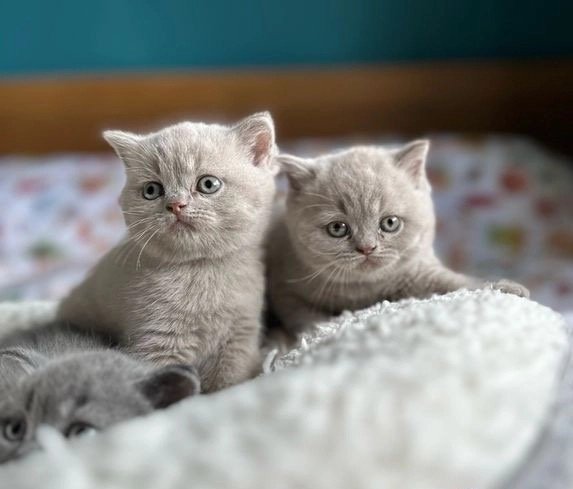
Bringing a British Shorthair kitten into your home is an exciting and rewarding experience. Known for their distinctive appearance, friendly demeanor, and playful yet calm nature, these cats make excellent companions. However, purchasing a kitten requires careful consideration and research to ensure you find a healthy, well-bred pet that fits seamlessly into your family. In this article, we’ll explore essential tips for buying British Shorthair kittens in the UK, from understanding the breed to selecting a reputable breeder and preparing your home for your new furry friend.
Understanding the British Shorthair Breed
History and Origins
The British Shorthair has a history as rich as a cup of British tea. This sturdy feline can trace its roots back to ancient Rome when cats were brought over to help control pests. Fast forward a few centuries, and they became a beloved breed in the UK with a loyal fanbase. Their big round eyes and chubby cheeks have made them a star in cat shows and even inspired the Cheshire Cat from “Alice in Wonderland.” Talk about a royal lineage!
Physical Characteristics
These cats are like the bodybuilders of the feline world, boasting a robust and muscular build. With a broad, round face, dense coat, and large, copper or gold eyes that seem to watch your every move, British Shorthairs have a certain charm that’s hard to resist. They come in various colors, from classic blues to fun tabbies, but all have that plush, teddy bear-like fur begging for a good cuddle.
Personality Traits
British Shorthairs are the introverted, yet affectionate, companions of the cat world. They’re known for their laid-back demeanor, making them perfect for both busy families and lazy individuals alike. While they enjoy a good play session, they’re not overly demanding and appreciate their alone time too—kind of like that friend who loves to binge-watch Netflix in peace. They are generally friendly, though they may give you a side-eye if you’re a stranger. In short, they like to keep it cozy and chill.
Researching Reputable Breeders
Identifying Ethical Breeders
Not all breeders are created equal, and spotting an ethical one is like finding a needle in a haystack—if that needle were a fluffy kitten. Look for breeders who prioritize the health of their cats over making a quick buck. They should be transparent about their breeding practices, health testing, and should willingly invite you to meet the kittens’ parents. If they seem evasive or only care about the money, run (don’t walk) in the opposite direction.
Questions to Ask a Breeder
When you finally meet a potential breeder, don’t be shy—this is your chance to play detective! Ask about the kitten’s lineage, health history, and whether they’ve been socialized with other pets and people. Inquire about any health guarantees and what steps they take to ensure their kittens are healthy. And of course, don’t forget to ask about their favorite flavor of ice cream (because priorities, right?).
Checking for Certifications and References
A reputable breeder is practically peacock-like with their credentials! Check for certifications from recognized cat breeding organizations, which can be a badge of honor. It’s also a good idea to request references from past buyers. If previous customers are singing praises about their kittens and the breeder’s practices, you’re on the right track. Otherwise, it might be time to keep looking.
Assessing the Kitten’s Health and Temperament
Health Checks to Conduct
Before you put a paw print on that adoption contract, ensure your potential new family member is in tip-top shape. Look for clear eyes, clean ears, and a shiny coat that doesn’t appear to be auditioning for a horror movie. A reputable breeder will provide health records, including vaccinations and any vet checkups. And remember: a healthy kitten is a happy kitten—and a happy kitten is a delight to have around!
Evaluating Behavior and Interaction
Spend some quality time with the kitten to get a feel for their personality. Does the little fluffball pounce at every toy like it’s a gazelle? Or are they more of a “I’ll watch you from afar” type? Observe how they interact with you and other humans. A kitten that’s curious and playful might be your perfect match, while one that prefers to observe may thrive in a quieter home.
Understanding Genetic Health Issues
Like a fine wine, British Shorthairs come with their own set of potential health concerns—though hopefully not corked! Be aware of genetic predispositions such as hypertrophic cardiomyopathy (HCM) and other inherited conditions. A responsible breeder will be knowledgeable about these issues and should be able to provide insights into the health of the kittens and their lineage, giving you peace of mind for years to come.
Preparing Your Home for a New Kitten
Creating a Safe Space
Before your new cotton-ball enters your life, it’s crucial to create a safe, welcoming space. This means setting up a cozy bed, food and water stations, and a litter box. Designate a quiet area free from the bustling mayhem of daily life where your kitten can retreat when she needs to recharge her adorable little batteries. Trust us; a well-prepared home is half the battle won!
Kitten-Proofing Your Environment
Much like a toddler, kittens can be surprisingly good at getting into trouble. Make sure to tuck away any cords, toxic plants, and fragile items that might tempt curious paws. If it can be knocked over, chewed on, or climbed, it’s best to remove it from their little realm. A few strategically placed barriers can help keep your kitten safe and your belongings intact. Plus, you’ll get to feel like a superhero in the process!
Introducing Your Kitten to Other Pets
If you’ve got other furry friends at home, introducing a new kitten can feel like a scene from an awkward rom-com. Take it slow! Start by keeping them separated and allowing them to sniff each other under the door or through a baby gate. Gradually allow for supervised meetings, rewarding good behavior with treats and praise. With patience and a sprinkle of caution, they’ll soon become the best of pals—or at least learn to coexist peacefully!
Essential Supplies for Your New British Shorthair
Food and Water Bowls
When it comes to feeding your British Shorthair, you’ll want to invest in sturdy, easy-to-clean food and water bowls. Look for options that are heavy enough not to be tipped over by your little furball (because we know they like to get into mischief!). Stainless steel or ceramic bowls are excellent choices – just steer clear of flimsy plastic that might look like a chew toy to your kitten.
Quality Cat Food Recommendations
Not all cat foods are created equal, and British Shorthairs, with their gloriously plush coats and muscular physiques, have specific dietary needs. Look for high-protein options that cater to their growth and energy levels. Brands like Royal Canin, Hill’s Science Diet, and Orijen are often recommended for their quality ingredients. Don’t forget to consult your vet for tailored advice—they’re the real experts!
Choosing the Right Litter and Litter Box
The litter box is your kitten’s throne, so let’s make it royal! Opt for a spacious, low-sided litter box to help your British Shorthair easily hop in and out. As for litter, clumping options are usually a hit—just like that new cat toy you bought, but with less noise. Try out a few different types (clay, crystal, or even biodegradable) to see which one your kitten prefers. Remember, a clean box keeps the kitty drama to a minimum!
The Importance of Socialization and Training
Socializing Your Kitten with People
British Shorthairs are known for their easy-going nature, but early socialization is crucial. Introduce your kitten to various people, sounds, and environments to help them become well-rounded adults. Schedule playdates, invite friends over, or even take them on car rides (just don’t forget the cat carrier!). The more experiences they have, the more confident they’ll become – and who doesn’t want a friendly feline?
Basic Training Tips
Training your British Shorthair doesn’t have to be like pulling teeth. Start with simple commands like “sit” or “come”—and trust us, it’s more of a fun challenge than a chore! Use positive reinforcement methods, like treats and lots of belly rubs, to encourage good behavior. Consistency, patience, and a sprinkle of humor will go a long way in turning your kitten into a well-behaved companion.
Encouraging Positive Behavior
Instead of focusing on what your kitten shouldn’t be doing (like climbing your curtains), promote positive behavior by rewarding them when they do something right. Redirect unwanted actions with toys or interactive playtime; after all, a tired kitten is a good kitten! Using a clicker can also be effective, turning their smart antics into training sessions filled with fun. Remember, your British Shorthair loves attention, so shower them with praise when they nail it!
Cost Considerations and Budgeting for Your Kitten
Initial Purchase Price
Before you fall head over paws for a British Shorthair, let’s chat about the initial hit to your wallet. Depending on the breeder, a purebred British Shorthair can set you back anywhere from £800 to £2,000. While this might be more than a weekend shopping spree, remember you’re investing in a loving companion who will hopefully grace you with their adorable presence for many years to come.
Ongoing Costs: Food, Supplies, and Care
Once your kitten is home, the fun (and expenses) continue. Monthly costs for food, litter, and basic supplies can range from £50 to £100, depending on your kitten’s appetite and preferences. Plus, don’t forget the price tags on toys, scratching posts, and maybe that fancy cat tree you secretly want (because, let’s face it, it’s more for you than them).
Emergency Veterinary Expenses
Kittens are like babies; they can be unpredictable! Keeping an emergency vet fund is a good idea—think of it like a rainy-day jar but for your furry friend. Setting aside £300-£500 annually for unexpected vet visits can save you a lot of stress. Because as we all know, when your kitten decides to go on a wild adventure, it’s usually accompanied by a surprise vet trip!
Post-Purchase Care and Veterinary Needs
Choosing a Veterinarian
A good vet is your kitten’s best friend—trust us! Research local veterinarians, read reviews, and ask for recommendations from fellow cat lovers. A vet who understands the unique quirks of British Shorthairs will be invaluable in ensuring your kitten grows into a healthy adult. Plus, you’ll want someone who can relate to your new obsession—because we all know how much cat parents can gush about their beloved pets!
Routine Health Checkups
Regular vet visits are as essential as those snuggles on the couch! Schedule routine checkups to monitor your British Shorthair’s overall health, promote vaccinations, and keep an eye on their ever-expanding waistline (those treats can add up!). A good rule of thumb is to visit the vet at least once a year for health checks and updates.
Vaccinations and Preventative Care
Don’t skimp on vaccinations! Your British Shorthair will need important shots to protect them from various diseases. Regular appointments for vaccinations should be complemented by preventative care measures, such as flea and worm treatments. Keeping your feline healthy means more playtime and fewer worries for you—because who doesn’t want more time to cuddle and be spoiled by their kitty?In conclusion, buying a British Shorthair kitten can be a fulfilling journey that brings joy and companionship to your life. By following the tips outlined in this article, you can ensure that you make informed decisions, select a healthy kitten, and create a loving environment for your new pet. Remember, the effort you put into researching and preparing for your British Shorthair will pay off in the form of a happy and well-adjusted feline friend. Enjoy the adventure of welcoming a new member into your family!
Frequently Asked Questions
1. How much do British Shorthair kittens typically cost in the UK?
The cost of British Shorthair kittens can vary widely depending on the breeder, lineage, and location, typically ranging from £800 to £2,000.
2. What should I look for when visiting a breeder?
When visiting a breeder, check for clean and safe living conditions, ask about the kitten’s health history, and observe the temperament of both the kittens and their parents.
3. Are British Shorthair kittens suitable for families with children?
Yes, British Shorthairs are known for their friendly and calm demeanor, making them a great choice for families with children and other pets.
4. What vaccinations do British Shorthair kittens need?
British Shorthair kittens typically require vaccinations against common diseases such as feline calicivirus, feline viral rhinotracheitis, and panleukopenia, starting at around 8 weeks of age. Regular veterinary check-ups will ensure they stay up-to-date on their vaccinations.