
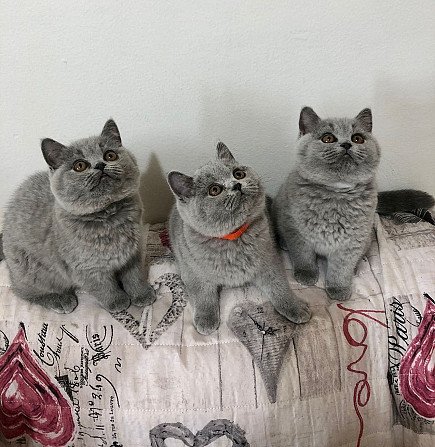
Purchasing a British Shorthair kitten can be an exciting and rewarding experience, but it also comes with a set of important considerations that prospective owners should be aware of. These charming cats are known for their distinctive appearance, laid-back demeanor, and affectionate nature, making them one of the most sought-after breeds. However, ensuring that you are well-prepared for the responsibilities of kitten ownership is crucial to providing a loving and healthy environment for your new furry friend. In this article, we will outline ten essential things you need to know before bringing a British Shorthair kitten into your home, from understanding their unique characteristics to planning for their long-term care.
Understanding the British Shorthair Breed Characteristics
Physical Appearance and Unique Traits
The British Shorthair is the fluffy embodiment of “squishy cuteness.” With their round faces, chubby cheeks, and dense coat, they look like adorable little clouds. They typically have stocky bodies, short legs, and large, expressive eyes that can come in a range of colors—think of them as the feline version of a Disney character. Whether they’re blue, lilac, or even red, their eyes have an uncanny ability to make you feel like you’re the most important person in the room. Just a heads up: that plush fur will likely require regular brushing to keep it looking pristine!
Temperament and Behavior
British Shorthairs are the cool cats of the feline world—think of them as the laid-back friends who just want to lounge on the couch and occasionally join in on the fun. They’re known for their easy-going nature, making them great companions for families or singletons alike. While they can be playful and curious, they’re not overly demanding of attention. They’re the kind of pets that will sit next to you but won’t judge you for binge-watching that latest series. Plus, their low-level vocalizations are charming without being too noisy (unless they’re trying to remind you it’s dinner time!).
Health Considerations for British Shorthair Kittens
Common Health Issues
Like all breeds, British Shorthairs can have their share of health hiccups. Common concerns include hypertrophic cardiomyopathy (a fancy term for heart disease) and obesity, thanks to their love for treats (who can blame them?). Keep an eye out for signs of respiratory issues, too—those adorable, chunky faces can sometimes mean trouble. Regular check-ups and being aware of their health needs will go a long way in ensuring they live a long and happy life.
Regular Veterinary Care
When it comes to keeping your British Shorthair healthy, think of vet visits as the necessary evil of pet ownership (like paying taxes, but with more fur and less paperwork). Routine vaccinations, spaying/neutering, and annual check-ups are crucial to catch any potential issues early on. Plus, your kitty will appreciate the extra treats from the vet staff, who will undoubtedly fawn over their impressive cuteness. Remember, a healthy cat is a happy cat—so don’t skip those vet dates!
The Importance of Reputable Breeders
How to Identify a Responsible Breeder
Finding a reputable breeder is like shopping for the perfect avocado—or perhaps less stressful, but equally important. A responsible breeder will prioritize health, temperament, and proper socialization for their kittens. Look for breeders who have a clean environment, can provide health clearances, and are happy to let you meet the kitten’s parents. If they seem more interested in your wallet than your commitment to the kitten, it’s best to look elsewhere.
Questions to Ask the Breeder
Once you find a potential breeder, you’ll want to channel your inner detective. Ask about the kitten’s health history, socialization practices, and any genetic testing they’ve done. Inquire about the parents’ temperament and if they’ve had any past health issues. A good breeder will welcome your questions, so don’t be shy—after all, you’re looking to bring a new family member home, not just a cute fluffball!
Assessing Costs and Budgeting for Your Kitten
Initial Purchase Price
When it comes to purchasing a British Shorthair kitten, be prepared for a price tag that can range from a few hundred to several thousand dollars. Factors like lineage, breeder reputation, and coat color can all affect the cost. Remember: you often get what you pay for, so if a deal seems too good to be true, it probably is. Just think of it as an investment in your future joy (and maybe a few scratches on the furniture).
Ongoing Expenses: Food, Vet Visits, and Supplies
Once your kitten is home, the expenses keep coming like a never-ending subscription service. You’ll need to budget for high-quality food (they can be quite picky), regular vet visits, and essential supplies like litter boxes and scratching posts. Oh, and don’t forget toys—because what’s a cat without a rainbow feather wand and a suspiciously small box? All in all, expect to set aside some funds for their care and comfort—after all, they deserve the best, don’t they?
Preparing Your Home for a New Kitten
Essential Supplies and Equipment
Before your fuzzy bundle of joy arrives, make sure you’re stocked up on the essentials. This includes a cozy litter box and high-quality litter (because no one wants to play a game of “guess which corner”), food and water dishes, a scratching post (your furniture will thank you), toys (because the best entertainment is the free kind), and a comfy bed. Also, consider a carrier for those exciting vet trips—trust us, they’re not as thrilling for your kitten as they are for you!
Creating a Safe Environment
Kittens are curious little ninjas with an affinity for mischief. To keep your home safe, do a thorough sweep for hazards. Secure loose electrical cords, hide any toxic plants (no one wants a botanical buffet), and make sure small objects that could be swallowed are out of reach. Consider setting up a designated kitten-proof zone where your new furball can explore without risk—bonus points if it includes a cat tree for high-profile napping.
Socialization and Training Needs
Importance of Early Socialization
Just like us, kittens need to brush up on their social skills, so the earlier, the better! Expose your British Shorthair to different people, sounds, and situations. This helps them grow up to be the well-adjusted, charming companion you’ve dreamed of. Remember, the goal is to create a kitty that won’t hide under the bed when the doorbell rings or when Aunt Edna comes over for tea.
Basic Training Tips
Training a kitten can be both delightful and frustrating—think of it as a fun game of “who’s more stubborn.” Start with basic commands like “sit” and “come.” Utilize treats and praise as motivational tools (who doesn’t love a good snack?). And don’t forget about litter training: most kittens will get the hang of it quickly, but patience is key. Remember, Rome wasn’t built in a day—and neither will your kitten’s skills be!
Nutrition and Dietary Requirements
Choosing the Right Food
When it comes to kitty cuisine, you’ll want to choose high-quality cat food that meets the specific nutritional needs for kittens. Look for ingredients that make you feel good—think real meat and whole ingredients, not the vaguely fish-shaped mystery pellets. British Shorthairs can be prone to weight gain, so avoiding overly rich foods and treating them like a buffet is crucial. Your vet will have some great recommendations if you find yourself in a food conundrum.
Feeding Schedule and Portion Control
Establishing a feeding schedule is essential for your kitten’s health. Generally, feeding them 3-4 times a day is a good starting point. Make sure to measure portions so your little fluffball doesn’t turn into a little fluffball in the weight department! Keep an eye on their food intake and adjust as needed—after all, no one wants to pop the buttons on their cat’s cute little collar.
Lifespan and Long-Term Care Expectations
Understanding Lifespan Factors
British Shorthairs can live a long and happy life, often hitting the 12 to 20-year mark with proper care. Factors affecting their lifespan include genetics, diet, and overall health. Regular vet check-ups, vaccinations, and dental care are all part of ensuring your fur baby lives to their fullest potential. Just think of all the snuggles you’ll accumulate over the years!
Planning for Future Health Needs
As your kitten matures into a majestic adult cat, be prepared for the potential health needs that may arise. Regular vet visits will be key in monitoring conditions common to British Shorthairs, such as heart issues or obesity. Invest in pet insurance (it’s like a safety net for those who have a penchant for munching on things they shouldn’t) and make sure to stay up-to-date on vaccinations. A little foresight can go a long way in keeping your fur kid healthy and happy! In conclusion, bringing a British Shorthair kitten into your life can be a fulfilling journey filled with love and companionship. By understanding their unique needs and characteristics, preparing your home, and choosing a reputable breeder, you can ensure a smooth transition for both you and your new feline friend. Taking the time to educate yourself and plan ahead will help you provide a happy and healthy environment, setting the stage for many joyful years together.
Frequently Asked Questions
1. How much do British Shorthair kittens typically cost?
The price of British Shorthair kittens can vary widely based on factors such as breeder reputation, lineage, and location, but they generally range from $1,500 to $3,000 or more.
2. Are British Shorthairs good for families with children?
Yes, British Shorthairs are known for their gentle and tolerant nature, making them a great choice for families with children. They often get along well with kids and can be quite playful.
3. What is the average lifespan of a British Shorthair?
British Shorthairs typically have a lifespan of 12 to 20 years, with proper care, nutrition, and regular veterinary check-ups contributing to their longevity.
4. Do British Shorthairs require a lot of grooming?
British Shorthairs have a dense and plush coat that requires regular brushing to minimize shedding and prevent matting, but they are generally low-maintenance compared to some other breeds.