
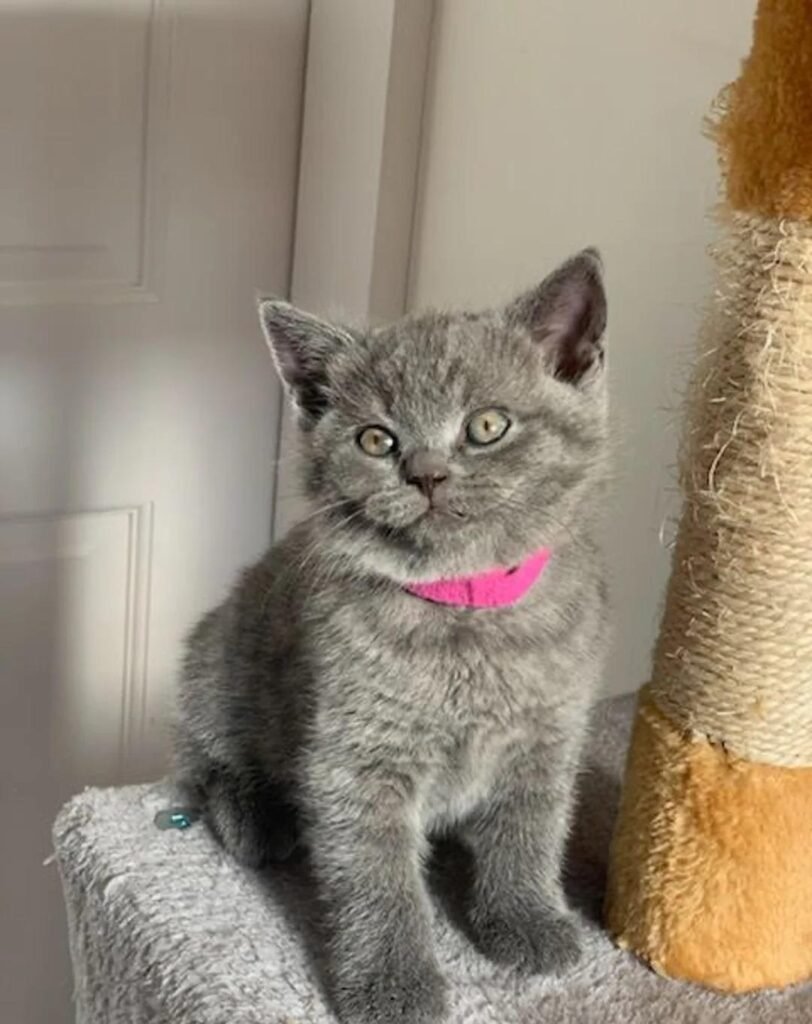
Bringing home a British Shorthair kitten can be an exciting and rewarding experience, as these charming felines are known for their distinctive looks and friendly personalities. However, selecting the right kitten requires careful consideration and knowledge about the breed. From understanding their unique traits to choosing a reputable breeder and preparing your home, this essential guide will walk you through the key steps to ensure that you find the perfect companion. Whether you are a first-time cat owner or looking to add to your family, having the right information at your fingertips will help you make informed decisions and create a loving environment for your new furry friend.
Understanding the British Shorthair Breed
History and Origins
The British Shorthair’s journey begins way back in the Roman era when cats were brought to Britain to keep the rodent population in check. With their sturdy build and plush coats, these felines quickly became popular among the locals. Fast forward a few centuries, add a pinch of selective breeding, and voilà! You have the charming British Shorthair we know today, known for their round faces and sturdy frames that could probably withstand a minor earthquake.
Physical Characteristics
If you’re looking for a cat that exudes regal charm, the British Shorthair might just be your perfect match. They sport a dense, plush coat that feels like a soft teddy bear and a sturdy build that suggests they’ve been hitting the gym. Their round faces, large eyes, and broad cheeks give them an adorable, “I’m so cute I could make your heart melt” look. Plus, they have short, stocky legs that make for some hilariously awkward kitty moments when they sprint after a toy.
Common Color Variations
While the classic “British Blue” is the quintessential color, British Shorthairs come dressed for success in a variety of colors. From the creamy whites to deep chocolates and even striking tabbies, you can find a hue that matches your style. Some even sport the rare colorpoint pattern – think Himalayan but with that British touch of class. It’s like having a wardrobe full of fashionable, furry companions.
Key Traits of a Healthy Kitten
Physical Signs of Health
When eyeing a potential feline companion, look for bright, clear eyes that don’t resemble a raccoon after a late-night binge. Their fur should be nice and shiny, not like a post-party hairdo, and their body should feel firm without any suspicious bulges. And let’s not forget that little pink nose – it should be cool and damp, not a hot mess.
Behavioral Indicators
A healthy kitten is like a ball of energy wrapped in cuteness. They should be playful, curious, and ready to explore every nook and cranny of your home. If your potential kitten spends its time huddled in a corner contemplating the meaning of life, that’s a red flag. Look for signs of social behavior; a kitten that engages with you and its siblings is likely a happy and healthy one.
Age-Appropriate Milestones
Kittens develop at a rapid pace, and there are some milestones to keep an eye on. By six weeks, they should be waddling around and engaging in playful wrestling matches. By around eight weeks, they should be weaned and eating solid food (think tiny, adorable vacuum cleaners). By twelve weeks, they should be confident little explorers, strutting around like they own the place, which, spoiler alert, they probably will.
Choosing a Reputable Breeder
What to Look for in a Breeder
A responsible breeder is like the unicorn of the cat world: rare yet magical. Look for breeders who prioritize the health and temperament of their kittens over everything else, and find someone who can gladly show you their credentials and the environment where the kittens are raised. If they invite you into their home (and not just a hidden lair), that’s a good sign.
Questions to Ask Before Buying
When meeting a breeder, don’t hold back on the questions! Ask about health screenings, vaccination history, and the kitten’s socialization experiences. Inquire about the parents’ temperaments; if mom’s a diva and dad’s a couch potato, be prepared for a kitten with an entertaining mix of quirks. And don’t forget to ask about their return policy—just in case you accidentally adopt a tiny tornado.
Understanding Contracts and Guarantees
A solid contract is a must when bringing home a new furry friend. Make sure it outlines health guarantees, breeding rights (or lack thereof), and what happens if the kitten doesn’t work out for any reason. It’s like a safety net for both you and your new kitty, ensuring that you’re both covered in case things go awry. Don’t skip the fine print; it’s not just for lawyers and insurance agents!
Assessing Kitten Temperament and Personality
Observing Interactions with Littermates
Watching how a kitten interacts with its fellow furballs is like peering into a reality show. Are they the playful instigator or the cautious observer? Those who engage in playful shenanigans generally adapt well to new environments. However, if one is hiding in a corner while the others are having a pillow fight, that little furball might need a bit more time to adjust to their new kingdom.
Importance of Early Socialization
Socialization is key to raising a well-adjusted British Shorthair. The first few weeks of a kitten’s life are crucial; they should be introduced to various stimuli, from gentle handling by humans to the delightful chaos of everyday household sounds. A well-socialized kitten will be more confident and less likely to transform into a furry recluse once they step into your home.
Choosing Based on Your Lifestyle
When selecting a kitten, consider your lifestyle. Are you a homebody looking for a snuggle buddy to binge-watch your favorite shows with, or do you need a playful companion to keep up with your active lifestyle? British Shorthairs are known for their adaptable nature, but remember that each kitten has its own personality. Choose one that meshes well with your vibe – after all, you want a cuddly companion, not a furry roommate who believes in personal space!
Preparing Your Home for a New Kitten
Creating a Safe Environment
Before your fluffy new friend arrives, it’s time to kitten-proof your castle! Start by hiding away any loose wires, plants that might be toxic (sorry, peace lily), or anything that could be considered a potential chew toy. Secure heavy furniture that could topple over and create a cat-tastrophe. Remember, a British Shorthair is a curious explorer, and they’ll expect their new domain to be completely safe for their shenanigans.
Designating a Kitten Space
Kittens need their own little slice of heaven. Choose a cozy corner for their bed, scratching post, and toys—a sort of “Kitty Kingdom.” This space should be quiet and away from the hustle and bustle of daily life, preferably with easy access to food, a litter box, and plenty of cuddly spots. After all, every monarch deserves their throne!
Introducing Other Pets
If you have a dog who thinks they’re a cat, or a grumpy old cat who definitely doesn’t, introducing your new British Shorthair requires a bit of finesse. Start with a slow introduction. Keep the new kitten in their designated space while allowing other pets to sniff around the area. Gradually swap bedding and toys to get everyone used to each other’s scents. With patience and treats (because bribery always helps), they’ll learn to coexist—maybe even become the best of pals!
Essential Supplies for Your British Shorthair
Food and Water Bowls
First things first, let’s get those dining essentials sorted. Invest in sturdy, spill-proof food and water bowls. British Shorthairs have a bit of a reputation for being on the rotund side, so opt for shallow dishes to prevent whisker fatigue. Also, consider a water fountain—because who doesn’t want to drink like royalty?
Choosing the Right Food
Your kitten’s diet can make or break their royal stature. Look for high-quality kitten food packed with protein—think chicken, turkey, or fish. Avoid fillers like corn and soy; they don’t belong in a regal feline diet. Consult your vet to find the best brand for your child, and be ready for some serious mealtime negotiations.
Litter Boxes and Bedding
Litter boxes are a necessary evil, but they don’t have to be ugly. Choose a low-entry box with high sides to prevent any spills from your enthusiastic digger. Keep an eye on the litter type; some cats are picky about texture. And for bedding? Soft, cushy materials are ideal—a plush bed or even an old sweatshirt can do the trick. Your kitten will appreciate having a cozy spot to rest their royal head.
Health Considerations and Vet Visits
Initial Health Check-Up
Once your new kitten arrives, their first big outing should be to the vet. Schedule an initial health check-up within the first week. The vet will assess their overall health, check for parasites, and guide you on vaccinations. Plus, you’ll want to get familiar with the vet—because your British Shorthair will surely have a “thing” for mischief that may require some professional attention.
Vaccination Schedule
Vaccinations are your kitten’s ticket to a long, healthy life, so don’t skip out on this crucial step! Discuss the recommended vaccination schedule with your vet, as British Shorthairs may require specific shots to ward off common diseases. And just like humans, keep a record of their vaccinations—it’s always handy when playing doctor later!
Common Health Issues to Watch For
British Shorthairs are generally a hearty breed, but they’re not free from health concerns. Keep an eye out for signs of obesity, heart issues, and dental problems. Regular vet visits and a watchful eye can help catch any issues before they become serious. And don’t forget—if your cat suddenly decides they want to be a rock star and starts howling at odd hours, it may be time for a check-up!
Tips for Bonding with Your New Kitten
Building Trust Through Interaction
Building a bond with your new British Shorthair is all about trust. Spend quality time together; let them approach you on their terms. Use treats and gentle petting to establish that you’re a friend, not a foe. And remember, kittens have short attention spans—so keep your interactions engaging but brief.
Playtime and Training Techniques
Playtime is educational and necessary for a kitten’s development. Use feather toys, balls, and anything that resembles prey to get their natural instincts going. And yes, training can happen too! Teach them basic commands and litter box etiquette with patience and positive reinforcement. Your efforts will pay off when you have a well-mannered kitty instead of a furry tyrant!
Establishing Routines
Kittens thrive on routine, so create a daily schedule for feedings, playtime, and cuddle sessions. This will help your British Shorthair feel secure and settled in their new home. Plus, you’ll both benefit from the predictability—no one enjoys surprise kitten antics at 3 AM. Consistent routines create a happy, well-adjusted feline and a less bewildered human! In conclusion, selecting the perfect British Shorthair kitten involves careful thought and preparation, ensuring that both you and your new feline companion can thrive together. By understanding the breed’s characteristics, choosing a reputable breeder, and creating a welcoming home, you set the foundation for a lifelong bond. Remember to invest time in nurturing your kitten’s health and happiness, and you will be rewarded with the joy and companionship that a British Shorthair brings. Enjoy the journey of welcoming your new furry family member!
Frequently Asked Questions
What should I look for when choosing a British Shorthair kitten?
Look for a kitten that displays healthy physical traits, playful behavior, and a friendly disposition. It’s also essential to choose a reputable breeder who prioritizes the health and well-being of their cats.
How can I prepare my home for a new kitten?
Ensure your home is safe by removing hazards, designating a quiet space for the kitten, and providing essential supplies like a litter box, scratching post, and toys to encourage play and exploration.
What is the typical temperament of a British Shorthair?
British Shorthairs are generally known for their calm, affectionate, and easygoing nature. They tend to be good with children and other pets, making them excellent family companions.
How often should I take my kitten to the vet?
Initially, your kitten should visit the vet for a health check-up and vaccinations. Follow-up visits are typically recommended at least once a year, but consult your veterinarian for a personalized care schedule.