
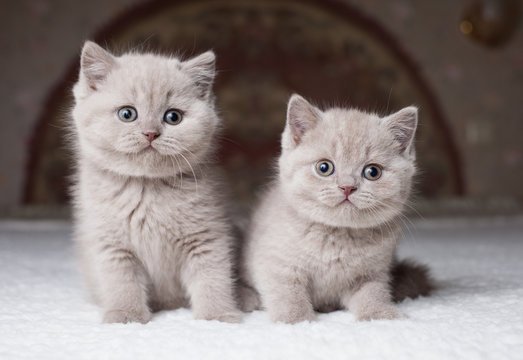
The British Shorthair is a beloved breed known for its charming appearance and affectionate nature, making it a popular choice among cat enthusiasts. However, potential owners often find themselves wondering about the financial commitment involved in bringing one of these furry companions into their home. The cost of a British Shorthair can vary significantly based on several factors, including the cat’s lineage, age, and whether it is adopted or purchased from a breeder. In this article, we will explore the various aspects that influence the price of British Shorthairs, providing a comprehensive guide to help prospective owners make informed decisions about this delightful breed.
Overview of British Shorthair Breed
History and Origin
British Shorthairs have roots that can be traced back to the Roman conquest of Britain, where they were utilized for their exceptional mouse-catching skills. These sturdy felines became beloved companions of British nobility and, with their distinct blue-grey coats, they embody a certain regal charm that’s hard to resist. Over the years, they’ve transitioned from working cats to cherished family members, all while keeping that air of sophistication.
Physical Characteristics
If you could distill “cuddle-worthy” into a cat, it might just be the British Shorthair. These cats have round faces, large eyes, and a robust, muscular body that practically demands to be squished. Their dense, plush coats come in various colors, but the classic blue-grey is often the poster child of this breed. With a sturdy build and a short, thick tail, they exude an aura of both grace and brawn.
Temperament and Personality
British Shorthairs are the quintessential laid-back companions. They have a calm demeanor and are generally easy to please, making them perfect for both families and singles alike. Don’t mistake their chill vibe for a lack of energy—these cats enjoy playtime and can be quite quirky. They are affectionate but maintain a certain independence, often choosing when they want to snuggle and when they’re off to conquer their imaginary kingdoms.
Factors Influencing Cost
Pedigree and Lineage
When it comes to British Shorthairs, pedigree is everything. Cats from champion bloodlines tend to cost a pretty penny due to their distinguished ancestry. A well-documented lineage implies the cat has a history of good health and desirable traits—essentially, you’re paying for the family tree equivalent of a royal lineage.
Age and Health of the Cat
The age of a British Shorthair can significantly influence its price tag. Kittens, with their irresistible fluff and playful antics, usually command higher prices than adults. Plus, a healthy cat, ideally with a clean bill of health and vaccination records, will usually be more expensive. After all, no one wants to invest in a cat with an unpredictable medical history—unless you’re into dramatic soap operas.
Breeder Reputation
Not all breeders are created equal! A reputable breeder who adheres to ethical practices and prioritizes the health of their cats will charge more for their British Shorthairs. This premium often reflects a commitment to proper breeding practices, socialization, and care. Meanwhile, a less scrupulous breeder might offer lower prices but could leave you with unforeseen health issues and a cat with anxiety issues (thanks, bad vibes).
Average Price Range of British Shorthairs
Price Estimates by Age
When it comes to pricing, British Shorthair kittens usually range from $1,000 to $2,500, depending on their pedigree and breeder. Adults might be a bit lighter on the wallet, typically costing between $800 and $1,500. Of course, prices can vary based on factors we’ve already discussed, but if you find yourself in the market, be prepared to splash out; these cats are a premium selection.
Variation Based on Color and Pattern
Surprise! The color of your British Shorthair can significantly affect its price. Classic blue tends to be on the lower end, while rarer colors such as lilac, chocolate, or those whimsical tabby patterns can push the price into the stratosphere—think $2,500 and beyond. So, if you’ve got your heart set on a particular hue, keep that budget handy because some shades come with a hefty price tag.
Costs of Adopting vs. Buying
Adoption Fees from Shelters
Adopting a British Shorthair from a shelter can be a heartwarming experience, not to mention easier on the wallet, with fees typically ranging from $50 to $250. While you may not find an extensive selection of purebreds, adopting a cat in need can be a fulfilling choice for both you and your new furry friend.
Purchasing from Breeders
Buying from breeders, as previously noted, can set you back anywhere from $800 to $2,500. While this option guarantees a pedigree and often a health guarantee, remember that you’re investing in a family member who comes with a plush price tag—and perhaps a bit more drama in the paperwork department.
Advantages and Disadvantages of Each Option
Adoption is like finding a treasure that’s been overlooked—saving a life while also saving money! However, the downside is that you may not find a purebred British Shorthair available. On the flip side, buying from a breeder guarantees a specific breed with an established lineage, but at a cost that could make your wallet weep. Ultimately, the decision hinges on your budget, preferences, and how much you can handle the cuteness overload.
Additional Expenses for Owning a British Shorthair
Food and Nutrition
Owning a British Shorthair isn’t just about the initial price tag; there’s a continual investment in quality food. These fluffy little giants thrive on a balanced diet high in protein. Expect to spend around £30 to £50 a month on premier cat food, depending on your kitty’s taste (or whims). Don’t skimp here—just like us, healthy meals lead to a happy cat…and fewer vet bills!
Healthcare and Veterinary Costs
Your British Shorthair will need regular vet check-ups, vaccinations, and, of course, the occasional surprise trip to the vet when they decide to get into a ruckus. Plan for annual healthcare expenses, which can range from £200 to £500, including routine visits and emergency care. And don’t forget pet insurance—it’s a wise investment that can save you from biting more than just your nails in a crisis.
Grooming and Supplies
While British Shorthairs have a luscious coat that doesn’t require intricate grooming like some breeds, they do enjoy a good brush now and then (and it helps reduce hairballs). Budget about £10 to £20 a month for grooming supplies like brushes and nail clippers. Plus, don’t forget essentials like litter, toys, and scratching posts, which might add another £30 a month to your bill. You can’t put a price on a happy kitty, but you might end up wishing you could!
Regional Price Variations in the UK
Urban vs. Rural Prices
Location plays a sneaky role in the price of British Shorthairs. In urban areas like London, expect to pay more, often ranging from £800 to £1,500 due to higher living costs and demand. Meanwhile, in rural areas, you might snag one for around £600 to £1,000, but be prepared to travel—rural breeders may be less common than a cat that actually likes to take a bath!
Regional Breeder Differences
Not all breeders are created equal, and that can reflect in the price. Some breeders in the south may charge premium rates for champion bloodlines or show-quality cats, while others might offer more budget-friendly options. Always research and compare prices; just remember that the cheapest option isn’t always the best. You want a healthy cat that won’t have you running to the vet every other week!
Tips for Finding a Reputable Breeder
Questions to Ask a Breeder
When you do find a breeder, come prepared with questions—like a first date but for kittens! Ask about health screenings, their breeding practices, and what they do to socialize their kittens. Don’t hesitate to inquire if you can meet the kitten’s mom; a good breeder will be happy to show off their furry pride and joy.
Red Flags to Watch For
Trust your gut here. If a breeder is reluctant to share health history or allows you to meet the kittens in a less-than-ideal environment, that’s a huge red flag. Also, avoid anyone who pressures you into a quick sale or doesn’t have a clear return policy. Remember, you want a healthy kitten, not a hidden surprise in fur form.
Conclusion: Assessing Value vs. Cost
Long-term Investment Considerations
When considering the cost of a British Shorthair, think beyond just the upfront price. This furry friend will be an integral part of your life for 15 years or more, so investing in their health and happiness is crucial. Factor in those additional costs and remember: it’s not just about getting a cat; it’s about welcoming a new family member!
Final Thoughts on Choosing a British Shorthair
In the end, whether you splurge on a top-notch British Shorthair or choose a budget-friendly option, what matters most is the bond you create. With their charming personalities and oh-so-cuddly nature, these cats will bring endless joy, purring their way right into your heart and home. Just remember, they might cost a pretty penny, but the love they give is absolutely priceless! In conclusion, while the initial cost of acquiring a British Shorthair can vary widely, it is essential to consider not just the purchase price but also the ongoing expenses associated with their care. By understanding the factors that influence cost and weighing the options of adoption versus purchasing from a breeder, prospective owners can make informed choices that align with their budgets and lifestyle. Ultimately, the joy and companionship that a British Shorthair brings to a home can be invaluable, making the investment worthwhile for many cat lovers.
Frequently Asked Questions
1. What is the average price of a British Shorthair kitten?
The average price of a British Shorthair kitten typically ranges from £800 to £2,000, depending on factors such as pedigree, breeder reputation, and geographic location.
2. Are British Shorthairs more expensive in urban areas?
Yes, British Shorthairs can be more expensive in urban areas due to higher demand and increased living costs for breeders, which can affect the pricing.
3. Is it more cost-effective to adopt a British Shorthair from a rescue?
Adopting a British Shorthair from a rescue can be more cost-effective, with fees generally ranging from £100 to £300. However, it’s essential to consider the potential costs of initial healthcare and any necessary supplies.
4. What ongoing expenses should I expect when owning a British Shorthair?
Ongoing expenses for a British Shorthair include food, regular veterinary care, grooming, and supplies such as litter, toys, and scratching posts, which can total several hundred pounds annually.