
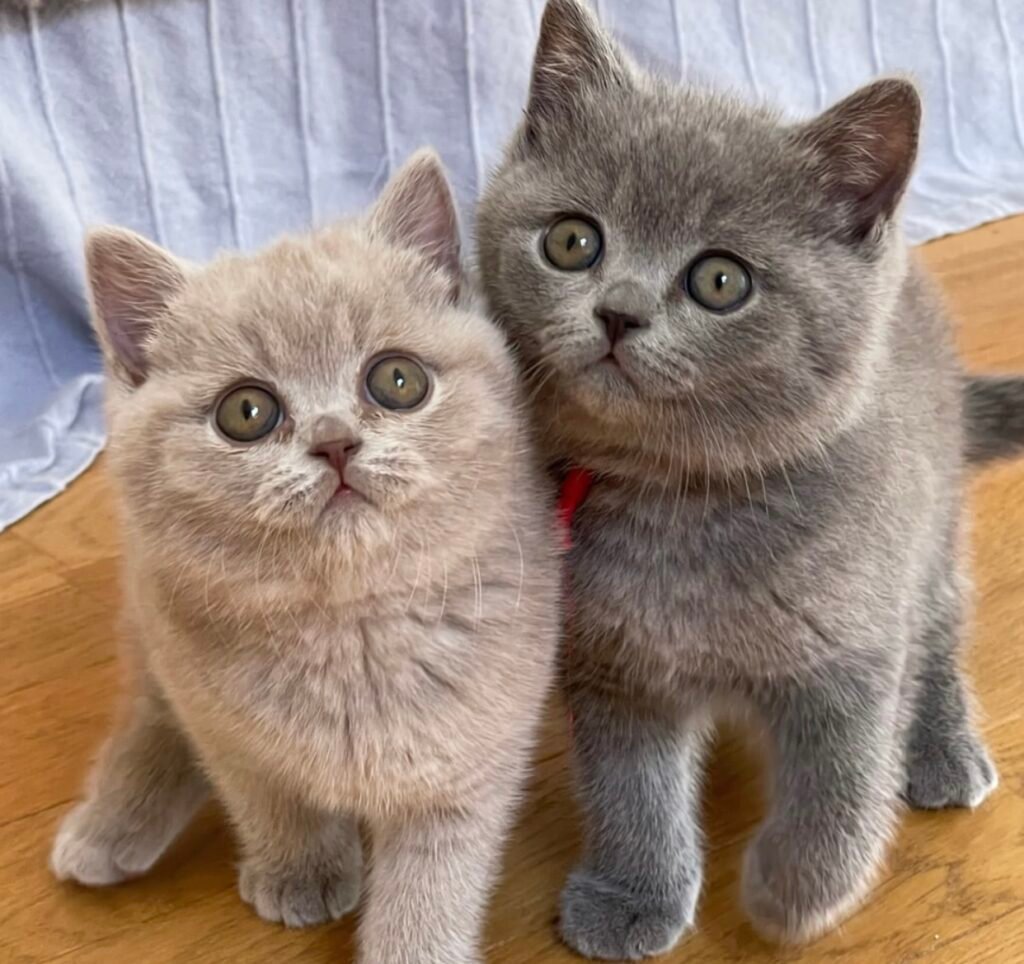
British Shorthairs are beloved for their charming personalities and distinctive appearance, characterized by their plush, dense coats and round faces. However, potential cat owners often wonder about one particular aspect of their care: shedding. Understanding how much British Shorthairs shed and the factors that influence this process can help pet owners manage their grooming routines and prepare for life with this breed. In this article, we will explore the shedding habits of British Shorthairs, compare them to other breeds, and provide practical tips for minimizing hair loss while ensuring your feline companion remains healthy and happy.
Understanding British Shorthair Coat Characteristics
Coat Texture and Length
British Shorthairs are renowned for their plush, dense coats that feel like a cloud. Their short hair is thick and stands away from the body, which creates that iconic round appearance we all adore. While the coat is short, it’s not short on personality—much like your favorite quirky sitcom character! This texture can contribute to shedding, but let’s keep our expectations in check; they’re not shedding machines like some dogs you might know.
Color Varieties and Their Impact on Shedding
British Shorthairs come in an astonishing array of colors and patterns, from classic blue to striking cream and even tortoiseshell. While you might think that a darker color means more shedding—a la the lint roller’s worst nightmare—color doesn’t really influence shedding. Rather, it’s the coat’s density and health that dictate how much fluff is floating around your living room. So, whether you’re a fan of the blue or the lilac, rest assured, the shedding will be fairly consistent across the board.
The Shedding Cycle of British Shorthairs
Seasonal Shedding Patterns
Like many furry friends, British Shorthairs have their own shedding calendar. Typically, they’ll shed more in the spring and fall—think of it as their version of a wardrobe change. During spring, they ditch the winter fluff, while fall is all about bulking up for the colder months ahead. So, if you find yourself wrestling with extra fur around those seasons, you’re just witnessing their seasonal fashion show!
Regular vs. Excessive Shedding
Now, there’s shedding, and then there’s “Whoa, what happened to your cat?!” Regular shedding is totally normal for British Shorthairs, but excessive shedding can be a sign of something amiss—be it stress, poor diet, or even a health issue. If your British Shorthair is shedding like a snowstorm in July, a quick trip to the vet might be in order. After all, we want our chubby little friends to be happy and healthy, not just fabulously fluffy.
Factors Influencing Shedding in British Shorthairs
Age and Developmental Stages
Just like us humans, British Shorthairs go through changes as they age. Kittens may shed less as they’re still growing into their magnificent coats, while older cats might shed more due to those grumpy old cat vibes. Keep an eye on your feline’s life stages; this could help you gauge what’s “normal” for them—and who doesn’t love a little monitoring when it comes to their fluffy companions?
Diet and Nutrition
You are what you eat, and the same goes for our British Shorthairs! A balanced diet rich in essential fatty acids and high-quality proteins can lead to a healthier coat and less shedding. Treat your feline friend to some nutritious kibble or wet food (bonus points for the flavor variety!) and watch that coat shine. You might even find yourself a little jealous of how glossy their fur is compared to your hair—just sayin’.
Environmental Factors
Ah, the world outside! Environmental factors, like temperature and humidity, play a sneaky role in shedding. If you live somewhere that feels like a sauna in the summer or a freezer in the winter, your British Shorthair may have to adjust their shedding game accordingly. Additionally, stressors in their environment—like that overly boisterous neighbor or the vacuum cleaner from another dimension—can also cause increased shedding. Keep their environment calm and cozy, and your cleaning routine will thank you.
Comparing Shedding: British Shorthairs vs. Other Breeds
Shedding in Shorthaired Breeds
Comparing British Shorthairs to other shorthaired breeds can feel like comparing apples to slightly more robust apples. Generally, shorthaired breeds, like the American Shorthair or the Bengal, also shed, but to varying degrees. Many of them have coats that are just as plush, meaning they might be in the same shedding league. Fear not—this means fewer hairballs than with long-haired companions, but keep that lint roller close just in case.
Shedding in Longhaired Breeds
Now, if you thought British Shorthairs had it tough, just look at the longhaired breeds! Persians, Maine Coons, and Ragdolls are basically shedding champions, often leaving trails of fluff that could rival a cotton candy machine. While British Shorthairs do shed, they’re relatively low-maintenance in comparison. So, if you desire a furry friend but want to keep the vacuum cleaner a little less busy, the British Shorthair may just be the perfect choice!
Grooming Tips to Manage Shedding
Brushing Techniques and Tools
To keep that plush fur under control, regular brushing is key! Aim for at least once a week with a slicker brush or a grooming glove, which feels like a cat spa day. Just make sure to keep your strokes gentle—nobody enjoys a surprise hair-pulling session, least of all your British Shorthair. For extra shedding days (hello, seasonal change!), increase the frequency to a few times a week. Bonus tip: Brushing outside can help keep your home fur-free and give your cat a taste of the great outdoors!
Bathing and Skin Care
Now, before you go all out with a bubble bath, remember that most cats aren’t fans of water. But if your British Shorthair has been rolling around in a mud puddle or just needs a refresh, occasional bathing can help reduce shedding. Use a cat-friendly shampoo and rinse thoroughly to avoid any lingering suds that may result in a slippery cat chase. Additionally, consider adding omega fatty acids to their diet, as this can enhance skin health and minimize shedding—like a spa day from the inside out!
Health Implications of Excessive Shedding
Identifying Underlying Health Issues
Excessive shedding can sometimes signal a health issue lurking under that adorable exterior. Keep an eye out for other symptoms like bald patches, redness, or unusual scratching. Allergies, skin conditions, or stress could be at play, so it’s essential to monitor your feline friend’s grooming habits. If you notice significant changes in their shedding patterns, it might be time for a deeper dive into their health.
When to Consult a Veterinarian
If your British Shorthair is shedding like it’s preparing for a fur coat collection, it’s time to consult the professionals. Schedule a visit with your vet if you notice sudden, excessive shedding or other concerning symptoms. They’ll be able to rule out any pesky health issues and help you figure out the best course of action—because no one wants to play “guess the diagnosis” when it comes to their fur baby!
Myth-Busting: Common Misconceptions About British Shorthairs and Shedding
Myth: All Cats Shed Equally
Contrary to popular belief, not all cats are created equal in the shedding department. While most cats will leave a trail of fur behind them like breadcrumbs, British Shorthairs are known for their relatively low shedding levels compared to their fluffier counterparts. So, if you’re expecting a feline version of a shedding snowstorm, you might be pleasantly surprised (or disappointed, if you enjoy brushing sessions!).
Myth: Shedding Is Normal for All Cats
While shedding is a part of life for our furry friends, it isn’t a one-size-fits-all experience. Some breeds, like the British Shorthair, shed less frequently than others. But that doesn’t mean you should ignore your cat’s shedding needs—monitor their fur loss and keep those grooming sessions regular to make sure they stay healthy and happy. Remember, not all fur is normal, so don’t hesitate to investigate further if it seems excessive.
Conclusion: Should You Worry About Shedding?
Final Thoughts on British Shorthair Shedding
In the grand scheme of cat ownership, British Shorthair shedding shouldn’t be your biggest concern. These lovable furballs shed less than many other breeds, and with proper grooming and care, you can keep their fur under control. Just think of it as a small trade-off for having a purring companion that doubles as a plush cushion on your lap!
Tips for Potential Owners
If you’re considering adding a British Shorthair to your family, prepare for occasional shedding, especially during seasonal changes. Invest in some quality grooming tools and get into the habit of brushing regularly. And remember: with all the cuddles and companionship they offer, a little fur is just part of loving a British Shorthair!In conclusion, British Shorthairs are relatively moderate shedders compared to other breeds, and with proper grooming and care, their shedding can be effectively managed. By understanding their unique coat characteristics and the factors that contribute to shedding, cat owners can enjoy the companionship of these affectionate cats without being overwhelmed by loose fur. Whether you are a current owner or considering bringing a British Shorthair into your home, being informed about their shedding habits will help you ensure a harmonious living environment for both you and your feline friend.
Frequently Asked Questions
Do British Shorthairs shed more during certain seasons?
Yes, British Shorthairs may experience increased shedding during seasonal changes, particularly in spring and fall, as they adapt their coats to temperature fluctuations.
How often should I groom my British Shorthair to manage shedding?
It is recommended to brush your British Shorthair at least once a week to remove loose fur and minimize shedding, though more frequent grooming may be beneficial during peak shedding seasons.
Is excessive shedding a sign of health issues in British Shorthairs?
Yes, while some shedding is normal, excessive shedding can indicate underlying health problems such as allergies, stress, or skin conditions, and it’s advisable to consult a veterinarian if you notice significant changes in shedding.
Can diet affect the shedding of my British Shorthair?
Absolutely! A balanced diet rich in essential nutrients, including omega fatty acids, can promote a healthy coat and potentially reduce excessive shedding in British Shorthairs.