
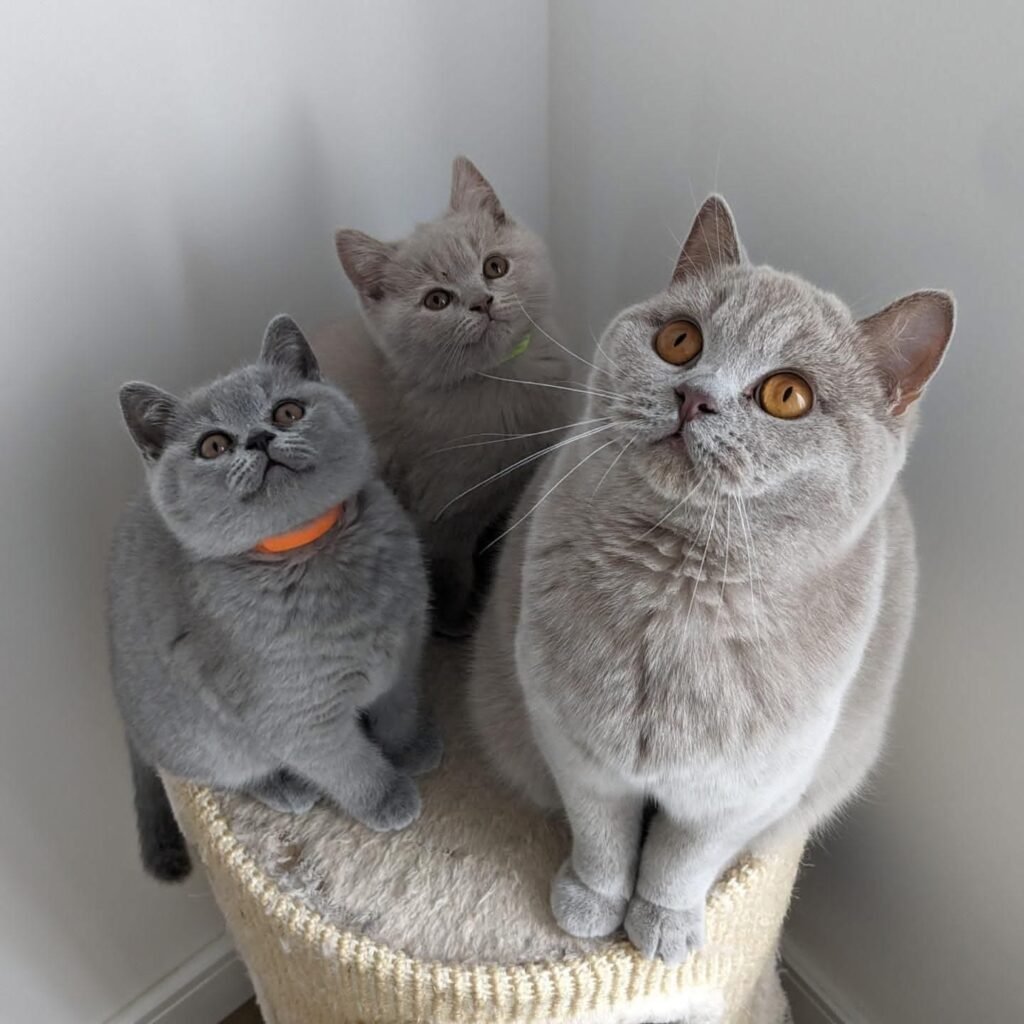
The British Shorthair is a beloved feline breed known for its sturdy build, plush coat, and charming personality. As prospective and current cat owners ponder the joys of having a British Shorthair, one of the key considerations is their lifespan. Understanding how long these cats typically live, along with the various factors that can influence their longevity, is essential for providing the best care possible. From genetics and health concerns to diet and lifestyle, this article explores the various elements that contribute to the lifespan of British Shorthairs, offering valuable insights for ensuring a happy, healthy life for your furry companion.
Overview of British Shorthair Lifespan
Typical Lifespan Range
British Shorthairs typically live between 12 to 20 years, with proper care and a sprinkle of good luck. On average, you can expect them to thrive around the 15-year mark, but some may surprise you by sticking around well into their golden years. It’s like they’ve got a little bit of cat magic that keeps them going!
Comparison to Other Breeds
When stacked against other feline fancy pants, British Shorthairs hold their own. Compared to, say, Siamese or Maine Coons, who often live a few years longer, the British Shorthair is the reliable friend who shows up to your party but leaves before the cleanup. They’re not the longest-living breed, but those years are packed with purrs and cuddles!
Factors Affecting Lifespan
Genetics and Breed Characteristics
Genetics play a significant role in the lifespan of your British Shorthair. With their stocky build and robust health, they come with a few built-in advantages. However, genetic predispositions to certain conditions can lurk around, making it essential to know your kitty’s ancestry. Regular vet check-ups can help catch any hereditary issues before they become a problem!
Living Conditions and Environment
Just like us, cats thrive in a safe and stimulating environment. British Shorthairs enjoy a cozy home where they can lounge, play, and occasionally bat at that pesky feather toy. Stress, lack of exercise, and unsafe surroundings can shave years off their lives, so ensure they live the feline dream with plenty of love, playtime, and no surprise squirrels in the house!
Common Health Issues in British Shorthairs
Genetic Disorders
While British Shorthairs are generally hardy, they can be prone to certain genetic disorders. Hypertrophic cardiomyopathy (HCM) is one of the more common concerns, affecting heart health. Regular veterinary check-ups can help spot these issues early, allowing you to nip them in the bud like a well-aimed cat toy.
Age-Related Health Problems
As your British Shorthair ages, you may notice some common age-related health problems creeping in. Arthritis, dental disease, and kidney issues can all become more frequent visitors in the later years. Keeping an eye on their health and adjusting their care can help keep them feeling spry and content, even as they embrace their inner senior citizen.
Diet and Nutrition for Longevity
Essential Nutrients for British Shorthairs
A well-rounded diet is the key to keeping your British Shorthair purring for years to come. They need a mix of high-quality protein, healthy fats, vitamins, and minerals. Think of it as their very own cat version of a balanced diet—the more diverse the menu, the happier and healthier they’ll be. Don’t forget those tantalizing treats, but moderation is key unless you want a furry couch potato!
Recommended Diet Plans
Consulting with your vet can help you tailor a diet plan that suits your British Shorthair’s age, health, and activity level. Look for high-quality commercial cat food with real meat as the main ingredient. If homemade is your jam, just ensure it’s complete and balanced! And yes, their food should be as fancy as their royal demeanor—a dash of tuna wouldn’t hurt, right?
Importance of Regular Veterinary Care
Routine Check-Ups and Vaccinations
Regular trips to the vet might sound about as appealing as a trip to the dentist, but they’re crucial for keeping your British Shorthair in tip-top shape. Annual check-ups ensure your feline friend is up to date on vaccinations, helping to ward off nasty diseases. Think of it as a health spa retreat, but with less pampering and more poking and prodding. The earlier any health issues are caught, the better your kitty’s chances of living a long, happy life.
Preventative Care Strategies
Preventative care is all about stopping problems before they even think about appearing. This includes dental care (yes, cats need that too), flea and tick prevention, and a balanced diet tailored to your British Shorthair’s specific needs. Regularly grooming your furball not only keeps them looking dapper but also helps you keep an eye out for any unusual lumps or bumps. Remember, an ounce of prevention is worth a pound of catnip!
Environmental Factors Influencing Lifespan
Indoor vs. Outdoor Living
The age-old debate: to let your cat roam free like a majestic lion or keep them safely indoors like a pampered house cat. Statistically speaking, indoor cats tend to live longer than their outdoorsy counterparts. Outdoor life can expose your British Shorthair to traffic, predators, and various diseases that can quickly shorten their lifespan. If you’re keen on giving them a taste of the great outdoors, consider building a catio (a fancy cat patio) to keep them safe while still enjoying fresh air and sunshine.
Creating a Safe and Stimulating Environment
An enriching environment can significantly enhance your British Shorthair’s quality of life (and longevity). Fill your home with scratching posts, climbing shelves, and interactive toys—anything that encourages them to stay active and engage their inner hunter. We all know a bored cat is a destructive cat, and a happy cat is a long-lived cat. So, go ahead and spoil them with a variety of toys, but be prepared for the occasional catnip-induced zoomies!
Tips for Extending Your British Shorthair’s Life
Exercise and Playtime Recommendations
British Shorthairs are known for their charmingly plump physiques, but staying active is key to keeping them healthy and spry. Incorporate daily play sessions into your routine—think feather wands, laser pointers, and even good ol’ fashioned cardboard boxes (because who doesn’t love a good box?). Aim for at least 15-20 minutes of playtime each day to keep their hearts pumping and their minds sharp. After all, a well-exercised kitty is a happy kitty!
Monitoring Health and Behavior Changes
Your British Shorthair’s health is often reflected in their behavior. Sudden changes like reduced appetite, increased thirst, or a drop in energy levels should raise a red flag. Keep tabs on their day-to-day antics and be vigilant for any signs of discomfort or illness. The sooner you notice a change, the sooner you can consult your vet, and the better chance you have of catching anything before it becomes a bigger issue. Remember, Sherlock Holmes wouldn’t solve mysteries without paying attention to the details!
Conclusion: Understanding and Caring for Your British Shorthair
Summarizing Key Points
In summary, a British Shorthair’s lifespan can be influenced heavily by consistent veterinary care, a safe and stimulating living environment, and proactive health monitoring. Treat them like the royalty they are, and you’ll be rewarded with many years of companionship, cuddles, and meows. Remember, prevention is always better than cure, and a little effort goes a long way in ensuring your kitty has a glorious, long life.
Final Thoughts on Care and Longevity
Caring for your British Shorthair isn’t just about feeding them fancy kibble (though, let’s be real, that’s definitely part of it). It’s about creating a loving, enriching environment where they can thrive. By prioritizing their health and happiness, you’re not just extending their life—you’re enhancing the quality of every day they spend with you. So, pamper them, keep them active, and embrace the joy of having a feline friend by your side for many delightful years.In conclusion, the lifespan of a British Shorthair can be significantly influenced by factors such as genetics, health care, diet, and environment. By understanding these elements and implementing proactive measures, cat owners can help their British Shorthairs live longer, healthier, and happier lives. Ultimately, the bond you share with your feline friend is invaluable, and with the right care, you can enjoy many wonderful years together.
Frequently Asked Questions
1. What is the average lifespan of a British Shorthair?
The average lifespan of a British Shorthair typically ranges from 12 to 20 years, depending on various factors such as genetics and overall care.
2. Are British Shorthairs prone to any specific health issues?
Yes, British Shorthairs can be prone to certain health issues, including obesity, hypertrophic cardiomyopathy (a heart condition), and dental problems.
3. How can I help my British Shorthair live a longer life?
To help your British Shorthair live a longer life, ensure they have a balanced diet, regular veterinary check-ups, sufficient exercise, and a safe environment.
4. Do British Shorthairs do better as indoor or outdoor cats?
British Shorthairs generally do better as indoor cats, as this can help protect them from accidents, diseases, and environmental hazards while also allowing for a longer lifespan.