
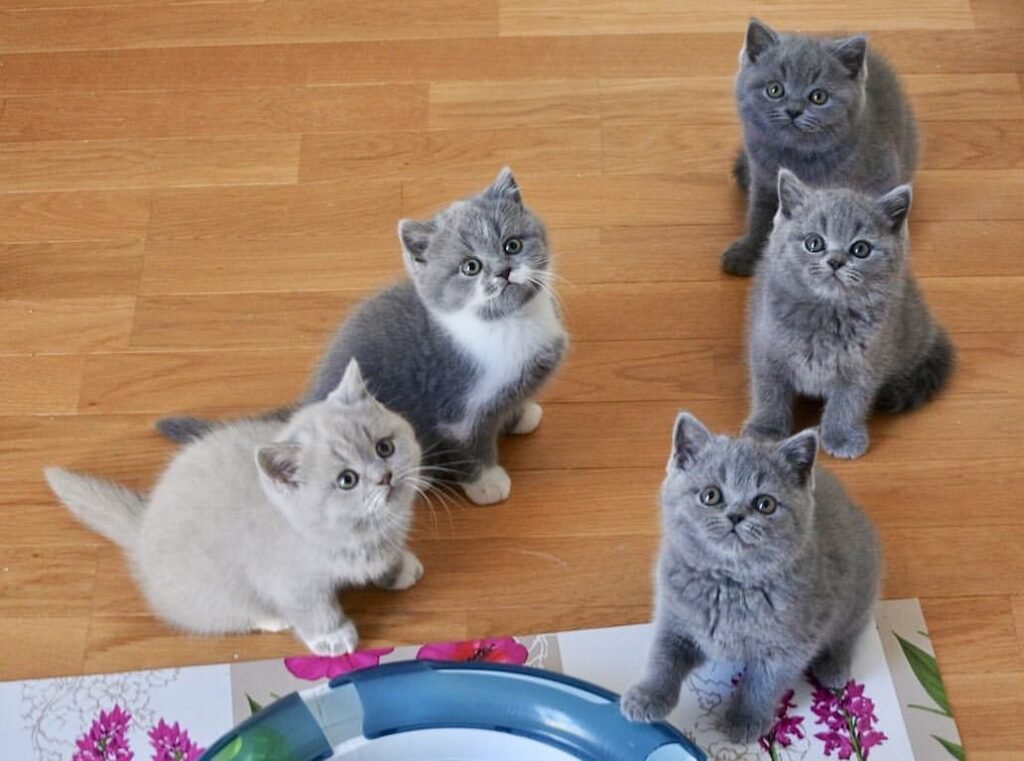
The British Shorthair is a beloved breed known for its round face, dense coat, and gentle temperament, making it a popular choice among cat enthusiasts. As with any pet, understanding the financial commitment involved is essential for prospective owners. This article explores the various factors that influence the price of British Shorthairs, including pedigree, location, and market demand. It will also provide insights into where to find these charming cats, the additional costs associated with their care, and tips for choosing a reputable breeder or considering adoption alternatives. Whether you’re a first-time cat owner or looking to add another feline friend to your family, being well-informed will help you make the best decision for both your budget and your future pet.
Overview of British Shorthair Breed
The British Shorthair is a classic breed known for its robust build, dense coat, and round face. With a history that spans centuries (they were likely the original cats of ancient Britain), these felines are not just beautiful but also packed with personality. They’re like the classic British cup of tea—comforting, sturdy, and always a pleasure to have around.
Physical Characteristics
When you think of the British Shorthair, picture a plush, teddy bear-like cat with a broad head, chunky cheeks, and big, round eyes that seem to hold a whole world of wisdom (or maybe just a craving for treats). They typically sport a thick, dense coat that comes in a variety of colors and patterns, but the iconic “British Blue” is a favorite among fans. And let’s not forget their stocky legs and tail, providing a solid foundation for their formidable pounce!
Temperament and Behavior
British Shorthairs are known for their laid-back demeanor—think of them as the “chill cats” of the feline world. They are affectionate without being clingy, and while they enjoy a good cuddle session, they also appreciate their independence. They’re not the type to race around the house like a tornado; instead, they prefer a leisurely stroll followed by a cozy nap in a sunbeam. Their sweet yet sometimes sassy personalities will keep you both entertained and slightly bewildered.
Common Health Issues
Like any breed, British Shorthairs are susceptible to some health concerns. Potential issues include hypertrophic cardiomyopathy (a heart condition that’s pretty common in cats), obesity (because they’re masters of giving you those “feed me” eyes), and dental problems. Keeping an eye on their diet and regular vet check-ups can help you dodge these health hurdles—after all, a healthy cat is a happy cat!
Factors Influencing British Shorthair Prices
When it comes to the price tag attached to a British Shorthair, it’s not just about how cute they look (although that does count). Several factors can influence their price, turning a simple adoption into a monetary rollercoaster.
Pedigree and Bloodline
As with most purebred animals, pedigree plays a significant role in pricing. Cats from champion bloodlines or with show accolades tend to be more expensive. If you’re thinking, “But my cat doesn’t need to be a star,” remember that a strong lineage can also mean fewer health problems down the road, which could save you some serious cash on vet bills.
Location and Market Demand
Price varies significantly depending on where you live. In urban areas where demand for pets is higher, prices can skyrocket! Conversely, in more rural areas, you might luck out with a more budget-friendly option. Keep an eye on local trends, and don’t be surprised if people are clamoring for those adorable furballs!
Color and Coat Variations
Did you know that certain colors and patterns can also affect price? The classic blue-grey British Shorthair might be the most common and hence, a bit cheaper, while rarer colors like chocolate or cinnamon could force you to loosen your wallet a smidge more. If you’re set on a particular hue, be prepared to shell out a little extra!
Average Price Range for British Shorthairs
So, how much are you looking at if you want to welcome one of these charming cats into your home? Let’s break it down!
Price Comparison: Kittens vs. Adults
Kittens generally come with a heftier price tag than adults, often costing anywhere from $800 to $2,000 depending on pedigree and location. If you’re open to adopting an adult, though, you might find a delightful companion for a more budget-friendly price, often ranging from $500 to $1,500. Plus, you skip the whole “teething” phase, which is a bonus!
Price Differences by Region
As mentioned before, regional differences are real! In the U.S., you may find British Shorthairs priced anywhere from $1,000 to $2,000, while prices in Europe can be a bit lower, often falling between €800 and €1,500. Your geographical location and local demand can significantly sway the cost, so it’s worth shopping around.
Influence of Show Quality vs. Pet Quality
Show-quality British Shorthairs can come with a jaw-dropping price tag due to their top-notch pedigree and adherence to breed standards. These felines could set you back anywhere from $2,000 to $5,000. On the other hand, pet-quality cats, which may have slight deviations from show standards but are still gorgeous and lovable, generally range from $800 to $1,500. It’s all about what kind of cat-parent you want to be!
Where to Buy a British Shorthair
Ready to bring home a British Shorthair? Great choice! But first, you’ll want to know where to find one that’s not just adorable but also healthy and well-cared-for.
Reputable Breeders
The best place to begin your search is with reputable breeders. Look for those who prioritize health testing and socialization. A responsible breeder will gladly show you the kitten’s parents, provide health screenings, and make sure you understand what you’re getting into. After all, adopting a cat is a long-term commitment!
Pet Stores vs. Private Sellers
While pet stores may have British Shorthairs available, proceed with caution. Often, their sourcing practices can be questionable, and the well-being of the cats might not be top priority. Instead, consider private sellers or shelters where you can often find a lovely British Shorthair looking for a home, plus it gives you the chance to rescue a cat in need.
Online Marketplaces and Classifieds
If you’re scrolling through online marketplaces, make sure you do your homework. Check for reviews and don’t hesitate to ask questions! While you might stumble across gems, there are also scams lurking in the shadows. Always verify the seller’s credentials before committing—because you want to bring home a loving pet, not a surprise headache!
Additional Costs of Owning a British Shorthair
Healthcare and Veterinary Expenses
Owning a British Shorthair means embracing not just a delightful furry companion but also the responsibility of their health. Regular vet check-ups, vaccinations, spaying/neutering, and unexpected medical issues can quickly add up. It’s wise to set aside a budget for these expenses, as your cat’s health is not just important; it’s non-negotiable. Plus, nobody wants to face a “surprise vet bill” when their fluffball decides that eating a rubber band is a good idea.
Food and Nutrition Costs
Feeding your British Shorthair a balanced and nutritious diet is essential for their happiness and well-being. High-quality cat food can range from moderately priced to luxury gourmet options—because apparently, our furry friends have developed quite the taste! On average, budget between $30 to $60 a month, depending on your cat’s needs and culinary preferences. And let’s be honest, that’s a tiny price to pay for not being judged by a judgmental little face every time you open the fridge.
Grooming and Maintenance
British Shorthairs have that plush, dense coat that’s as soft as a cloud—if clouds were made of fur and had a tendency to shed. Regular brushing is necessary to keep their coat in tip-top shape and can save you from cat hair tumbleweeds taking over your home. Expect to spend around $10 to $30 a month on grooming tools if you’re DIY-ing it, or a bit more if you’re seeking professional pampering for your royal feline. Remember, a well-groomed cat is a happy cat (and a less hairy sofa).
Tips for Choosing a Reputable Breeder
Questions to Ask Breeders
When you’re ready to take the plunge into British Shorthair ownership, asking the right questions can make all the difference. Inquire about the cat’s lineage, health screenings, and socialization efforts. Questions like, “What health tests do you conduct?” and “Can I meet the kitten’s parents?” not only show you’re serious but also help ensure you’re not being sold a cat with a hidden agenda (like plotting world domination).
Signs of a Responsible Breeder
A responsible breeder should resemble a warm hug in human form—professional yet passionate about their cats. Look for cleanliness in their breeding facility, transparency about their practices, and a willingness to provide health guarantees. If the breeder seems more interested in making a quick sale than in the welfare of their cats, it might be time to walk away (and take your dollars with you)!
Importance of Visiting the Facility
Never underestimate the power of an in-person visit! Meeting the kittens and their environment firsthand helps you gauge the quality of care they receive. Are they raised in a loving space, or a cat version of a factory? A visit can also reveal any red flags, like a sneezing cat colony or an overwhelming smell of… cat. Your future British Shorthair deserves to come from a place where they can thrive, not just survive.
Adoption Alternatives and Their Costs
Rescue Shelters and Their Benefits
Adopting from a rescue shelter is like winning the lottery for both your heart and your wallet. Many rescue organizations have wonderful British Shorthairs looking for a loving home. By adopting, you’re not just saving a life; you’re also avoiding the hefty price tag that often comes with purchasing a purebred. Plus, these cats often come already vaccinated and spayed/neutered—talk about a two-for-one deal!
Cost Comparison: Adoption Fees vs. Purchasing
Adoption fees can range from $50 to $200, while purchasing a British Shorthair can set you back anywhere from $1,500 to $3,000 or more, depending on pedigree and breeder reputation. So if you’re deciding between adopting or buying, it may be worth considering how you can save bucks while still scoring a cuddly companion. Spoiler alert: Your wallet will thank you, and so will your new furry friend!
Understanding Mixed Breed Options
Mixed breed cats can sometimes be the hidden gems of the feline world! They often come with unique personalities and quirks and can exhibit traits from various breeds, including those charming British Shorthair characteristics. Plus, they’re generally friendlier on your budget, and you might even find one who shares a resemblance to their purebred cousins! Just remember, every cat, regardless of the breed, brings its own special kind of magic to your life.
Conclusion: Investing in a British Shorthair
Long-term Commitment and Responsibilities
Bringing a British Shorthair into your life is not just a purchase; it’s an investment in companionship and joy. These adorable furballs can live up to 15 years or more! That means you’re in for a long-term commitment filled with cuddles, playtime, and probably a few “why did I get a cat?” moments. But fret not—every meow is worth it in the end.
Overall Value of British Shorthairs as Pets
Despite the initial financial commitment, British Shorthairs are often worth their weight in gold (or at least catnip). Their affectionate nature, playful demeanor, and low-maintenance grooming make them fantastic companions. So, if you’re ready for a mix of snuggles and shenanigans, investing in a British Shorthair is like adopting a tiny, furry therapist who will always be there to listen (or ignore you, depending on their mood). In the end, you’re not just buying a cat; you’re gaining a loyal friend who will surely steal your heart.In conclusion, investing in a British Shorthair can be a rewarding experience, both emotionally and financially. By understanding the price factors, considering the various costs of ownership, and choosing reputable sources for your new feline friend, you can ensure a happy and fulfilling relationship with your British Shorthair. Whether you decide to adopt or buy from a breeder, being informed will help you make the best choice for you and your future companion.
Frequently Asked Questions
1. What is the average price of a British Shorthair kitten?
The average price for a British Shorthair kitten typically ranges from $1,000 to $2,500, depending on factors such as pedigree, location, and coat color.
2. Are British Shorthairs hypoallergenic?
While no cat is completely hypoallergenic, British Shorthairs are known to produce fewer allergens compared to some other breeds, making them a better choice for individuals with mild allergies.
3. How long do British Shorthairs typically live?
British Shorthairs generally have a lifespan of 12 to 20 years, with proper care, diet, and regular veterinary check-ups contributing to their longevity.
4. Is it better to adopt or buy a British Shorthair?
Both options have their benefits. Adopting a British Shorthair can be more cost-effective and provides a home to a cat in need, while purchasing from a reputable breeder may offer guarantees on health and pedigree. Ultimately, the best choice depends on your individual circumstances and preferences.