
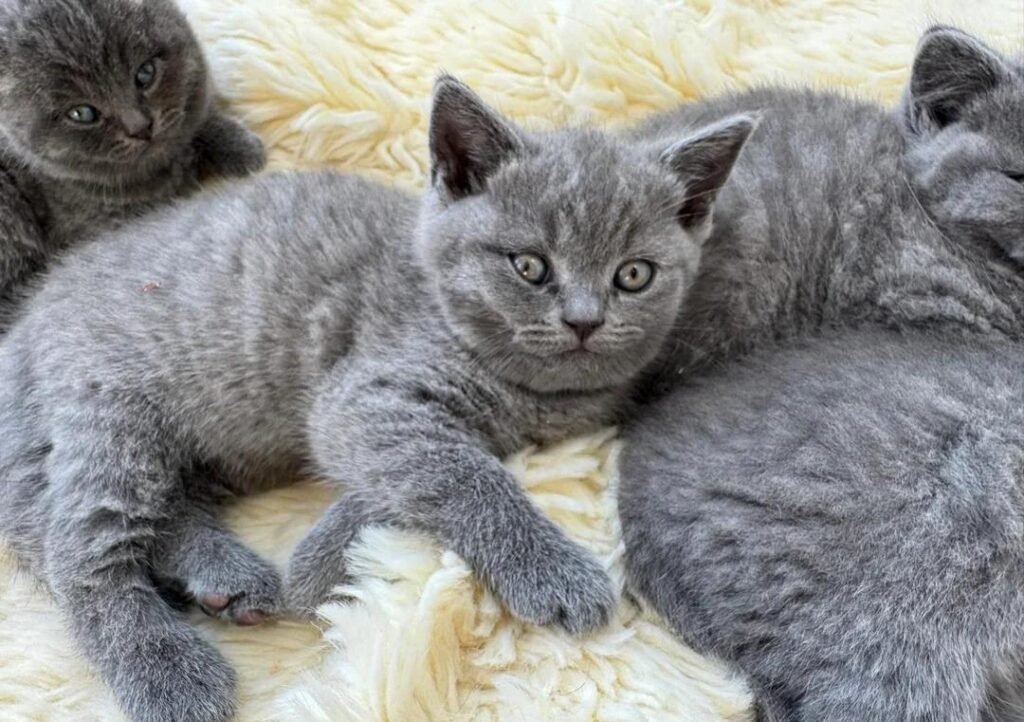
The British Shorthair cat, known for its distinct appearance and charming personality, has become an increasingly popular choice for pet enthusiasts around the world. With their stocky build, plush coat, and large, expressive eyes, these cats are not only visually appealing but also boast a friendly yet independent temperament. If you’re considering adding a British Shorthair to your family, it’s essential to understand the breed’s characteristics, health needs, and the various options for acquiring one. This article will guide you through the essential aspects of finding a British Shorthair cat for sale, ensuring that you make an informed decision that brings joy and companionship into your home.
Overview of British Shorthair Cats
History and Origin
The British Shorthair has a pedigree that traces back to ancient Rome, where they were revered as robust and resilient companions for conquering soldiers. Over centuries, they’ve been perfected into the charming, plush cats we know today, surviving through the 19th-century cat craze in Britain. They not only survived; they thrived, earning a spot in our hearts and on our laps!
Popular Variations and Colors
These cats aren’t just a pretty face; they’re a palette too! The British Shorthair comes in a rainbow of colors, including the classic blue (that’s British for gray), and a variety of patterns like tabby, bicolor, and more. Got a favorite? You’re in luck because there’s a British Shorthair to match every personality and home decor – no judgment here!
Characteristics and Traits
Physical Appearance
British Shorthairs are like the stocky bodybuilders of the cat world. They boast broad heads, chubby cheeks, and dense, plush coats that are as irresistible as a cozy sweater. With their sturdy legs and round, expressive eyes, they pack a whole lot of character into their cuddly frames. Plus, that squishy face could melt even the coldest heart!
Temperament and Behavior
These cats are the quintessential chill companions. Often described as easy-going and affectionate, British Shorthairs are the cool friends who are just as content snuggling with you on the couch as they are enjoying a solo sunbath. They may not be the most demanding pets, but they do appreciate a good chin scratch and will repay you with gentle purring and a few playful antics.
Intelligence and Trainability
If you’re looking for a kitty that can fetch and roll over, you might be in luck! British Shorthairs are smart cookies and can learn tricks with a bit of patience and some tasty treats. While they might not become the next feline superstar, their natural curiosity and ability to grasp simple commands make them a joy to train.
Health Considerations
Common Health Issues
Like any breed, British Shorthairs can have their share of health hiccups. They are genetically predisposed to certain issues, such as hypertrophic cardiomyopathy (HCM) and obesity. But don’t panic! A little awareness goes a long way. Regular check-ups and keeping an eye on their weight can help you avoid turning your fluffy friend into a fluffy bowling ball.
Regular Veterinary Care
Investing in your cat’s health is a no-brainer. Keeping up with routine veterinary visits can catch any potential health problems early on and ensure your British Shorthair stays in tip-top shape. Plus, it gives you an excuse to meet fellow cat lovers in the waiting room – what’s better than bonding over catnip and furballs?
Nutrition and Diet
Feeding your British Shorthair is not just about filling their bowl with kibble and calling it a day. These furry foodies require a balanced diet rich in protein and tailored to their age, activity level, and health needs. A little research on quality cat food can lead you to the magical world of feline nutrition – because a well-fed cat is a happy cat!
Finding Reputable Breeders
Researching Breeder Credentials
Not all breeders are created equal. When searching for a British Shorthair, it’s crucial to check out the breeder’s credentials. Look for someone active in cat organizations, has health screenings, and can provide plenty of references. A responsible breeder is proud of their kittens and will have no problem sharing their pedigree and health history.
Questions to Ask Breeders
When you find a breeder, prepare your best interrogative skills! Ask about their breeding practices, health tests, and what kind of socialization the kittens receive. A good breeder will welcome your questions and should have detailed answers, so you feel confident that you’re bringing home a well-adjusted bundle of fluff.
Visiting the Breeder’s Facility
Don’t skip this step! A visit to the breeder’s facility can tell you a lot about the conditions the cats are raised in. Look for a clean, safe environment where kittens are happy, healthy, and well-cared-for. If the breeder seems hesitant to let you take a peek, that’s a red flag waving faster than a cat chasing a laser pointer!
Price Range and Costs
Initial Purchase Price
The initial price for a British Shorthair cat can range from $800 to $2,000, depending on the breeder’s reputation and the cat’s lineage. If you’re dreaming of a blue-coated feline prince or princess, expect to pay more for those striking features and breed standards. Just like high fashion, a posh pedigree often comes with a hefty price tag!
Ongoing Expenses
Beyond the initial bite out of your wallet, ongoing costs for a British Shorthair can add up. Think about food (premium kitty cuisine, please), routine veterinary care, vaccinations, grooming, and, because they’re basically furry little royalty, any specialty toys or furniture to keep them entertained and comfortable. Budgeting around $50 to $100 a month is a good start; your furry friend deserves it!
Factors Affecting Price
Several factors can affect the price of a British Shorthair. Breeders with an impeccable reputation or those who follow ethical breeding practices will likely charge more. Additionally, factors like age, color variations, and whether they come with fancy papers (aka pedigree certifications) will also impact that price tag. Remember, sometimes you really do get what you pay for—especially when it comes to fluffiness!
Adoption vs. Purchase
Benefits of Adoption
Adopting a British Shorthair can fill your home with warmth—and your heart with joy—while also saving a life. Shelters often have wonderful cats that need forever homes, and adoption fees are typically much lower than buying from a breeder. Plus, many rescues ensure the cats are vaccinated and spayed/neutered before you take them home. Win-win!
Considerations for Buying
Buying from a breeder can give you peace of mind regarding the cat’s health history and temperament. You can often find a kitten that aligns with your specific desires, whether that’s a particular color pattern or personality traits. Just make sure to do thorough research on breeders to ensure they’re reputable and responsible. You don’t want to end up with a kitty on questionable terms; go for the certified fancy feline!
Preparing Your Home for a British Shorthair
Essential Supplies
Before your British Shorthair struts into your life, make sure you’re stocked up on the essentials. Get a litter box (the bigger, the better), high-quality food, a scratching post (because we all need to vent sometimes), and cozy beds. Don’t forget about toys—these little furballs have a playful side that deserves to be celebrated with all the catnip mice your budget allows!
Creating a Safe Environment
Safety first! Ensure your home is cat-proofed by securing loose wires, putting away toxic plants, and keeping windows locked or screened. British Shorthairs love to explore, and you want to avoid any unfortunate “paws” or “claws” incidents. Designate spaces where your new furry friend can lounge, climb, and nap without a care in the world. Bonus points if you can find a sunbeam or two!
Caring for Your British Shorthair Cat
Grooming Needs
British Shorthairs are low-maintenance when it comes to grooming, but they do enjoy a good brush every week to keep their plush coat looking fabulous. Regular brushing reduces shedding and helps prevent hairballs—because no one wants that mess! Plus, grooming can be a great bonding experience—just be prepared for them to act like they own the place (which they probably do).
Exercise and Play
These chubby little bundles of joy do enjoy their playtime! Regular interactive play is essential to keep your British Shorthair healthy and happy. Invest in some feather wands, laser pointers, or puzzle toys to stimulate their minds and keep those paws moving. Just remember to supervise their play; this breed can be a bit mischievous!
Socialization and Interaction
British Shorthairs are known for their calm and gentle demeanor, but they still need socialization and interaction to thrive. Spend time cuddling, petting, or simply being in their presence. They might not be as vocal as some other breeds, but they definitely appreciate your company. After all, you’re the human who provides treats and belly rubs—so get ready to be their favorite! In conclusion, bringing a British Shorthair cat into your home can be a rewarding experience filled with love and companionship. By understanding the breed’s unique characteristics, health considerations, and the best avenues for acquisition, you’ll be well-equipped to make a responsible choice.
FAQ
1. How much does a British Shorthair cat typically cost?
The price of a British Shorthair cat can vary widely based on factors such as the breeder’s reputation, the cat’s pedigree, and geographic location. Generally, you can expect to pay anywhere from $800 to $2,000 or more.
2. Are British Shorthair cats good with children and other pets?
Yes, British Shorthairs are known for their friendly and adaptable nature, making them good companions for children and other pets. However, early socialization is important to ensure they develop positive relationships.
3. Do British Shorthair cats require special grooming?
While British Shorthairs have a dense coat that sheds moderately, they do not require extensive grooming. Regular brushing a few times a week helps reduce shedding and keeps their coat healthy.
4. What is the average lifespan of a British Shorthair cat?
The average lifespan of a British Shorthair cat is typically between 12 to 20 years, depending on factors such as genetics, diet, and overall health care.