
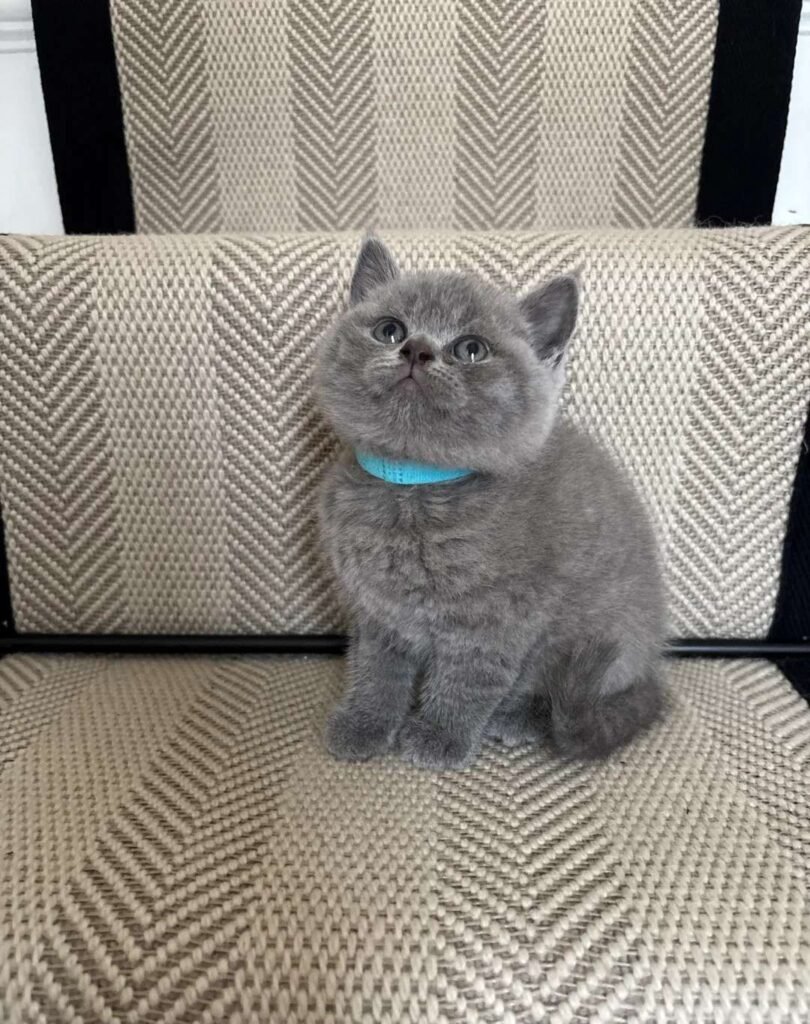
Bringing a British Shorthair kitten into your home is an exciting decision, but it comes with a variety of costs that prospective owners should carefully consider. Known for their charming personalities and plush coats, British Shorthairs have gained immense popularity, leading to a wide range of prices in the market. Whether you are looking to adopt from a shelter or purchase from a reputable breeder, understanding the factors that influence the cost will help you make an informed choice. This article will explore the various aspects of pricing, including initial costs, additional expenses, and budget considerations, ensuring you are well-prepared for the journey of kitten ownership.
Overview of British Shorthair Kittens
History and Characteristics
The British Shorthair is like the cozy sweater of the cat world – reliable, classic, and irresistibly cuddly. Originating in the United Kingdom, these felines can trace their roots back to the Roman conquest of Britain. They were initially bred for their ability to hunt vermin but have since evolved into the charming companions we adore today. With their round faces, plush coats, and stocky bodies, British Shorthairs are as adorable as a kitten can get. Their calm demeanor and playful yet easy-going personality make them perfect for families, singles, and everyone in between.
Popularity and Demand
It’s no surprise that the British Shorthair has become one of the most sought-after breeds in the cat-loving community. With their iconic look and friendly nature, they’ve taken the internet by storm – just search #BritishShorthair on Instagram, and you’ll find an avalanche of fluffy faces. This growing popularity, fueled by social media, means that demand is often higher than supply, which can influence their price. After all, who can resist those big, round eyes?
Factors Influencing the Cost
Pedigree and Lineage
Like a cat-ified version of ancestry.com, a kitten’s pedigree can significantly influence its price. Kittens descended from award-winning show cats or reputable lineage often carry a higher price tag. If you’re looking to bring home a kitten with a lineage fit for royalty, be prepared to dig a little deeper into your pockets. But remember, just because a kitten has a fancy genealogy doesn’t mean they’ll be the life of the party!
Health and Vaccination Status
A healthy kitten is a happy kitten, and one that’s up to date on vaccinations is worth its weight in gold. Responsible breeders invest time and money into the health of their kittens, which can be reflected in the price. If a breeder provides a clean bill of health, it’s not just a good sign but a reassuring one as well. After all, who wants to be saddled with hefty vet bills on top of the initial cost?
Age and Development Stage
Kittens are undeniably cute, but their age can also impact their cost. Younger kittens (typically under 12 weeks) tend to be pricier, mainly due to the extensive care they require, as well as the “cute factor.” However, as they grow, their prices may drop. If you prefer a more independent feline, older kittens and adult cats might save you some cash and even come with established personalities (less guesswork required!).
Prices from Reputable Breeders
Average Cost Range
When it comes to pricing, British Shorthair kittens can range anywhere from $1,000 to $2,500 or more. Factors like color (those blue-gray fur babies are especially trendy) and breeder reputation can push the costs even higher. Remember, if a deal seems too good to be true, it probably is! You wouldn’t buy a cheap handbag in a dark alley, would you?
What to Expect from a Responsible Breeder
Expect a responsible breeder to be as invested in your new feline friend as you are. They should provide health clearances, be open about the kitten’s lineage, and encourage visits to meet the kitten’s parents. If they offer to chat about their breeding practices over a nice cup of tea – bonus points! A reputable breeder will also be happy to provide the kitten’s vaccines and health records, ensuring that you’re not leaving their cozy nest empty-handed.
Adoption and Rescue Options
Cost of Adoption vs. Buying from Breeders
Adopting a British Shorthair from a shelter or rescue group can be a bargain compared to buying from a breeder. Adoption fees can range from $50 to $300, which typically covers vaccinations, spaying/neutering, and sometimes even a little starter kit for your new buddy. While the upfront cost is lower, the love and companionship you gain is priceless. Just think of it this way: you’re saving a life and getting an adorable companion all at once!
Finding Reputable Shelters
When on the hunt for a British Shorthair to adopt, make sure to seek out reputable shelters and rescue organizations. Check their online reviews, ask other cat lovers, and see if they have partnerships with local veterinarians. Many shelters have websites showcasing cats available for adoption, so you can scroll through heart-melting photos while sipping your coffee. Remember, every adoption is a win!
Additional Expenses of Owning a British Shorthair
Food and Nutrition Costs
Feeding your British Shorthair isn’t as simple as tossing them a can of generic cat food and calling it dinner. These charming chonkers thrive on high-quality, protein-rich diets to keep their lustrous coats and playful temperaments in tip-top shape. Expect to spend anywhere from £20 to £60 a month on premium cat food—because let’s face it, you wouldn’t want to eat bland kibble yourself, would you?
Routine Vet Care
Just like your yearly trip to the dentist (that you probably dread), your British Shorthair will need regular vet check-ups, vaccinations, and preventative treatments. Factor in annual vaccinations, flea treatments, and the occasional unexpected procedure, and you might find yourself shelling out between £100 to £300 annually. Don’t forget—your kitty’s health is worth every penny, even if they think your lab coat makes you look like a mad scientist.
Supplies and Accessories
Your new kitten will need a whole arsenal of supplies, including litter boxes, scratching posts, toys, and cozy beds. While it’s tempting to go all out and buy the fanciest cat tower that doubles as a spaceship, remember that you can also find plenty of affordable options. On average, expect to spend around £100 to £200 initially on supplies, with some more indulgent purchases (looking at you, catnip-infused feather toys) popping up now and then.
Geographic Price Variations
Urban vs. Rural Pricing
Kitten costs can vary wildly depending on where you live. If you’re in a bustling city, prepare to pay a premium not just for the kitten itself, but for everything else—think food, supplies, and even that overpriced vet nearby that charges you extra for the “urban experience.” Rural areas, on the other hand, may offer lower prices, but the vet choices might be slimmer. It’s a cat-and-mouse game of budgeting; just remember, all roads lead to kitty chaos.
Regional Breeder Differences
Different regions may also boast differences in breeder pricing. Some breeders in London may charge a king’s ransom for their royal British Shorthairs, while a breeder in the countryside might offer kittens for a more budget-friendly price. It’s crucial to research breeders in your area—you want to make sure you’re getting a healthy kitten from a reputable source, rather than just the nearest one who looks like they might know what a cat is.
Tips for Budgeting for a New Kitten
Initial Setup Costs
When budgeting for your new furry friend, start by listing all initial setup costs. This includes the kitten’s adoption fee, vaccinations, spaying/neutering, food, litter, and all those cute toys you’ll probably end up buying (after all, you can’t resist a whiskered face peeking out from a cardboard box!). Aim for a budget of around £300 to £700 to cover all initial expenses, depending on your purchasing choices and local prices.
Ongoing Monthly Expenses
Once you’ve settled in with your new fluffball, be prepared for those creeping monthly expenses. From food to litter and routine vet visits, budget around £70 to £150 a month. It may seem like quite the commitment, but keep in mind that your British Shorthair’s snuggles and daily antics are priceless (even if they may decide to knock over your favorite mug once in a while).
Conclusion and Final Thoughts
Making an Informed Decision
Committing to a British Shorthair is not just about the initial cost; it’s about being prepared for a lifetime of companionship, snuggles, and occasional cat-tastrophes. Before bringing one home, ensure you’ve done your homework on costs, care, and the type of lifestyle you can provide. After all, kitties have a knack for knowing when they’re truly loved—and when they’re just a credit card transaction.
Long-term Considerations for Prospective Owners
Owning a British Shorthair means planning for the long haul. These lovely kitties can live up to 15 years or more, so consider the long-term financial commitment. Make sure you’re ready not just for the prices, but for the love and joy they’ll bring into your life. Embrace the adventure, the purring, and perhaps becoming an amateur cat photographer, because your new best friend is worth every penny spent! In conclusion, the cost of a British Shorthair kitten can vary significantly based on factors such as breeder reputation, geographic location, and additional expenses associated with care.
Frequently Asked Questions
What is the average price of a British Shorthair kitten?
The average price for a British Shorthair kitten typically ranges from $1,000 to $3,000, depending on factors such as breeder reputation and kitten pedigree.
Are there cheaper options for getting a British Shorthair?
Yes, adopting from shelters or rescue organizations can provide a more affordable option, often ranging from $200 to $600, although purebred kittens may be less common in these settings.
What additional costs should I anticipate after purchasing a kitten?
Additional costs include food, veterinary care, vaccinations, spaying/neutering, litter, and other supplies, which can add up to several hundred dollars annually.
How can I ensure I am purchasing from a reputable breeder?
Research breeders thoroughly, ask for references, visit the breeding facility, and check for health clearances and documentation for the kitten’s lineage to ensure you are dealing with a responsible breeder.