
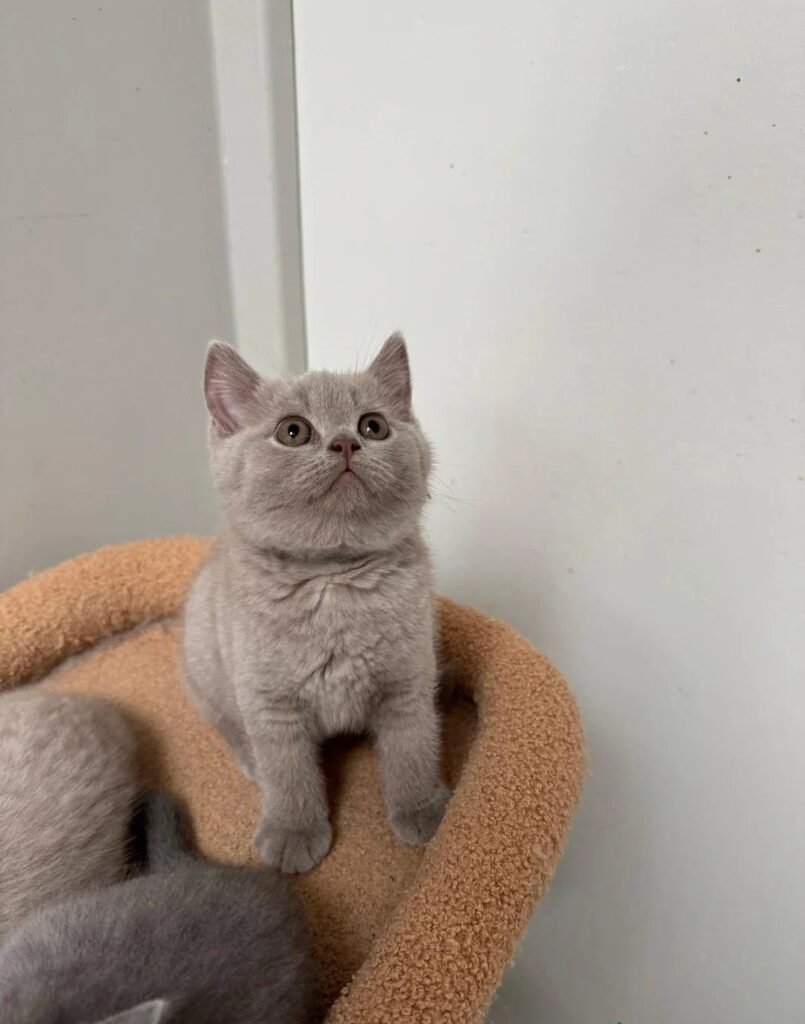
The Lilac British Shorthair is a stunning and affectionate breed known for its distinctive soft lavender-gray coat and round, expressive face. With a charming personality that blends playfulness with a calm demeanor, these cats have captured the hearts of feline enthusiasts around the world. As a variant of the British Shorthair, they possess the same robust build and friendly nature, making them ideal companions for families and individuals alike. This article delves into the unique characteristics, care requirements, and history of the Lilac British Shorthair, providing valuable insights for both current and prospective cat owners.
Overview of the Lilac British Shorthair
Definition and Breed Standards
The Lilac British Shorthair is a delightful variation of the classic British Shorthair breed, distinguished by its unique lilac color. As a member of the British Shorthair family, it adheres to the breed standards set by various cat associations, which emphasize a sturdy, muscular build, round face, and plush, dense coat. The lilac coloration itself is a soft, muted fawn with subtle pinkish undertones, making these cats look like a living pastel artwork. They are known for their calm demeanor, making them great companions.
Distinctive Coloration
The lilac hue is what truly sets this breed apart. Imagine the color of a dusky sunset or a soft lavender field—this is what you get with a Lilac British Shorthair. Unlike traditional gray, this color is lighter and more muted, often described as “milk chocolate” with a silvery sheen. The coat’s beauty lies in its consistency across the body, as there should be no spots or stripes—just rich, even color that makes you want to reach out and pet them (a totally normal reaction, by the way).
Physical Characteristics
Body Structure and Size
Lilac British Shorthairs are solidly built, boasting a muscular frame that gives them an air of strength and confidence. They typically weigh between 9 to 17 pounds, depending on age and gender, with adult males generally tipping the scales heavier than females. Their broad heads, short necks, and thick legs all contribute to a robust appearance, while their rounded bodies add an extra dose of cuteness. Think of a fluffy nugget with tiny paws—that’s the vibe we’re going for!
Coat Texture and Color
The coat of the Lilac British Shorthair is one of its standout features. It’s short yet incredibly dense, giving a plush and velvety feel that practically begs for petting. The coat’s texture is designed for comfort and warmth, perfect for those chilly evenings at home. Regular grooming helps maintain its lovely appearance, preventing matting while ensuring that you get to enjoy the delightful sensation of stroking that luxurious fur.
Eye Color and Facial Features
With their round faces and chunky cheeks, Lilac British Shorthairs are as cute as a button—if buttons could be irresistibly fuzzy and have captivating eyes. Their large, copper or gold eyes stand out against the softer lilac coat, creating a lovely contrast that draws you in. These cats have a sweet, open expression that exudes warmth and charm, making it nearly impossible not to smile when you see one.
Temperament and Personality Traits
General Disposition
Lilac British Shorthairs are known for their easygoing and laid-back personalities. They aren’t overly demanding or prone to sudden bursts of energy—think of them as the chill friends of the cat world. They enjoy a good cuddle but also appreciate their solo time, making them the perfect companions for those who enjoy a relaxed feline presence in their lives.
Socialization and Interactions
These cats are quite sociable but don’t require constant attention. They tend to get along well with children and other pets, proving to be both adaptable and friendly. They’ll likely want to be part of family activities but won’t hover like an eager child asking for snacks. Their amiable nature makes them excellent companions for families and individuals alike.
Playfulness and Activity Levels
While not the most hyperactive of breeds, Lilac British Shorthairs do enjoy playtime and can be surprisingly sprightly when the mood strikes. They’re fond of interactive toys and games that challenge their wits, and a good play session can be the highlight of their day. However, they balance their playful moments with substantial lounging—what can we say? They are experts in the fine art of relaxation.
Care and Maintenance Requirements
Feeding and Nutrition
To keep your Lilac British Shorthair in tip-top shape, a well-balanced diet is crucial. High-quality cat food that’s rich in protein is essential for maintaining their muscular physique. Monitor their food intake to prevent weight gain, as these cats can sometimes become couch potatoes. A proper feeding schedule, along with occasional treats (because who doesn’t love snacks?), will keep their spirits high and their health in check.
Grooming Needs
Thanks to their short, dense coats, Lilac British Shorthairs require moderate grooming. A weekly brush should suffice to remove loose hairs and keep that delightful coat looking its best. They are generally low-maintenance when it comes to grooming, but regular checks for ear debris and dental care are also essential. Plus, everyone loves a good spa day, right?
Exercise and Mental Stimulation
While they aren’t the most energetic of felines, Lilac British Shorthairs still need regular exercise to keep their minds sharp and bodies fit. Interactive play sessions with feather toys or laser pointers can provide necessary stimulation. Additionally, a cozy cat tree for climbing and lounging will give them the chance to stretch those muscles and satisfy their natural instincts. Remember, a happy cat makes for a happy home!
Health Considerations
Common Health Issues
Lilac British Shorthairs are generally robust, but like any breed, they can face certain health challenges. Common issues include hypertrophic cardiomyopathy (HCM), a condition that affects heart muscles, and obesity, which can sneak up on these laid-back felines. Regular vet check-ups can help keep an eye on these potential problems—think of it as their version of a spa day!
Routine Veterinary Care
Maintaining your lilac fluffball’s health involves regular visits to the vet for vaccinations, dental cleanings, and overall check-ups. It’s typically recommended to schedule these visits at least once a year. Just imagine them in a tiny lab coat, giving you the stink eye while they get weighed.
Signs of Illness to Watch For
Being attentive to your kitty’s behavior is key. Keep an eye out for changes such as a loss of appetite, excessive grooming, lethargy, or any unusual vocalizations. If your lilac British Shorthair starts acting like a drama queen (more than usual), it might be time for a vet visit.
History and Origin of the Breed
Development of the British Shorthair
The British Shorthair has roots that trace back to ancient Rome, where they were bred for their hunting prowess and resilience. Over the years, they evolved into the adorable, chubby-cheeked companions we know and love today, with a reputation for their easygoing nature and stubborn streaks that would make a mule envious.
Introduction of the Lilac Color
Lilac is a relatively recent addition to the British Shorthair color palette. This soft, muted shade emerged around the late 20th century, thanks to careful breeding aimed at enhancing color variations. The lilac coat beautifully complements their round faces, making them look like perfect little cotton candy clouds.
Recognition by Cat Registries
The lilac British Shorthair has gained recognition from numerous cat registries, including the International Cat Association (TICA) and the Cat Fanciers’ Association (CFA). They strut their stuff in cat shows, where their adorable looks and charming personalities earn them plenty of fans—because who can resist that mug?
Popularity and Cultural Impact
Presence in Media and Pop Culture
From Instagram influencers to cat memes, the lilac British Shorthair has made quite the splash in media and pop culture. Their round faces and plush coats have inspired countless adoring fans, and they frequently appear in commercials and movies, often stealing the show (and perhaps a few hearts along the way).
Growing Popularity in Households
As more people seek out affectionate and easygoing companions, the lilac British Shorthair has been climbing the popularity charts. Their friendly demeanor and striking looks make them ideal family pets, leading to a surge of new lilac owners who are discovering the joys of fuzzy snuggles and quirky antics.
Tips for Prospective Owners
Choosing a Responsible Breeder
When looking for your future furry friend, it’s crucial to choose a responsible breeder. Look for someone who prioritizes health testing, socialization, and ethical breeding practices. A good breeder should be happy to answer your questions and show you that their kittens are raised in a loving environment—basically, if they don’t offer you cookies during the visit, reconsider.
Adoption vs. Buying
Consider adopting from a shelter or rescue organization before heading to a breeder. Many lovable cats are looking for homes, and you might just find a lilac British Shorthair in need of a second chance. Plus, adopting can be a way to score major karma points—win-win!
Preparing Your Home for a Lilac British Shorthair
Before bringing your lilac buddy home, make sure your place is cat-proofed. Hide away any toxic plants, secure loose wires, and invest in scratching posts and cozy beds. A little preparation goes a long way in ensuring your home is a cat haven, complete with plenty of sunny spots for those epic napping sessions.
Frequently Asked Questions
1. How much exercise does a Lilac British Shorthair need?
Lilac British Shorthairs are moderately active cats that enjoy playtime and mental stimulation. Daily interactive play sessions of 15-30 minutes, along with some climbing opportunities, can help keep them fit and happy.
2. Are Lilac British Shorthairs good with children and other pets?
Yes, Lilac British Shorthairs are known for their friendly and tolerant nature, making them great companions for children and other pets. Early socialization can help them adjust better to various households.
3. What is the typical lifespan of a Lilac British Shorthair?
On average, Lilac British Shorthairs can live between 12 to 15 years, with proper care, nutrition, and regular veterinary check-ups contributing to their overall health and longevity.
4. Do Lilac British Shorthairs have any specific health issues?
Like all breeds, Lilac British Shorthairs can be prone to certain health issues, including obesity, hypertrophic cardiomyopathy, and dental problems. Regular vet visits and a balanced diet can help mitigate these risks.