
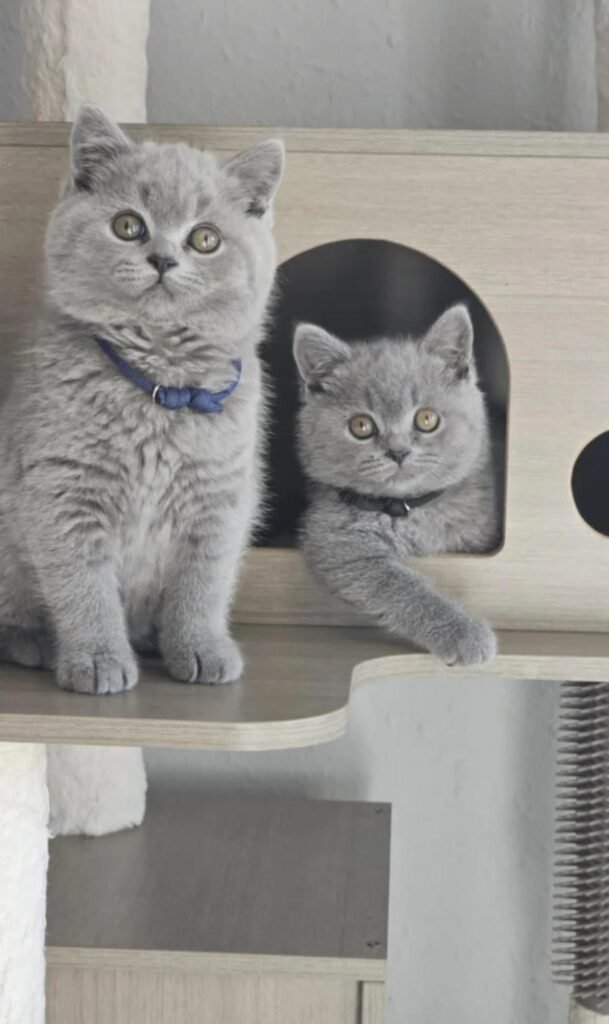
Finding the perfect British Shorthair kitten can be an exciting yet challenging journey for prospective cat owners. Known for their distinctive appearance, friendly demeanor, and adaptability, British Shorthairs have captured the hearts of many. However, the process of locating a reputable breeder and ensuring a smooth transition for your new furry friend requires careful consideration and planning. This article aims to unlock the mystery of finding local British Shorthair kittens for sale, providing valuable insights into the breed, tips for choosing a responsible breeder, and essential advice for welcoming a new kitten into your home. Whether you’re a seasoned cat owner or a first-timer, this guide will help you navigate the process with confidence and ease.
1. Understanding the British Shorthair Breed
1.1 History and Origins
The British Shorthair is like the royal family of cats—old, distinguished, and beloved by many. This breed dates back to the Roman conquest of Britain, where they were revered for their strong bodies and hunting skills. Over the years, they’ve become the poster kitties of British culture, famously depicted in cartoons and literature. Just think of them as the fluffy aristocrats of the feline world, sipping tea and knitting by the fire… okay, maybe not that last part, but you get the idea.
1.2 Physical Characteristics
With their round faces, dense coats, and stocky frames, British Shorthairs are like the teddy bears of the cat kingdom. They have wide, expressive eyes—often in shades of copper or gold—and muscular bodies that give them a sturdy appearance. Their coat comes in a variety of colors, but the classic blue (grey) is the one that steals the show. Think of them as living, breathing plush toys that you’re absolutely encouraged to cuddle.
1.3 Personality Traits
British Shorthairs are known for their calm and easygoing personalities. They’re not the hyperactive party animals of the cat world, preferring to observe the goings-on around them from their favorite sunny spot. These cats are affectionate but not overly needy, making them perfect companions for busy families or individuals. They have a quirky sense of humor and love to engage in playful antics, reminding you that life is too short to take seriously—especially when there’s a laser pointer involved.
2. Benefits of Owning a British Shorthair
2.1 Temperament and Companionship
If you’re looking for a cat that won’t judge you for marathoning your favorite TV show, the British Shorthair is your go-to companion. Their friendly, even-tempered nature makes them a joy to have around. They’re naturally social, so they thrive on interaction with their humans—think of them as your personal cheerleader, minus the pom-poms. Need a listening ear? They’ve got that covered too, though they may be more of a purring pillow than an advice columnist.
2.2 Low Maintenance Grooming
One of the perks of owning a British Shorthair is their low-maintenance grooming routine. Their dense, plush coat requires minimal brushing—think of it as an excuse to bond over some quality couch time. A quick weekly brush will do the trick to keep them looking fabulously feline without all the drama of a salon appointment. You won’t need to schedule a cat spa day every week—unless, of course, you want to spoil them (which we wholeheartedly support).
2.3 Adaptability to Different Lifestyles
British Shorthairs are the chameleons of the cat world, effortlessly adapting to various living situations. Whether you live in a cozy apartment or a sprawling house, they’ll find their niche. They enjoy a good play session but also appreciate downtime, making them ideal for busy professionals who want a furry friend without constant chaos. They’ll be there to greet you after a long day, reminding you that life is always better with a bit of cat love.
3. Where to Find Local Breeders
3.1 Online Resources and Listings
In today’s digital age, finding a British Shorthair kitten is almost as easy as ordering takeout. Websites like the Cat Fanciers’ Association or local breed clubs often have listings for reputable breeders. A quick online search will lead you down a rabbit hole of breeder directories where you can filter by location. Just remember to do your homework—like reading reviews and comparing prices— before you fall in love with that cute little furball in the pictures.
3.2 Local Pet Shows and Expos
If you’re the kind of person who enjoys mingling with fellow cat enthusiasts while surrounded by adorable kitties, local pet shows are a goldmine. These events often showcase various breeds, including British Shorthairs. You can chat with breeders, pet a few cats, and soak in all the fluffy goodness. Plus, it’s a great way to meet local breeders and potentially snag some insider info about upcoming litters—just don’t forget your camera!
3.3 Recommendations from Veterinary Clinics
Your local veterinarian is like a trusted friend who knows the scoop. They often have connections with reputable breeders or may even have recommendations based on their experience with previous clients. So, next time you’re at the vet for a check-up, don’t hesitate to ask about where to find your future British Shorthair. They might just point you to your new best friend or at least someone who knows where to find one.
4. Assessing Breeder Reputation and Ethics
4.1 Checking Breeder Registrations
Before committing to a breeder, it’s essential to verify their credentials. Look for breeders who are registered with recognized organizations like The International Cat Association (TICA) or The Cat Fanciers’ Association (CFA). These affiliations signal a commitment to ethical breeding practices and adherence to breed standards—so you can feel confident that your future kitty comes from a good home and a responsible background.
4.2 Visiting Breeder Facilities
Nothing beats a firsthand look at the breeding facility. Schedule a visit to meet the kittens and see where they’re raised. A reputable breeder will be more than happy to show you around and let you observe how they care for their cats. Pay attention to cleanliness and the overall environment—big red flags include cramped spaces or unhealthy-looking animals. Remember, you want a kitten that’s not only adorable but also well cared for.
4.3 Asking the Right Questions
When talking to breeders, channel your inner detective and ask lots of questions. Inquire about health screenings, socialization practices, and the kitten’s background. A reputable breeder will be open and transparent, ready to share insights about their breeding philosophy and the care they provide. It’s also a good opportunity to gauge their passion for the breed—if they don’t light up when talking about their kittens, it’s time to move on to another contender. After all, your future fluffy friend deserves the best!
5. Preparing Your Home for a New Kitten
5.1 Essential Supplies and Equipment
Before your adorable British Shorthair arrives, you’ll want to stock up on some crucial supplies. Grab a cozy bed for lounging and snoozing, a litter box (because every kitty deserves a private throne), food and water bowls (preferably stylish to match your décor), and high-quality kitten food to keep them healthy and happy. Don’t forget the toys—wand toys and balls will keep them entertained and out of trouble (mostly).
5.2 Creating a Safe Environment
Safety first! Kitten-proof your space as if you’re preparing for a tiny tornado. Hide away any toxic plants, secure loose wires, and stash away anything you don’t want to be turned into a chew toy. Set up a quiet area away from sudden noises where your kitten can retreat when feeling overwhelmed (think of it as their personal spa). Also, ensure windows and balconies are kitten-safe; you wouldn’t want your new fluffball practicing their parkour skills!
5.3 Introducing the Kitten to Your Home
Once your kitten steps through the door, resist the urge to smother them with hugs (at least not immediately). Allow them to explore at their own pace. Start by confining them to one room with their supplies until they’re comfortable, then gradually let them explore more of the house. Supervise their galactic adventures to keep them safe, and offer plenty of treats and praise—who doesn’t love a little encouragement?
6. Costs Associated with Purchasing a British Shorthair
6.1 Initial Purchase Price
First things first, let’s talk money. The initial price for adopting a British Shorthair can vary, generally ranging from £800 to £2,500, depending on pedigree, breeder reputation, and location. Remember, a higher price tag often means a reputable breeder and a kitten raised in a loving environment. Worth every penny, if you ask us!
6.2 Ongoing Care and Veterinary Expenses
Once your fuzzy buddy is home, the costs keep rolling in. Regular vet checkups, vaccinations, and preventive treatments can add up quickly. Budget for annual health checks, which can be anywhere from £100 to £300, plus food, litter, and unexpected surprises (like that time they thought the spaghetti was a toy). It’s a good idea to set aside a little more money each month to ensure you’re fully prepared for their ongoing needs.
6.3 Budgeting for Unexpected Costs
Let’s face it—cats can be unpredictable. From surprise vet visits due to a sudden case of the zoomies to accidental chew-through of your phone charger, it’s essential to budget for those unexpected expenses. Set aside a small emergency fund (like a kitty “rainy day” jar) to help cover these surprises. After all, who wants to stress about finances when you could be lounging with your British Shorthair instead?
7. Tips for a Successful Adoption Process
7.1 Assessing Compatibility with Your Lifestyle
Before you bring home your new furry friend, take a moment to reflect on your lifestyle. British Shorthairs are sociable and enjoy companionship, so make sure your schedule allows for playtime and snuggles. If you’re away often, consider adopting a pair so they can entertain each other—or choose a cactus instead (just kidding)!
7.2 Understanding the Adoption Contract
Adoption contracts can seem like legalese strung together by a cat-loving lawyer, but they’re crucial. Read the fine print regarding health guarantees, spaying/neutering agreements, and return policies. Understanding these terms will help you ensure you’re both on the same page and ultimately result in a more harmonious home (and fewer awkward situations down the line).
7.3 Preparing for the Transition Period
The transition from shelter to home can be overwhelming for a kitten. Prepare for a few days (or weeks) of adjustment. Keep things calm and quiet initially, using soft voices and gentle petting to help them adjust. Give them time to settle into their new space—think of it like moving into a new apartment, but with fur and purring instead of mixed paint colors and lampshades. Patience is key, and soon they’ll be ruling your kingdom!
8. Caring for Your New British Shorthair Kitten
8.1 Nutrition and Feeding Guidelines
Feeding your kitten a balanced diet is vital to their growth and energy levels. Opt for high-quality kitten food that’s rich in proteins, vitamins, and minerals (because we’re raising a future feline superstar, not a couch potato). Follow the feeding guidelines on the packaging and consider splitting their meals into smaller portions throughout the day—kittens are like little chefs who need a tasting menu!
8.2 Health and Wellness Checkups
Routine vet visits are essential for keeping your kitten in tip-top shape. Schedule those first vaccinations, regular checkups, and parasite prevention treatments. Your vet will help you establish a health plan, ensuring your kitten starts off on the right paw. Plus, you’ll wanna keep that adorable little face healthy for all the Instagram photos!
8.3 Grooming and Care Tips
British Shorthairs have a short, dense coat that doesn’t require excessive grooming, but they appreciate a good brush now and then. Regular brushing helps reduce shedding and keeps their coat shiny. Also, don’t forget to check those adorable ears and keep those claws trimmed. Your kitten will thank you for the spa treatment (and you’ll thank yourself for avoiding being turned into a scratching post)!In conclusion, bringing a British Shorthair kitten into your life can be a rewarding experience filled with joy and companionship. By following the guidance provided in this article, you can ensure that you find a reputable breeder and prepare your home for your new feline friend. Remember to invest time in understanding the breed’s unique characteristics and needs, as this will lead to a harmonious and fulfilling relationship. With the right preparation and care, your British Shorthair will become a cherished member of your family for years to come.
Frequently Asked Questions
1. How much do British Shorthair kittens typically cost?
The price of British Shorthair kittens can vary widely, typically ranging from $1,000 to $2,500 depending on factors such as the breeder’s reputation, the kitten’s lineage, and geographical location.
2. What should I look for in a reputable breeder?
A reputable breeder should provide health clearances for the kittens, allow you to visit their facility, and be willing to answer any questions about their breeding practices and the kitten’s upbringing.
3. Are British Shorthairs suitable for families with children?
Yes, British Shorthairs are generally known for their gentle and friendly temperament, making them a good choice for families with children. They are typically patient and tolerant, which helps them adapt well to a busy household.
4. How can I help my new kitten adjust to their new home?
To help your new kitten adjust, set up a quiet, comfortable space with their essentials, gradually introduce them to other areas of your home, and give them time to explore and settle in without overwhelming them.