
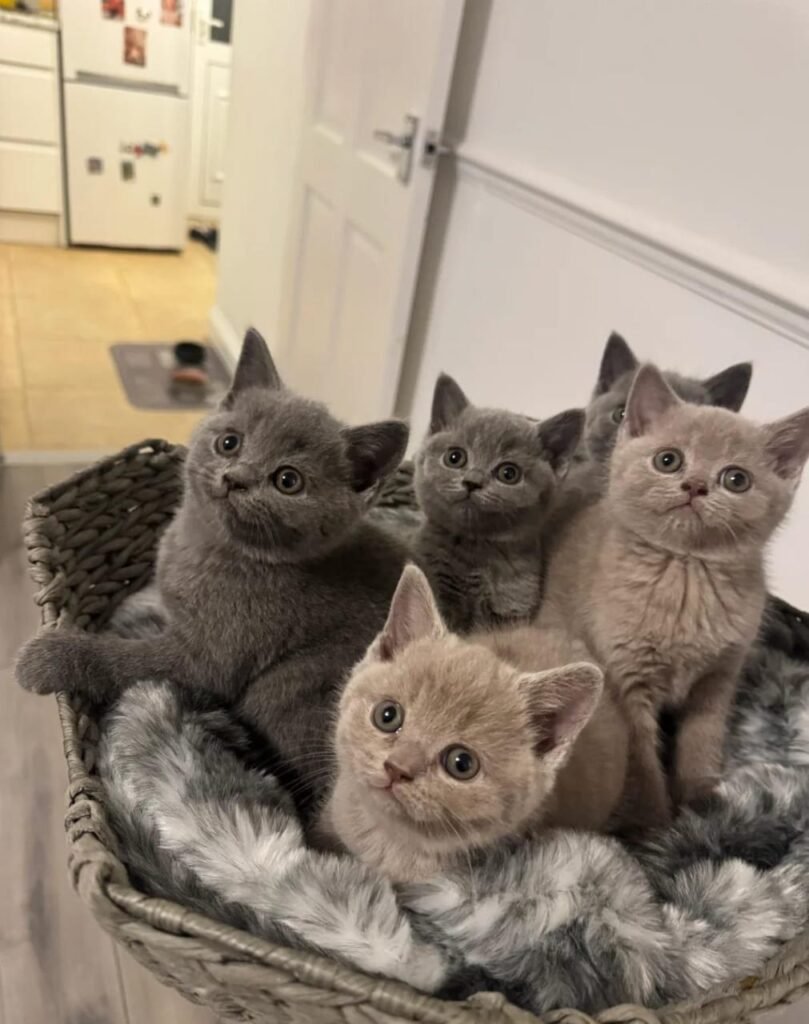
Bringing a British Shorthair kitten into your home can be a rewarding and joyful experience. However, prospective pet owners should carefully consider the various costs associated with raising a kitten before making the commitment. From the initial purchase price and essential supplies to ongoing veterinary care and unexpected expenses, understanding the financial implications is crucial for ensuring a happy and healthy life for your new feline companion. In this article, we will break down the costs of raising a British Shorthair kitten, providing insights to help you budget effectively and prepare for this long-term responsibility.
1. Understanding the Initial Purchase Cost
Types of Breeders and Their Pricing
When it comes to bringing a British Shorthair kitten into your home, the initial purchase cost can vary significantly based on the type of breeder. Reputable breeders, those who prioritize health and socialization, usually charge between £800 to £2,000. This price tag often includes health screenings and a dollop of love. On the other hand, backyard breeders may offer lower prices, but you might want to investigate what you’re getting into—think of it like dating; you don’t want to swipe right on just anyone!
Adoption Fees from Shelters
If you’re leaning towards giving a home to a kitten in need, adoption is a fantastic option! Adoption fees from shelters can range from £50 to £200, often including vaccinations and spaying/neutering. While you might not get the pedigree papers that come from a breeder, you definitely gain the satisfaction of knowing you’ve saved a life. Plus, you’ll get a kitten who is just as cute, if not cuter, than any purebred!
Variations in Price Based on Coat Color and Pedigree
Believe it or not, the color of your kitten’s coat can impact its price—especially in purebred circles. Rare colors like the elusive “blue” (which is basically a fancy way of saying gray) may come with a higher price tag. Additionally, kittens with a solid pedigree, complete with champion lineage, can cost a pretty penny. So, if you’re set on that unique shade or fancy lineage, be prepared to dig a little deeper into your pockets!
2. Essential Supplies and Equipment
Basic Necessities for Your Kitten
Before your new feline friend arrives, make sure you have a few basic supplies lined up. You’ll need food and water bowls, a scratching post (because claws vs. furniture—furniture never wins), a cozy bed, and, of course, a litter box. Budget around £100-£200 for these essentials to ensure your kitten feels right at home instead of like a visitor crashing at your place.
Choosing the Right Litter and Litter Box
Ah, the litter box—a kitty’s throne! Choosing the right one is crucial. You’ll want a box that’s easy to access and clean. As for litter, you can opt for clumping, non-clumping, or even biodegradable options. Prices range from £5 to £20, depending on brand and type. Just remember, your kitten will have strong opinions on this matter—expect a few judgmental stares if you choose poorly!
Importance of Toys and Enrichment
Kittens are like furry tornadoes of energy. To keep their little minds occupied (and your furniture intact), a variety of toys is essential. Invest in interactive toys, scratching pads, and maybe even a feather wand or two. Budget around £50-£100 for toys because you’ll quickly learn that boredom is the enemy of good behavior. Plus, your kitten will thank you by giving you the privilege of watching their adorable antics!
3. Routine Veterinary Expenses
Initial Health Checks and Vaccinations
Just like our yearly check-ups, kittens need some TLC from a vet, especially in their first year. An initial health check and vaccinations can set you back around £100-£200. It’s an investment in your kitten’s future (and your peace of mind), so don’t skimp on this important step, unless you enjoy worrying.
Spaying/Neutering Costs
Spaying or neutering is typically recommended to prevent unwanted litters and various health issues. This procedure usually costs between £100 and £300, depending on the clinic and whether you go for the “all-inclusive” spay/neuter package. Remember, this is a one-time cost that saves you potential heartache (and many, many kittens) down the line!
Annual Check-Ups and Preventative Care
After the initial health checks, don’t forget about annual vet visits. Routine check-ups, vaccinations, and preventative medications (like flea treatments) will average around £100-£150 per year. Consider this peace of mind insurance for your furry companion—it’s way cheaper than an unexpected cat emergency. Plus, this is a great chance for your kitten to make all those cat-loving vet staff fawn over them!
4. Food and Nutrition Costs
Choosing the Right Diet for British Shorthairs
British Shorthairs are known for their stocky build and robust appetites. Selecting the right diet is essential for their health and happiness. Look for high-quality, protein-rich foods specifically formulated for kittens. Initially, you might want to budget between £30 and £50 a month. Remember, you wouldn’t want to feed your kitten junk food; after all, we’re raising a future feline royalty here!
Cost of High-Quality vs. Budget Brands
When it comes to cat food, the old adage “you get what you pay for” rings true. High-quality brands may cost more upfront (think £50-£90 a month), but they often lead to fewer trips to the vet down the line. Budget brands might save money today, but you could be trading it for a headache later. So, choose wisely—your kitten’s tummy will thank you!
Regular Treats and Supplements
Every kitten deserves a treat now and then, right? Just like us, they appreciate a tasty snack! Budget around £10-£30 a month for treats. If you want to go the extra mile for your British Shorthair, consider supplements for their coat or joints as they age. Just don’t overdo it—more treats don’t mean more love; in fact, it could lead to a plump kitty (not the royal image we’re going for), so moderation is key!
5. Grooming and Maintenance Expenses
Grooming Needs for British Shorthairs
British Shorthairs are like the royal family of the feline world—low-maintenance, but still needing a bit of pampering! Their dense, plush coat requires regular brushing to keep it looking fabulous and to minimize shedding. Aim for a good brush-through once a week, which can save you from discovering fur tumbleweeds in every corner of your home. A grooming tool that suits their short hair, like a rubber curry brush, can set you back around $10-$20.
DIY Grooming vs. Professional Services
While you can don your grooming gloves and tackle your British Shorthair’s coat at home, you may also want to treat them (and yourself) to a professional grooming session now and then. Costs for a groomer can vary from $30 to $75, depending on your location and the services provided. Just remember: DIY is great for budget-savvy pet parents, but the occasional spa day can be worth every penny for that extra shine!
Importance of Dental Care
Let’s face it: nobody wants to be known as the cat parent with a stinky kitty breath. Dental health is crucial for British Shorthairs, who can be prone to dental issues. Regular teeth brushing (yes, they can learn this!) and dental treats can keep their pearly whites intact at an average cost of $5-$20 a month. If you do decide to go the professional route, dental cleanings can range from $150 to $300, but think of it as an investment in your kitty’s future—no one wants to fork out money for dentals when they could be spending it on catnip!
6. Training and Socialization Considerations
Basic Training Essentials
Training a British Shorthair is less like herding cats (pun intended) and more like teaching a child to tie their shoelaces—some patience is required, but they’re very capable! Start with basic commands and litter training. You can find treats for positive reinforcement at about $10 a month. Grab a few toys that can double as training aids, and you’re looking at an initial investment of around $30.
Socialization Costs and Classes
Socializing your kitten is crucial to ensure they grow up to be a well-rounded feline citizen. Think of this as kitty daycare. Enrichment classes or socialization sessions can cost anywhere from $50 to $150, depending on where you live. Engaging in group playdates at home or the local pet store can also be a cost-effective alternative. Remember, a well-socialized cat is a happier cat (and a less bolting-out-the-door cat)!
Behavioral Resources and Tools
If your British Shorthair develops quirks, investing in some behavioral resources could save both your furniture and your sanity! Books, online courses, and training tools like clickers or puzzle toys can all help mitigate unwanted behaviors. Budget around $20-$80 a year for resources, and if you need a professional trainer, expect to budget around $100 a session. Just think about how much therapy you can avoid by training your cat instead!
7. Unexpected Medical Emergencies
Common Health Issues in British Shorthairs
British Shorthairs may look like the embodiment of health, but they’re not immune to the usual suspects when it comes to feline health issues: obesity, heart disease, and dental problems can all pop up. It’s essential to stay vigilant about their health, as treatment can be a hefty surprise. Routine vet visits will help catch these issues early (budget around $100 annually), but having an eye on potential emergency costs is a smart move.
Emergency Vet Visits: What to Expect
When calamity strikes, you don’t have time for a financial panic attack. An emergency vet visit can run anywhere from $150 to $300 just to walk through the door. If hospitalization or surgery is required, you could be staring down a bill that hits $1,000 or more. Keep a little emergency fund set aside for your feline friend, because no one wants to make a “what’s your pet’s health history?” decision while waiting for your kitty to get treated!
Pet Insurance: Is It Worth It?
Pet insurance—like a Netflix subscription, it’s a love/hate relationship. While you might groan about the monthly fee (typically between $20 and $50), it can be a lifesaver in emergencies. Policies vary widely, so read the fine print like it’s the last chapter of your favorite book! A good pet insurance plan can help mitigate those exorbitant emergency costs, giving you peace of mind that you won’t be stuck choosing between your cat’s health and a kidney transplant for yourself.
8. Long-Term Financial Commitment
Budgeting for Monthly Expenses
If you thought getting a British Shorthair was just about the initial cost, think again! Monthly expenses can range from food ($30-$50), litter ($15), toys ($10), and grooming ($10). If we do some quick math, you’re looking at around $100-$200 a month. Factor in treats—because we all know you’ll spoil them—and you’ve got a budget that might resemble a small mortgage.
Planning for Future Expenses
As your fur baby grows, so will their needs. Think ahead to potential costs like vaccinations, dental cleanings, and emergencies. Setting aside a “cat fund” for future medical expenses can keep you from scrambling when those bills come rolling in. Aim for a yearly savings goal of at least $500 to $1,000, just in case Fido (or in this case, Felix) decides to dive off a kitchen counter and land on a cactus.
Evaluating Your Financial Readiness
Before you welcome a British Shorthair into your home, do a quick financial check-up. Can you handle the basics, plus a little cushion for those surprise expenses? It’s like preparing for a road trip: you wouldn’t hit the highway on empty! Consider your other financial commitments, your lifestyle, and, most importantly, your ability to spoil that cute little face staring at you with big, wide eyes. If you can manage it mentally and financially, buckle up for some feline adventures!In conclusion, raising a British Shorthair kitten involves a range of costs that go beyond the initial purchase price. By understanding these expenses and planning accordingly, you can ensure that you are fully prepared to provide a loving and supportive environment for your new pet. With careful budgeting and a commitment to their well-being, you can enjoy the companionship and joy that a British Shorthair brings to your life for many years to come.
Frequently Asked Questions
What is the average cost of a British Shorthair kitten?
The average cost of a British Shorthair kitten can range from £800 to £2,000, depending on factors such as breeder reputation, pedigree, and geographical location.
How much should I budget for monthly expenses?
Monthly expenses for a British Shorthair kitten typically range from £50 to £100, covering food, litter, grooming, and routine veterinary care.
Do British Shorthairs require special food or care?
While British Shorthairs do not have specific dietary requirements, high-quality cat food tailored to their age and breed is recommended to support their health. Regular grooming is also important due to their dense coat.
Is pet insurance a good idea for a British Shorthair?
Yes, pet insurance can be a wise investment for a British Shorthair, as it can help cover unexpected veterinary expenses and provide peace of mind, especially given the breed’s potential health issues.