
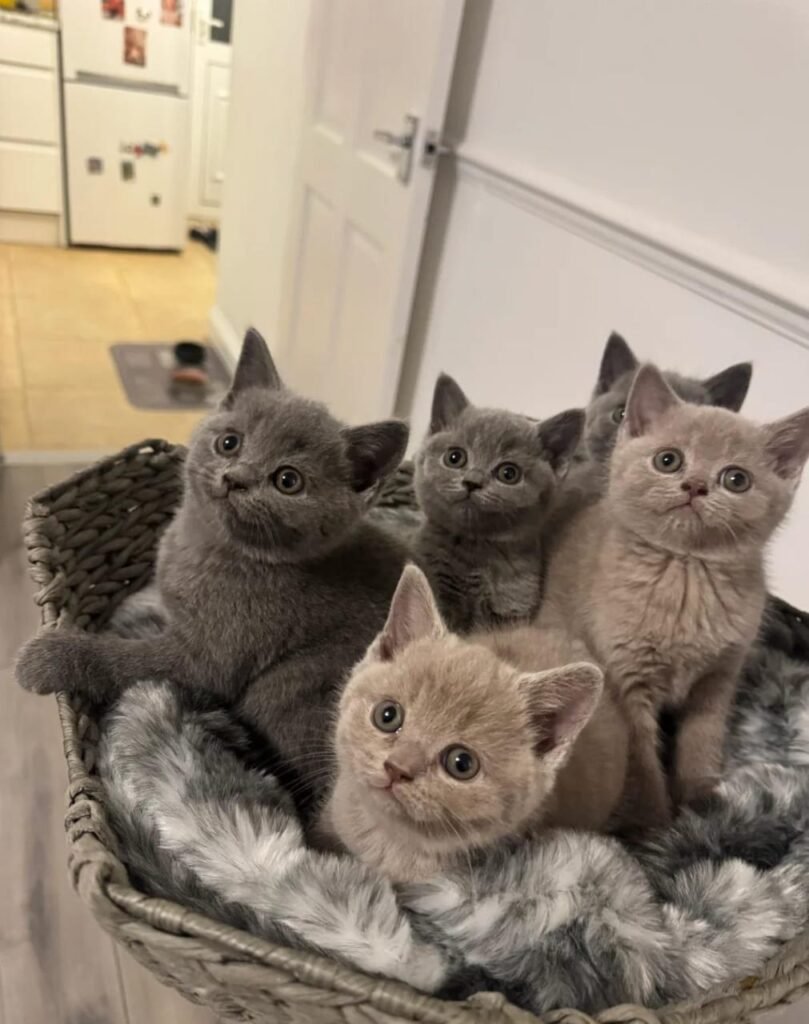
Bringing a British Shorthair kitten into your home can be an exciting and rewarding experience, but it also comes with a range of financial responsibilities that every potential owner should consider. From the initial purchase or adoption fees to ongoing costs such as food, veterinary care, and grooming, budgeting effectively is essential for ensuring a happy and healthy life for your new furry friend. This article will guide you through the various expenses associated with owning a British Shorthair kitten, provide tips for managing your finances, and help you prepare for the joys and challenges of kitten ownership.
Understanding the Costs of Owning a British Shorthair Kitten
Initial vs. Long-Term Expenses
When you bring a British Shorthair kitten into your life, it’s not just about the snuggles and those adorable squishy faces—there are costs involved! Initial expenses typically include adoption or purchase fees, vaccinations, and essential supplies. But the fun doesn’t stop there! Long-term expenses can pile up over time and include food, vet bills, grooming, and those unforeseen “I-just-ate-your-sock” moments. Don’t worry, budgeting for a furry friend can be done without sacrificing your morning coffee (or your sanity).
Factors Influencing Costs
Several factors can influence how much you’ll spend on your new fluffy roommate. Location matters—prices can vary widely depending on where you live. The breeder’s reputation, the kitten’s lineage, and even your kitten’s personality (yes, some are just born to be diva!) can bump up the price tag. Don’t forget those additional costs like pet insurance, toys, and the occasional emergency vet visit when your kitten decides to join you in the kitchen and gets too curious about that sizzling hot frying pan.
Initial Expenses: Purchase Price and Adoption Fees
Choosing Between Breeder and Shelter Adoption
Deciding between purchasing from a breeder or adopting from a shelter is like choosing between a luxury resort and a cozy cabin in the woods—both can be great! Responsible breeders will ensure that your kitten is healthy and well-bred, but they come with a higher price tag, sometimes ranging from £800 to £2,000. On the other hand, adopting from a shelter not only saves a life but can cost as little as £100 to £200, plus it comes with a built-in sense of satisfaction (and usually a snuggly kitten).
What to Expect in Terms of Pricing
If you go the breeder route, prepare to shell out for pedigree and health checks, which can be pricey. Expect to pay anywhere between £1,000 and £2,500 for a British Shorthair kitten, depending on the breeder’s reputation and the kitten’s lineage. If you choose to adopt, fees typically cover vaccinations, spaying/neutering, and maybe even a little post-adoption care. In either case, have that credit card handy, because you’ll definitely want those cute little paws in your life!
Essential Supplies: What You’ll Need to Prepare
Food and Water Bowls
First things first—your British Shorthair needs bowls! Invest in sturdy, easy-to-clean food and water bowls. Stainless steel is a good option, as it prevents scratching and keeps things hygienic. You don’t want your little fluffball drinking out of something that screams “cheap plastic,” right?
Quality Cat Food
Next up is cat food. British Shorthairs have special dietary needs, so splurging on high-quality kibble or wet food is a must. You want to pick something that has real meat as the first ingredient (because nobody wants a meat-flavored biscuit). Budget around £30 to £50 monthly to keep your kitty in prime condition.
Litter Box and Accessories
Litter box time! Choose a spacious litter box with low sides for easy access. Then, grab some kitty litter—clumping or non-clumping, it’s your call. It’s recommended to have one box per cat (and maybe an extra for those “just in case” moments). Total costs for the box and litter can range from £20 to £50.
Scratching Posts and Toys
Don’t forget the scratching posts and toys! These are crucial for keeping your British Shorthair entertained and your furniture intact. A good scratching post can cost between £15 and £60, while toys can range from a couple of quid to a tenner—some might even double as a catnip-laden unicorn. Bonus points if they keep your kitten amused for hours (without your involvement).
Comfort Items: Beds and Blankets
Last but not least, let’s talk comfort. Your new kitten deserves a cozy bed where they can snuggle and dream of their next great adventure (like hunting your toes). Expect to spend around £20 to £50 on a soft bed, plus an extra £10 for a couple of blankets. Because who doesn’t love being cozy?
Ongoing Costs: Food, Veterinary Care, and Grooming
Monthly Food Expenses
As previously mentioned, a good diet is essential. Your monthly food expenses will vary depending on the brand, quality, and how much your kitten loves to eat. Budget around £30 to £50 for cat food each month, and be prepared for that one day when you realize your kitten has turned into a tiny vacuum cleaner.
Routine Veterinary Visits and Vaccinations
Veterinary care is crucial for your kitty’s health. Routine check-ups and vaccinations can cost anywhere from £50 to £150 per visit. Don’t forget to factor in spaying or neutering, which can be an added cost ranging from £50 to £200, depending on your region. And while nobody loves a visit to the vet, it’s a necessary evil if you want to keep your furry friend in tip-top shape.
Grooming Needs for British Shorthairs
British Shorthairs have a beautiful dense coat, which means grooming is necessary (and oh-so-therapeutic). Budget for grooming supplies like brushes and feline-friendly shampoo. If you’re feeling fancy and want to treat your kitty to salon services, expect grooming costs to hit around £30 to £60 per session, although regular brushing at home can keep that financial burden in check. Plus, it gives you an excuse to practice your best cat-petting skills!
Insurance and Emergency Fund: Planning for the Unexpected
Types of Pet Insurance
When it comes to pet insurance, think of it as a safety net for your future kitty misadventures. There are generally three types: accident-only plans, which cover unexpected boo-boos; time-limited plans, which provide coverage for a set time (perfect for those who are optimistic about their cat’s health); and lifetime plans, which cover ongoing conditions for as long as you keep paying (think of it as a commitment – like your commitment to that extra slice of cake). It’s important to compare policies to find one that fits your budget and gives you peace of mind while your British Shorthair is busy practicing its royalty pose.
Building an Emergency Fund
The unexpected can happen, even to the most majestic of kittens. Start building an emergency fund specifically for your furry friend. Aim to stash away at least three to six months’ worth of expenses. Think of it as your “kitten safety net.” Set aside a little each month—maybe skip that fancy coffee (sorry, caffeine lovers) or put away some change from your daily spending. When Fluffy inevitably decides to leap from the highest shelf to catch an elusive dust bunny, you’ll be glad you did!
Tips for Saving Money on Kitten Care
Finding Quality Supplies on a Budget
Who says high-quality kitten supplies must come with a high price tag? Scour local thrift shops, online marketplaces, and pet supply websites for budget-friendly options. You might find a cozy cat bed that looks like it was made for royalty or toys that your British Shorthair can’t resist. Plus, don’t forget the wonders of hand-me-downs—your friends’ pets may have outgrown their favorite toy, but your kitten will think it’s a treasure!
Utilizing Discounts and Coupons
Keep an eye out for discounts, and don’t shy away from using those coupons—your kitten won’t judge, promise! Sign up for newsletters from pet supply stores and follow them on social media for exclusive offers. Some stores even have loyalty programs that give you rewards for spending (because nothing says “loyal friend” like saving money). You may end up with a stash of treats and toys without breaking the bank!
DIY Solutions for Cat Care
Get ready to unleash your inner DIY guru! Making homemade cat toys can be a fun and budget-friendly way to keep your British Shorthair entertained. A sock filled with catnip? Instant joy! You could also consider making your own cat treats—because not only will you save money, but you’ll also know exactly what’s going into your kitty’s belly. Who knew being a responsible pet owner could come with craft night?
Budgeting Tools and Resources for Pet Owners
Useful Apps and Websites
In the age of technology, budgeting has never been easier. There are plenty of apps and websites designed just for pet owners looking to keep track of expenses. Apps like GoodBudget or Mint let you categorize spending and set limits. Websites such as PetMD offer valuable insights into average costs, so you can plan ahead. Embrace the digital age and take control of your kitten’s finances—after all, they may not pay rent, but they do require some serious budgeting!
Creating a Pet Budget Spreadsheet
If you’re more of a spreadsheet wizard, create your own budget tracker! It can be as simple or organized as you like. Include categories like food, toys, vet visits, and even unexpected expenses. Give each category its own color (who doesn’t love a little rainbow in their spreadsheets?). This way, you can visualize your spending and even revel in the creation of a “kitten care budget masterpiece.” Bonus points if you use stickers to mark milestones!
Adjusting Your Budget as Your Kitten Grows
Changing Needs Over Time
As your British Shorthair goes from fluffy ball of mischief to a wise and regal cat, its needs will change. From basic kitten food to the fanciest gourmet meals, your budget will need some adjusting. Keep track of these changes, and be prepared to allocate more funds to catnip-infused toys and, ahem, more ‘luxurious’ living conditions (yes, that means the best sunspot in the house).
Planning for Major Life Events
Life has a funny way of throwing curveballs—job changes, vacations, or even new family members can impact your budget. Consider how these events will affect your furry friend’s financial needs as well. Whether it’s planning for a move that requires pet deposits or budgeting for a new baby’s arrival, make sure to keep your British Shorthair in the loop (or at least ensure that it will still receive the same level of pampering). With a little foresight, you can navigate these changes like a pro!In conclusion, budgeting for a British Shorthair kitten involves careful planning and consideration of both initial and ongoing expenses. By understanding the costs associated with their care and implementing smart financial strategies, you can ensure that your new companion receives the love and care they deserve without straining your finances. Embrace the journey of kitten ownership with confidence, knowing that proper budgeting will help you provide a happy and fulfilling life for your British Shorthair.
Frequently Asked Questions
What is the average cost of a British Shorthair kitten?
The average cost of a British Shorthair kitten can range from £800 to £2,000, depending on factors such as pedigree, breeder reputation, and location.
Are there any ongoing costs I should consider?
Yes, ongoing costs include food, regular veterinary check-ups, vaccinations, grooming, litter, and potential emergency expenses. It’s essential to budget for these recurring expenses to ensure your kitten’s well-being.
How can I save money on pet supplies?
You can save money by shopping for discounts, buying in bulk, opting for generic brands, and utilizing DIY solutions for toys and grooming tools. Additionally, consider adopting from shelters, which often provide initial supplies at a reduced cost.
Should I get pet insurance for my British Shorthair kitten?
Yes, pet insurance can be a valuable investment to help cover unexpected veterinary costs. It’s advisable to research different plans to find one that suits your budget and provides comprehensive coverage for your kitten’s needs.