
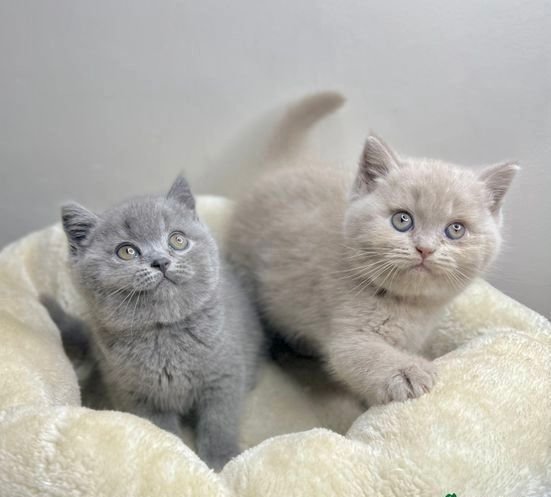
Bringing home a British Shorthair kitten is an exciting and rewarding experience, but it also comes with its own set of responsibilities. Known for their charming personalities, sturdy build, and plush coats, these cats quickly win the hearts of their owners. However, to ensure your new furry friend thrives in their new environment, it’s essential to be well-prepared. This article presents five essential tips for new owners, covering everything from understanding the breed’s unique characteristics to creating a safe and stimulating living space. By following these guidelines, you can help your British Shorthair kitten grow into a healthy, happy adult cat.
Understanding the British Shorthair Breed
Origin and History
The British Shorthair is a true British classic, with roots tracing back to the Roman invasion of Britain when cats were brought over to control vermin. These sturdy feline companions became favorites among the locals and eventually evolved into the plush, round-faced wonders we adore today. With a history steeped in rustic charm, it’s no wonder they were one of the first breeds to be shown in cat shows during the late 1800s. Talk about a cat with a pedigree!
Physical Characteristics
British Shorthairs are the “cuddle clouds” of the cat world, boasting a stocky build and dense fur that feels like a soft teddy bear. Their round faces display chubby cheeks and large, expressive eyes that can be copper, blue, or even gold. Not to forget, they’re equipped with short legs and a broad chest, making them look like they just finished a hearty meal (but really, that’s just their natural charm).
Personality and Temperament
With a personality as charming as their appearance, British Shorthairs are known for their easygoing and affectionate nature. They’re like the introverted friend at a party—friendly but not overly pushy. These cats tend to be calm and adaptable, making them perfect for families and individuals alike. Don’t be surprised if your new kitten becomes your shadow; they’re loyal sidekicks who enjoy both playtime and lounging like contained royalty.
Preparing Your Home for a New Kitten
Essential Supplies and Equipment
Before your fluffy friend arrives, you’ll need to gather the essentials. Think cozy bed, litter box (with litter, of course), food and water dishes, cat tree or scratching post, and toys that can withstand the inevitable ‘feline frenzy’. Don’t skimp on the toys—kittens have energy levels that could power a small city, and they need proper outlets (preferably ones that won’t involve your furniture).
Creating a Safe Space
Kittens thrive in their own little kingdom, so designate a quiet area in your home where they can explore safely. This could be a room or a cozy corner with their bed, toys, and litter box. Keep it peaceful, and watch out for any “scary” objects like vacuum cleaners or the dreaded broom—these can be terrifying for a sprightly new arrival!
Kitten-Proofing Your Home
Ah, the joys of kitten-proofing! Cats are equal parts curious and mischievous, so be sure to secure loose wires, remove toxic plants, and stash away any small items they might fancy as their personal chew toys. Think of it as preparing for a tiny tornado—your home may never look the same, but with some precautions, you can avoid a world of chaos (and vet bills).
Nutrition and Feeding Guidelines
Choosing the Right Food
Selecting the best food for your British Shorthair kitten is like choosing a fine wine—only the best will do! Look for high-quality kitten food that lists meat as the first ingredient, ensuring they get plenty of protein. Also, check for added vitamins and minerals to support their growing bodies. And remember, a satisfied kitty is a happy kitty!
Feeding Schedule
Establishing a feeding schedule is crucial—kittens thrive on routine (just like humans with their morning coffee, right?). Aim to feed your kitten three to four meals a day, gradually transitioning to twice-a-day feeding as they grow older. Consistency is key—this will ensure your kitten knows when to expect their delicious gourmet offerings (again, no pressure).
Understanding Portion Control
While it may be tempting to spoil your little cherub with endless treats, portion control is essential to prevent pudgy kittens. Follow the feeding guidelines on your chosen kitten food and adjust as needed based on your little one’s growth and activity levels. A healthy kitten is a happy kitten, and trust me, they’ll thank you later when they’re not trying to squeeze into their favorite lounging spot!
Socialization and Playtime Essentials
Importance of Socialization
Socialization is vital for a well-adjusted kitten. Exposing them to various sights, sounds, and people helps develop their confidence and reduces anxiety later in life. Spend time gently introducing your British Shorthair to new experiences—this is where the “great explorer” phase kicks in! Remember, a well-socialized cat is a happier cat (and a better cuddle buddy).
Recommended Toys and Activities
Kittens are natural hunters, so stock up on toys that stimulate their predatory instincts—think feather wands, balls, or even laser pointers. Rotate toys regularly to keep their interest piqued. Don’t forget to schedule some quality play sessions; it’s an excellent way for both of you to bond and for them to burn off excess energy (less chaos at 3 AM when you’re trying to sleep)!
Bonding with Your Kitten
Spending quality time with your new furry friend is key to building a strong bond. Engage in interactive play, provide gentle petting, and let them take the lead in exploring their surroundings. With patience and love, your British Shorthair will become your little loyal companion—just be prepared for that adorable headbutt that says, “You’re mine now!”
Health Care and Veterinary Visits
Regular Check-ups and Vaccinations
When it comes to your British Shorthair kitten, staying on top of health care is crucial. Schedule regular check-ups with your vet—think of it as their spa day, minus the cucumber slices! Vaccinations are essential in keeping those pesky diseases at bay. Typically, kittens receive their first set of vaccinations around 8-9 weeks, followed by boosters. Don’t forget about spaying or neutering, because no one wants a hormone-fueled kitty on the loose!
Common Health Issues in British Shorthairs
British Shorthairs are generally healthy, but they can be prone to a few specific health issues like hypertrophic cardiomyopathy (HCM), a heart condition. Regular vet visits and monitoring for signs of lethargy or difficulty breathing can help catch this early. Also, keep an eye out for dental problems and obesity—those adorable round faces can lead to a little too much love in the food bowl. A watchful eye is your best friend here!
Understanding Grooming and Dental Care
Grooming your British Shorthair is essential, but luckily, they’re low-maintenance in this department. A good brush every week should keep their coat looking fabulous and reduce shedding. Now, let’s talk dental health. Regularly brush your kitten’s teeth (yes, kitten toothpaste is a thing!) to prevent plaque buildup. If they give you that “you want me to do what?” look, just know that a little effort now will save you from a dental drama later!
Grooming Tips for British Shorthairs
Brushing and Coat Care
Though British Shorthairs have that plush, teddy-bear coat, they don’t need as much grooming as you might think. A weekly brush will do wonders to keep their fur smooth and reduce the number of fur tumbleweeds rolling around your home. Use a slicker brush for all those pesky loose hairs and feel free to shower them with compliments during the process—kittens thrive on positive reinforcement!
Bathing Your Kitten
Bathing a British Shorthair isn’t typically necessary unless they find themselves in a sticky situation (aspiring feline acrobatics gone wrong, perhaps?). If a bath is needed, use a gentle cat shampoo and make it a spa-like experience. Keep the water lukewarm, and don’t forget to have a few treats on hand to reward their bravery afterward. Who knew hygiene could be such a bonding experience?
Nail Trimming and Ear Cleaning
Your British Shorthair may have the grace of a catwalk model, but those claws can be lethal! Regular nail trimming is a must to prevent any accidental home décor disasters. Aim for every 2-3 weeks. As for ears, a quick check should suffice. Use a cotton ball with vet-approved cleaner to wipe those little ear canals clean. Just be ready for some very judgmental looks afterward!
Creating a Safe and Stimulating Environment
Indoor vs. Outdoor Living
While outdoor exploration might sound tempting, British Shorthairs are best suited for indoor living. They’re not exactly the most agile of climbers, and we all know how unpredictable the outside world can be. Keep them inside where they’re safe from traffic, predators, and the occasional sudden rain shower. If you want to give them a taste of the great outdoors, consider a supervised playtime in a secure catio!
Enrichment Activities and Mental Stimulation
Keep that clever little brain of theirs engaged with plenty of toys and activities. Puzzle feeders, interactive toys, and feather wands are fantastic for mental stimulation. Rotate their toys to keep things fresh, and don’t underestimate the power of a good cardboard box. It’s like a five-star hotel to them! Plus, engage in daily playtime; it’s a great way to bond and keep them fit.
Setting Up a Cozy Sleeping Area
Every British Shorthair needs their own cozy retreat. Invest in a soft bed or even a cat tree with multiple levels (you know, to ensure they can survey their kingdom). Place it in a quiet corner where they can snooze undisturbed. Add a few favorite toys or a snuggly blanket, and watch as they transform into a purring fluffball of contentment. A well-rested kitten is a happy kitten! Caring for a British Shorthair kitten is a journey filled with joy and companionship. By following these essential tips, you can create a nurturing environment that supports their growth and well-being. Remember that each kitten is unique, so take the time to understand their specific needs and personality. With love, patience, and the right care, your British Shorthair will thrive and become a cherished member of your family for years to come.
Frequently Asked Questions
How often should I take my British Shorthair kitten to the vet?
It’s recommended to take your British Shorthair kitten to the vet for a check-up and vaccinations every 3 to 4 weeks until they are around 16 weeks old. After that, annual check-ups are typically sufficient.
What should I feed my British Shorthair kitten?
A high-quality kitten formula that is rich in protein and essential nutrients is best for British Shorthair kittens. Consult your veterinarian for specific recommendations based on your kitten’s age, weight, and activity level.
Do British Shorthairs require a lot of grooming?
British Shorthairs have dense coats that benefit from regular brushing, ideally once a week, to reduce shedding and prevent matting. During shedding seasons, more frequent grooming may be necessary.
How can I help my British Shorthair kitten adjust to their new home?
Allow your kitten to explore their new environment at their own pace, provide a cozy and safe space, and engage them with toys and interactive play to help them feel comfortable and secure.