
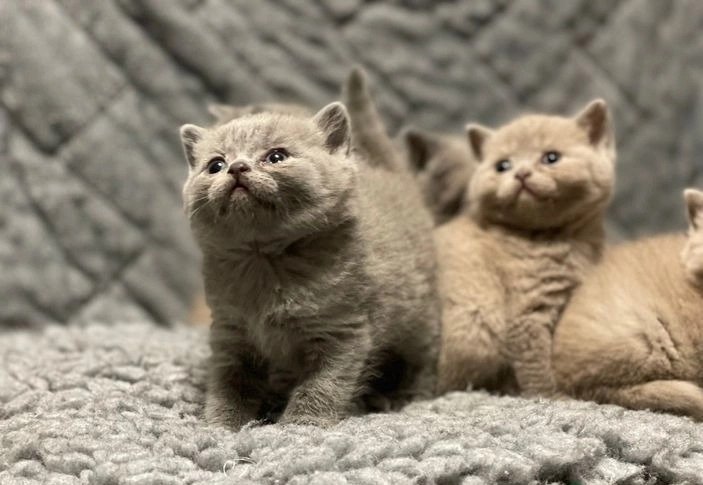
British Shorthair kittens have captivated the hearts of cat lovers around the world with their charming appearance and delightful personalities. Known for their plush, dense coats and round faces, these kittens exude an undeniable cuteness that makes them irresistible companions. With a rich history dating back to ancient times and a reputation for being gentle, affectionate, and easygoing, British Shorthairs are the perfect choice for families and individuals alike. In this article, we will explore the unique characteristics, care requirements, and the joys of bringing a British Shorthair kitten into your home, helping you discover why these adorable felines are truly a breed apart.
The Allure of British Shorthair Kittens
History and Origins
British Shorthairs trace their roots back to the Roman Empire, when they were brought to Britain to keep pesky rodents at bay. Over the centuries, these sturdy felines developed a reputation as the quintessential British cat. With their round faces and plush coats, they quickly went from barn cats to pampered pets, winning hearts and homes across the nation. Think of them as the royalty of the cat world—noble, dignified, and just a tad mischievous!
Popularity in Contemporary Culture
In the age of the internet, British Shorthairs have become stars in their own right. Social media is flooded with photos and videos of these fluffy companions, often portrayed as the epitome of cuteness and coolness. From viral cat memes to appearances in films and commercials, it seems like everyone wants a piece of the British Shorthair charm. No wonder they’ve taken the internet by storm—how could you resist that face?
Distinctive Features and Appearance
Coat Colors and Patterns
One of the greatest delights of British Shorthairs is their stunning array of coat colors and patterns. Whether you fancy a classic blue, a tabby with bold stripes, or a stunning cream, there’s a British Shorthair for every taste. Their short, dense coats require minimal grooming, making them the furballs of your dreams—stylish without the high-maintenance baggage!
Body Structure and Size
These kittens are not just a pretty face; they come packed with a solid build. British Shorthairs are medium to large in size, with broad chests and sturdy legs. Their round, muscular bodies give them a delightful heft, making them irresistible to cuddle. You can practically hear them say, “Pick me up, I’m adorable and I know it!”
Eye Color Variations
The eyes of a British Shorthair kitten are like little pools of mystery. They typically boast large, round eyes that can be copper, gold, or even blue, depending on their coat color. These expressive eyes not only add to their charm but also make them masters at capturing your attention—good luck resisting those melting-gaze moments!
Personality Traits: What to Expect
Temperament Overview
British Shorthairs are known for their laid-back and affectionate nature. They strike a fine balance between being playful and calm, making them excellent companions for both individuals and families. Their easygoing vibe means you won’t have to chase them around the house like a maniac—unless, of course, a laser pointer comes into play!
Socialization with Other Pets
When it comes to socializing with other furballs, British Shorthairs tend to be pretty chill. They are usually friendly and adaptable, so integrating them into a multi-pet household is often a breeze. Just introduce them gradually, and you’ll find they’re more likely to strike up a friendship than declare a turf war. After all, sharing toys is much more fun than fighting over them!
Interaction with Children
If you have kids, you’ll be pleased to know British Shorthairs are typically great companions for little ones. They are known for their patience and tolerance, making them the perfect playmates for rambunctious kids. Just remind the kiddos to be gentle and respectful, and you’ll have a purring bundle of joy that can keep up with their antics!
Care and Maintenance of British Shorthairs
Feeding and Nutrition
To keep your British Shorthair healthy and happy, a balanced diet is key. They thrive on high-quality cat food that meets their nutritional needs. With their stocky build, it’s important to monitor their portion sizes to avoid any unintentional “fluffiness.” After all, we all want our cats to be fluffy, not just… well, fluffy!
Grooming Requirements
One of the perks of owning a British Shorthair is their low grooming needs. With their short, dense coat, a weekly brush will usually do the trick to keep them looking their best. Of course, they’ll indulge you with a gentle purring serenade while you pamper them—pro tip: the more you brush, the more they love you!
Routine Health Check-ups
Regular check-ups with the vet are essential for maintaining your British Shorthair’s health. Keep an eye on their dental hygiene too, as these delightful furballs can be prone to dental issues. Vaccinations, parasite control, and a quick health check will ensure your kitty continues to reign in good health for years to come—after all, a royal life comes with royal responsibilities!
Finding the Right Breeder
When it comes to welcoming a British Shorthair kitten into your home, finding the right breeder is like embarking on a quest for the Holy Grail. This adorable fluffball will become a part of your family, so it’s essential to choose wisely.
Recognizing Ethical Breeding Practices
Look for breeders who are as passionate about their cats as you are about catnip. Ethical breeders prioritize health over profit, which means they don’t cut corners—like that one friend who always brings store-bought snacks to parties. They should also limit the number of litters each queen has to ensure that all kittens are raised in a nurturing environment. If they encourage visits and provide ample information about care and breed history, you’re probably on the right track!
What to Look for in a Kitten
The ideal British Shorthair kitten should resemble a fluffy ball of happiness! Look for a kitten with bright eyes, a shiny coat, and a curious demeanor. Socialization is key, so observe how the kitten interacts with siblings and humans. A healthy kitten should be playful, responsive, and ready to snuggle. Bonus points if they attempt a “supermodel pose” while you’re checking them out!
Health Considerations and Lifespan
British Shorthairs are known for their charming personalities, but like all breeds, they come with specific health considerations that deserve your attention—after all, we want our cuddly companions to have long, happy lives!
Common Health Issues
While British Shorthairs are generally robust, they can be prone to certain health issues—think of them as the quirky traits of that one relative. Common concerns include hypertrophic cardiomyopathy (HCM), obesity, and dental problems. Regular vet check-ups and being aware of their eating habits can help keep these potential issues at bay.
Preventative Care Strategies
Prevention is better than cure, and for British Shorthairs, it starts with a balanced diet and regular exercise. Establish a routine that includes vet visits, vaccinations, and dental care. Scratching posts, interactive toys, and playtime will keep your kitten fit and mentally stimulated—plus, it gives you a valid excuse to join in the fun!
Expected Lifespan and Aging
With a healthy lifestyle, your British Shorthair can live up to 15 years and beyond. They’re like the vintage wine of the cat world—getting better with age (just look at their adorable grumpiness!). As they mature, keep an eye on their health, and be prepared to adjust their diet and exercise routine to cater to their senior years. With proper love and care, they’ll be your steadfast companion for many years.
Training Tips for Your New Kitten
Training your British Shorthair kitten can be a delightful adventure, akin to teaching a cat to fetch—yes, it’s possible! With a dash of patience and a sprinkle of treats, you’ll set the foundation for a well-behaved feline friend.
Litter Box Training
Litter box training is pretty much a rite of passage for every new kitty owner. Most British Shorthairs come with a natural instinct to use a litter box, but it helps to have the right setup! Choose a box that’s easily accessible, fill it with unscented litter, and place it in a quiet corner. If the ‘art of the deposit’ doesn’t quite happen, don’t hesitate to gently place your kitten in the box after meals—think of it as a gentle nudge in the right direction!
Basic Commands and Tricks
While British Shorthairs might not be the first cats you see on a talent show, they are surprisingly trainable! Start with basic commands like “sit” and “come,” using positive reinforcement (read: treats and praise). Once they’ve mastered the basics, try teaching them fun tricks, like high-fiving or playing fetch. Who knows? You might just have the next feline superstar!
Socialization Techniques
The earlier you start socializing your kitten, the better! Expose them to various sights, sounds, and people to help them grow into well-rounded adults. Invite friends over, play different genres of music, or even let them experience a little CAR RIDE ADVENTURE. Just be sure to supervise their interactions, as your little explorer might get a bit overwhelmed by new experiences.
Embracing the Joy of British Shorthair Ownership
Owning a British Shorthair is like adopting a furry little ball of joy that purrs. They have a knack for bringing smiles, and before you know it, you’ll wonder how you ever lived without them!
Creating a Safe Home Environment
Your home should be like a kitty spa: cozy, safe, and full of enticing things to explore. Remove harmful plants, secure loose wires, and ensure windows and balconies are kitty-proofed. Consider setting up a designated play area with scratching posts and climbing trees, where your little feline can show off their acrobatics and burn off energy—bonus for you since it’s like live cat TV!
Building a Bond with Your Kitten
Building a bond with your British Shorthair is all about consistency and connection. Spend time playing, petting, and just chilling together. Use their favorite treats to create positive associations, and don’t forget to talk to them in that super cute baby voice—trust us, they love it! Over time, those gentle purrs and head bumps will reaffirm that you’re their favorite human.
Fun Activities and Playtime Ideas
Playing with your kitten is not only fun but also essential for their development! Try interactive toys like feather wands, laser pointers, or puzzle feeders. Set up mini scavenger hunts where you hide treats or toys around the house. And don’t underestimate the power of a cardboard box—seriously, it’s like a magical portal to their wildest imaginations! The possibilities are endless, and the joy it brings is immeasurable. Welcoming a British Shorthair kitten into your home can bring immense joy and companionship, enriching your life with their playful spirit and loving nature. As you embark on this delightful journey, remember to provide them with the care, attention, and affection they need to thrive. With their charming quirks and lovable personalities, British Shorthairs are sure to become cherished members of your family. Embrace the adventure of kitten ownership, and enjoy the countless moments of happiness that your adorable British Shorthair will bring.
Frequently Asked Questions
1. How much do British Shorthair kittens typically cost?
The price of a British Shorthair kitten can vary widely based on factors such as the breeder’s reputation, the kitten’s pedigree, and location. Generally, you can expect to pay between $800 and $2,000.
2. Are British Shorthairs good with children and other pets?
Yes, British Shorthairs are known for their gentle and sociable nature, making them excellent companions for children and other pets. Proper introduction and socialization can help them adapt well to their surroundings.
3. How often should I groom my British Shorthair?
Despite their thick coats, British Shorthairs require minimal grooming. Regular brushing every couple of weeks is usually sufficient to keep their coat healthy and reduce shedding.
4. What are common health issues in British Shorthair cats?
British Shorthairs are generally healthy, but they can be prone to certain genetic conditions such as hypertrophic cardiomyopathy (HCM) and obesity. Regular veterinary check-ups and a balanced diet can help mitigate these risks.