
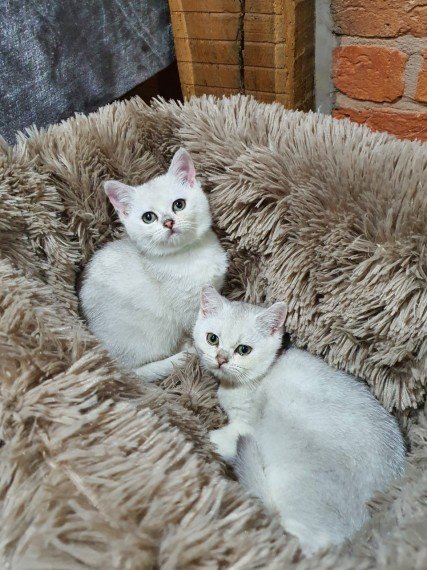
If you’re looking to welcome a charming and affectionate companion into your home, British Shorthair kittens might just be the perfect choice. Known for their distinctive round faces, plush coats, and calm demeanor, these kittens are not only adorable but also boast a gentle and playful nature that makes them ideal for families and individuals alike. As you embark on the journey of finding a furry friend, this article will guide you through the enchanting world of British Shorthairs, their unique characteristics, care requirements, and tips for ensuring a smooth transition into their forever homes.
Introduction to British Shorthair Kittens
Overview of the Breed
British Shorthair kittens are the epitome of fuzzy cuteness wrapped in a round face and chubby cheeks. With a history that dates back to Roman times (yes, they have been around longer than your favorite pair of jeans), these little furballs have evolved into one of the most beloved breeds. Known for their robust build, plush coat, and endearing personality, British Shorthairs are the ultimate companions for cat lovers around the world.
The Charm of British Shorthair Kittens
What’s not to love? British Shorthair kittens are like little purring marshmallows—soft, squishy, and oh-so-huggable! Their affectionate nature and laid-back attitude make them the perfect addition to any home. Whether they’re playing with their feather toy or lazily basking in a sunbeam, these kittens know how to steal hearts and capture minds. With a British Shorthair by your side, every day feels like a cozy afternoon tea.
Unique Characteristics of British Shorthairs
Physical Traits
These kittens sport a round face, large, expressive eyes, and thick, plush fur that begs to be stroked. With a stocky body and short, sturdy legs, they resemble miniature teddy bears—if teddy bears could jump up and chase after laser pointers! Their broad, strong build isn’t just for show; it helps them maintain stability as they prance around like miniature lions in their natural habitat: your living room.
Temperament and Personality
British Shorthairs are renowned for their calm and collected demeanor. They tend to be incredibly loyal, often forming strong bonds with their human companions. While they can be playful, they’re not the type to bounce off the walls at 2 AM (thank goodness!). Instead, they enjoy a good cuddle session while also valuing their independence. You’ll find they have a dignified air about them, as if they were born to rule the household—king or queen of the couch, if you will!
Coat Colors and Patterns
When it comes to coat colors, British Shorthairs are like a box of crayons, offering everything from classic blue to chocolate, cream, and even exotic tabby patterns. Their dense, plush coat is not just a pretty sight but also keeps them warm in the coldest of climates (or during your freezing air-conditioned summer nights). Whether you fancy a solid color or a striking pattern, there’s a British Shorthair kitten that’s sure to match your aesthetic.
Health and Care Requirements
Common Health Issues
As with any breed, British Shorthairs can be prone to specific health issues such as obesity, heart problems, and joint concerns. Regular vet check-ups will help monitor these issues, but keeping your kitten at a healthy weight and providing them with plenty of opportunities to exercise (yes, that means stimulating play sessions) is also high on the priority list.
Nutritional Needs
Feeding your British Shorthair a balanced diet is essential for their health and happiness. Look for high-quality cat food formulated for their age and size. Since they can have a tendency toward weight gain, portion control is key. Just remember: those pleading eyes may beg for more treats, but moderation is your friend!
Regular Vet Check-ups
Don’t treat the vet like the dentist—your kitten actually needs to see them! Regular check-ups are vital to catch any potential health problems early. Plus, your furry friend will get their vaccinations and preventive care, ensuring they stay healthy and happy. It’s a small price to pay for the joy they bring into your life.
Preparing Your Home for a New Kitten
Before bringing home your British Shorthair kitten, it’s time to channel your inner cat parent and stock up on supplies. Essentials include a cozy bed, litter box, scratching post, food and water bowls, and a selection of toys. Don’t forget a tall cat tree—because every kitten deserves their very own castle to rule from!
Creating a Safe Environment
Kittens are naturally curious creatures, which means your home should be kitten-proofed! Secure loose wires, remove toxic plants, and ensure windows and balconies are safe. Think of it as preparing a toddler-proof space, only with more fur and a lot less temper tantrums.
Introducing Other Pets
If you already have furry friends, the introduction process is key. Start slow—allow them to sniff each other through a closed door before letting them meet face-to-face. Supervise their interactions and provide positive reinforcement with treats and praise. It might take time, but soon they’ll be fast friends—or at the very least, polite roommates.
Finding the Right Breeder or Adoption Center
What to Look for in a Responsible Breeder
When searching for a British Shorthair breeder, think of yourself as a detective on the case for the purr-fect kitten. Look for a breeder who is transparent, provides health clearances for their cats, and genuinely cares about their kittens. A good breeder will invite you to meet the kittens and their parents, allowing you to see the living conditions and socialization practices. Also, be wary of breeders who ask for cash-only payments.
Benefits of Adopting from Shelters
Adopting from a shelter is like hitting the jackpot of feline companionship! Not only do you give a homeless kitten a loving forever home, but you also typically save on initial medical costs, as many shelters will have already spayed/neutered and vaccinated the little furball. Plus, you’re doing your part to combat pet overpopulation. And let’s be honest, there’s nothing quite as rewarding as knowing that you’ve saved a life—now that’s worth a few extra scritches!
Questions to Ask Before Adopting
Before you bring home your new whiskered roommate, it’s essential to ask the right questions. Start with “What is their personality like?” because let’s face it, not all kittens come with the same attitude. Inquire about their health history, any behavioral issues, and what type of socialization they’ve had. It’s also smart to ask about any adopted siblings that might come with the package—two kittens are often more entertaining than one (and double the trouble!).
Tips for Socializing Your British Shorthair
Early Socialization Techniques
Socializing your British Shorthair should start as soon as you bring them home. Begin with gentle, positive interactions—think treats, gentle petting, and soft words that would make even a grumpy cat crack a smile. Encourage playtime with toys to help them bond with you and feel comfortable in their new environment. Remember, the earlier you start, the easier it will be. Just like teaching a toddler to share, it requires patience and a sprinkle of encouragement.
Building Trust and Bonds
Trust is the name of the game when it comes to building a solid relationship with your British Shorthair. Create a safe space where they can retreat when feeling overwhelmed—think of it as their personal fortress of solitude. Engage in low-pressure playtime and gradually introduce them to new experiences. Soon enough, you’ll see those little eyes lighting up with affection, and they’ll curl up with you like a purring warm blanket.
Handling Behavioral Challenges
Even the most charming British Shorthairs can have a few quirks—chewing furniture or an occasional grumpy mood! If you encounter a behavior challenge, take a step back and assess the situation. Sometimes, it could be boredom or lack of stimulation. Introduce new toys or climbing spaces to help keep them entertained. And if all else fails, consult with a vet or an animal behaviorist—sometimes you need a superhero to save the day!
Understanding the Cost of Ownership
Initial Purchase or Adoption Fees
Bringing home your British Shorthair might come with a little sticker shock, whether you’re adopting from a shelter or purchasing from a breeder. Initial fees can range anywhere from a modest adoption fee of around $100 to several thousands if you’re buying from a breeder. But remember, you’re investing in a fuzzy companion who will make your heart melt daily—priceless!
Ongoing Care Expenses
Once your kitten is home, the costs just keep coming, kind of like a surprise party you never asked for. Budget for food (because they can eat like tiny horse-sized vacuum cleaners), regular vet check-ups, vaccinations, litter, and all those adorable toys that you just can’t resist buying. It’s worth it, though—who needs a gym membership when you’ve got a playful ball of fluff to keep you active?
Unexpected Costs to Consider
Let’s face it—kittens tend to have a knack for landing themselves in predicaments. That’s why it’s essential to set aside some extra funds for unexpected costs, such as emergency vet visits or replacing the couch they mistook for a scratching post. Also, consider pet insurance to cushion the financial blows. Because, as they say, “A happy kitten equals a happy wallet… or something like that.”
Success Stories: Forever Homes for British Shorthairs
Heartwarming Adoption Journeys
Every British Shorthair has a story, and many begin with a charming tale of adoption. Picture a cozy shelter where a timid little fluffball caught the eye of an unsuspecting human, leading to a meeting that would change both their lives forever. From shy to snuggly, these success stories remind us that giving a kitten a chance often results in a heartwarming journey full of love and laughter.
Testimonials from Happy Owners
Don’t just take our word for it; testimonials from happy owners prove that British Shorthairs can steal hearts and be the sassiest cuddle buddies! Owners rave about their playful antics, quirky personalities, and their uncanny ability to turn any situation into a photo op. When you hear tales of cuddles on a rainy day and purrs that rival a soothing lullaby, it’s enough to make anyone rush to the nearest shelter or breeder.
Impact of a Forever Home on Kittens
The power of a forever home cannot be overstated. Once a British Shorthair finds their spot on the couch (or the prime sunbeam), their transformation is nothing short of magical. These once timid kittens flourish into confident companions, often desiring to be by their human’s side through thick and thin. You can feel the love radiate as they discover the joy of being part of a family—who wouldn’t want to be part of such a heartwarming story?
Frequently Asked Questions
What is the average lifespan of a British Shorthair?
The average lifespan of a British Shorthair is typically between 12 to 20 years, depending on various factors such as genetics, diet, and overall care.
Are British Shorthairs good with children and other pets?
Yes, British Shorthairs are known for their friendly and tolerant nature, making them great companions for children and generally good with other pets when properly socialized.
How often should I groom my British Shorthair?
Due to their dense coats, British Shorthairs benefit from regular grooming, ideally once a week, to reduce shedding and prevent matting.