
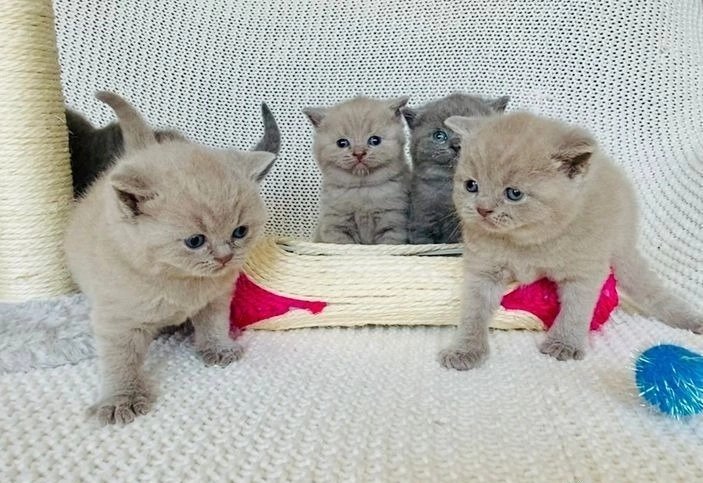
Finding the perfect British Shorthair kitten in the U.S. can be an exciting yet daunting task for potential pet owners. Known for their distinctive looks, playful nature, and affectionate personalities, British Shorthairs have become increasingly popular among cat enthusiasts. However, ensuring that you acquire a healthy and well-socialized kitten requires careful research and consideration. In this article, we will provide you with the top five tips to navigate the process of finding your ideal British Shorthair kitten, from understanding the breed’s characteristics to connecting with reputable breeders and shelters. Whether you’re a first-time cat owner or an experienced feline friend, these insights will help you make an informed decision and welcome your new companion into your home with confidence.
Understanding the British Shorthair Breed
Characteristics of the British Shorthair
The British Shorthair is a cat that could easily nab the title of “Most Adorable Couch Potato.” With their plush, dense coat (think teddy bear meets cat), round face, and chubby cheeks, they possess a look that might just make your heart melt. They are typically stocky and muscular, which means they can pull off the “I’ve just eaten a whole bag of treats” look while still being graceful. Their personality is equally charming — these cats are known for being easygoing, affectionate, and moderately playful. They’re not overly clingy but enjoy the occasional cuddle session. Basically, they’re the ideal roommate who respects your space but also loves to share a sunny spot by the window.
Common Health Issues
While British Shorthairs come with a hefty dose of charm, they also have their share of health quirks. One common concern is hypertrophic cardiomyopathy (HCM), a heart condition that can affect cats of all breeds but is prevalent in British Shorthairs. Regular vet check-ups and monitoring are key to catching any issues early. Additionally, due to their stocky build, they can be prone to obesity. So, while it’s tempting to shower them with treats (and who could resist those big eyes?), keep their diet in check and toss in some playtime to keep them fit and fab.
Researching Reputable Breeders
What to Look for in a Breeder
Finding a reputable breeder is like dating — you want someone responsible, trustworthy, and with a solid history. Look for breeders who are registered with national cat associations and have a good reputation within the cat community. A responsible breeder should prioritize the health and well-being of their kittens, meaning no “kitten mills” that churn out cats for profit. Bonus points if the breeder allows you to meet the kitten’s parents, as this gives you a glimpse into the genetics and temperament you can expect. And if you catch the breeder rolling their eyes at the mention of “cat fancier fraud,” you’re on the right track!
Questions to Ask a Breeder
When you chat with a potential breeder, come armed with questions like a cat delivering a swift paw to a toy mouse. Ask about health clearances for genetic diseases, socialization practices, and breeding ethics. Get the scoop on the kitten’s health history and vaccinations, and inquire about any contract terms (spoiler: read the fine print!). Don’t hesitate to ask about their return policy — you want to ensure they’ll take back any kittens if things don’t go as planned. And if the breeder seems stumped by your questions, it might be time to take your search to the next litter box.
Utilizing Online Resources and Communities
Popular Websites for Finding Kittens
The internet is a treasure trove for finding your new fuzzy companion. Websites like the Cat Fanciers’ Association and The International Cat Association often list reputable breeders and upcoming litters. You may also hit the jackpot with breed-specific listings on platforms like Adopt-a-Pet or Petfinder, where you can filter by breed and location. Just remember, if the ad promises a “teacup-sized” British Shorthair, you might want to scroll on — that sounds more like a set of weirdly adorable teacups than a kitten.
Joining Breed-Specific Forums and Groups
Joining online forums and social media groups dedicated to British Shorthairs can be your secret weapon. These communities are full of fellow cat enthusiasts, and you can glean invaluable information about where to find credible breeders, or even hear about adorable litters before they’re posted online. Plus, you’ll get access to a treasure trove of anecdotes, tips, and, let’s be honest, lots of cute cat photos that’ll make you want to adopt all the kittens. Just be prepared for some fierce debates over which British Shorthair color is the best!
Visiting Local Animal Shelters and Rescue Organizations
Benefits of Adopting from Shelters
Adopting from a shelter is like finding treasure at the bottom of a cereal box — you never know what you’re going to get, but it’s generally awesome! Shelters often have many cats, including potential British Shorthair mixes looking for loving homes. When you adopt, you’re providing a second chance to an animal in need, which is not only rewarding but also helps reduce the number of pets in overcrowded shelters. Plus, most shelters have already spayed or neutered their animals and provided them with initial vaccinations, so you start your journey on the right foot (or paw)!
How to Find Breed-Specific Rescues
For those set on bringing a British Shorthair into their lives, breed-specific rescues are your best friends! A simple online search for British Shorthair rescues can yield some great results, and these organizations often know the ins and outs of each cat’s personality and history. They’re dedicated to finding homes for cats of this breed, often pulling them from shelters or taking in surrendered pets. You could just strike gold by adopting a rescue who’s looking for love and a place to lounge in the sun — and you’ll totally get street cred among your cat-loving friends!
Evaluating Health and Care Standards
Understanding Vaccination and Health Checks
Before you even think about bringing a British Shorthair kitten home, it’s crucial to know that they come with a clean bill of health. Make sure the breeder provides a vaccination schedule tailored to your future furball’s needs. Key vaccines include feline distemper and rabies, so look for a kitten that has received at least its first round. Regular health checks are also a must; ask the breeder about vet visits and any potential health issues. Remember, healthy kittens lead to happy homes, and who wants to deal with a little sneezy kitty?
The Importance of a Health Guarantee
A health guarantee is your golden ticket to peace of mind! Great breeders will offer a written guarantee that backs up their claims about your kitten’s health. This typically includes a promise that your kitten is free from genetic defects or serious health issues for a specific period. If the breeder doesn’t offer one, run away faster than a British Shorthair chasing a laser pointer! A health guarantee is your safety net; it ensures that you won’t be left holding the vet bills if something goes haywire down the road.
Preparing Your Home for a New Kitten
Essential Supplies for Your British Shorthair
So, you’ve decided to adopt a British Shorthair—congrats! Now it’s time to roll up your sleeves and shop like a cat parent on a mission. Essential supplies include high-quality kitten food (because they’re not cheap dates), a litter box (preferably one that fits their royal status), scratching posts (to save your furniture), and cozy beds (because they must sleep like the royalty they are). Don’t forget the toys: feather wands, balls, and maybe even a laser toy to keep them entertained and flinging themselves around your living room like it’s their personal circus!
Creating a Safe Environment
When it comes to kitten-proofing your home, think like a curious little explorer—because let’s face it, they are! Safeguard your space by removing anything that could lead to a potential feline disaster, like toxic plants and unsecured wires. Close windows and remove small objects they might swallow, and if you have stairs, a baby gate could save you from an accidental kitty tumble. Create cozy, secure spaces for napping, playing, and escaping the chaos of the world. After all, a happy cat equals a happy human (and fewer heart attacks when they leap off the bookshelf).
Factors to Consider Before Making a Purchase
Budgeting for Initial and Ongoing Costs
Let’s get real: adopting a British Shorthair kitten is not just an emotional investment; it’s a financial one too. Initial costs include adoption fees, vaccinations, and supplies, which can add up faster than you can say “catnip.” After that, think long-term—food, vet visits, grooming, and maybe that fancy cat tree you saw online will keep nibbling at your budget. Put on your accountant hat and do some number crunching to ensure you’re ready for this delightful financial journey. Spoiler alert: the love and cuddles you gain will be worth every penny!
Commitment to Care and Training
Kittens are cute, yes, but they’re also a commitment—like a toddler who never grows up. You need to be prepared for the fun and chaos that comes along with raising a kitten. This means investing time in training your British Shorthair to use the litter box and play nice with your fingers. Yes, snuggles are great, but they also need daily interactions and mental stimulation. Remember, you’re signing up for a relationship—one that includes food negotiations, cuddling marathons, and the occasional “I’m stuck under the couch” drama. Are you ready for this level of commitment?
Building a Relationship with Your New Pet
Understanding British Shorthair Behavior
British Shorthairs are a unique bunch—think of them as the cool cats of the feline world. They’re known for their calm disposition and affectionate nature, but they can also be a bit aloof at times. Understanding their behavior is key to building a strong bond. They might not be the type to follow you around like a loyal puppy, but when they decide to cuddle, oh boy, you’ll feel like the king or queen of their little kingdom! Pay attention to their body language; a slow blink can mean “I love you” in kitty language.
Tips for Socializing Your Kitten
Socializing your British Shorthair is essential for a happy, well-adjusted cat—think of it as getting them ready for their inevitable turn as the neighborhood celebrity. Start with gentle handling and expose them to different environments and noises. Invite friends over to help your kitten become the social butterfly they were born to be (or at least tolerate human company without hiding under the couch). Reward positive behaviors with treats and playtime so they associate social interactions with good vibes. The more a kitten experiences, the more confident they’ll become—and the more you’ll love their quirky personality!In conclusion, bringing a British Shorthair kitten into your home is a rewarding experience that can bring joy and companionship for years to come. By following these tips, you can ensure that you find a healthy, happy kitten from a reputable source. Take your time in the search process, and don’t hesitate to ask questions and seek advice along the way. With the right preparation and care, your new furry friend will quickly become a beloved member of your family.
Frequently Asked Questions
1. How much do British Shorthair kittens typically cost in the U.S.?
The price of British Shorthair kittens can vary widely, typically ranging from $1,000 to $3,000, depending on the breeder, location, and pedigree.
2. Are British Shorthairs good for first-time cat owners?
Yes, British Shorthairs are generally known for their friendly and adaptable nature, making them suitable for first-time cat owners. They are easy to care for and typically get along well with families and other pets.
3. What should I look for in a reputable breeder?
Look for breeders who are transparent about their breeding practices, provide health guarantees, and allow you to visit their facilities. A good breeder will prioritize the health and socialization of their kittens.
4. How can I tell if a kitten is healthy before bringing it home?
A healthy kitten should be active, alert, and have bright eyes. Check for clear nasal passages, healthy fur, and no signs of lethargy or illness. Request a health record to ensure vaccinations and health checks are up to date.