
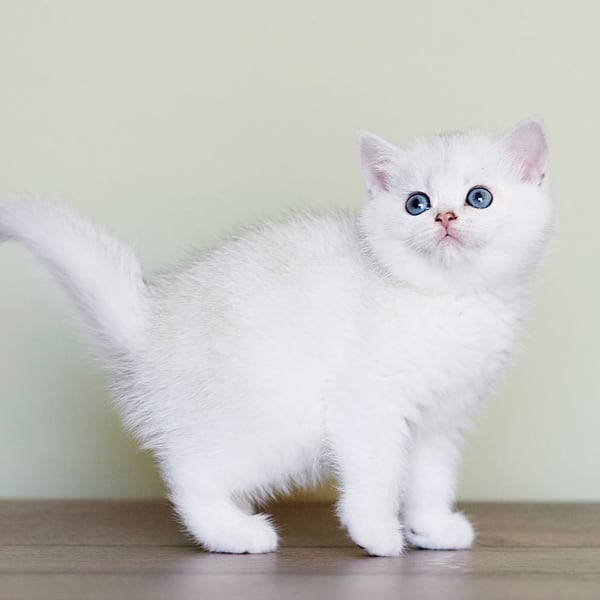
If you’re in search of a loyal and charming feline companion, look no further than the British Shorthair. Known for their distinctive round faces, dense coats, and playful yet laid-back personalities, these cats are rapidly becoming a favorite among pet lovers across the United States. Whether you’re a first-time cat owner or an experienced feline aficionado, the British Shorthair offers a unique blend of affection and independence that makes them an ideal choice for families, singles, and seniors alike. In this article, we’ll explore the captivating world of British Shorthairs, guiding you through their characteristics, health considerations, and where to find these delightful companions for sale across the country.
Overview of British Shorthairs: A Perfect Companion
History and Origin of the Breed
British Shorthairs are like the royal family of cats—distinguished, dignified, and a tad aloof (but in that charming way that makes everyone adore them). Their roots trace back to ancient Rome, where they were bred for their exceptional hunting skills. Over the centuries, they’ve morphed from working cats into the beloved lap warmers we know today, thanks to a mix of British domestic cats and the arrival of Persian cats in the 19th century. This delightful blend gave birth to the sturdy, plush-furred felines that have captured hearts globally.
Distinctive Physical Features
If you’ve ever spotted a British Shorthair, you know they don’t just walk into a room; they waddle with a swagger! These cats boast a robust, muscular build with a broad face and large, round eyes that can melt even the coldest of hearts. Their plush, dense coats come in a variety of colors, but that classic blue-gray is quite the showstopper. And let’s not forget those adorable chubby cheeks—seriously, if you were a cat, wouldn’t you want to sport a face that looks like a permanent “I just ate a whole fish” expression?
Popularity and Demand in the US
British Shorthairs have skyrocketed in popularity across the U.S., and for good reason! They’ve become a feline fashion statement, gracing Instagram feeds and Pinterest boards alike. Their easygoing nature and stunning appearance have made them a top choice for cat lovers looking for a low-maintenance, lovable companion. With their increasing fame, the demand for these furry friends sometimes outpaces supply—so if you’re considering adopting or buying, be prepared to join a waiting list as long as your cat’s tail!
Characteristics and Temperament of British Shorthairs
Affectionate Yet Independent
British Shorthairs are the ultimate combo of cuddly and cool. They have a knack for snuggling up on your lap and soaking up all the love you have to offer but are equally content to strut around the house like they own the place (which, let’s be honest, they probably do). They won’t smother you like a clingy partner; instead, they’ll keep you on your toes with their unique blend of affection and independence. It’s like having a best friend who enjoys their “me time” but still makes time for you!
Playful and Social Behavior
Prepare for a rollercoaster of fun with these playful furballs! British Shorthairs have a curious nature that keeps them engaged and exploring their surroundings. They’re not the hyperactive types that will have you chasing them around all day, but they do enjoy interactive play, especially with feather wands and laser pointers. Their social skills are top-notch too; they thrive on companionship and will happily get involved in family activities, just as long as they’re not interrupted during a crucial catnap, of course.
Compatibility with Families and Other Pets
British Shorthairs are like that one friend who gets along with everyone—kids, adults, and even other pets. They have a calm demeanor that makes them great additions to families, and they usually handle the chaos of a bustling household with grace. Brought a puppy into the mix? No problem! They’ll give them a solid side-eye before deciding to establish the “I’m in charge here” rule. Just ensure introductions are made slowly, and soon they’ll be bonding over long naps and the occasional food heist.
Health Considerations for British Shorthair Owners
Common Health Issues to Watch For
Like all breeds, British Shorthairs come with their own set of potential health issues. Be on the lookout for genetic conditions like hypertrophic cardiomyopathy (HCM) and hip dysplasia. Regular vet check-ups can help catch any early signs of trouble because, let’s face it, no one wants to hear “your cat needs a heart-to-heart with a cardiologist” unless it’s about their affinity for fancy cat treats.
Regular Veterinary Care and Vaccinations
Investing in your furry friend’s health means keeping up with vaccinations and routine check-ups. These visits are crucial for monitoring your British Shorthair’s health and catching any sneaky health problems. Plus, you’ll get to show off your perfectly maintained feline pal at the vet. Remember, they might just be there for the treats, but it’s your responsibility to keep them healthy and thriving!
Nutrition and Dietary Needs
Fueling your British Shorthair’s fabulous life means feeding them well! Nutritional needs can vary, but a balanced diet rich in protein is key to keeping them plump and happy (and not just the “I ate that whole fish” look). Consult your veterinarian for tailored dietary recommendations, and be mindful of portion sizes—nobody wants a cat that’s too lazy to chase a laser pointer because they’ve indulged in one too many treats!
Finding Reputable Breeders Across the US
How to Identify a Responsible Breeder
When you’re on the hunt for your new fluffy best friend, it’s vital to choose a responsible breeder. Look for someone who prioritizes the health and well-being of their cats over profit—this means clean living environments, proper socialization, and a commitment to genetic testing. A reputable breeder should be full of knowledge and willing to answer your questions like a cat in a sunbeam (i.e., content and relaxed).
Questions to Ask When Choosing a Breeder
Don’t be shy! When you meet a potential breeder, hit them with some questions to gauge their expertise. Inquire about the kitten’s health history, their breeding practices, and what sort of socialization the kittens receive. A good breeder will be transparent and encourage you to meet the kitten’s parents, ensuring that your future furry friend comes from a loving and nurturing background.
Understanding the Cost of Purchase
So, how much does one of these charming fluff balls cost? Brace yourself; British Shorthairs can range anywhere from $800 to $3,000—or more—depending on their lineage and your location! While the initial price tag might make you gulp, remember you’re investing in a loyal companion for years to come. Plus, think of all the adoring ‘purr-sonas’ you’ll create on social media to make your friends envious!
Adoption Options: Rescues and Shelters
Benefits of Adopting a British Shorthair
Adopting a British Shorthair means you’re not just adding a furry friend to your home; you’re also saving a life! These charming cats often come with their own personalities, quirks, and a tale or two to tell. Plus, many rescues ensure that their adoptable cats are spayed/neutered, vaccinated, and microchipped, which is basically the feline equivalent of showing up to a party in a tuxedo. Who wouldn’t want that?
How to Find Local Shelters and Rescues
Finding a local shelter or rescue is easier than finding the last piece of pizza at a party (and trust us, that’s a challenge!). Websites like Petfinder or Adoptapet can help you locate British Shorthairs for adoption near you. You can also check out your local animal shelters, where you might just discover the fluffy companion you didn’t know you needed. Don’t forget to call ahead to ensure they have British Shorthairs and to understand their adoption policies!
The Adoption Process Explained
Once you’ve found your purr-fect British Shorthair, the adoption process typically involves filling out an application, a meet-and-greet (cue the cute photos), and possibly a home visit. You might have to answer questions about your lifestyle and how you plan to spoil your new feline friend—because let’s face it, they deserve it! Be prepared for some paperwork, a modest adoption fee, and a waiting period that surely feels like an eternity when all you want is to cuddle your new kitty.
Preparing Your Home for a British Shorthair
Creating a Safe and Comfortable Space
Before you bring home your British Shorthair, it’s crucial to create a cozy haven for them. Choose a spot that’s quiet and away from foot traffic (cats don’t do well with unexpected parkour sessions). A comfy bed, some soft blankets, and a designated “chill zone” with cat trees will help them settle in and assert their territory—yes, they’re the new rulers of your home now!
Essential Supplies and Accessories
Get ready for a fun shopping spree! Essential supplies include a litter box (because we don’t want any surprises), high-quality cat food, a scratching post, and toys to keep those playful paws busy. If you want to spoil them even further (and who wouldn’t?), consider a stylish collar and a fancy food bowl—because your British Shorthair deserves to eat like royalty!
Paw-proofing Your Home
Think of paw-proofing your home as cat-proofing for dummies (just kidding, you’re not a dummy!). Store away anything that could be harmful or tempting to your curious kitty, such as toxic plants, small objects, or your stash of chocolate (not that they’d share). Make sure windows have screens, and be cautious of loose cords and strings—after all, we don’t want them turning into acrobatic performers gone wrong!
Tips for Training and Socializing Your New Pet
Basic Training Techniques
Training a British Shorthair can be as rewarding as it is fun. Start with litter box training (which, thankfully, is pretty instinctive). Use treats and positive reinforcement to encourage good behavior, like not turning your couch into a scratching post. Keep training sessions short and sweet—think 5 to 10 minutes—because, let’s be honest, their attention span is about as long as a cat nap!
Encouraging Positive Behavior
To ensure your British Shorthair grows into a well-mannered kitty, reward them for good behavior with treats or affection. If they manage to ignore that enticing ball of yarn for a whole minute, that deserves a celebration! Remember, patience is key—these fluffy beings like to do things at their own pace, preferably while lounging in the sun.
Socialization Strategies for a Well-rounded Cat
Socializing your British Shorthair starts from day one. Expose them to different sounds, people, and other pets (if applicable) gradually and positively. This helps them become more adaptable and less skittish. Encourage gentle interactions with visitors and other pets, ensuring they associate those experiences with fun and treats. Before you know it, you’ll have a social butterfly—or rather, a social cat—who’s the life of the party!
Conclusion: Is a British Shorthair Right for You?
Weighing the Pros and Cons
Before making the leap to adopt a British Shorthair, consider the pros and cons. They’re affectionate, playful, and generally have a calm demeanor. However, they can also be a bit stubborn and may not enjoy being overly handled. It’s a classic case of “mixed signals”—like a partner who says they’re ready for commitment but still has their ex on speed dial.
Long-term Commitment and Responsibilities
Owning a British Shorthair is a long-term commitment that goes beyond the “cute kitty” phase. They’ll require regular vet checks, quality food, mental stimulation, and, of course, plenty of love. If you’re ready to navigate the world of toys, litter boxes, and fur everywhere (seriously, it’s like a confetti party), then you might just be ready for a British Shorthair!
Final Thoughts on Bringing Home a British Shorthair
If you’ve decided that a British Shorthair aligns with your lifestyle, then get ready to welcome a bundle of fluff into your heart and home. With their charming personalities and that adorable grumpy face, they’ll definitely become your new best friend. Just remember: once you open that door to your home, you may find yourself forever under the spell of those captivating, round eyes!Bringing a British Shorthair into your home can be a rewarding experience filled with love and companionship. By understanding their unique needs and characteristics, you can ensure a happy and fulfilling life for both you and your new feline friend. Whether you choose to adopt or purchase from a reputable breeder, the joys of sharing your life with a British Shorthair are immeasurable. With the right preparation and care, you’ll discover that this charming breed can truly become your new best friend.
Frequently Asked Questions
What is the average lifespan of a British Shorthair?
The average lifespan of a British Shorthair is typically between 12 to 20 years, depending on their health, genetics, and living conditions.
Are British Shorthairs good with children and other pets?
Yes, British Shorthairs are generally known for their calm and friendly demeanor, making them great companions for children and compatible with other pets.
How much exercise do British Shorthairs need?
British Shorthairs do not require extensive exercise, but regular playtime and interactive activities are essential to keep them healthy and mentally stimulated.
What should I feed my British Shorthair?
A balanced, high-quality diet tailored to their age and health needs is recommended. Consult your veterinarian for specific dietary guidelines to ensure optimal nutrition.