
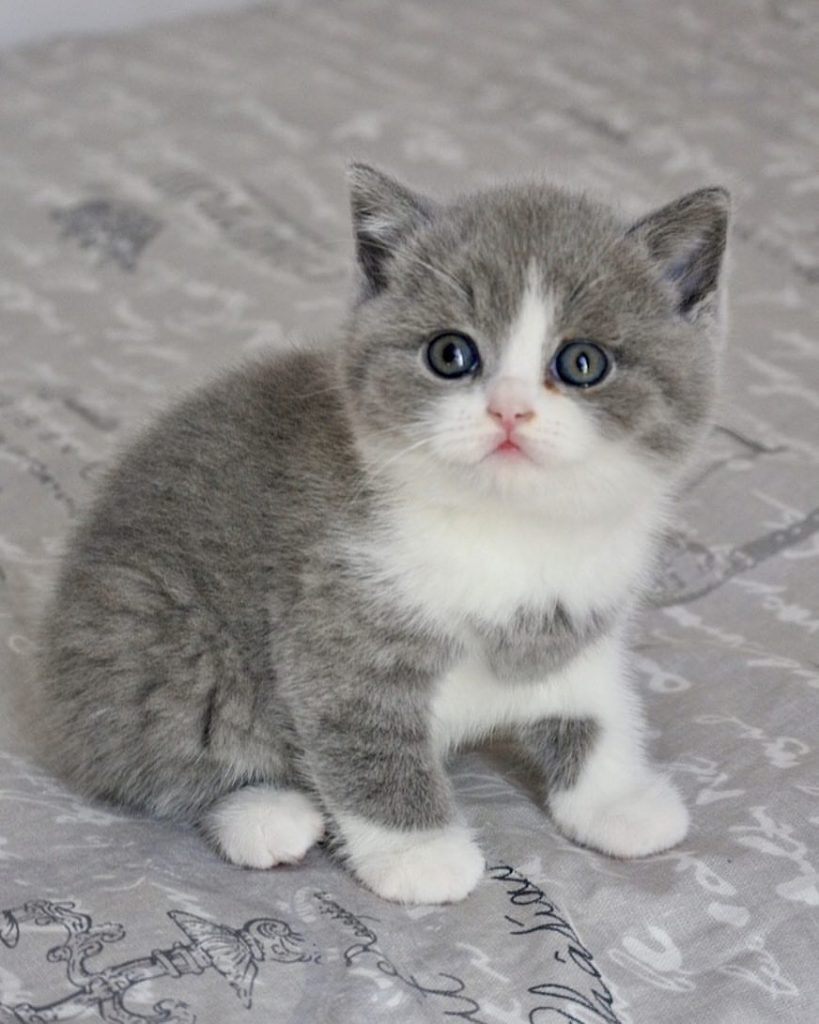
If you’re considering adding a new furry member to your family, British Shorthair cats offer a perfect blend of charm, elegance, and companionship. Known for their distinctive features and playful yet calm demeanor, these cats have captured the hearts of pet lovers around the world. Whether you’re looking to adopt from a shelter or purchase from a reputable breeder, this guide will equip you with essential information on the characteristics, care, and costs associated with British Shorthairs, as well as tips for finding the perfect feline companion near you. Explore the world of British royalty in the form of these delightful cats, and discover why they might just be the ideal addition to your home.
The Allure of Shorthair Cats: A Royal Choice
History and Origin of British Shorthair Cats
British Shorthair cats can trace their majestic lineage back to ancient Rome, where they were cherished for their sturdy frames and hunting prowess. As the Romans strutted around Europe with their fluffy companions, these cats adapted to the British climate and lifestyle. Fast forward a few centuries, and they became the darlings of Victorian society, celebrated for their robust charm and striking appearance—think of them as the royalty of the feline world, minus the crown and scepter.
Their Distinctive Appearance and Personality Traits
With their round faces, dense coats, and chubby cheeks, British Shorthairs are the quintessential “cute overload.” Their plush, plushness could have anyone reaching for a pinch, just to see if they’re real. Beyond their appearance lies a personality that combines sophistication with playfulness. They are known to be easygoing and affectionate, but don’t be fooled—they can also have a stubborn streak that would make even the most obstinate royal take note.
Characteristics of British Shorthair Cats
Physical Traits
British Shorthairs are like the bodybuilders of the cat kingdom, boasting solid, muscular builds and a wide, rounded face that can make even the toughest of tough guys swoon. Their short, dense coats come in a variety of colors, but the classic blue (a lovely grayish-blue) is their most iconic. With their big, round eyes, and a presence that shouts “I’m a big deal,” these cats are not just pets—they’re a statement.
Temperament and Behavior
If you’re looking for a feline companion who’s as chill as a cucumber in winter, the British Shorthair is your go-to. They are known for being laid-back and affectionate, often following their humans around without being too needy. While they love a good play session (especially with a laser pointer), they’re not going to jump on your keyboard while you’re in the middle of a Zoom call. Instead, they’ll sit contentedly nearby, judging your typing speed and silently plotting world domination—or maybe just a naptime.
Common Health Issues
Like any royal, British Shorthairs can have their share of health issues. Some common problems include obesity (those cheeks don’t fill themselves), hypertrophic cardiomyopathy (a heart condition that sounds scarier than it is), and dental disease. Regular check-ups and a balanced diet should be part of their royal treatment plan to keep them in tip-top shape.
Finding Reputable Breeders in Your Area
What to Look for in a Breeder
When searching for a reputable breeder, you want to find someone who treats their cats like family, not just inventory. Look for breeders who are transparent about their breeding practices, health testing, and who can provide references. A good breeder will also encourage you to visit their facility, offering you a glimpse into the daily royal lives of their feline residents.
Questions to Ask Potential Breeders
Don’t hesitate to channel your inner detective when interviewing potential breeders. Ask about their breeding goals, the health history of the kittens, and whether they offer any guarantees. Also, inquire about socialization practices—because a well-adjusted cat is a happy cat! A reputable breeder will gladly share this information and may even ask you questions to ensure their kittens go to the best homes.
Adoption vs. Purchase: Which is Right for You?
Benefits of Adopting a Shorthair Cat
Opting to adopt can feel like you’ve hit the jackpot! Not only do you give a home to a deserving kitty, but you also often get a cat that’s already spayed/neutered, vaccinated, and sometimes even microchipped. Plus, you get bonus points for being a hero—who doesn’t want to be the cat savior of the neighborhood?
Pros and Cons of Buying from a Breeder
Purchasing from a breeder can guarantee you a purebred British Shorthair with a verified pedigree. You get to choose the cat’s traits, color, and more! However, prepare for a price tag that can be hefty enough to make your wallet gasp. There’s also the responsibility of ensuring you connect with a reputable breeder since not all have the best interests of their cats at heart—so do your research and avoid any cat-related drama!
Preparing Your Home for a Shorthair Cat
Essential Supplies You’ll Need
Before your new feline friend arrives, make sure you’re stocked up on the essentials. First and foremost, grab a litter box—because no one wants a surprise “gift” on the living room rug! You’ll also need quality cat food (adult cat food for British Shorthairs, please!), food and water bowls, a cozy bed (who doesn’t love a good nap?), scratching posts, and toys to keep those playful paws busy. Don’t forget a carrier for trips to the vet—it’s a royal necessity!
Creating a Safe and Comfortable Environment
Your home should be a regal palace for your British Shorthair. Ensure windows and balconies are secured, as these curious cats love to perch and observe the world. Cat-proofing your space by hiding away toxic plants, cords, and breakables will save both your sanity and your cat’s safety. Designate a quiet nook where your Shorthair can retreat when feeling overwhelmed, and sprinkle in plenty of cozy spots for them to lounge—after all, lounging is a royal sport!
Care and Maintenance of British Shorthair Cats
Feeding and Nutrition Requirements
British Shorthairs aren’t just adorable balls of fluff; they need proper nutrition to maintain their health and dashing good looks. Look for high-quality cat food that lists meat as the first ingredient. Remember, they can be prone to obesity, so portion control is key. Consult your vet for tailored feeding guidelines, and prepare yourself for the mildly judgmental stares when you’re snacking on something those little kings and queens can’t have.
Grooming Tips for Shorthair Cats
The good news? Grooming British Shorthairs is a breeze! Their luxurious coat only needs a good brushing a couple of times a week to keep it shiny and reduce shedding. During shedding season, you might want to bump this up to a daily routine—because it’s not just the cat that can shed, but your entire home! A soft brush and some gentle petting will make this grooming session a bonding experience. Just don’t be surprised if your cat gives you the side-eye while you do it.
Regular Health Check-ups and Vaccinations
Just like with any royal, regular health check-ups are a must. Schedule visits to the vet at least once a year for vaccinations and check-ups. Keep an eye out for common health issues in British Shorthairs, like obesity and heart problems. Preventative care is your best friend in keeping your kitty in tip-top shape. Plus, your vet might just become your cat’s new best friend, which is a title that’s as important as any royal accolade!
Understanding the Cost of Ownership
Initial Purchase or Adoption Fees
Bringing a British Shorthair into your life comes with an upfront cost. If you’re purchasing from a breeder, expect to fork over a pretty penny—prices can range from $800 to $2,000. Adoption can be a more budget-friendly option, often costing between $50 and $200. Regardless of your choice, remember that your investment will bring years of cuddles and companionship—definitely worth every cent!
Ongoing Costs: Food, Vet Visits, and Supplies
Once you’re a proud parent, the expenses don’t stop there. Budget for quality food, litter, regular vet visits, and the occasional splurge on new toys or scratching posts. On average, you might be looking at around $500 to $1,000 a year for feeding, healthcare, and miscellaneous supplies. It’s a price tag that’s easier to swallow when you consider the endless purring and the royal zoomies around your living room!
Testimonials from British Shorthair Cat Owners
Personal Stories and Experiences
“Adopting my British Shorthair was the best decision I ever made! From their charming personalities to their cozy cuddles, every moment is worth it. Even when they steal my chair and give me the ‘what are you going to do about it?’ look.” — Sarah, cat enthusiast and professional napper.
Advice for New Shorthair Cat Owners
“Just remember, patience is key. Your Shorthair may take a little time to adjust to their new castle, and that’s perfectly normal! Don’t rush things; let them explore at their own pace. And prepare yourself for an endless supply of cuteness—it’s incredibly addictive!” — Mark, seasoned Shorthair owner and part-time cat wrangler.In conclusion, welcoming a British Shorthair cat into your home can bring joy, companionship, and a touch of royal elegance to your life. By understanding their unique needs and characteristics, as well as exploring your options for adoption or purchase, you can make an informed decision that suits both your lifestyle and the well-being of your new feline friend. Whether you choose to adopt or buy, the bond you form with a British Shorthair will undoubtedly enrich your life in countless ways. Embrace the journey of finding your perfect furry companion, and enjoy the love and loyalty that these wonderful cats have to offer.
Frequently Asked Questions
What is the average lifespan of a British Shorthair cat?
The average lifespan of a British Shorthair cat is typically between 12 to 20 years, depending on their health, diet, and living conditions.
Do British Shorthair cats require special grooming?
While British Shorthairs have a short, dense coat that requires less grooming than long-haired breeds, regular brushing is recommended to reduce shedding and keep their coat healthy.
Are British Shorthair cats good with children and other pets?
Yes, British Shorthairs are generally known for their calm and friendly temperament, making them good companions for children and other pets. However, early socialization is important to ensure positive interactions.
What should I feed my British Shorthair cat?
A balanced diet that consists of high-quality cat food, rich in protein and essential nutrients, is ideal for British Shorthairs. Consult your veterinarian for specific dietary recommendations based on your cat’s age and health needs.