
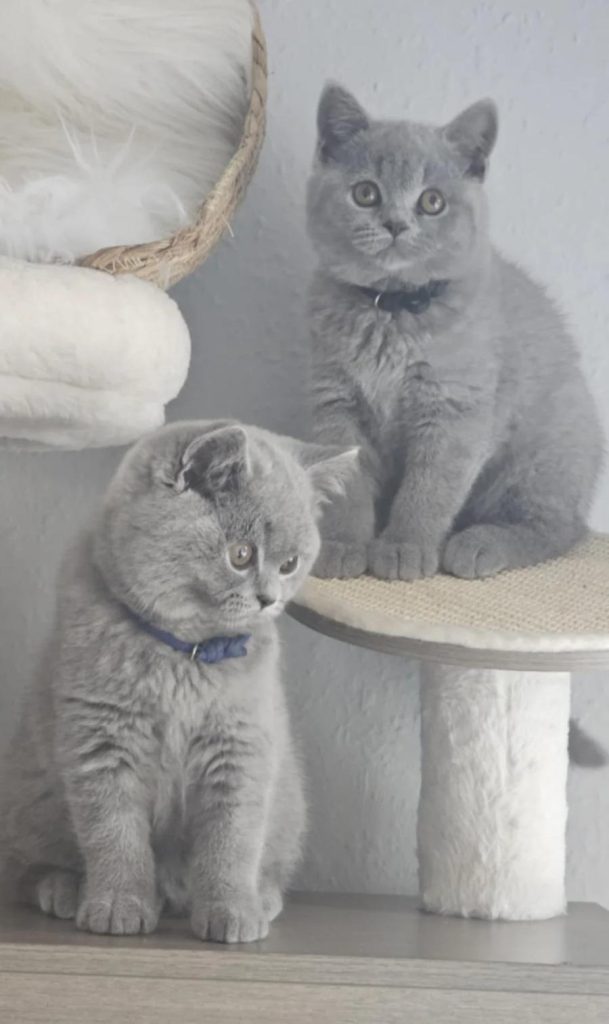
In a world filled with diverse cat breeds, the British Shorthair stands out as a symbol of elegance and charm, often regarded as the epitome of feline royalty. With their plush coats, round faces, and captivating personalities, these cats are not just pets; they are loyal companions that bring warmth and joy to any household. Whether you are a seasoned cat owner or considering your first furry friend, this article will guide you through the delightful journey of adopting a British Shorthair. From understanding their unique traits and care requirements to tips on finding the perfect match, prepare to embrace the regal presence of a British Shorthair in your life!
The Charm of British Shorthairs: A Royal Breed Overview
History and Origins of the British Shorthair
The British Shorthair boasts a rich history that goes back to Roman times, when they were used to keep vermin at bay—think of them as the original “cat burglars.” They gained royal approval (and quite the fan club) thanks to their presence in various British artworks and literature. By the 19th century, they were officially recognized as a breed, and since then, they’ve been pampered and adored, cementing their status as true aristocrats of the feline world.
Physical Characteristics: A Distinctive Look
With their plush, dense coats and round faces, British Shorthairs are the epitome of “cuddle me now.” They sport a short, thick, and often luxurious coat that can come in a variety of colors. Their big, round eyes and sturdy build give them a charming teddy bear appearance—perfect for snuggles. Standing at a robust height and weighing anywhere from 9 to 18 pounds, these cats are definitely the “gentle giants” of the feline kingdom.
Personality Traits: What to Expect from Your British Shorthair
Temperament: The Gentle Giant
British Shorthairs are known for their calm and laid-back demeanor. They possess a regal air (perhaps they know they are royalty), making them fantastic companions for families and singles alike. These cats are not overly demanding of attention but will gladly be by your side, providing silent support as you binge-watch your favorite shows. Their even-tempered nature means they usually handle chaos with grace, making them the perfect sidekicks, whether you’re working from home or entertaining guests.
Social Behavior: Interaction with Humans and Other Pets
Don’t let their dignified looks fool you; British Shorthairs are sociable and enjoy being around people. They thrive on companionship and are known to form strong bonds with their humans. They can coexist peacefully with other pets, displaying a patient attitude. Although they tend to be more independent than some breeds, they still value playtime and snuggles, making sure to keep the mood light and fun!
Care and Maintenance: Ensuring a Happy and Healthy Companion
Diet and Nutrition: Feeding Your British Shorthair
To keep your British Shorthair in tip-top shape, a balanced diet is key. These felines are not overly fussy eaters but do require high-quality cat food that meets their nutritional needs. Look for options rich in protein to support their muscular build, and consider talking to your vet about portion sizes since they can sometimes be prone to weight gain—after all, no one wants their royal cat to roll down the palace stairs!
Grooming: Coat Care and Maintenance
Thanks to their plush coats, British Shorthairs do need some regular grooming to avoid matting and reduce shedding. A good brushing once a week should do the trick to keep their fur looking regal. Bathing isn’t usually necessary unless your royal companion gets into something messy. Just remember, no one likes a bath, so keep it to a minimum and treat them with some treats afterward for a touch of royal reward!
Choosing the Right British Shorthair: Tips for Prospective Owners
Finding Reputable Breeders vs. Adoption Centers
When searching for your future British Shorthair, you have two main avenues: reputable breeders or adoption centers. If you choose a breeder, ensure they follow ethical practices and prioritize the health and temperament of their cats. On the other hand, adoption centers often have fabulous felines looking for a royal home as well. Either way, it’s essential to do your research to find the right fit for you and your soon-to-be companion.
Assessing Personality: Meeting Potential Companions
When meeting potential British Shorthair companions, take your time to observe their personalities. Look for a cat that feels comfortable and interacts with you in a way that feels right. Don’t hesitate to engage in play—after all, you’re testing the waters of a future friendship. And remember, each cat has its own unique vibe, so go with your gut. After all, you wouldn’t want to adopt a cat who prefers to be a solitary royal, would you?
Training Your British Shorthair: Building a Strong Bond
Basic Commands and Training Techniques
Training your British Shorthair can be as royal as they are! Start with basic commands like “sit,” “stay,” and “come” using treats (because who doesn’t love snacks?). Use positive reinforcement—the magic wand of cat training. A gentle voice and yummy rewards will make your kitty feel like the king or queen of their own castle. And remember, patience is key. Your British Shorthair may have all the charm, but mastering tricks takes time, much like a royal learning to adjust to life without a tiara.
Socialization: Preparing Your Cat for Different Environments
Socialization is crucial for your British Shorthair, as they might be a bit shy or reserved at first—like royalty entering a crowd of commoners. Introduce them gradually to different people, pets, and environments. Invite friends over, but keep the castle gates open only a crack at first. Use treats and toys to create positive associations with new experiences. Remember, the world can be as daunting as a jester in a royal court, so take it slow and let your cat explore at their own pace.
Common Health Issues: Keeping Your Feline Friend Safe
Regular Vet Check-ups and Vaccinations
Just like maintaining a kingdom, keeping your British Shorthair healthy requires regular vet check-ups and vaccinations. These royal fluffballs can be prone to certain health issues, so it’s worth scheduling those appointments regularly. Aim for a yearly check-up to catch any potential issues early—much better than discovering a coup at the castle gates! And don’t forget to keep their vaccinations up to date; it’s a small price to pay for a happy, healthy royal reign.
Understanding Breed-Specific Health Concerns
Every breed has its quirks, and British Shorthairs are no exception! They may be predisposed to heart disease (hypertrophic cardiomyopathy, if you want to sound fancy) and hip dysplasia. Keep an eye on their weight, too; it’s easy for them to become little chubby cherubs despite their royal allure. Understanding these breed-specific concerns will empower you to give your feline friend the best care possible, ensuring they reign supreme in your household for years to come.
The Joy of Adoption: Finding Your Perfect British Shorthair Match
The Benefits of Adopting vs. Buying
Why adopt when you can buy, you ask? Well, darling, adopting a British Shorthair not only saves a life, but it opens up space for another kitty in need. Adopted cats are often already spayed/neutered and may come with a clean bill of health—like a pre-approved royal! Plus, there’s something incredibly rewarding about giving a feline friend a second chance at happiness. Remember, the paw-some kitty you adopt could be the true “heir” to your heart!
What to Expect During the Adoption Process
The adoption process for your British Shorthair should feel like a royal affair—complete with paperwork and a waiting period. Expect to fill out an application, have a meet-and-greet, and possibly undergo a background check (yes, they take their kitty matchmaking seriously). Don’t forget to bring a carrier fit for a king or queen! Once you’re approved, you’ll likely need to pay an adoption fee, which often covers vaccinations and spaying/neutering. Patience is a virtue, but soon enough, you’ll have your new furry friend ready to take their throne.
Conclusion: Embracing Life with Your British Shorthair Companion
Celebrating the Bond: Creating Memories Together
As you embark on the majestic journey of cat ownership, remember to cherish the small moments with your British Shorthair. From lazy afternoons on the couch to playful antics that make your heart swell, each memory is like a jewel in your crown. Take photos, create cozy spaces, and share stories with friends—your regal companion will surely become the talk of the town, and you’ll find joy in their delightful quirks.
Final Thoughts on the Royal Experience of Ownership
Owning a British Shorthair is more than just having a pet; it’s an experience fit for royalty. Their playful, yet dignified nature brings a unique charm to any household. As you and your feline learn to rule your domain together, embrace the companionship, the laughter, and even the occasional chaos. After all, every royal household has its quirks! So grab that feather toy, and prepare yourself for a life filled with love, laughter, and perhaps a little royal mischief! Bringing a British Shorthair into your home is not just about adding a pet to your family; it’s about welcoming a loyal companion that embodies grace and personality. By understanding their needs and characteristics, you can foster a loving relationship that will enrich both your lives. Whether you choose to adopt or purchase, remember that each British Shorthair has its own unique charm waiting to be discovered. Embrace the joy of having a British Shorthair, and enjoy the royal companionship they offer for years to come.
Frequently Asked Questions
1. What is the average lifespan of a British Shorthair?
The average lifespan of a British Shorthair is typically between 12 to 20 years, depending on factors such as genetics, diet, and overall care.
2. Are British Shorthairs good with children and other pets?
Yes, British Shorthairs are known for their gentle and friendly demeanor, making them great companions for children and other pets when properly socialized.
3. How much grooming do British Shorthairs require?
British Shorthairs have dense, plush coats that benefit from regular grooming, ideally once a week, to reduce shedding and prevent matting.
4. What should I feed my British Shorthair for optimal health?
A balanced diet with high-quality cat food that is rich in protein and nutrients is essential for maintaining the health of a British Shorthair. Consulting with a veterinarian for specific dietary recommendations is advisable.