
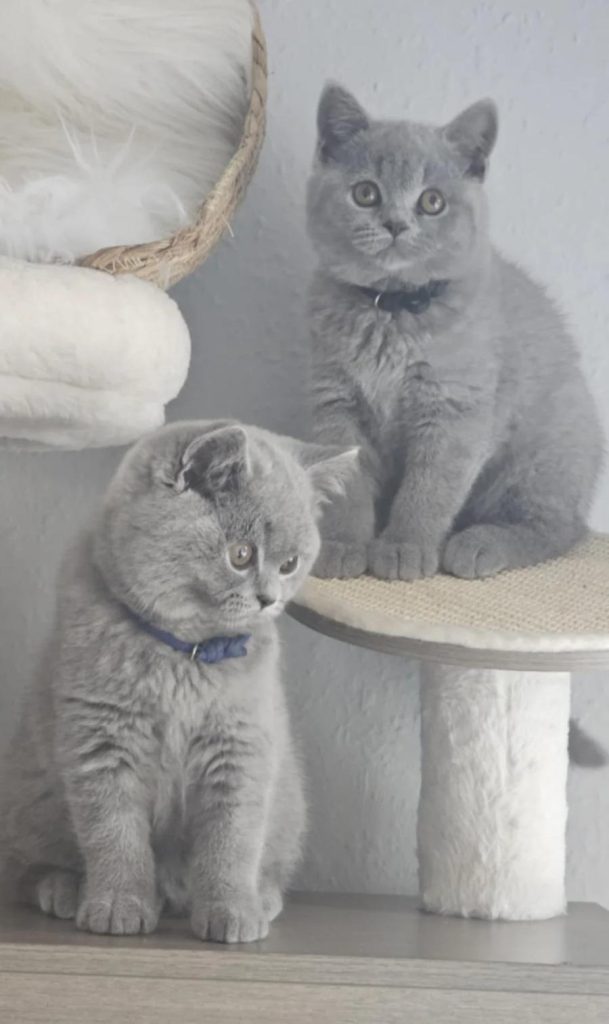
The British Shorthair is a beloved feline breed known for its distinctive looks and charming personality. With their plush coats, round faces, and captivating eyes, these cats have garnered a loyal following among pet lovers. However, owning a British Shorthair involves more than just appreciating their adorable appearance; it requires a thoughtful consideration of their unique characteristics, associated costs, and the benefits they bring to a household. In this article, we will explore why investing in a British Shorthair can be a rewarding experience, examining both the advantages and financial implications of welcoming this enchanting breed into your home.
Introduction to British Shorthairs
If you’ve ever scrolled through cat memes and spotted a round-faced, plush-coated feline that looks like it just stepped out of a Victorian painting, you’ve probably encountered the majestic British Shorthair. This breed has charmed its way into the hearts of many with its distinctive look and laid-back attitude. But what makes these cats so special? In this article, we’ll delve into their unique characteristics, the benefits of having one as a pet, and the costs you should consider before bringing one home. Spoiler alert: they are as delightful as they seem!
Unique Characteristics of British Shorthairs
Physical Appearance
British Shorthairs are like the bodybuilders of the cat world—stocky, muscular, and with a face that seems to be perpetually asking, “Did you really just try to take my snack?” Their dense, plush coat can be found in an array of colors, but that classic blue-gray is what truly captures the heart. With large, round eyes that can melt even the iciest of hearts, they exude an aura of dignified charm. Their short, thick legs and rounded paws only add to their robust appearance, making them look oh-so-cuddly.
Temperament and Behavior
Don’t let their regal appearance fool you; British Shorthairs are the calm, collected couch potatoes of the cat kingdom. Generally sweet and easygoing, they’re not the type to engage in acrobatic feats or mischief. Think of them as the lovable, slightly aloof friend who enjoys your company but is equally happy to take a nap instead of hitting the town. They’re independent but affectionate, often content to lounge beside you without being overly demanding of attention. Perfect for introverted cat lovers, right?
Benefits of Owning a British Shorthair
Temperament and Personality
One of the standout benefits of owning a British Shorthair is their amiable temperament. These cats are known for their gentle and steady demeanor, making them great companions for families, singles, and everyone in between. They tend to get along well with children and other pets, turning your household into a harmonious haven of purring love. Plus, their calm nature means fewer surprises—like wrestling your slippers in the middle of the night.
Low Maintenance Grooming
If you’re not exactly a fan of hairballs and daily combing sessions, the British Shorthair might just be your grooming soulmate. Their short, dense fur requires minimal upkeep, and a brush once a week will keep them looking dashing without turning you into a full-time cat stylist. So, you can spend less time grooming and more time enjoying kitty cuddles (or scrolling through cat memes, no judgment).
Health Considerations
When it comes to health, British Shorthairs generally have a reputation for being sturdy and resilient. With proper care, they can live long, happy lives—often reaching into their teens or beyond. While they can be prone to certain hereditary conditions (like heart issues), regular vet check-ups and a good diet can keep your feline friend feeling fabulous for years. Plus, their relatively low activity level helps keep them from getting too wild, reducing the risk of pesky injuries.
Costs Associated with British Shorthair Ownership
Initial Purchase Price
Let’s talk about the elephant (or should I say, the fluffy British Shorthair?) in the room: the cost. Purchasing a British Shorthair can range from around $800 to $2,500, depending on factors like pedigree and breeder reputation. Think of it as an investment in cuteness—paying for a furry friend who might just fill your life with joy (and a few quirky antics).
Ongoing Care Expenses
Once you’ve secured your British Shorthair, prepare for some ongoing expenses that go beyond the initial price tag. Food, litter, toys, and regular vet visits can add up, so it’s wise to budget around $500 to $1,000 annually for their upkeep. Don’t forget the inevitable impulse buys—like that cozy cat bed you absolutely “need” to spoil your majestic companion!
Potential Health Issues
While British Shorthairs are generally healthy, they can experience a few breed-specific health concerns like hypertrophic cardiomyopathy (HCM) and obesity if not monitored. This means potential extra costs for vet check-ups, medications, or special diets as they age. It’s a good idea to discuss these risks with your vet and set aside a little extra in your pet budget for any unforeseen health hiccups. After all, you wouldn’t want your furry friend to skip the vet just because you spent all your money on fancy cat toys!
Comparison with Other Cat Breeds
British Shorthairs vs. Other Popular Breeds
When it comes to feline flair, British Shorthairs hold their own against other popular breeds like Siamese and Maine Coons. While the Siamese might be the chatty socialite of the cat world, bringing a burst of energy and conversation (and sometimes sass), the British Shorthair is more like that reliable friend who can chill on the couch for hours without a care. Maine Coons, with their majestic size and playful demeanor, are great companions, but they often demand a bit more grooming—while British Shorthairs boast a plush coat that requires less fuss and more snuggles. In short, if you want a cat with a laid-back personality, a sturdy build, and a look that could make a cat food commercial jealous, the British Shorthair is hard to beat.
Suitability for Different Lifestyles
British Shorthairs are like the Swiss Army knives of the cat world—suitable for almost any lifestyle! Whether you’re a busy professional or a stay-at-home cat parent, these kitties adapt like pros. They enjoy their alone time but also appreciate playdates with you—just don’t expect them to be the life of the party. If you have kids or other pets, they’re generally tolerant and patient. However, if you live in a tiny studio apartment and can’t provide enough space to roam, you might want to consider whether a British Shorthair’s gentle, playful nature can thrive in your setup. Ultimately, they’re great companions for anyone willing to offer a bit of love and a cozy lap to catnap on.
Tips for Prospective British Shorthair Owners
Choosing a Reputable Breeder
So you’ve decided to join the British Shorthair fan club—welcome aboard! The first step is finding a reputable breeder, preferably one who doesn’t have a secret lair of catnip-fueled shenanigans. Look for breeders who are part of recognized cat associations and provide health guarantees for their kittens. A good breeder will also take the time to answer your questions, ensure their cats are living in healthy, happy conditions, and may even allow you to meet the kitten’s parents (bonus points for cuteness). If the breeder is more interested in your wallet than your well-being as a cat owner, run the other way!
Preparing Your Home for a British Shorthair
Before your new British Shorthair arrives, make some preparations to ensure it’s as welcoming as a five-star cat hotel. Start by securing your home—just like humans, cats are curious, and that tempting windowsill can lead to unexpected adventures. Invest in scratching posts to protect your furniture from those expert claws. Don’t forget to set up cozy spots for napping (a key British Shorthair pastime) and provide toys to keep them entertained. Finally, prepare a designated feeding area and a litter box—no one likes a surprise litter situation on the living room carpet! With these steps, you’ll be ready to roll into cat parenthood with style.
Conclusion: Is a British Shorthair Right for You?
Final Thoughts
In the grand cat decision-making process, the British Shorthair stands out for its charm, adaptability, and delightful cuddliness. They’re low-maintenance in terms of grooming while still packing a punch in the cuteness department. However, it’s important to consider your lifestyle and environment—these cats thrive on love and companionship but also value a bit of alone time. If you’re looking for a loyal companion who will keep you company through thick and thin (and occasional cat naps), then this breed might just be your ideal partner in crime.
Making the Commitment
Adopting a British Shorthair isn’t just about bringing home a fluffy companion; it’s a commitment to years of shared meows, purrs, and the occasional hairball (let’s not pretend it doesn’t happen). Make sure you’re ready for the long haul, as these cats live an average of 12-20 years—meaning you’ll have lots of cuddle sessions and playful antics ahead. If you’re prepared to provide love, care, and a little bit of humor when they knock things off the counter (because why not?), then you’re well on your way to enriching each other’s lives with British Shorthair magic! In conclusion, investing in a British Shorthair can be a fulfilling decision for those who appreciate their friendly nature and low-maintenance grooming needs. While there are costs associated with their care, the joys they bring to your life often outweigh the financial considerations.
FAQ
What is the average lifespan of a British Shorthair?
The average lifespan of a British Shorthair is typically between 12 to 15 years, although some may live longer with proper care and regular vet check-ups.
Are British Shorthairs good with children and other pets?
Yes, British Shorthairs are generally known for their friendly and tolerant nature, making them suitable companions for children and other pets, provided they are socialized properly from a young age.
How much do British Shorthairs typically cost?
The initial cost of a British Shorthair can range from $1,000 to $2,000, depending on the breeder, location, and pedigree. Additional costs for care, grooming, and healthcare should also be considered.
Do British Shorthairs require a lot of grooming?
No, British Shorthairs have a dense, plush coat that requires minimal grooming. Weekly brushing is usually sufficient to keep their coat healthy and free of matting.