
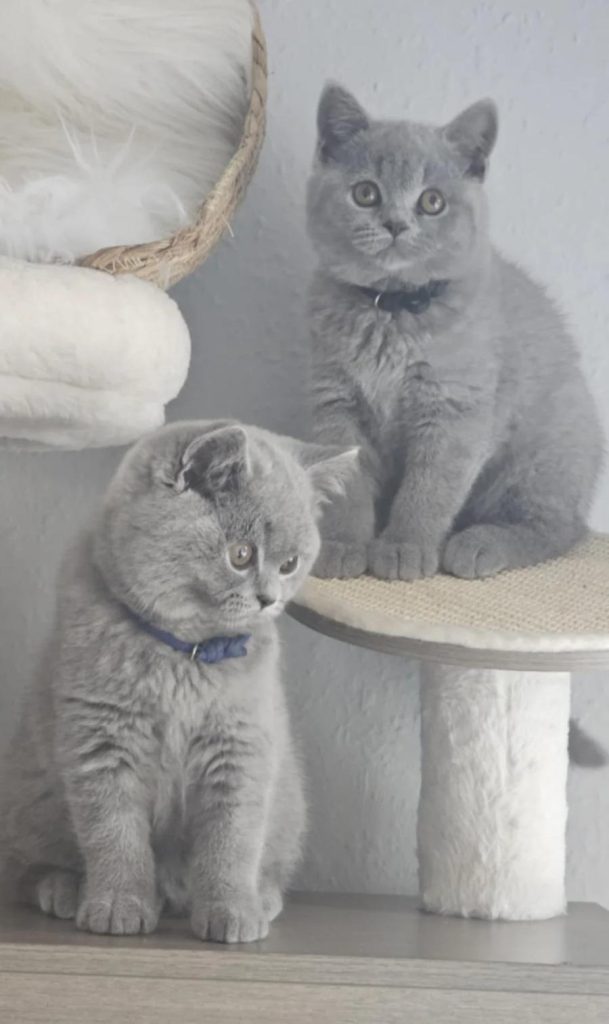
If you’re considering adding a feline friend to your household, the British Shorthair might just be the perfect match for you. Renowned for their charming personalities, striking appearance, and easygoing nature, these cats have become a favorite among pet lovers. Whether you’re a seasoned cat owner or a first-time adopter, understanding the unique traits and needs of the British Shorthair will help you make an informed decision. This article will guide you through everything you need to know about this beloved breed, from their history and temperament to tips for bonding and care, ensuring you find the ideal companion for your lifestyle.
Understanding the British Shorthair Breed
History and Origins
The British Shorthair has a history as rich as a good cup of Earl Grey. Its roots trace back to ancient Rome when these felines were brought over by soldiers to help control the rodent population. Fast forward a few centuries, and you’ll find them lounging in the homes of British aristocrats, gaining a reputation as the quintessential British companion. They even strutted their stuff at the first cat show in 1871, proving that these cats were not just pretty faces, but also stars in their own right.
Physical Appearance
If you’ve ever seen a British Shorthair, you’ll know they’re about as charming as a biscuit and tea on a rainy day. Characterized by their round face, plush coat, and sturdy build, these cats might remind you of a small, furry teddy bear (that unfortunately doesn’t come with its own ‘snuggle me’ button). Their large, round eyes give them an adorable, wide-eyed look, and their ‘chubby’ cheeks are just part of their undeniable allure. Plus, with a dense, plush coat that feels like a cloud, getting a cuddle from one is an irresistible experience.
Key Characteristics of British Shorthairs
Coat Colors and Patterns
When it comes to style, British Shorthairs are like the fashion-forward friends we all wish we could be. They come in a dazzling array of coat colors and patterns, from classic blues to shades of cream, red, and even tabby. You might even find one sporting a bi-color coat or a stunning chinchilla silver pattern. The best part? Their plush, rounded fur is a delight to stroke, so while you’re trying to decide on your favorite color, you can enjoy some serious petting time!
Size and Build
These cats are not your average lap dwellers; British Shorthairs have a solid build that screams “I’m the boss of this house!” Males typically weigh between 9 to 17 pounds (that’s more than some small dogs) while females usually weigh in a bit lighter. With their robust bodies, wide-set paws, and muscular frames, you might even mistake them for a small, furry bouncer. But don’t let their size fool you! They’re as gentle as can be and just as likely to curl up on your lap as they are to patrol their kingdom.
The Temperament of a British Shorthair
Social Behavior
British Shorthairs are the perfect blend of independent and affectionate. They’re not the type to cling to you like a toddler with their favorite toy, but they also enjoy a good snuggle session when the mood strikes. These cats are known for their calm demeanor and make excellent companions for families and individuals alike. They’re friendly with children, other pets, and even that grumpy neighbor you avoid. Just don’t be surprised if they occasionally act like they own the place!
Intelligence and Trainability
Let’s just say that British Shorthairs may not be competing in the next “Cat Olympics,” but they’re surely no dummies either. They possess a decent amount of intelligence and can be trained to do tricks—like fetch or sit—if you’re persistent and perhaps bribing them with treats. Their curious nature can lead them to investigate every nook and cranny of their home, which is just another way of saying they have a knack for “supervising” you while you do your chores. Just remember: they’re trainable, but they’ll only obey if it suits their royal whims.
Health Considerations for British Shorthairs
Common Health Issues
Just like us humans, British Shorthairs have their own set of health considerations. They can be prone to particular genetic conditions, including hypertrophic cardiomyopathy (a fancy term for heart disease), obesity, and certain joint issues. Keeping an eye on their diet and ensuring they get enough playtime is essential to prevent those extra fluffy pounds from sneaking up. Regular health check-ups can go a long way in ensuring your furry friend stays as sprightly as a kitten!
Regular Veterinary Care
When it comes to health, prevention is worth a pound of catnip! Regular veterinary visits are crucial for your British Shorthair, as they can catch any potential problems before they become purr-plexing issues. Vaccinations, dental care, and regular check-ups are all part of the package deal that keeps your kitty feeling their best. Plus, your vet will appreciate your enthusiasm for feline health, and your British Shorthair will reward you with headbutts and purrs for being such a caring cat parent!
Preparing Your Home for a British Shorthair
Creating a Safe Environment
Before your British Shorthair becomes the reigning monarch of your home, it’s crucial to create a safe space fit for feline royalty. Start by removing any potential hazards like houseplants that are toxic to cats (yes, your beloved peace lily may need to find a new home). Secure loose wires, tuck away small items they could swallow, and ensure windows are securely screened. A cozy corner with a cat bed, away from drafts, is a must—because like all divas, they prefer comfort above all else!
Essential Supplies and Accessories
If you’re going to roll out the welcome mat for a British Shorthair, you’ll need to stock up on some essential supplies. Basic items include a sturdy litter box (they appreciate a clean throne), high-quality cat food (because they’re not just any kitty), a scratching post (to protect your furniture from their claws of fury), and a selection of toys to keep their playful spirit alive. Don’t forget a cozy blanket for snuggling—it’s practically a requirement for any self-respecting cat!
Finding a Reputable Breeder or Adoption Center
What to Look for in a Breeder
When hunting for a breeder, think like a detective armed with a checklist. First, look for a breeder who’s transparent about their breeding practices and provides health clearances for the kittens’ parents. A good breeder should be more than happy to show you around their facility and introduce you to the kittens’ relatives—after all, you want to ensure you’re not adopting a future couch potato or a feline diva with a temperament to match!
Adoption vs. Purchase
The classic debate: to adopt or to purchase? Adopting a British Shorthair from a shelter can be incredibly rewarding as you’re giving a cat a second chance at happiness. Plus, they often come vaccinated and spayed/neutered. However, if you’re set on a specific lineage and breed standard, purchasing from a reputable breeder may be your best bet. Just remember, no matter which route you take, finding the right match is key—and this is one relationship you don’t want to rush into!
Tips for Bonding with Your British Shorthair
Building Trust and Affection
To win over a British Shorthair’s heart, patience and understanding are your best allies. Begin by letting your new feline friend explore their territory at their own pace—don’t be the one standing in the way of their royal inspection! Use treats and gentle conversation to entice them closer, and respect their boundaries. Once trust is established, brace yourself for a cuddly companion who’ll enjoy lounging on your lap like they own the place (spoiler alert: they do!).
Engaging in Playtime and Activities
Playtime is not only essential for your British Shorthair’s health, but it’s also a fantastic way to strengthen your bond. Interactive toys, laser pointers, and feather wands are great options to get them moving. Just remember, these cats have a reputation for being both playful and slightly lazy, so embrace their quirky moods! A few short bursts of play interspersed with some quality snuggle time is the purr-fect combination for a happy kitty.
Conclusion: Is a British Shorthair Right for You?
Assessing Your Lifestyle
Before you rush to bring home a British Shorthair, take a moment to evaluate your lifestyle. Do you work long hours or travel often? These cats tend to be social and enjoy companionship, so if they’re left alone for long periods, it could lead to some very vocal complaints. However, if you can provide a stable, loving environment, you may just be the perfect match for each other!
Long-Term Commitment and Care
Remember, bringing home a British Shorthair is a long-term commitment—today’s cute fluffball will transform into a majestic feline tyrant (adorably so) over the years. They require regular vet visits, a nutritious diet, and mental stimulation. If you’re ready to embrace their affectionate quirks and charming personality for the long haul, then congratulations—you might just have found your purr-fect match! In conclusion, the British Shorthair is a wonderful breed that can bring joy and companionship to any home. By understanding their unique characteristics and needs, you can ensure a harmonious relationship with your new feline friend. Whether you choose to adopt or purchase, taking the time to prepare for a British Shorthair will lead to a fulfilling and loving bond. Remember, owning a cat is a long-term commitment, and with the right preparation, your British Shorthair can be a cherished member of your family for many years to come.
Frequently Asked Questions
What should I look for when choosing a British Shorthair kitten?
When selecting a British Shorthair kitten, consider factors such as the breeder’s reputation, health testing of the parents, and the kitten’s demeanor. Look for a playful, curious, and healthy kitten with clear eyes and a shiny coat.
How much grooming does a British Shorthair require?
British Shorthairs have a dense, plush coat that benefits from regular grooming. Brushing them once a week is typically sufficient to remove loose hairs and prevent matting, while also providing an opportunity to check for any skin issues.
Are British Shorthairs good with children and other pets?
Yes, British Shorthairs are generally known for their calm and tolerant nature, making them good companions for children and other pets. However, early socialization and proper introductions are key to ensuring harmonious relationships.
How can I keep my British Shorthair healthy?
To maintain your British Shorthair’s health, provide a balanced diet, regular exercise, and routine veterinary check-ups. Keeping their environment enriched with toys and activities can also help prevent obesity and behavioral issues.