
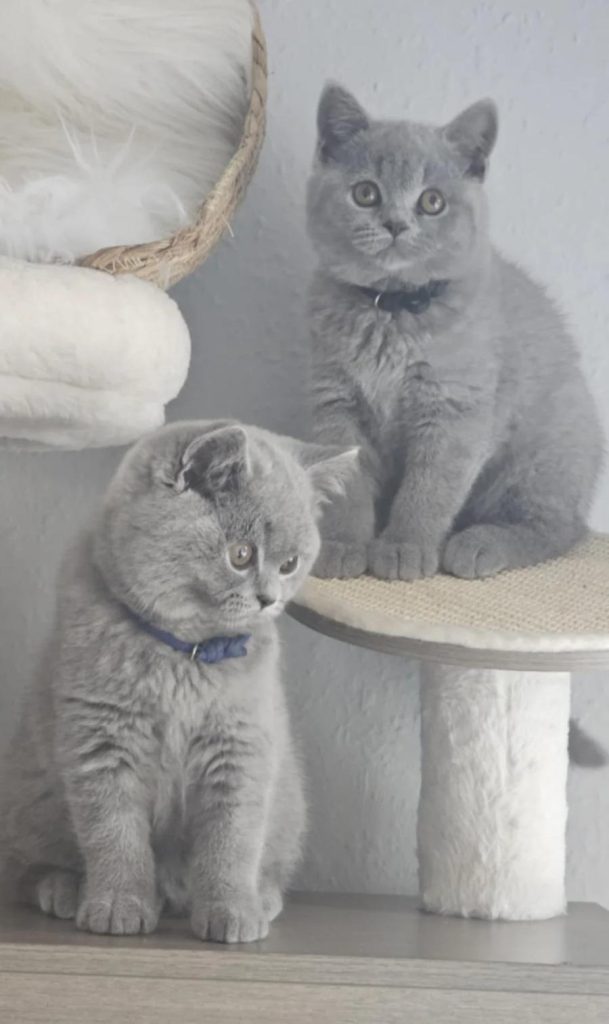
The British Shorthair has captured the hearts of cat lovers across America, emerging as one of the most sought-after feline companions in recent years. Renowned for their distinctive round faces, plush coats, and robust physiques, these charming cats boast a unique blend of playful energy and gentle demeanor. As they become increasingly popular in households nationwide, understanding their history, characteristics, and care requirements is essential for potential owners. This article delves into the fascinating world of British Shorthairs, exploring what makes them such cherished pets and guiding you on how to welcome one into your home.
Overview of British Shorthairs: A Beloved Breed
History and Origins
The British Shorthair has a history as rich as a royal banquet! This charming feline can trace its roots back to ancient Rome when they were brought over by soldiers to control the rodent population. Over time, they evolved into the sturdy and stocky breed we adore today. After a dramatic decline during World War II, dedicated breeders worked tirelessly to revive their numbers, and voila! The British Shorthair re-emerged, strutting its stuff in cat shows and winning hearts everywhere.
Physical Appearance and Distinctive Features
With their chubby cheeks, round faces, and dense, plush coats, British Shorthairs are the ultimate cuddle magnets! They stand out for their sturdy build, broad shoulders, and thick necks that scream “I’m a big deal!” Not to mention their short, thick legs, which give them a look that’s both regal and adorable. And those large, round eyes? You might just get lost in them—whether they’re blue, gold, or copper.
Unique Characteristics of British Shorthairs
Coat Colors and Patterns
The British Shorthair is a true fashionista of the cat world, sporting a dazzling array of coat colors and patterns. From classic blue (which some claim should come with a “royalty” label) to tortoiseshell and tabby, there’s a British Shorthair for every aesthetic. Their coats are dense and plush—perfect for cozying up on a chilly evening or looking fabulous while lounging in a sunbeam.
Eye Color Variations
Eye color in British Shorthairs is as diverse as a box of chocolates. While many boast stunning copper or gold eyes, some are gifted with alluring blue peepers. Depending on the coat color and pattern, eye color can vary greatly, but one thing is for sure: all of them could probably pull off a career as a model.
The Rise in Popularity of British Shorthairs in America
Celebrity Influence and Media Representation
Move over, Hollywood! British Shorthairs have taken the spotlight, captivating celebs and influencers alike. From Instagram to movies, these felines have catapulted into fame, appearing alongside stars who love to show off their adorable companions. Who could forget that viral video of a British Shorthair flawlessly stealing the show? It’s hard not to want one, right?
Social Media and Online Communities
Thanks to social media, British Shorthairs have become the social butterflies of the feline world. With hashtags like #BritishShorthair and dedicated fan pages, cat enthusiasts can connect, share tips, and bask in the collective cuteness overload. Meme-worthy expressions and quirky antics have made these cats internet sensations, solidifying their place in the hearts of many.
Care and Maintenance: Keeping Your British Shorthair Happy
Feeding and Nutrition
Keeping your British Shorthair happy starts with a well-balanced diet. These plump little beauties have a tendency toward obesity, so it’s crucial to measure their food—no free-feeding, please! High-quality cat food with plenty of protein is key. And remember, those adorable eyes can beg with the best of them, but don’t give in to the “just one more treat” temptation too easily!
Grooming Essentials
Grooming a British Shorthair isn’t just a chore; it’s an art form! Their thicker coat does require regular brushing to keep it looking luscious and to control shedding. A good brush session can also be a bonding experience and helps reduce hairballs—who doesn’t want to avoid those? A good rule of thumb is to brush them once a week, or more often during shedding season—yes, that’s a thing.
Exercise and Playtime
While they might look like fluffy armchairs, British Shorthairs enjoy a good romp around the house. Regular playtime is essential to keep them healthy and fit. Interactive toys, feather wands, and even a good old-fashioned laser pointer can keep their fluffy bodies moving and their minds sharp. Just watch out—sometimes they’ll channel their inner ninja and surprise you with unexpected leaps and bounds!
Health Considerations and Lifespan
Common Health Issues
British Shorthairs are generally robust, but like any star, they’ve got a few imperfections. One of the most common health concerns is hypertrophic cardiomyopathy (HCM), a fancy term for heart disease that can creep up on these chubby-cheeked cuties. They may also be prone to obesity, so watch the treats unless you want to risk turning your feline friend into a fluffy meatball. Regular eye infections and dental issues can pop up too, so keep an eye on those pearly whites and those big, captivating eyes!
Regular Veterinary Care
Just like us, British Shorthairs need their check-ups! Regular veterinary visits are crucial to stay on top of their health. A yearly vet appointment can catch issues before they escalate—kind of like getting an oil change before your car explodes. Make sure to keep up with vaccinations, dental cleanings, and, of course, those heartworm preventatives. The more you keep Fluffy healthy, the longer you get to enjoy their purring presence—generally around 12 to 20 years, if you play your cards right!
British Shorthair Personality Traits
Temperament and Behavior
Think of the British Shorthair as the cool kid at school—laid-back, easy-going, and effortlessly charming. They have a calm demeanor and are known for being affectionate without being overly clingy. They’ll happily lounge on your lap while still maintaining their air of aristocracy. This breed is also quite intelligent, so don’t be surprised if you find them plotting world domination… or just the quickest route to the treat cupboard!
Socialization with Other Pets and Children
British Shorthairs are like that friend who gets along with everyone at the party. They’re usually pretty tolerant of children and other pets, making them excellent family companions. Just remember: while they love to be part of the action, they also appreciate their personal space. When introducing them to kids or other animals, a gradual approach is key—after all, we wouldn’t want a game of tag turning into a full-blown feline freakout!
Finding a British Shorthair: Adoption vs. Breeders
Pros and Cons of Adoption
Adopting a British Shorthair can be a rewarding experience, like finding a hidden treasure. Shelters often have lovely cats looking for a home, and adopting can sometimes be easier on the wallet. Plus, you’re giving a deserving kitty a second shot at happiness! However, the downside is that you may not always find a purebred at a shelter, so if you have your heart set on a specific look or pedigree, you might go home empty-handed.
Choosing a Reputable Breeder
If you’re determined to find a purebred British Shorthair, it’s time to channel your inner Sherlock Holmes and conduct some research on breeders! Look for someone who prioritizes the health and well-being of their cats over making a quick buck. A good breeder will be transparent about health tests and want to meet you in person—no secretive business here! Plus, they’ll be happy to answer your questions about the breed, ensuring that you know what you’re getting into. Just remember, a well-bred cat may come with a higher price tag, but it’s worth it for peace of mind (and a purring companion).
The Future of British Shorthairs in American Households
Trends in Pet Ownership
As the world evolves, so do our pets! British Shorthairs are riding the wave of rising pet ownership trends in America, as more people seek companionship. With their charming looks and calm demeanor, they’re a perfect fit for busy lifestyles, giving pet owners the company they crave without demanding a full-time job’s worth of attention. Plus, with the growing trend of pet-friendly workplaces, who wouldn’t want to bring a soft, purring British Shorthair to the office?
Impact on the Cat Breeding Industry
The demand for British Shorthairs is having ripple effects on the cat breeding industry. With their popularity skyrocketing, responsible breeders are stepping up to ensure quality over quantity, focusing on health and temperament. This is wonderful news because, as more people become aware of the importance of ethical breeding practices, we may see a shift toward healthier cats overall. So, while the British Shorthair may be the reigning feline star of today, the future looks bright for all cats, thanks to increased awareness and efforts toward responsible breeding. In conclusion, the British Shorthair has rightfully earned its place as a beloved companion for many families in America. With their charming personalities, unique physical traits, and manageable care needs, they make wonderful pets for both seasoned cat owners and newcomers alike.
Frequently Asked Questions about British Shorthairs
1. Are British Shorthairs good with children and other pets?
Yes, British Shorthairs typically have a gentle and calm temperament, making them good companions for children and generally sociable with other pets, especially if they are properly socialized from a young age.
2. How much grooming do British Shorthairs require?
British Shorthairs have dense coats that benefit from regular grooming. Brushing them once a week helps reduce shedding and keeps their fur healthy. During shedding season, more frequent grooming may be necessary.
3. What is the average lifespan of a British Shorthair?
The average lifespan of a British Shorthair is typically between 12 to 20 years, depending on genetics, diet, and overall care. Regular veterinary check-ups can help ensure a long and healthy life.
4. Are British Shorthairs prone to any specific health issues?
While generally healthy, British Shorthairs can be prone to certain health issues such as obesity, heart disease, and hip dysplasia. Maintaining a balanced diet and regular exercise is important to mitigate these risks.