
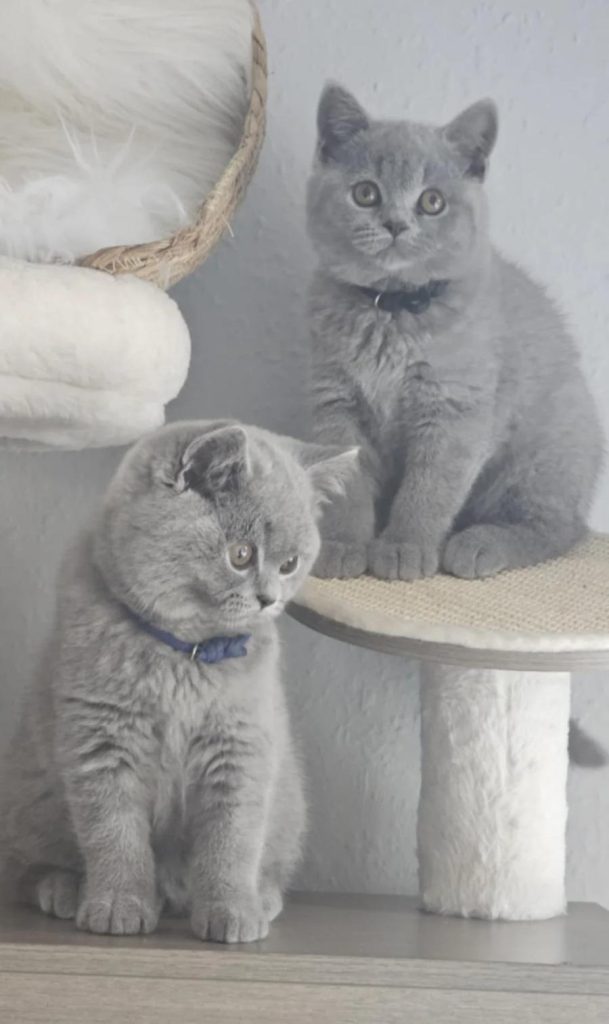
British Shorthair cats are one of the most beloved feline breeds, known for their distinctive appearance, friendly demeanor, and playful yet calm personality. As potential cat owners consider bringing one of these charming companions into their homes, understanding the financial aspects of ownership is crucial. This budgeting guide offers a comprehensive breakdown of the costs associated with British Shorthairs, from initial purchase prices to ongoing care and health expenses. By outlining these financial commitments, prospective owners can make informed decisions and ensure they are well-prepared for the responsibilities of cat ownership, ensuring both the well-being of their new pet and financial peace of mind.
Overview of British Shorthair Cats
History and Characteristics
The British Shorthair is a breed steeped in history, often regarded as a true British classic. Originating from the Roman Empire, these charming felines were once valued for their rodent-catching prowess. Fast forward to today, and they’re loved for their stocky build, round faces, and dense, plush coats. They come in a stunning variety of colors, but the traditional “British Blue” is undoubtedly the superstar of the show. With a laid-back temperament and a fondness for lounging, these cats have truly mastered the art of being both adorable and utterly unbothered.
Why Choose a British Shorthair?
If you’re on the fence about which feline companion to welcome into your home, let’s face it—British Shorthairs have it all. These cats are known for their easy-going nature, making them perfect for families, singles, and everyone in between. They tend to be independent yet affectionate, striking that delicate balance of wanting love without being clingy. Plus, their low maintenance grooming needs mean more time for snuggles and less time wrestling with a cat brush. Who wouldn’t want a furry friend that fits into their lifestyle like a glove?
Initial Purchase Price
Buying from Breeders vs. Shelters
When embarking on your journey to cat parenthood, you’ll mainly face two paths: breeders or shelters. Purchasing from a reputable breeder usually comes with a heftier price tag, often ranging from $1,500 to $3,000, especially for show-quality cats. On the other hand, shelters might offer British Shorthairs for a fraction of that cost, often around $100 to $300. While both routes have their merits, consider what works best for your budget and your heart—there are plenty of loveable Shorthairs looking for homes in shelters!
Factors Influencing Price
Several factors can influence the initial cost of your British Shorthair. The breeder’s reputation, the cat’s lineage, and even the region you’re purchasing from can all play a role. Purebred cats with champion bloodlines may fetch higher prices, while ones with less prestigious backgrounds (but just as much personality) might be a steal. Additionally, seasonal demand and the availability of kittens can also change the price. So, keep your eyes peeled and your wallet ready!
Cost of Adoption Fees
Adopting a British Shorthair can be a budget-friendly option, but don’t forget the adoption fee! Generally, this fee can range from $100 to $300. This fee typically includes spaying/neutering, vaccinations, and sometimes even a microchip. It’s a small price to pay for a new furry family member who’s already had a health check. Plus, you get the warm fuzzy feeling of saving a life. Talk about winning on all fronts!
Ongoing Care Costs
Monthly Budgeting for Routine Expenses
Once you’ve settled in with your new British Shorthair, it’s time to get serious about budgeting for their ongoing care. On average, you can expect to spend anywhere from $50 to $100 a month on essentials. This includes food, litter, grooming, and some toys—because every royal cat needs their entertainments! Consider investing in high-quality cat food for optimum health and keep an eye on that litter box, because cleanliness is next to cat-ness.
Seasonal Considerations for Care
As the seasons change, so do your cat care costs. In winter, you may find yourself needing extra blankets for warmth or even a stylish kitty sweater if your Shorthair is particularly fashion-forward. Summer might bring about the need for cooling mats or additional grooming to reduce shedding. Also, keep in mind the costs of flea and tick prevention during warmer months. Planning ahead can help you avoid any seasonal surprises to your budget!
Health and Veterinary Expenses
Regular Check-ups and Vaccinations
Routine veterinary visits are essential for keeping your British Shorthair healthy and happy. Expect to pay around $100 to $200 annually for check-ups, vaccinations, and preventative care. These regular visits help catch any potential health issues before they escalate and keep your little buddy on track for a long, happy life. Plus, they’ll give you a valid excuse to pamper your cat with treats after their visit—because who doesn’t love a good reward?
Common Health Issues and Their Costs
Like all breeds, British Shorthairs are prone to certain health issues. Common ailments include heart disease, hip dysplasia, and obesity. Treatments can range from $100 for a simple check-up to upwards of $1,000 for more serious conditions. To keep costs manageable, focus on preventive care, maintain a healthy diet, and keep them active. A happy, active cat is often a healthy one!
Emergency Medical Expenses
No one likes to think about emergencies, but it’s wise to be prepared. If your British Shorthair finds itself in a pickle, emergency vet visits can cost anywhere from $300 to $1,500 or more, depending on the situation. Budgeting for an emergency fund—ideally about $500 to $1,000—can save your sanity and your wallet. Because let’s be honest: when your cat needs help, the last thing you want to worry about is the cost.
Nutrition and Feeding Costs
Choosing the Right Cat Food
Feeding your British Shorthair the right food isn’t just a matter of taste, it’s a matter of health. Look for high-quality cat food that lists meat as the first ingredient. Brands specialized for indoor cats often target the needs of less active felines (like your couch potato British Shorthair). On average, expect to spend between $30 to $60 per month on dry kibble and wet food combined. Remember, premium food might cost more upfront, but it can save you in vet bills later—think of it as investing in your cat’s “luxurious life.”
Cost of Specialty Diets
If your British Shorthair has specific dietary needs—like allergies or weight management—you’ll likely shell out extra for specialty diets. These can range from grain-free options to prescription diets recommended by your vet. Depending on the brand and availability, you might find yourself paying anywhere from $50 to $100 per month just for food. So, while your cat might not be picky, your wallet might feel a pinch!
Feeding Accessories and Supplies
Beyond food, there are a few feeding accessories to consider: bowls, cat feeders, and maybe even a fancy food dispender—because why shouldn’t your kitty eat in style? Stainless steel bowls are generally the best option (they’re less likely to harbor bacteria and are easier to clean). Budget around $20 to $60 for bowls and feeders, depending on how much “fancy” you want to incorporate. And don’t forget about treats—because what’s a meal without dessert? Allocate an extra $15 to $30 per month for those feline-approved snacks.
Grooming and Maintenance Expenses
DIY Grooming vs. Professional Services
British Shorthairs have a plush coat that requires some TLC. You can either roll up your sleeves for some DIY grooming sessions or pamper your cat with professional grooming. DIY grooming typically only costs you the price of brushes, which can range from $10 to $30. Professional grooming sessions, however, can set you back about $50 to $100 every couple of months. If you enjoy brushing your cat while they disdainfully plot your downfall, DIY might be your path. But if you prefer peace of mind and time-saving, splurging on a groomer may be worth considering.
Essential Grooming Tools
Speaking of DIY grooming, you’ll need some essential tools to keep your British Shorthair looking fabulous. A slicker brush, grooming glove, and comb are good starters. Budget around $30 to $100 for a grooming kit that’ll help keep that coat gleaming. And let’s be honest: a well-groomed cat not only looks good but also makes for a cuter Instagram star. Your followers will thank you!
Insurance and Emergency Funds
Types of Pet Insurance Plans
Pet insurance may sound like something only overzealous cat owners invest in, but it can save you from potential financial heartbreak down the line. There are three main types of plans: accident-only, time-limited, and lifetime. Expect to pay anywhere from $20 to $60 a month, depending on the coverage you choose. Think of it as a safety net for that unfortunate moment when your cat decides to audition for the feline equivalent of an extreme sport.
Setting Up an Emergency Fund
While insurance is a smart move, it’s wise to also set up an emergency fund for those unexpected vet visits. Aim to save at least $500 to $1,000 for emergencies. It’s like having a “Get Out of Jail Free” card for your cat—just in case your little furball ends up on a wild adventure (or needs those mysterious stomach issues checked out). That way, you’ll sleep soundly, knowing that if your cat channels their inner daredevil, you’re financially prepared.
Budgeting Tips for Future Cat Owners
Creating a Comprehensive Budget
Start by mapping out all potential expenses—food, grooming, litter, and routine vet visits. Don’t forget to account for those lovely surprise costs, like new toys or an unexpected emergency clinic visit. Creating a spreadsheet might sound tedious, but it’ll give you a clear view of what you’re getting into financially. Aim for a monthly budget around $100 to $200 for basic upkeep, but be flexible when necessary; you never know when a new trend in catnip will hit!
Finding Deals and Discounts
We all love a good deal, and your cat wouldn’t mind either—more toys, treats, and bling for them! Keep an eye out for discounts on pet supplies at local retailers or online stores. Joining pet product subscription services could also save you coins in the long run. Don’t forget to check for loyalty programs or special promotions! Your wallet and your cat’s toy box will thank you.
Long-term Financial Planning for Cat Ownership
Owning a British Shorthair is a long-term commitment (think of them as your furry roommate for life). Factor in potential costs for the next 10 to 15 years. This might include increased food costs, vet visits as they age, and any special care they might need later. Set aside a little each month for long-term savings—your future self will appreciate not panicking about vet bills during an emergency. With a little planning, you’ll find owning a cat to be as fulfilling as it is financially manageable. Plus, those fluffy cuddles are priceless, right? In conclusion, owning a British Shorthair cat can bring immense joy and companionship, but it also comes with financial responsibilities that should not be overlooked. By understanding the various costs associated with their care, including initial expenses, ongoing needs, and potential emergencies, future cat owners can create a realistic budget that supports a happy and healthy life for their furry friend. With careful planning and consideration, you can ensure that your British Shorthair receives the love and care it deserves, making for a fulfilling and rewarding pet ownership experience.
Frequently Asked Questions
What is the average cost of a British Shorthair cat?
The average cost of a British Shorthair cat can range from $1,000 to $2,500, depending on factors such as the breeder’s reputation, the cat’s lineage, and geographical location.
How much should I budget monthly for a British Shorthair?
Monthly expenses for a British Shorthair typically range from $50 to $150, covering food, litter, and basic grooming. Additional costs for veterinary care and unexpected expenses should also be considered.
Do British Shorthairs require special health care?
While British Shorthairs are generally healthy, they can be prone to certain genetic conditions. Regular veterinary check-ups and vaccinations are important to maintain their health and catch any issues early.
How can I save money on my British Shorthair’s expenses?
To save money, consider adopting from shelters, buying in bulk for food and supplies, and comparing pet insurance plans. Additionally, regular grooming at home can reduce professional grooming costs.