
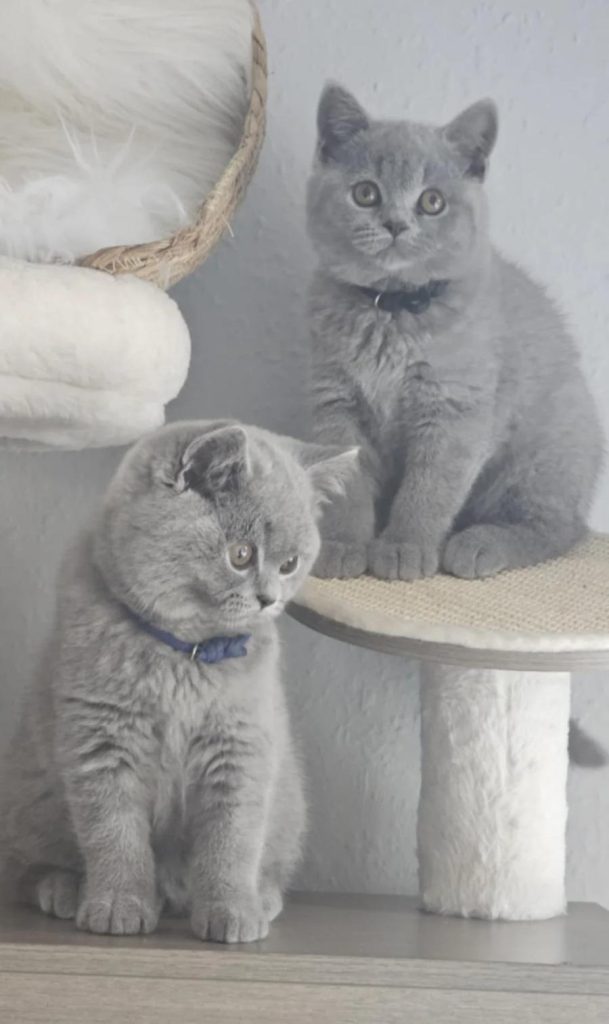
British Shorthair kittens are known for their distinctive appearance and charming personalities, making them a popular choice among cat lovers. With their round faces, dense coats, and sturdy build, these felines offer both beauty and companionship. However, before embarking on the journey of bringing a British Shorthair kitten into your home, it’s essential to understand the unique traits of the breed, the responsibilities of ownership, and the considerations involved in purchasing one locally. This article will guide you through everything you need to know to ensure a smooth transition for both you and your new furry friend.
Overview of British Shorthair Kittens
History and Origin of the Breed
The British Shorthair is like the cool kid in the cat world, strutting its stuff with a rich history that dates back to ancient Rome. These feline royalty were bred for their strength and hunting abilities, originally serving as vermin catchers on farms and ships. Fast forward to the late 19th century, and they became the darlings of cat shows, thanks to their stocky bodies and round faces. They essentially went from alley cats to aristocrats overnight!
Popular Color Varieties
When it comes to wardrobe, British Shorthairs don’t hold back. While the classic blue-grey is the poster child of the breed, they come in a stunning rainbow of colors: chocolate, cream, lilac, and even tabby patterns! Each kitten is like a little piece of art, so you’ve got options if you want a snuggly companion that matches your aesthetic.
Characteristics and Traits of the Breed
Physical Appearance
These chubby-cheeked cuties boast a muscular build and a round face that could melt the coldest of hearts. Their dense, plush coat is almost like a soft blanket, perfect for cuddling. And let’s not forget those captivating copper or gold eyes that seem to look straight into your soul—beware, they might just convince you to share your snack!
Personality and Temperament
British Shorthairs are the definition of laid-back. They have a calm and easygoing nature, making them excellent companions for families and busy individuals alike. While they enjoy a good play session now and then, they’re equally happy to lounge around and watch the world go by. Just think of them as the Zen masters of the cat kingdom—no drama, just vibes.
Activity Level and Playfulness
Don’t let their relaxed demeanor fool you; these kitties can bring the energy when they want to! They love interactive playtime with toys (fishing poles, anyone?) and are quite the acrobats when they feel frisky. However, they’re not what you’d call hyperactive. It’s more of a casual game of “chase the feather” followed by a luxurious nap—balance is key!
Choosing a Reputable Breeder
Red Flags to Watch For
When hunting for the perfect British Shorthair, keep your eyes peeled for red flags. If a breeder is reluctant to let you see the kittens’ living conditions or avoid answering questions about health screenings, that’s your cue to exit stage left. Also, watch out for breeders who have too many litters at once or those who prioritize profit over the welfare of the cats. Your best bet? A breeder who gives you more information than you ever thought to ask!
Questions to Ask a Breeder
Got questions? You should! Ask your potential breeder about the kittens’ parents, their health history, and what kind of socialization they’ve had. A solid breeder will be happy to chat about their breeding practices and the steps they take to ensure their kittens are healthy and happy. You might also want to ask about their return policy—just in case you discover that you’re more of a “dog person” after all (gasp!).
Understanding Pedigree and Documentation
Pedigrees are like the family tree of the cat world, showing off your kitten’s fancy lineage and helping ensure they come from a good bloodline. Be sure to ask for documentation that confirms their lineage and health screenings. This paperwork will not only impress your friends but will also provide peace of mind knowing you’re adopting from a well-respected background.
Health Considerations and Genetic Issues
Common Health Problems in British Shorthairs
While British Shorthairs generally have robust health, they aren’t without their quirks. Some health issues to keep in mind include hypertrophic cardiomyopathy (a fancy term for heart disease) and obesity—those round faces can be deceiving! Regular check-ups with the vet can catch potential problems before they become a big deal.
Preventative Care and Regular Vet Visits
A stitch in time saves nine, right? Regular vet visits are crucial for catching any health issues early and keeping your British Shorthair in tip-top shape. From vaccinations to dental care, staying on top of preventative measures will ensure your furry friend lives a long, healthy life filled with snuggles and playtime. Don’t forget about that diet too—remember, you’re raising a kitty, not a football!
Preparing Your Home for a New Kitten
Essential Supplies and Equipment
Before bringing home your British Shorthair kitten, stock up on the essentials. You’ll need a litter box (because let’s be real, nobody wants a surprise present in the living room), high-quality kitten food, food and water dishes (fun fact: your kitten may prefer drinking from the toilet, but let’s not encourage that), scratching posts, and some toys to keep those tiny paws busy. Don’t forget a cozy bed—after all, they’ll need a throne for their royal naps!
Creating a Safe and Comfortable Environment
Your home should be a kitten-proof fortress. Secure any loose wires (because we all know kittens have a knack for chewing on things they shouldn’t), remove toxic plants, and stash away any small items that are just begging to be batted around. Designate a quiet space just for your new furry friend where they can retreat and feel secure. With a few cozy blankets and a sunny window, your British Shorthair will feel right at home—maybe even more at home than you!
Socialization and Training Tips
Introducing Your Kitten to Family and Pets
When introducing your kitten to family members and existing pets, take it slow. Let them sniff each other out first, but keep the introductions supervised. If you have a dog, make sure they know that this little fluffball is not a chew toy. Reward both your pets for good behavior with treats, because who doesn’t love a snack? Gradual mixing will help everyone adjust without too much drama—unless you’re counting the good kind of drama, like a soap opera!
Basic Training Techniques
Training your British Shorthair is more about patience than strictness. Use positive reinforcement—think treats and flattering words instead of a stern finger wag. Teach them where their litter box is and reward them when they use it. Also, don’t forget to teach them to scratch ONLY on the scratching post, not your favorite armchair. You’ll thank yourself later when your furniture still looks fabulous, and so does your kitten!
Enrichment Activities for Mental Stimulation
Kittens are bundles of energy and curiosity. Keep their minds engaged with puzzle toys, feather wands, or DIY treat hunts (think of it as a feline scavenger hunt). Rotate toys regularly to keep things fresh and exciting. Even a simple cardboard box can provide endless entertainment. Your British Shorthair will appreciate the mental workout, and you’ll get a few laughs watching them dive in and out like they’re on a secret mission.
Cost of Ownership: Budgeting for Your Kitten
Initial Purchase Price
The initial purchase price of a British Shorthair kitten can vary, but be ready to shell out a few hundred to a couple thousand dollars, depending on the breeder and lineage. Make sure to look for reputable breeders who prioritize health checks and kitten socialization. Remember, this isn’t just a purchase; you’re investing in a furry family member—and the ensuing feline antics!
Ongoing Expenses: Food, Health Care, and Supplies
Once your kitten is home, the costs continue. Expect to spend on premium kitten food (after all, this is no time for the cheap stuff), regular vet visits, vaccinations, grooming, and, of course, all those toys and treats! Budgeting for these ongoing expenses ensures you’re not scrambling when it’s time for that annual check-up or when your kitten decides they need a new toy (again).
Insurance Options for Your Kitten
Pet insurance might sound like an unnecessary expense until you’re hit with a hefty vet bill. Research different providers to find a plan that suits your needs and budget. Some policies cover routine care while others focus on emergencies. Think of it as a safety net for when your kitten decides to invent a new game involving the neighbor’s garden gnomes!
Local Resources for British Shorthair Enthusiasts
Community Groups and Clubs
Getting involved with local cat clubs and communities can be a great way to connect with fellow British Shorthair enthusiasts. These groups often host meet-ups, provide valuable advice, and can share their favorite resources. Plus, who wouldn’t want to bond over adorable kitten stories and compare fur patterns? Just remember to bring a picture of your cutie—it’s practically a requirement!
Recommended Veterinarians and Pet Services
Finding a trustworthy vet is crucial for your new buddy’s health. Ask for recommendations from local pet owners or check online reviews. Look for clinics that specialize in feline health, as they’re more likely to handle your British Shorthair with the expertise they deserve. Don’t forget about groomers and pet services that come highly recommended; it can make the difference between a stress-free visit and a feline drama queen in the making!
Events and Shows for Cat Lovers
Keep an eye out for cat shows and local pet events in your area. These gatherings are perfect for meeting other cat lovers, getting to know different breeds, and possibly even discovering local products for your pet. Plus, there’s nothing quite like watching a British Shorthair strut their stuff on the catwalk, right? Just don’t forget your camera—Instagram needs to see your new best friend in action! Bringing a British Shorthair kitten into your life can be a rewarding experience filled with love and companionship. By understanding the breed’s unique characteristics, preparing your home, and choosing a reputable source, you can set the stage for a happy and healthy relationship with your new feline friend. Whether you’re a seasoned cat owner or a first-time pet parent, the joy of sharing your life with a British Shorthair is sure to be a fulfilling journey.
Frequently Asked Questions
How much do British Shorthair kittens typically cost?
The price of British Shorthair kittens can vary widely based on factors such as breeder reputation, pedigree, and location, typically ranging from $1,000 to $2,500 or more.
Are British Shorthair kittens good with children and other pets?
Yes, British Shorthairs generally have a calm and friendly temperament, making them suitable companions for children and other pets when properly socialized.
What kind of diet is best for British Shorthair kittens?
A high-quality, well-balanced diet that is appropriate for their age and size is essential. Consult with your veterinarian for specific dietary recommendations.
How much grooming do British Shorthair kittens require?
British Shorthairs have a dense coat that benefits from regular brushing, ideally once a week, to prevent matting and reduce shedding.