
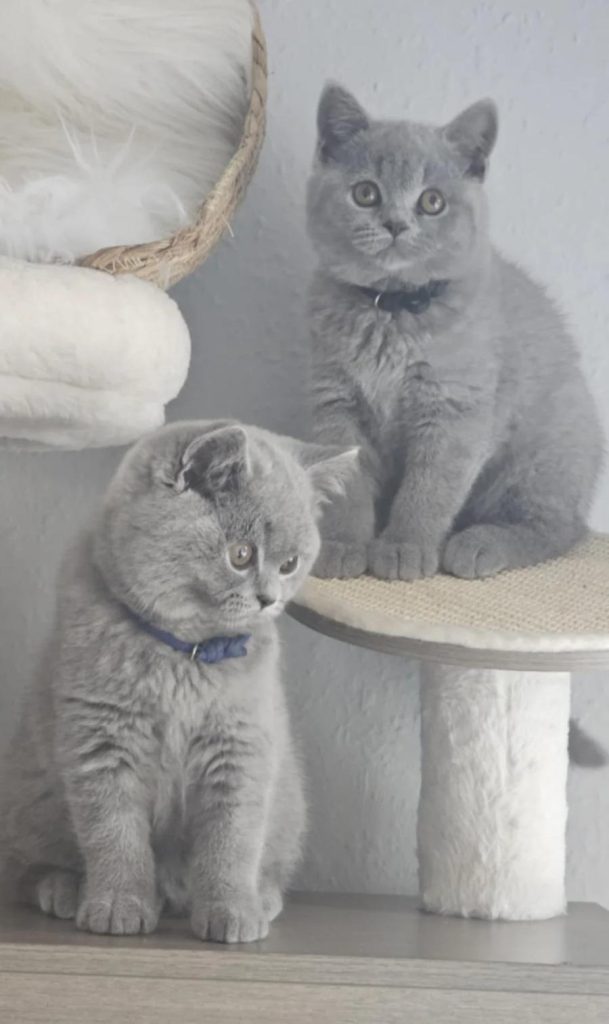
If you’re considering adding a British Shorthair cat to your family, you’re in for a delightful experience with one of the most beloved feline breeds. Known for their distinctive round faces, plush coats, and gentle disposition, British Shorthairs have captured the hearts of cat lovers around the world. This article will guide you through essential information about the breed, including where to find them near you, their unique characteristics, care requirements, and community resources for enthusiasts. Whether you’re looking to adopt or purchase, understanding what to expect from this charming breed will help you make an informed decision and ensure a happy life for your new feline companion.
Understanding the British Shorthair Breed
History and Origin
The British Shorthair cat is a true British gem, with roots that stretch back to ancient Rome when they were used to control pests. Fast forward a few centuries, and they were officially recognized as a breed in the late 1800s. With their stocky build and charming disposition, these felines have won hearts and cat shows alike, becoming a staple of British culture akin to tea and crumpets.
Physical Appearance
Imagine a cat that looks like it’s been sculpted from a cozy, fluffy cloud. British Shorthairs are known for their muscular build, round faces, and large, captivating eyes. Their short, dense coat gives them a plush appearance and a tendency to sponge up all the affection you can throw at them. They’re like walking, purring pillows – who wouldn’t want to cuddle one?
Common Color Variations
While the classic British Shorthair is a regal blue-grey, this breed comes in a dazzling array of colors and patterns. You’ll see them flaunting creams, blacks, whites, and even tabby markings. Think of them as the wardrobe of the cat world—there’s a British Shorthair to match every personality, from the sophisticated silver to the whimsical lilac.
Characteristics and Temperament of British Shorthairs
Personality Traits
British Shorthairs are like the wise old sages of the cat kingdom: calm, collected, and surprisingly affectionate. They’re known for being laid-back yet playful, making them perfect companions for both introverts who enjoy their quiet time and extroverts who love a good game of chase. Their no-drama, easygoing nature means they fit into various household dynamics with ease.
Social Behavior with Humans and Other Pets
Affectionate without being clingy, British Shorthairs enjoy human company but also appreciate their alone time—kind of like that one friend who loves to hang out but also thrives on Netflix binges in solitude. They tend to get along fabulously with other pets, too, so whether you have a dog who thinks he’s a cat or fellow felines, they’ll likely adapt with little fuss.
Activity Levels and Playfulness
These cats have a playful side that can emerge at any moment. They might spend hours sunbathing or napping, but don’t be fooled; they’re also capable of spontaneous bursts of energy that make it seem like they’ve just spotted the elusive feather toy radar. They enjoy interactive play and are usually up for a good game of catch the laser dot or pounce on the wandering sock.
Finding British Shorthair Cats Near You
Online Resources and Databases
Searching for a British Shorthair can be as easy as a few clicks! Websites like Petfinder and Adoptapet have extensive listings to help you track down your new furry friend. With filters to narrow down your search by breed and location, you’ll be on your way to bringing home a lap-loving companion in no time.
Local Shelters and Rescue Organizations
Don’t underestimate your local shelters! Many British Shorthairs end up there, just waiting for their forever homes. By adopting, you’re not just gaining a fluffy friend—you’re also helping a kitty in need. Swing by your local rescue organizations, and you might stumble upon your purrfect match.
Breeders in Your Area
If you’re leaning toward buying from a breeder, do your research! Look for reputable breeders in your area who prioritize the health and well-being of their cats. Check online reviews, visit their facilities if possible, and make sure you’re comfortable with their practices. After all, you want to ensure your future furball is coming from a loving environment, not a feline factory!
Adoption vs. Buying: Where to Get Your British Shorthair
Pros and Cons of Adoption
Adoption is a fantastic choice for many reasons: you’re giving a cat a second chance at life, often at a much lower cost than purchasing. Plus, shelters usually provide vaccinations and spaying/neutering! However, the downside may include limited availability of specific breeds like the British Shorthair. But hey, if you’re open-minded, you might find a mixed breed that steals your heart just as easily.
What to Look for When Buying from Breeders
When considering a breeder, look for transparency. They should be willing to show you health clearances, educate you about the breed, and let you meet the kittens’ parents. Quality breeders will ensure their cats are socialized and healthy before they enter your home, so don’t hesitate to ask questions. A little vetting on your part can go a long way!
Questions to Ask Before Committing
Before you make a commitment that could last the next decade or so (no pressure!), be sure to ask some crucial questions: What’s the cat’s health history? What’s their socialization like? How do they handle being left alone? And, of course, what’s their favorite treat? You want to make sure that the little ball of fluff you’re considering fits seamlessly into your lifestyle—because you know you want them to be as pampered as royalty!
Caring for Your British Shorthair Cat
Feeding and Nutrition
To keep your British Shorthair healthy and happy, it’s essential to provide a well-balanced diet tailored to their needs. Look for high-quality cat food that lists meat as the first ingredient—because let’s face it, your kitty is basically a tiny carnivore. Since these cats can be prone to obesity, keep an eye on portion sizes and consider consulting your vet for recommendations on the best diet plan. And remember, treat them like the royalty they are, but don’t overdo it on the treats; they don’t need a mini throne made of kibble!
Grooming Needs
British Shorthairs have that plush, teddy-bear-like coat that begs to be petted. While they don’t require excessive grooming, brushing them once a week will help reduce shedding and prevent those dreaded hairballs. Plus, it’s a fabulous excuse for some quality bonding time. During shedding season, you may want to amp up your grooming game to keep your home fur-free and your cat’s coat looking regal.
Creating a Safe Environment
A safe environment is crucial for your British Shorthair’s happiness. Cat-proof your home by securing loose wires, removing toxic plants, and making sure any small, swallowable items are out of reach. Create cozy spaces with cat trees or lounging spots, as these plump little furballs love to observe their kingdom from above. And if you think about letting them outside, consider a secure catio—because who needs a cat that loves the great outdoors when you can have one that enjoys the view from a window?
Health Considerations for British Shorthairs
Common Health Issues
British Shorthairs are generally a healthy bunch, but like any breed, they have their quirks. Popular concerns include obesity, heart disease (specifically hypertrophic cardiomyopathy), and dental issues. Regularly monitoring their weight and dental hygiene can help mitigate these risks. Always keep an eye on their snazzy little steps—if they seem to be moving a bit sluggishly, it might be time for a vet visit.
Regular Veterinary Check-ups
Just like we need check-ups to ensure we’re not secretly turning into couch potatoes, your British Shorthair needs regular visits to the vet. Annual examinations help catch any health issues early on, allowing you to keep your feline friend in tip-top shape. Plus, they get to strut their stuff and show off those purr-worthy personalities. Who wouldn’t want to see that?
Preventive Care and Vaccinations
Preventive care is key for your British Shorthair’s health and happiness. Ensure your kitty is up to date on vaccinations and parasite prevention. Routine spaying or neutering is also a must—unless you fancy a few dozen mini furballs taking over your home! Discuss with your vet about the best preventive strategies for your furry companion.
Training Tips for British Shorthair Owners
Litter Box Training
Litter box training can be as smooth as a well-pawed catwalk. Most British Shorthairs instinctively know what to do, but placing their box in a quiet, accessible location will help them feel comfortable. Keep it clean—nobody likes to step into a stinky situation! If there’s ever a hiccup, try different types of litter or boxes. Your cat, your rules!
Behavioral Training Techniques
British Shorthairs are clever cookies, but they also have a stubborn streak that could rival a toddler in a candy store. Use positive reinforcement techniques like treats and praise to encourage good behavior. You might also find that they respond well to clicker training—just don’t be surprised if they start thinking they’re the star of the show!
Socialization Tips
Socializing your British Shorthair is essential for a well-rounded kitty. Introduce them to new people, pets, and environments gradually. Patience is the name of the game here; sometimes it takes a few treats and some gentle coaxing before they warm up to their new companions. A well-socialized cat is a happy cat—plus, they’ll be more entertaining when friends come over!
Community Resources for British Shorthair Enthusiasts
Online Forums and Social Media Groups
Joining online forums and social media groups dedicated to British Shorthair lovers is like having a virtual support group for your new obsession! Share stories, tips, and adorable photos with fellow enthusiasts who understand the joy (and occasional chaos) of raising these feline companions. You might even meet your cat’s future best friend.
Local Clubs and Events
Keep an eye out for local cat clubs and events where you can connect with other British Shorthair owners. These gatherings can be a great way to learn more about the breed, share best practices, and indulge in a little friendly competition. Who knows? Your cat might just win “Best in Show” and become the talk of the town!
Resources for Further Education
Knowledge is power, especially when it comes to caring for your furry friend. Stock up on books, websites, and reputable blogs that focus on British Shorthairs. The more you know, the better you can care for your kitty. After all, you’re not just a pet owner; you’re a British Shorthair aficionado in training!Bringing a British Shorthair into your home can enrich your life with companionship and joy. By understanding their needs and characteristics, you can ensure a loving environment that allows your new pet to thrive. Whether you choose to adopt or buy from a breeder, remember to do thorough research and consider the well-being of your future feline friend. With the right care and attention, your British Shorthair will undoubtedly become a cherished member of your family for years to come.
FAQs
1. What is the average lifespan of a British Shorthair cat?
The average lifespan of a British Shorthair cat is typically between 12 to 15 years, although some can live longer with proper care.
2. Are British Shorthairs good with children and other pets?
Yes, British Shorthairs are known for their gentle and friendly temperament, making them great companions for children and other pets.
3. How much grooming do British Shorthair cats require?
British Shorthairs have dense coats that benefit from regular grooming, ideally once a week, to reduce shedding and prevent matting.
4. What are common health issues associated with British Shorthairs?
Common health issues in British Shorthairs can include obesity, heart disease, and dental problems. Regular veterinary check-ups can help monitor and manage these concerns.