
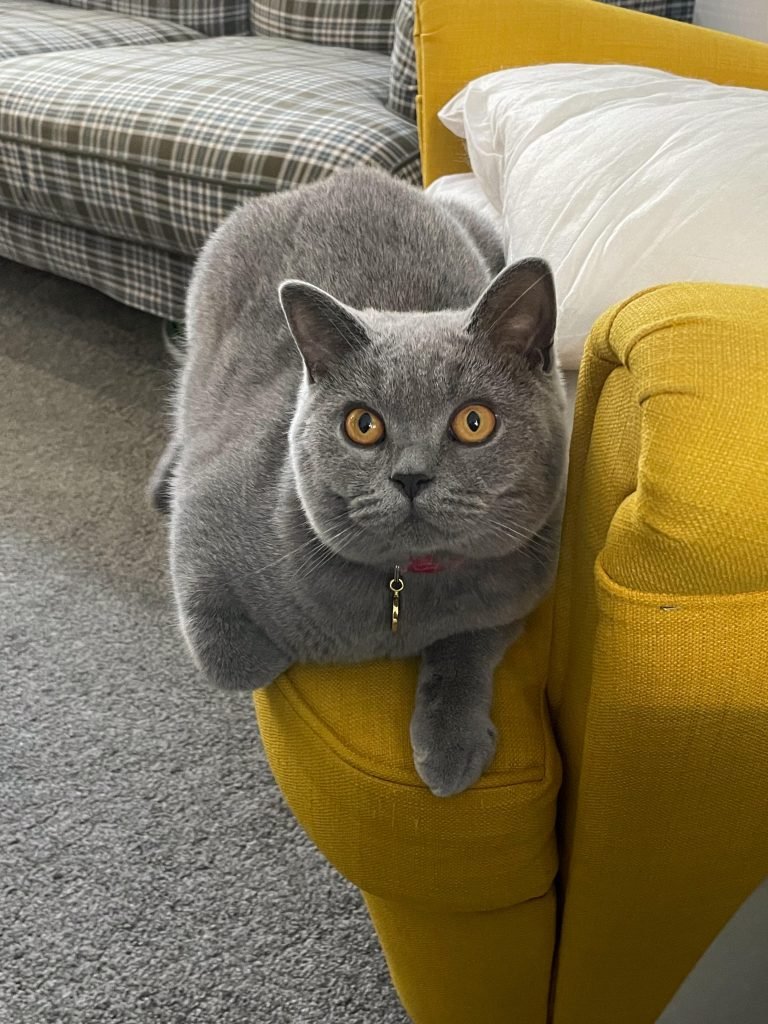
The British Shorthair is a beloved cat breed known for its distinctive appearance, friendly demeanor, and robust health. As one of the oldest cat breeds, they have a rich history and a charming personality that makes them a popular choice among pet owners. However, understanding their lifespan is crucial for potential and current owners alike, ensuring that these affectionate companions are given the best chance for a long, healthy life. In this article, we will explore the average lifespan of British Shorthairs, the factors that influence their longevity, and practical tips for maximizing their years with us.
Overview of British Shorthair Cats
History and Origin
British Shorthairs have a lineage that dates back to ancient Rome, where they were beloved for their ability to control the rat population. Think of them as the original feline pest control team! They became popular in Britain during the late 19th century, where their robust build and distinctive features made them a favorite at cat shows. With a sprinkle of royalty in their genetics, it’s no wonder they strutted into households and hearts alike.
Physical Characteristics
These cats are the squishy teddy bears of the feline world, boasting a stocky build, broad face, and round, chubby cheeks that make them absolutely irresistible. Their plush, dense coat comes in a myriad of colors, but the classic blue-gray is the poster child for the breed. With big, round eyes that gleam with curiosity, British Shorthairs are built like little tanks with a soft exterior—perfect for those cozy cuddle sessions.
Temperament and Behavior
British Shorthairs are known for their cool, calm, and collected demeanor, making them the zen masters of the cat kingdom. They’re friendly but not overly needy, enjoying a good nap just as much as a little playtime. Their laid-back nature and loyalty to their human companions create a bond that’s nearly unbreakable. Just be prepared to provide a snug spot for their occasional “I own this couch” moments!
Average Lifespan of British Shorthairs
Life Expectancy Statistics
On average, British Shorthairs can live between 12 to 20 years, but let’s face it—they can be little stubborn fluffballs who sometimes just hang around for a bit longer. Factors like genetics, care, and a bit of luck can swing their lifespan in either direction, but with the right attention, these cats can be your furry companions for a long time.
Comparative Lifespan with Other Breeds
Comparatively, British Shorthairs often enjoy a longer lifespan than some other common breeds. While Siamese cats might claim to live a bit longer on average, many other popular breeds like Persians tend to have shorter life expectancies. Essentially, if you’re looking for a cat that checks off the boxes of both longevity and charm, the British Shorthair is a solid contender.
Factors Influencing Lifespan
Genetics and Breeding
Like choosing your favorite pizza topping, the genetics of a British Shorthair can greatly influence its lifespan. Responsible breeding can reduce the risk of hereditary conditions, ensuring your furry friend inherits more cuddles than complications. Always opt for kittens from reputable breeders who prioritize health—it’s like getting a warranty for your adorable new family member!
Environmental Factors
A cat’s environment plays a huge role in its lifespan. Indoor cats generally live longer than outdoor adventurers, who might encounter the enigmatic forces of danger, from passing cars to less-than-friendly critters. Enriching their environment with toys, scratching posts, and comfy napping spots can also keep them happy, healthy, and living their best lives.
Lifestyle and Activity Levels
A British Shorthair’s lifestyle is crucial for longevity. While they might excel at lounging, some regular playtime is essential to keep them fit and engaged. Think of it as encouraging your cat to become a fluffy version of a personal trainer—just with fewer burpees and more laser pointer chases. Maintaining a healthy weight and staying active can help keep those pesky age-related health issues at bay.
Common Health Issues in British Shorthairs
Genetic Disorders
Despite their charming looks, British Shorthairs can be susceptible to some genetic disorders, such as hypertrophic cardiomyopathy (HCM) which affects the heart, and certain bone disorders. Regular vet check-ups are essential, ensuring that any potential health hiccups are spotted and managed early—think of it as regular maintenance on your favorite vehicle, only fluffier!
Common Ailments and Conditions
Aside from genetic quirks, these cats can face common ailments like obesity, dental issues, and joint problems, particularly as they age. A proactive approach to care, including balanced nutrition and regular vet visits, is your secret weapon against these issues. Prevention is always better than trying to fix it after the fact—unless you’re referring to giving them treats, because that’s always a good idea!
Preventative Care Strategies
To extend your British Shorthair’s lifespan, invest in regular veterinary check-ups and a well-rounded diet suitable for their age and activity level. Dental hygiene is crucial too—because no one wants a cat with bad breath! Engaging them in play and ensuring a stimulating environment will also contribute to a happier, longer life. After all, a well-cared-for cat is a purring bundle of joy, ready to brighten your days for years to come!
Nutrition and Its Impact on Longevity
Optimal Diet for British Shorthairs
Feeding your British Shorthair the right diet is like giving them a personal chef’s stamp of approval. Look for high-quality cat food rich in protein, with a balance of fats, carbohydrates, vitamins, and minerals. Opt for brands that list real meat as the first ingredient and avoid fillers like corn or wheat that can lead to unwanted weight gain. Remember, those delightful pudgy cheeks aren’t just charming; they need to be monitored to ensure overall health!
Importance of Hydration
Water is life, my friend! And for your British Shorthair, it’s as crucial as the latest cat video on the internet. Always provide fresh water and consider a cat fountain—because who wouldn’t want to drink water that trickles like a babbling brook? Staying hydrated helps prevent urinary tract issues, a common concern in our feline friends. Plus, it gives them a reason to show off their superior water-walking skills!
Supplements and Nutritional Needs
Sometimes our regal furballs need a little extra help in the nutrition department. Consult with your vet to see if your British Shorthair could benefit from supplements like omega-3 fatty acids for shiny coats or joint support for those delightful couch potato moments. Keep in mind that While treats are a must for their happiness (and yours!), moderation is key. You can’t bribe your way to longevity… well, not entirely!
Importance of Regular Veterinary Check-ups
Vaccinations and Preventative Care
Just like we wouldn’t skip our annual check-ups (and the doctor’s judgment on our donut intake), your British Shorthair needs a regular vet visit. Ensure they’re up to date on vaccinations and receive preventative care to fend off nasty illnesses. This might not be a fun day out for them, but their future self will thank you for it—preferably with purrs and headbutts!
Monitoring Weight and Health
A scale isn’t just for humans—keeping an eye on your British Shorthair’s weight can save you both from a world of health issues. Obesity can lead to diabetes and other complications that shorten their lives. Regular weigh-ins at the vet can help you stay on top of their health, and it’s a great reason to practice lifting them (because let’s be honest, they don’t weigh less than a small dog).
Screening for Genetic Conditions
British Shorthairs are generally robust, but they do come with a few quirks. Regular screening for genetic conditions like hypertrophic cardiomyopathy is crucial. Early detection means you can take action before the situation escalates. No one wants to be the owner who had to Google “cat heart issues” at 2 a.m., right?
Tips for Extending Your British Shorthair’s Life
Creating a Safe and Stimulating Environment
Your home should be a feline paradise! Include cozy spots for napping, climbing towers for exploring, and a few toys to keep things interesting. A safe environment reduces stress, which can help them live longer. And remember, if they can’t figure out how to scale that cat tree you bought, it’s just not going to work out. Just sayin’!
Regular Exercise and Playtime
Just because a British Shorthair is known for their laid-back demeanor doesn’t mean they don’t need exercise! Schedule playtime with toys that challenge their hunting instincts. A feather wand or laser pointer can ignite their inner lion and keep their body—and heart—active. Plus, it’s prime bonding time for you both!
Building a Strong Human-Animal Bond
Lastly, the secret ingredient to a long-lived British Shorthair is love! Spend quality time cuddling, grooming, and talking to them. This builds trust and strengthens your bond, resulting in a happier, healthier cat. They might even grace you with a rare lap-sitting moment, which is a huge win in the feline world!
Conclusion: Caring for a Long-Lived Companion
Summary of Key Points
To recap: feed your British Shorthair a balanced diet, keep them hydrated, schedule regular vet visits, and create a stimulating environment. Add in some love and playtime, and you’ve got a recipe for longevity. These fuzzy companions deserve a lifetime of pampering, and taking care of their needs is the purr-fect way to show you care!
Encouragement for Responsible Pet Ownership
Owning a British Shorthair (or any pet, for that matter) comes with great responsibility. By prioritizing health, nutrition, and emotional well-being, you’ll not only extend their lifespan but enhance your own life by sharing joyful moments together. So gear up to keep your feline friend happy and healthy—after all, that’s what being a responsible pet parent is all about! In conclusion, the British Shorthair can be a rewarding and loyal companion, and with proper care, they can enjoy a long and healthy life. By being mindful of their nutritional needs, scheduling regular veterinary check-ups, and providing a stimulating environment, you can help ensure your feline friend thrives for many years. Embracing responsible pet ownership not only enhances their lifespan but also strengthens the bond you share, allowing you to cherish every moment together.
Frequently Asked Questions
What is the average lifespan of a British Shorthair?
The average lifespan of a British Shorthair is typically between 12 to 16 years, although some may live longer with proper care.
Are British Shorthairs prone to specific health issues?
Yes, British Shorthairs can be prone to certain health issues, including hypertrophic cardiomyopathy (HCM), obesity, and dental problems. Regular veterinary check-ups can help monitor and manage these conditions.
How can I improve my British Shorthair’s lifespan?
You can improve your British Shorthair’s lifespan by providing a balanced diet, ensuring regular exercise, scheduling routine veterinary visits, and maintaining a stimulating environment.
Do British Shorthairs require special grooming?
British Shorthairs have dense coats that benefit from regular brushing, especially during shedding seasons. This helps reduce hairballs and keeps their fur healthy.