
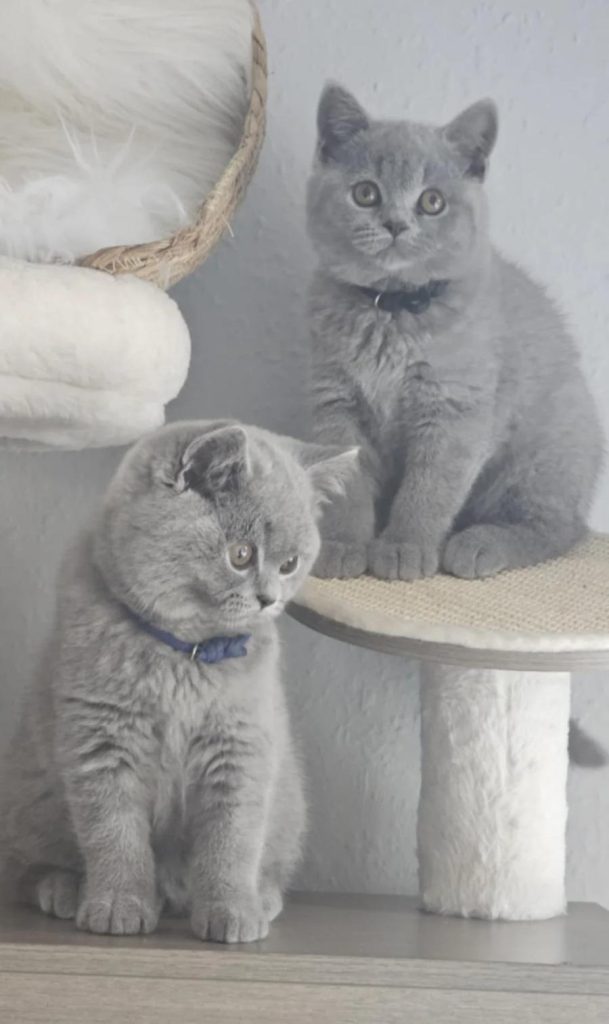
Caring for a British Shorthair cat involves understanding their unique needs and characteristics to ensure they lead a healthy and happy life. Known for their round faces, plush coats, and gentle demeanor, British Shorthairs are a beloved breed among cat enthusiasts. This article will guide you through essential aspects of their care, including their dietary requirements, grooming routines, health care necessities, and more. Whether you are a first-time cat owner or looking to improve your current care practices, this comprehensive guide will help you create a nurturing environment for your feline companion.
Understanding the British Shorthair Breed
History and Origin
The British Shorthair is as quintessentially British as afternoon tea and bad weather. This breed can trace its roots back to the Roman invasion of Britain, where cats were brought along to keep the rodent population in check. Over the centuries, these cats evolved into the robust and chunky felines we adore today, gaining popularity in the Victorian era as a symbol of prestige and elegance. Fun fact: They were also the inspiration for the Cheshire Cat in Lewis Carroll’s “Alice’s Adventures in Wonderland!”
Physical Characteristics
British Shorthairs are often easily recognized by their round faces, dense coats, and stocky bodies. With their plush fur and big, expressive eyes—available in a variety of colors, of course—these cats are basically the plush toys of the feline world, just without the annoying squeaky noises. They boast a strong, muscular build and a thick neck, making them look like they just left the gym—a gym filled with catnip and treats, naturally.
Temperament and Personality Traits
If you’re looking for a cat with the personality of a soft, cuddly teddy bear but the independence of a cool roommate, the British Shorthair is your match. They are known for being calm, easygoing, and sometimes a bit aloof, which just means they’re the ultimate masters of the chill. Don’t let that fool you, though; they also have playful moments and enjoy interactive playtime. Plus, they’re more than happy to lounge around while you binge-watch your favorite shows—ideal kitty couch companions!
Essential Nutrition and Diet
Choosing the Right Cat Food
When it comes to feeding your British Shorthair, think of it as crafting the perfect recipe for a royal feast. Look for high-quality cat food that lists meat as the first ingredient. Royal Canin and Hill’s Science Diet are great options, especially formulated for their specific needs. Avoid fillers like corn and soy, as they’re simply not what a growing kitty kingdom requires. Remember, your cat is a noble being—treat them like one!
Portion Control and Feeding Schedule
Overfeeding is the enemy of every British Shorthair and can lead to unwanted weight gain. Aim for about 1 to 1.5 cups of dry food per day, split into two meals, because who really wants to eat all at once, right? If your kitty has a more “couch potato” lifestyle, adjust portions accordingly. That said, make sure you’re not just winging it—always consult with your vet to tailor the feeding schedule to your furry friend’s specific needs.
Special Dietary Needs
Some British Shorthairs can develop food sensitivities or health issues like obesity and urinary problems. If your cat seems to be sneezing or scratching more than usual, it might be time to evaluate their diet. Consult with your vet to discuss any dietary changes, including specialized diets or supplements, to ensure your feline friend remains happy and healthy.
Grooming and Hygiene Practices
Brushing and Coat Care
Despite their plush appearance, British Shorthairs are low-maintenance when it comes to grooming. A good brush once a week will help remove loose fur and prevent those pesky hairballs. If your British Shorthair starts looking a little more like a wild animal than a house cat, using a slicker brush or grooming glove can help keep their coat looking fabulous. Plus, it’s a great bonding experience—think of it as spa day for your kitty!
Bathing Your British Shorthair
Bathing is not usually necessary for British Shorthairs, as they’re generally good at keeping themselves clean. However, if your feline has rolled around in something less than delightful (we’re looking at you, mud puddle), a gentle bath with cat-safe shampoo may be called for. Just remember: prepare for an epic battle of wills. It’s best to keep bath time as stress-free as possible, ideally with plenty of treats on standby!
Dental Care and Ear Cleaning
Oral hygiene is critical, even for cats who might think they can skip it. Brush your British Shorthair’s teeth regularly with toothpaste made specifically for cats—no human toothpaste, please! Teeth brushing doesn’t have to be an Olympic event; start slowly and reward them with treats to make it a positive experience. As for their ears, a quick weekly check will help catch any dirt or wax build-up before it becomes a problem. If their ears start to resemble satellite dishes, a gentle clean with a vet-recommended solution should do the trick!
Health Care and Regular Veterinary Check-ups
Vaccination Schedule
Vaccination is crucial in keeping your British Shorthair healthy and happy. Kittens need a series of vaccinations, starting around six to eight weeks, which should be spaced out until they’re about sixteen weeks old. After that, yearly boosters are the way to go. Check with your vet about the core vaccinations necessary, and be sure to keep a record of their vaccine history. No one wants to be caught off guard when the catgyver in your life suddenly needs a vaccine!
Parasite Prevention
Fleas, ticks, and worms—oh my! Regular parasite prevention is vital for keeping your British Shorthair healthy. A monthly flea and tick preventative and a deworming regimen as advised by your vet can go a long way in maintaining their well-being. Plus, nobody wants uninvited guests crashing the kitty castle, am I right?
Importance of Spaying/Neutering
Spaying or neutering your British Shorthair is essential for their health and for controlling the pet population. This procedure can help reduce the risk of certain cancers and prevent behavioral issues such as roaming and marking territory. Consult with your vet about the best age to have this done, and rest assured—your kitty will thank you for it (with some extra cuddle time, of course!).
Creating a Comfortable Living Environment
Choosing the Right Space
Creating a cozy sanctuary for your British Shorthair is easier than you might think. These regal felines appreciate their own space—preferably one where they can survey their kingdom. Look for a quiet corner away from the hustle and bustle of daily life. A sunny window perch or a comfy spot near your favorite lounging chair will make your cat feel like royalty. Just remember, they’re not fans of excessive noise or chaotic environments, so keep it tranquil.
Cat Furniture and Enrichment
Investing in cat furniture isn’t just about aesthetics; it’s vital for your British Shorthair’s happiness. Scratching posts, cat trees, and cozy beds are essential for their physical and mental stimulation. Don’t forget to sprinkle in some interactive elements—think puzzle feeders and climbing shelves. British Shorthairs love to explore (and occasionally nap), so a well-thought-out environment will keep them entertained and engaged. A happy cat is a purring cat!
Safety Considerations
A safe haven for your feline friend is non-negotiable! Make sure to cat-proof your home by stashing away hazardous items like poisonous plants, chemicals, and loose wires. Also, remember that British Shorthairs aren’t great climbers—so high shelves may not be the best idea. If you plan to let your cat outside, consider a secure catio (a.k.a. cat patio) to keep them safe while they enjoy the great outdoors, or embrace the art of leash training for a guided adventure.
Exercise and Playtime Activities
Interactive Toys and Games
When it comes to playtime, British Shorthairs enjoy a good challenge. Interactive toys, like feather wands and laser pointers, can spark their interest and get those paws moving. You might also want to try food-dispensing toys—because who doesn’t love a little reward for their efforts? Set up a mini obstacle course with tunnels and ramps; it’ll provide them with physical and mental stimulation, turning you both into playful partners in crime!
Structured Playtime vs. Free Play
Finding the perfect balance between structured playtime and free play is key to keeping your British Shorthair engaged. Schedule daily interactive sessions to maintain their interest, but don’t forget to leave time for them to explore on their own. Let them prowl around, investigate boxes, or just kick back and enjoy a catnap. Remember, a mix of planned activities and unsupervised explorations leads to a healthier and happier kitty.
Physical Activity Requirements
Despite their laid-back demeanor, British Shorthairs need regular exercise to prevent obesity (and to keep their royal figures intact). Aim for at least 15-30 minutes of active play each day. Incorporate climbing, fetching, and even sprinkler-splashing (just kidding, maybe!) to keep things exciting. Regular exercise not only helps with weight management but also reduces behavioral issues—those zoomies in the middle of the night? Thankfully, they’ll become a thing of the past!
Socialization and Behavioral Training
Introducing Your Cat to New People and Pets
British Shorthairs can be a bit standoffish at first, but with time and patience, they warm up to new people and pets. Start by giving them a safe space to observe newcomers from a distance. Gradually introduce them through positive interactions, like treats and calm voices. If you’re adding another pet to the mix, take it slow, allowing them to sniff and get accustomed to each other’s presence before becoming besties!
Positive Reinforcement Training Techniques
Training doesn’t have to be a chore! Use positive reinforcement to encourage good behavior in your British Shorthair. Reward them with treats, praise, or playtime whenever they do something right. Whether it’s using the litter box or not scratching the furniture (good luck with that!), make sure they associate training with positive experiences. A well-trained cat is a proud cat—and who wouldn’t love showing off their well-mannered furry friend?
Addressing Common Behavioral Issues
Just like us, British Shorthairs can have their off days. Common behavioral issues include excessive chewing, scratching, and even the occasional attitude problem. Always investigate the root cause—like boredom or anxiety—before jumping to conclusions. Consult your vet or a cat behaviorist for tailored solutions, but often, a bit of extra playtime and love can do wonders. Remember, patience is key; each cat has its quirks, and that’s what makes them unique.
Common Health Issues and Prevention Strategies
Genetic Predispositions and Conditions
British Shorthairs are generally hardy, but they can be prone to certain health issues, including hypertrophic cardiomyopathy (a heart condition) and obesity. Be aware of these genetic predispositions when choosing your cat’s diet and exercise routine. Regular vet check-ups can catch any potential issues early, ensuring your kitty stays on the right paw!
Signs of Illness to Watch For
Keep an eye on your British Shorthair for subtle signs of sickness. Changes in appetite, lethargy, excessive grooming, or sudden behavior shifts can indicate something’s off. If your cat seems unwell, trust your instincts—better safe than sorry! Regular vet visits are crucial, so stay vigilant and address any health concerns promptly. After all, a healthy cat is a happy cat!
Preventative Care Tips
Preventative care is your best friend when it comes to keeping your British Shorthair in tip-top shape. Regular vaccinations, dental care, and flea and tick prevention are key components of their health regimen. Pay attention to their diet to avoid obesity, and provide plenty of fresh water. A little maintenance goes a long way—helping your furry companion live their best, most luxurious life! In conclusion, taking care of a British Shorthair cat requires attention to their specific needs, from proper nutrition and grooming to regular health check-ups and socialization. By following the guidelines outlined in this article, you can ensure that your feline friend remains healthy, happy, and well-adjusted. Remember, a well-cared-for cat not only thrives but also enriches your life with companionship and joy. Embrace the journey of pet ownership and enjoy the delightful moments shared with your British Shorthair.
Frequently Asked Questions
What is the average lifespan of a British Shorthair cat?
The average lifespan of a British Shorthair cat is typically between 12 to 20 years, depending on genetics and overall care.
How often should I groom my British Shorthair?
British Shorthairs have dense coats that require grooming at least once a week to remove loose hair and prevent matting.
Are British Shorthair cats good with children and other pets?
Yes, British Shorthairs are generally known for their calm and friendly temperament, making them suitable companions for children and other pets.
What should I feed my British Shorthair cat?
A balanced diet consisting of high-quality commercial cat food, tailored to their age and health needs, is recommended. Consult with your veterinarian for specific dietary recommendations.