
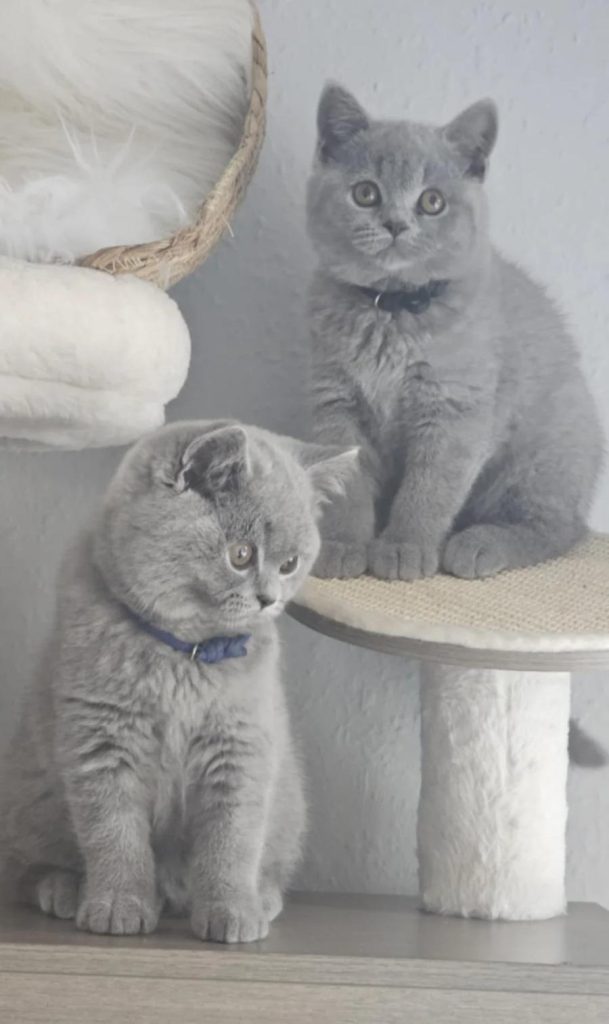
British Shorthairs are a beloved breed known for their robust physique and charming personalities. As pet owners consider adding this affectionate feline to their families, one common concern arises: how much do British Shorthairs shed? Understanding their shedding patterns, factors that influence it, and effective grooming techniques can help potential owners prepare for the care required. In this article, we will explore the shedding characteristics of British Shorthairs, provide insights into managing their coat, and discuss health considerations related to shedding, ensuring you’re well-equipped to embrace this delightful breed.
Overview of British Shorthairs
British Shorthairs are the charming, round-faced darlings of the cat world. With their plush coats, stocky builds, and big, expressive eyes, they have an uncanny ability to make anyone weak at the knees. Originating from Britain, they have a long history that dates back to Roman times, and their sturdy appearance definitely speaks to their powerful lineage. These cats are both versatile and adaptable, making them excellent companions in a variety of living situations—from cozy flats to sprawling houses.
Physical Characteristics
Renowned for their hefty, muscular build and dense, plush fur, British Shorthairs are like the teddy bears of the feline realm. Their broad, rounded heads sit atop thick necks, and their chubby cheeks give them a permanent look of surprise—or perhaps just contentment. These cats typically have short, dense coats, often in a shade of blue-gray, but they can also come in various other colors and patterns. Their short, sturdy legs and round paws complete the adorable picture, making them both majestic and cuddly.
Temperament and Behavior
British Shorthairs are known for their easy-going and affectionate nature. They have a laid-back attitude, making them perfect for those who enjoy a calm and relaxed companion. These cats are social creatures but don’t demand constant attention, preferring to lounge nearby while you go about your day. They’re also quite playful and enjoy interactive toys, but they won’t judge you if you take a lazy day to binge-watch your favorite show instead. With a British Shorthair, you get the perfect balance of love and independence.
Understanding Cat Shedding
Shedding is a natural process for cats, just like that awkward moment when you realize you’ve been talking to someone with spinach in your teeth. It’s their way of getting rid of old or damaged hair to make way for new growth. While it might seem like a never-ending battle against fur on your favorite black sweater, understanding shedding can help you manage it more effectively.
What is Shedding?
Shedding refers to the way cats lose their fur, typically in a cyclical pattern. It’s a normal part of their grooming routine, where they replace old hair with fresh ones. Cats will naturally shed throughout the year, and while it may appear as though they’re trying to cover every available surface in your home with their fur, it’s all part of staying healthy and looking fabulous.
Normal Shedding vs. Excessive Shedding
Normal shedding is a gentle, ongoing process—a bit like seasonal fashion changes. It varies between breeds, with some cats shedding a lot and others barely at all. Excessive shedding, however, can signal underlying health issues, stress, or poor nutrition. If you find yourself vacuuming like it’s a full-time job, it’s worth investigating whether Fifi might be experiencing an issue beyond the usual fur-flying festivities.
Shedding Patterns in British Shorthairs
Like the rest of us after a long workout, British Shorthairs have their own shedding patterns that ebb and flow throughout the year. Understanding these trends can help you prepare for the fur fiesta that may arise.
Seasonal Shedding Trends
British Shorthairs tend to shed more in spring and fall, when they’re transitioning between their winter and summer coats. Think of it as them preparing for a very stylish seasonal wardrobe change! During these times, you might notice an increase in the amount of hair floating around, so keep that lint roller handy (or invest in a good vacuum—your carpet will thank you).
Shedding During Life Stages
Young British Shorthairs will shed as they grow and develop their adult coats, while changes during their senior years may also lead to variations in shedding. A cat’s shedding can ramp up during stress, health issues, or big life changes (like an unexpected move or new family member). Keep an eye on your feline friend as their life stages progress; it’ll help you differentiate between normal shedding and something that requires a vet trip.
Factors Influencing Shedding
Shedding isn’t just about breed; it’s a cocktail of genetics, environment, and upkeep (and no, we’re not talking about cocktails that require an umbrella). Let’s break down the main influencers that could be affecting your British Shorthair’s shedding habits.
Genetics and Breed Traits
As a breed, British Shorthairs are known for their plush, dense coats, and their shedding behavior is part of the package. Genetics play a crucial role in how much they shed, with some cats being more prone to shed than others. So, if your British Shorthair has fur flying everywhere, just remember it’s in their genes—no need to blame them for their fashionable mane!
Environmental Factors
Things like temperature, humidity, and even changes in your home can influence shedding. For instance, those hot summer days might lead to a larger pile of fur on your floor, as your cat sheds their winter coat. Additionally, exposure to allergens or changes in their environment could lead to more fur floating around, so be mindful of their surroundings when trying to assess their shedding.
Diet and Nutrition
What your British Shorthair eats can significantly affect their coat health and, consequently, shedding. A balanced diet rich in fatty acids and nutrients helps ensure their skin and fur are healthy. If you suspect that their diet might be leading to excessive shedding, consider consulting your vet for tailored dietary advice. After all, just like us, a healthy diet keeps them feeling fabulous and minimizes those fuzzy surprises around the house!
Managing Shedding in British Shorthairs
Regular Grooming Routines
Keeping a consistent grooming schedule is essential for managing shedding in British Shorthairs. Aim for at least once a week (or more if your feline friend is feeling particularly fluffy). This will not only help reduce the amount of hair floating around your home but also keep your kitty’s coat shiny and healthy. Plus, it’s a purr-fect opportunity for some quality bonding time that both you and your cat can appreciate. Talk about a win-win!
Using the Right Tools
When it comes to grooming, the tools you choose can make all the difference. A slicker brush is a fantastic choice for these short-haired beauties, as it effectively removes loose hairs without irritating their skin. Additionally, a rubber grooming glove can help pick up those stubborn hairs that seem to have committed to an all-out siege on your furniture. With the right gear, you’ll be ready to tackle shedding like a pro!
Grooming Tips for Reducing Shedding
Types of Brushes and Combs
Investing in the right brush is like having a secret weapon in your shedding arsenal. For British Shorthairs, a combination of a slicker brush and a bristle brush works wonders. The slicker brush gets rid of loose hairs, while the bristle brush smooths the coat and distributes those natural oils. If your cat feels like a porcupine during grooming (and who wouldn’t), try a gentle comb designed for sensitive skin—everyone deserves a gentle touch now and then!
Bathing Techniques and Frequency
Bathing your British Shorthair isn’t a weekly chore, but an occasional wash can help minimize shedding, especially during peak seasons. Use a cat-friendly shampoo and warm water, and remember to dry them thoroughly afterward—nobody enjoys a chilly cat. Aim for a bath every few months or as needed, but don’t overdo it! Too much bathing can strip essential oils from their coat, making it more prone to shedding. Striking the right balance is key!
Health Considerations Related to Shedding
Signs of Skin Conditions
If you notice excessive shedding, it might not just be a seasonal issue. Keep an eye out for signs of skin conditions such as redness, irritation, or bald patches. If your British Shorthair is scratching more than normal or has flakes like a bad case of dandruff, it could signal a problem that warrants a trip to the vet. Always trust your instincts; your cat’s coat should reflect their overall well-being!
Allergies and Sensitivities
Just like humans, cats can have sensitivities and allergies that manifest through shedding. Common culprits include certain foods, dust, or pollen. If your British Shorthair develops itchiness or a change in their coat, consult your vet. They may recommend allergy testing or dietary changes to help alleviate the shedding situation. Remember, your furry friend deserves to feel their best, so keeping tabs on their health is top priority!
Conclusion: Shedding and Care for British Shorthairs
Summary of Key Points
To wrap it all up, British Shorthairs are delightful companions, but they do shed. Regular grooming routines and the right tools can help keep their coat looking sharp and reduce furry tumbleweeds in your home. Keep an eye on skin conditions and be mindful of any allergies, as these could be contributing factors to shedding. A little TLC goes a long way!
Final Thoughts on Care and Maintenance
In conclusion, while shedding can seem like a full-time job (and maybe it is!), with the right approach, you can manage it like a pro. Enjoy the cuddles, embrace the fluff, and remember: a little shedding is just a small price to pay for the joy of having a British Shorthair in your life. Happy grooming!In conclusion, while British Shorthairs do shed, their grooming needs can be effectively managed with regular care and attention. By understanding their shedding patterns and implementing proper grooming techniques, owners can maintain a clean home and a healthy coat for their feline companion. With the right approach, you can enjoy the companionship of a British Shorthair without being overwhelmed by shedding concerns.
FAQ
Do British Shorthairs shed all year round?
British Shorthairs typically experience seasonal shedding, with increased shedding in spring and fall as they adapt to changing temperatures. However, some shedding occurs throughout the year.
How often should I groom my British Shorthair to manage shedding?
It is recommended to groom your British Shorthair at least once a week to help reduce shedding and keep their coat healthy. During peak shedding seasons, more frequent grooming may be beneficial.
What tools are best for grooming a British Shorthair?
A slicker brush or a rubber grooming mitt is ideal for removing loose fur and reducing shedding. These tools can help keep your cat’s coat smooth and minimize hair around the house.
Are there any dietary changes that can help with shedding?
Providing a balanced diet rich in omega fatty acids can promote a healthy coat and reduce excessive shedding. Consulting with a veterinarian for specific dietary recommendations is advisable.