
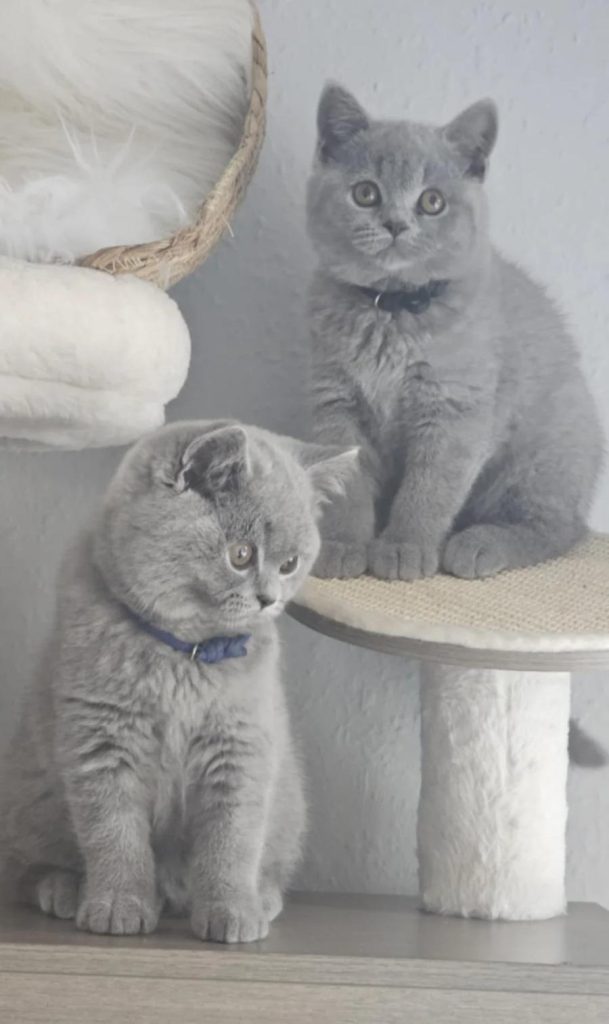
Bringing a British Shorthair kitten into your home can be an exciting and rewarding experience, but it’s essential to understand the financial commitment involved. Known for their distinctive round faces, plush coats, and friendly dispositions, British Shorthairs are one of the most popular cat breeds. However, the cost of acquiring and caring for one goes beyond the initial purchase price. In this article, we will explore the various factors that influence the cost of a British Shorthair kitten, outline the typical price range, and discuss the ongoing expenses associated with ownership to help you make an informed decision about welcoming one of these charming felines into your life.
Overview of British Shorthair Kittens
History and Origin
The British Shorthair is a true classic, with roots dating back to the Roman Empire when cats were brought over to help manage pesky rodent populations. Fast forward a few centuries, and this breed evolved into the charming, chubby-cheeked companions we know and love today. With a distinctive presence in British culture (cue all the Beatrix Potter illustrations), they’ve charmed their way into our homes and hearts, becoming one of the most popular cat breeds around.
Physical Characteristics
If you’re on Team Chubby Cheeks, prepare to fall head over heels for the British Shorthair. These kittens boast a robust build, round face, and yes, those delightful, plush coats that are practically begging to be snuggled. They come in various colors, from classic blues (which are really just a shade of gray) to more exotic hues like cream, black, and even lilac. Their eyes? Think bright copper or deep gold that can stop you dead in your tracks. They’re like the fluffy equivalent of a British royal portrait—striking and a little regal.
Temperament and Behavior
British Shorthairs are the couch potatoes of the feline world. They’re known for their easygoing nature, making them perfect companions for those who prefer a laid-back lifestyle. While they love their humans, they also cherish their alone time, so don’t be offended if your kitten decides to bathe in the sunlight instead of your lap. Their playful antics and occasional bursts of energy keep things interesting, but overall, they’re the kings and queens of chill.
Factors Influencing the Cost
Breeder Reputation
When it comes to British Shorthairs, not all breeders are created equal. A reputable breeder, known for their ethical practices and healthy kittens, will usually charge more. Think of it as paying extra for a good cup of coffee—sure, you could get it cheaper elsewhere, but would you really want to risk a bad experience? Look for breeders who are transparent about their practices and provide health guarantees.
Pedigree and Lineage
Just like that one relative who insists their family is descended from royalty, a kitten’s pedigree can significantly impact its price. Kittens bred from champion lines (think of them as the aristocrats of the cat world) often come with a steeper price tag. If you’re aiming to show your kitty in competitions, investing in a kitten with a stellar lineage might be worth it. If you’re more interested in cuddles than crowns, a less pricy option could work just fine!
Location and Availability
Where you live can make a noticeable difference in price. Urban areas with high demand may see British Shorthair kittens fetching a premium, while rural areas might offer more reasonable prices. Additionally, if you’re in a region where these kittens are in short supply, be prepared to pay a premium to secure your furry friend. It’s like finding a popular concert ticket—supply and demand, baby!
Price Range of British Shorthair Kittens
Typical Price Range
On average, a British Shorthair kitten can set you back anywhere from $1,000 to $2,500. This price reflects the aforementioned factors, including breeder reputation and lineage. Of course, if you stumble upon a bargain basement deal, approach with caution—there’s likely a reason the price is so low, and it could involve potential health issues or unethical breeding practices.
Cost of Rare Colors and Patterns
If you’re dreaming of a British Shorthair in a rare color, like the elusive cinnamon or the coveted tortie, be prepared to dig deeper into your wallet. Rare colors and unique patterns can push the price up significantly—sometimes beyond the $3,000 mark. It’s like shopping for a limited edition sneaker; the rarer it is, the more valuable it becomes. Just remember, your kitty will still wiggle and pounce regardless of their color!
Potential for Price Variation by Region
Regional differences can affect pricing significantly. Areas with a high population of breeders typically offer competitive pricing, while places with fewer breeders may see higher prices simply due to scarcity. So, whether you’re in the heart of London or a cozy cottage in the countryside, the location can make your budget fluctuate more than a cat chasing a laser pointer.
Initial Expenses Beyond Purchase Price
Vaccinations and Health Checks
Congratulations on your new furry friend! The fun doesn’t stop at the purchase price—budget for initial vaccinations and health checks which can range from $100 to $300. These ensure your little ball of fur is healthy and ready to wreak adorable havoc in your home. Regular vet visits will be a part of your new normal, so factor those into your long-term budget too.
Initial Supplies and Setup
Before your new kitten arrives, you’ll need to gear up with some essential supplies. Think litter box, food and water dishes, scratching posts, toys, and, of course, that cozy bed they’ll probably ignore in favor of your lap. Expect to spend around $200 to $500 to get your home ready for your new feline overlord. Your credit card may feel a little lighter, but those kitty cuddles are totally worth it!
Microchipping and Registration Fees
Microchipping is an essential step in ensuring your kitten can always find their way back home if they venture out on their own (which they definitely will, at least in spirit). The cost of microchipping typically runs about $50 to $100. Additionally, registration fees for breed competitions or pet insurance should also be part of your budget. It’s all part of being a responsible pet parent and ensuring your cuddle buddy has the best care possible!
Ongoing Costs of Ownership
Food and Nutrition
Feeding your British Shorthair kitten isn’t just about keeping its belly full; it’s about ensuring your little ball of fluff gets the premium nutrients it deserves. High-quality cat food can range from $20 to $50 per month, depending on whether you fancy kibble, wet food, or a mix of both. And let’s be real—it’s not just about the food; it’s also about those adorable feeding bowls that match your kitchen aesthetics.
Routine Veterinary Care
Your furry friend will need routine vet visits, including vaccinations, check-ups, and the inevitable “How’s that cute little belly?” exam. Budget around $200 to $500 annually for these appointments, plus another $100 to $200 for regular flea and tick treatments. Remember, keeping your kitten healthy today means fewer sleepless nights—and possibly fewer vet bills—tomorrow!
Grooming and Maintenance
British Shorthairs are relatively low maintenance when it comes to grooming, but they do shed. Expect to spend about $10 to $30 monthly on brushes and grooming supplies, and if you prefer professional grooming services, tack on another $50 to $100 per session. Your kitty’s coat deserves to shine, after all—it’s practically Instagram-ready!
Where to Buy a British Shorthair Kitten
Reputable Breeders
When it comes to sourcing a British Shorthair, reputable breeders are gold. They ensure the health, temperament, and lineage of the kittens. Prices for kittens from these breeders can range from $1,500 to $3,000. Be prepared to ask questions because if they don’t care enough to share their breeding practices, you’ll want to look elsewhere—trust us!
Pet Stores vs. Adoption Centers
Pet stores often have British Shorthair kittens, but proceed with caution. Prices can be high, and you often don’t get the same health guarantees as from breeders. Adoption centers may have older British Shorthairs or mixes available for a fraction of the cost (sometimes as low as $100!). Plus, you’ll be giving a fur-baby a shot at a loving home—major karma points!
Online Listings and Cautions
Scrolling through online listings for kittens can feel like a treasure hunt. Websites and social media can be great places to find British Shorthairs, but be wary of scams! Always verify the seller’s credentials and meet the kitten in person before handing over your hard-earned cash. Remember: if it sounds too good to be true, it probably is—no one is giving away purebred kittens for free.
Tips for Budgeting for a New Kitten
Creating a One-Time and Recurring Expense Plan
Before you bring home your new British Shorthair, map out all the one-time expenses (like the initial purchase price, bedding, litter box, and toys) and recurring costs (food, vet visits, etc.). Having a clear budget will help you avoid any unexpected costs that may have you googling “how to live off ramen” a month in.
Emergency Fund for Unexpected Costs
Kittens are delightful, but let’s face it—they can also be little troublemakers! Setting aside an emergency fund of at least $300 to $500 will give you peace of mind for unforeseen vet visits or those accidents no one wants to talk about. Plus, it’s better to be safe than sorry when it comes to your furry friend’s well-being.
Finding Discounts and Deals
Keep an eye out for promotions at pet stores, subscribe to newsletters, or even join local pet groups where members often share deals. Quality doesn’t always have to come with a hefty price tag! And remember, it’s a cat—sometimes a cardboard box is worth more than a fancy toy, so be sure to get creative with your budget.
Conclusion: Is a British Shorthair Right for You?
Assessing Your Lifestyle and Home Environment
Before jumping into British Shorthair ownership, consider your daily routine and space. These kitties are known for their laid-back attitude, but they still love a good romp. Ensure you have enough room and time to dedicate to play, cuddles, and the odd snack break.
The Commitment of Pet Ownership
Owning a pet is a long-term commitment—often lasting upwards of 15 years! Beyond the financial aspects, think about the emotional investment and time you’ll need to provide love and companionship. If things get rough, just remind yourself that snuggles make any rough day a little brighter.
Final Thoughts on Cost vs. Value
While British Shorthairs come with a price tag, the joy, companionship, and all-around delight they bring to your life can easily outweigh the costs. Think of them as a furry friend who won’t judge your Netflix choices—what’s that worth to you? So, if you have the means and the heart, welcome to the British Shorthair club!In conclusion, while the allure of a British Shorthair kitten is undeniable, it’s crucial to consider both the initial and ongoing costs associated with their care. By understanding the financial commitment and planning accordingly, you can ensure a happy and healthy environment for your new feline friend. Whether you’re drawn to their unique appearance or their gentle personality, taking the time to budget and prepare will help you enjoy a fulfilling companionship with your British Shorthair for years to come.
FAQs
What is the average price of a British Shorthair kitten?
The average price of a British Shorthair kitten typically ranges from $1,000 to $2,500, depending on factors such as pedigree, breeder reputation, and location.
Are British Shorthair kittens expensive to maintain?
Yes, British Shorthair kittens can be relatively expensive to maintain, with ongoing costs including high-quality food, routine veterinary care, grooming, and other supplies.
Is it better to adopt a British Shorthair or buy from a breeder?
Adopting from a shelter can be a more cost-effective and compassionate option, but purchasing from a reputable breeder may provide more information about the kitten’s lineage and health history.
What are some hidden costs of owning a British Shorthair kitten?
Hidden costs can include emergency veterinary care, pet insurance, unexpected health issues, and specialized grooming services, which can add up over time.