
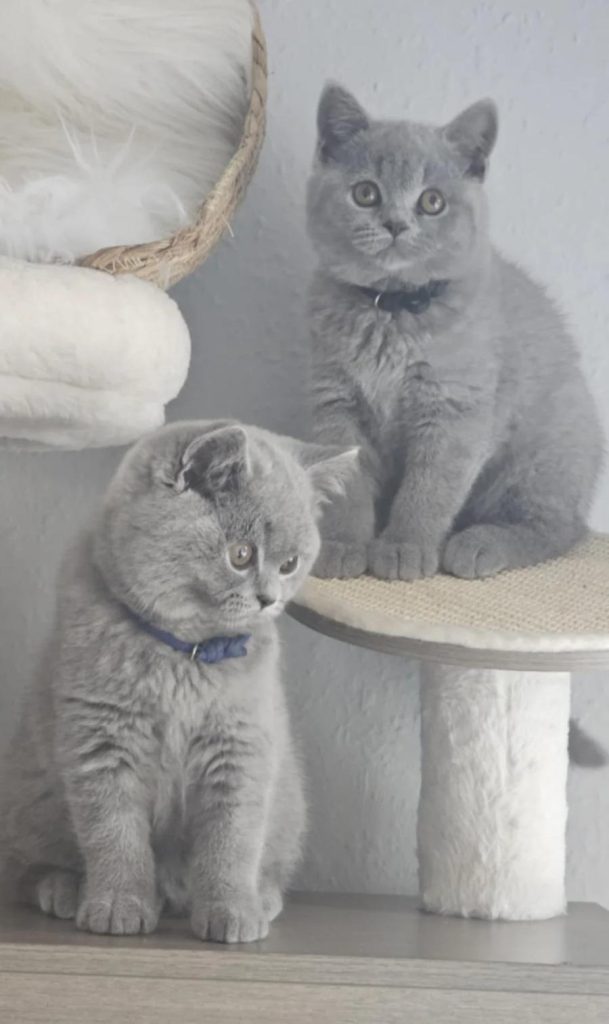
The Grey British Shorthair kitten is a captivating choice for anyone looking to add a furry companion to their family. Renowned for their plush coats, round faces, and charming personalities, these kittens are not only visually appealing but also known for their gentle and affectionate nature. As you embark on the journey of finding the perfect Grey British Shorthair, it’s essential to understand the breed’s characteristics, health needs, and how to create a welcoming environment for your new pet. This article will guide you through everything you need to consider when looking for a Grey British Shorthair kitten for sale, ensuring that you make an informed and loving choice for your future feline friend.
Overview of Grey British Shorthair Kittens
History of the Breed
The British Shorthair breed has a legacy that dates back to ancient Rome when they were prized for their mousing skills. These chunky, charming cats eventually became the poster children for the British cat fancy in the late 19th century. The grey variant, often referred to as “British Blue,” probably owes its popularity to none other than the well-known cartoon character, Puss in Boots. Now, they’re the cuddle-leaders in households across the UK and beyond!
Physical Features
Grey British Shorthairs are the perfect blend of fluff and firmness. With their round faces, plush coats, and stocky builds, they look like they just walked off the pages of a children’s book. Their large, round eyes can be copper or blue, giving them a curious yet sophisticated expression. And let’s not forget those strong legs and thick tails that add to their overall teddy bear effect—who doesn’t want to snuggle with a kitten that looks this cute?
Color Variations and Standards
While “grey” is the hallmark color for these adorable felines, it comes in a spectrum of shades. The breed standard recognizes solid blue, but British Shorthairs can also sport variations like tabby and tortoiseshell. However, if you want a true blue beauty, you’re looking for a kitten with a rich, even color that’s free from any stripes or spots—essentially a fuzzy little cloud strutting around your living room.
Characteristics and Temperament
Personality Traits
Grey British Shorthairs are the personification of chill. They strike a remarkable balance between affection and independence, making them your perfect sidekick for binge-watching your favorite series or reading a book. These cats are known for their easy-going demeanor, enjoying a good cuddle but also relishing their alone time—because who doesn’t secretly love a little “me time”?
Socialization Needs
While they may appear laid-back, Grey British Shorthairs appreciate socialization to become well-rounded pets. Early exposure to different environments, sounds, and people will help ensure they don’t turn into wallflowers. Engage them with playtime and affection, and you’ll have a confident kitten ready to conquer the world (or at least the living room).
Compatibility with Families and Other Pets
If you’ve got a bustling household or existing pets, the Grey British Shorthair is usually up for the challenge. Their tolerant nature makes them great companions for children and other animals, though introductions should be handled with care to avoid any feline drama worthy of a soap opera. With a little patience and the right approach, your home can become a delightful, harmonious hub of fur and fun.
Health Considerations for British Shorthair Kittens
Common Health Issues
Like all cats, British Shorthairs can be prone to certain health issues—so it’s good to be informed. Common concerns include hypertrophic cardiomyopathy (HCM) and obesity, which unfortunately seems to be a widespread feline epidemic. Keeping up with their diet and vet visits will help ensure your kitten stays as healthy as they are adorable.
Regular Veterinary Care
Routine vet check-ups are essential for preventing health problems and ensuring your kitten grows up strong and vibrant. Regular visits for vaccinations, dental care, and check-ups will help your British Shorthair thrive. Consider it investing in your kitten’s future—plus, it gives you an excuse to show off your fluffball to everyone at the clinic!
Vaccination and Preventative Measures
A vaccination schedule is a must to protect your furry friend from common cat diseases. Regular flea and tick prevention will also help keep them in tip-top shape. Think of these measures as the feline equivalent of a superhero cape—protecting your little sidekick as they embark on their many adventures in your home!
Finding a Reputable Breeder
What to Look for in a Breeder
When hunting for your Grey British Shorthair, it’s essential to find a breeder who prioritizes health and temperament. Look for someone who raises their kittens in a loving environment, conducts health screenings, and can provide paperwork to back it up. A reputable breeder will be just eager to show you their kittens as you are to meet them—so don’t be shy!
Questions to Ask
Don’t be afraid to channel your inner detective! Ask questions about the kitten’s lineage, socialization practices, and medical history. Inquire about their experience with the breed—if their face lights up with excitement, you’re likely in good hands. If they start dodging questions like it’s dodgeball day in gym class, it might be time to keep looking.
The Importance of Visits and References
Before you write that check, it’s crucial to meet the kittens in person. A visit to the breeder’s home will give you insights into their cleaning practices and the kittens’ living conditions. Plus, ask for references from previous buyers; it’s like Yelp for kittens! Hearing from satisfied customers can make your decision much easier (and more fun).
Tips for Caring for Your New Kitten
Feeding Guidelines
Start your British Shorthair kitten on a high-quality kitten food rich in protein and fat to support their growing bodies. Look for options with real meat as the first ingredient. Don’t forget to provide fresh water at all times—hydratation is key! Feed them small amounts several times a day, as these little fluffballs have tiny tummies. And remember, no sneaking them your dinner leftovers; their delicate tummies won’t appreciate your gourmet taste.
Grooming and Maintenance
British Shorthairs have plush, dense coats that can make them look like walking teddy bears. Regular brushing (ideally once a week) helps reduce shedding and keeps their fur looking its best. Don’t forget about nail trimming and teeth brushing—after all, you don’t want your fancy kitten to end up with kitten cavities or claws that could rival a bear’s! Introduce grooming slowly so that it becomes a pleasant bonding experience rather than a wrestling match.
Training Tips
Kittens may seem like little bundles of chaos, but they’re also capable of learning some essential skills! Start with basic litter box training—most kittens instinctively know what to do, but a bit of encouragement won’t hurt. Use positive reinforcement, like treats and playful praise, to teach them commands and tricks. And remember, patience is key; kittens can be as stubborn as they are cute. It may take time, but soon your little furball will be the feline genius of the neighborhood.
Cost and Pricing Factors
Initial Purchase Price
When you decide to bring a British Shorthair kitten into your life, be prepared to shell out some serious cash. Prices typically range from $1,500 to $3,000, depending on the breeder’s reputation, lineage, and whether your kitten comes with a fancy pedigree. Remember, you’re not just buying a pet; you’re investing in a future snuggle buddy who will undoubtedly steal your heart (and possibly your favorite chair).
Ongoing Care Costs
Once you’ve snagged your adorable kitten, the costs don’t stop there. Plan for ongoing expenses like high-quality food, regular vet checkups, vaccinations, and preventative medications. Additionally, don’t forget about toys (because you can never have too many scratching posts) and litter supplies. All in all, you might spend around $500 to $1,000 annually on your new furry friend. Consider it a small price to pay for the endless amusement and joy they bring to your life!
Insurance and Unexpected Expenses
Kittens, while adorable, can also be a bit… unpredictable. That’s why pet insurance is a smart investment. It can save you from financial heartbreak if unexpected health issues arise. Factors like breed predispositions can also affect health, so it’s good to do your homework. Set aside some funds as an ‘oops fund’ for emergencies—think of it as your kitten’s rainy day savings account. After all, even the cutest balls of fluff can end up with a mysterious case of the zoomies that requires a vet visit.
Preparing Your Home for a Kitten
Creating a Safe Environment
Before your new kitten arrives, kitten-proof your home like it’s an obstacle course. Remove hazardous items, secure loose wires, and make sure any toxic plants are sent packing. Create a cozy, designated space where your kitten can feel safe and secure—think comfy beds, hiding spots, and maybe even a fancy scratching post. And remember, the world is big and scary for a tiny creature, so keep their initial territory small until they’re ready to explore!
Essential Supplies
Time to go shopping (and don’t forget your wallet)! Your kitten will need the basics: a litter box, food and water dishes, high-quality kitten food, litter, toys, and a cozy bed. Don’t skimp on toys; they’ll keep your kitten entertained and help to wear off that endless energy. You may want to invest in a few scratching posts and interactive playthings to channel their inner hunter. And yes, a cat tree is basically a necessity if you want to impress your friends!
Introducing Your Kitten to Its New Home
When your kitten arrives, take it slow! Allow them to explore their designated space at their own pace. Come armed with treats and gentle voices to create a positive association with their new environment. Limit exposure to loud noises and rambunctious humans until they feel comfortable. The first few days may be filled with hiding and cautious peeking from behind the couch—this is perfectly normal. Soon, they’ll be prancing around like they own the place (because, well, they probably do).
Common FAQs About British Shorthair Kittens
How to Choose the Right Kitten
When it comes to choosing your British Shorthair kitten, look for a playful, curious personality that resonates with you. Consider factors like temperament, health, and the breeder’s practices. Spend time with the kittens to see which one snuggles up to you first (or steals your shoelaces). Remember, you’re choosing a companion for life, so take your time and choose wisely!
What to Expect in the First Few Weeks
Get ready for a whirlwind of cuteness! The first few weeks will be filled with adjustment periods for both you and your kitten. Expect lots of curiosity, mischief, and oh-so-adorable cuddle sessions. They may also show moments of shyness as they explore their new home. Give them plenty of love, attention, and patience, and soon you’ll both settle into a comfy routine of playtime and snuggles.
Longevity and Lifespan Considerations
British Shorthairs are known for their robust health and generally live around 12 to 20 years, given proper care. This long lifespan means you’re not just adopting a pet; you’re signing up for a long-term relationship filled with joy and furry chaos. Make sure you’re ready for the commitment, because once that fluffy ball of joy steals your heart, there’s no going back! In conclusion, bringing a Grey British Shorthair kitten into your home can be a rewarding experience filled with joy and companionship. By understanding the breed’s unique characteristics, health considerations, and care requirements, you’ll be well-equipped to provide a loving and nurturing environment for your new pet. Whether you’re seeking a playful companion or a calm presence, the Grey British Shorthair is sure to become a cherished member of your family. Remember to take your time in finding a reputable breeder and preparing your home, and soon you’ll be welcoming a delightful kitten that will fill your life with happiness.
Frequently Asked Questions About Grey British Shorthair Kittens
1. How do I know if a Grey British Shorthair kitten is right for me?
Consider your lifestyle, living situation, and the amount of time you can dedicate to socialization and care. If you’re looking for a friendly, low-maintenance pet that gets along with families and other pets, a Grey British Shorthair may be a perfect fit.
2. What should I expect in terms of grooming for a Grey British Shorthair?
Grey British Shorthairs have dense coats that require regular grooming to prevent matting and to reduce shedding. Weekly brushing is generally sufficient, along with occasional baths as needed.
3. Are Grey British Shorthair kittens prone to any specific health issues?
Like all breeds, Grey British Shorthairs can be susceptible to certain health conditions, including hypertrophic cardiomyopathy (HCM) and obesity. Regular veterinary check-ups and a balanced diet can help mitigate these risks.
4. How can I help my new kitten adjust to its new home?
Create a safe and comfortable environment by providing a quiet space with essentials like a litter box, food, water, and toys. Gradually introduce your kitten to different areas of your home and allow it to explore at its own pace.