
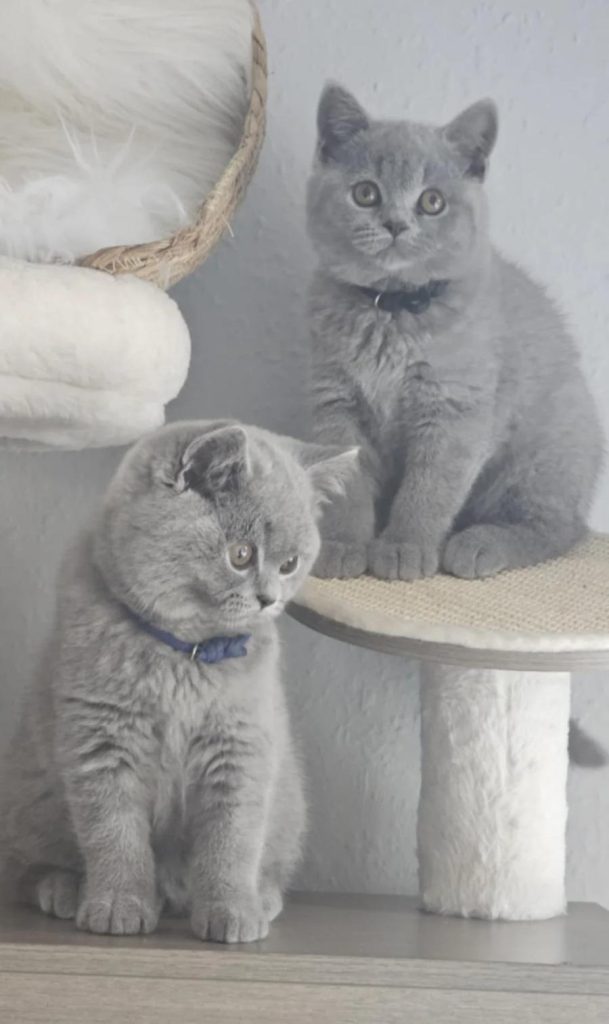
Adopting a British Shorthair kitten can be a rewarding experience, bringing joy and companionship into your home. Known for their charming personalities, distinctive round faces, and plush coats, these cats are not only visually appealing but also possess a laid-back demeanor that makes them great family pets. However, the adoption process requires careful consideration and preparation. From understanding the breed’s unique characteristics to finding a reputable source for adoption, this guide will walk you through each step of bringing a British Shorthair kitten into your life, ensuring you are well-equipped to provide a loving and nurturing environment for your new furry friend.
1. Understanding the British Shorthair Breed
1.1 History and Origin
The British Shorthair has quite the pedigree! Originating in Britain, these cats can trace their lineage back to Roman times when they were used to control pests. Over the years, they’ve evolved from rugged, street-smart felines into the charming companions we adore today. They’ve even played a starring role in various pop culture references, making them the fancy aristocrats of the kitty kingdom.
1.2 Physical Characteristics
With their round faces, stocky builds, and plush coats, British Shorthairs are the cat equivalent of a teddy bear you’d find at a fair. They come in a rainbow of colors, but the classic blue (a fancy way of saying gray) is the most recognized. Their large, copper-colored eyes add to their endearing looks, making it hard for anyone to resist those sweet faces!
1.3 Temperament and Behavior
British Shorthairs are like the cool kids in school: friendly, easygoing, and just a little quirky. They might not be the life of the party, but they sure enjoy the company of their humans. Known for their calm and laid-back demeanor, they also have an independent streak. In other words, they’ll happily snooze on your lap, but don’t expect them to follow you around like a shadow all day.
2. Benefits of Adopting a British Shorthair Kitten
2.1 Companionship and Affection
Adopting a British Shorthair is like acquiring a furry best friend who will always be there to lend an ear (or a paw). They thrive on companionship and are often quite affectionate, cuddling up to you after a long day while providing a perfect blend of warmth and comfort. Just be prepared for those moments when they decide your laptop is the perfect place for a snooze!
2.2 Low Maintenance Grooming
Are you looking for a cat that requires less grooming than your average diva? The British Shorthair’s dense coat doesn’t require a ton of upkeep. A good brushing session once a week will keep their fur looking fabulous while cutting down on the dreaded hairball situation. Less grooming time means more quality cuddle time—everyone wins!
2.3 Health and Longevity
British Shorthairs are known for their sturdy build and, on average, have a longer lifespan compared to some other breeds. While they’re not immune to certain health issues, adopting from a reputable source can significantly reduce your risks. With regular vet check-ups, a balanced diet, and a sprinkle of love, your British Shorthair can be your companion for many years to come.
3. Preparing Your Home for a New Kitten
3.1 Creating a Safe Space
Before your new furball arrives, it’s essential to set up a cozy, safe haven. Choose a quiet corner with a comfy bed, food, and water dishes. This will be their base camp for exploring their new kingdom. Don’t forget to stock up on toys as well—British Shorthairs have a playful side that needs to be nurtured!
3.2 Essential Kitten-Proofing Tips
Kittens are tiny adventurers, which means they’ll likely explore every nook and cranny of your home. Ensure that hazardous items, like cords and toxic plants, are out of reach. Blocking off small spaces and securing heavy objects can prevent any potential accidents. Remember, it’s better to kitten-proof than to come home to a surprise cat tornado!
3.3 Introducing Other Pets
If you already have pets, introducing them to your British Shorthair kitten should be done with care. Gradually allow them to meet while keeping both parties supervised. First impressions matter, so let them sniff around each other’s space before they decide whether to become friends or rivals. With a little patience, you’ll have a cozy multi-pet household in no time.
4. Finding Reputable Breeders and Rescue Organizations
4.1 Researching Breeders
When searching for a reputable breeder, do your homework like you’re researching a term paper! Look for breeders that are registered with breed clubs and have excellent reviews. Visit in person to see where the kittens are raised, and make sure they’re well-socialized and happy. After all, a healthy, well-bred kitten is worth its weight in gold (or catnip).
4.2 Identifying Local Shelters and Rescues
If you’re looking to adopt, check out local shelters and rescue organizations. Many British Shorthairs end up in rescues, and giving one a forever home is beyond rewarding. Don’t forget to ask about their health history and temperament, as these organizations often have invaluable insights into your new furry companion.
4.3 Red Flags to Watch For
When dealing with breeders or shelters, trust your gut! Red flags include refusal to show health records, lack of socialization in kittens, or overly eager sales pitches (we’re not shopping for a used car here!). If something feels off, keep searching. The right kitten is out there, waiting for you—just don’t rush the process!
5. The Adoption Process: What to Expect
5.1 Initial Application and Interview
Before you can start cuddling your new British Shorthair, you’ll need to submit an application. Think of it as a dating profile – you want to impress! Applications usually ask about your living situation, experience with pets, and what you’re looking for in a kitten. Afterward, an interview with the rescue organization is typical. This is your chance to showcase your kitten-loving personality and assure them you’re ready to provide a loving home.
5.2 Home Visits and Assessments
Now, this step is a bit like a reality show where you’re the star! The rescue might conduct a home visit to ensure your space is safe and suitable for a playful British Shorthair. They’ll check for things like exposed wires and potential escape routes. Don’t worry, they’re not there to judge your decor (though a cat-themed living room wouldn’t hurt).
5.3 Finalizing the Adoption
Once you’re cleared through the application and home visit, it’s time for the exciting part: finalizing the adoption! You’ll sign a few papers, perhaps pay an adoption fee (it’s often a modest price compared to the joy you’ll receive), and voilà! You’re now officially a parent to a fluffy bundle of joy. Don’t forget to take a “just adopted” selfie for the ‘gram!
6. Essential Supplies for Your New Kitten
6.1 Food and Water Bowls
It’s time to stock up on dinnerware fit for a feline royal. Choose shallow, wide food and water bowls that won’t tip over during enthusiastic meals. Opt for stainless steel or ceramic, as cats have a knack for being dramatic with plastic. Pro tip: add a fancy mat underneath for that restaurant vibe!
6.2 Litter Box and Supplies
A litter box is non-negotiable, but not all boxes are created equal. Look for one with low sides for easy access, especially for tiny paws. Don’t forget the litter! Most kittens prefer clumping litter for easier clean-up. Your kitten may appreciate some privacy, so consider getting a box with a lid (just make sure they still fit!).
6.3 Toys and Enrichment Items
Cats are natural-born hunters, so keep their instincts sharp with plenty of toys! Feather wands, laser pointers, and perhaps a cozy scratching post will keep your British Shorthair entertained for hours. Plus, who can resist a good game of chase? It’s exercise for both of you, and hey, it’s much more fun than one-sided tug-of-war with an old shoelace.
7. Post-Adoption Care and Adjustment Tips
7.1 Establishing a Routine
Just like humans, cats thrive on routine. Set a schedule for feeding, playtime, and bedtime. This helps your new kitten feel secure and grounded in their new environment. Plus, it gives you a nice excuse to show off your stellar organizational skills—never thought adopting a cat would lead to a new life of structure, did you?
7.2 Monitoring Health and Behavior
Keep an eye on your little furball’s health and behavior. Are they eating well? Using the litter box? Playing like a champ? If something seems off, don’t hesitate to jot down notes and discuss them with your vet. Early detection can make a big difference, and you’ll become a pro at kitty care in no time!
7.3 Seeking Veterinary Care
Speaking of vets, schedule a check-up soon after adoption. Your kitten will need vaccinations and a health assessment to ensure they’re on the right track. Don’t be surprised if they turn into a wiggly little bundle during the visit! You’re both in this together—plus, treats for good behavior are almost guaranteed.
8. Building a Lifelong Bond with Your British Shorthair
8.1 Socialization and Interaction Techniques
To build a strong bond, dedicate time to socialization. Sit on the floor, let your kitten approach you, and gently engage in play. Positive experiences create trust, and soon you’ll have a loyal companion who craves your affection. Just remember, patience is key—Rome wasn’t built in a day, and neither is a rock-solid kitten-human relationship.
8.2 Training Basics for Kittens
Kittens are like little sponges, ready to soak up knowledge (and occasionally, your favorite socks). Start with basic commands like “sit” and “come.” Use treats and praise for motivation—think of it as enhancing their life skill set while satisfying their taste buds. Be consistent, and remember, patience is your best friend. After all, they didn’t come with a manual, and let’s be honest, who could resist that adorable little face? In conclusion, adopting a British Shorthair kitten is an exciting journey that can lead to a fulfilling and loving relationship with your new companion. By understanding the breed, preparing your home, and following the adoption process, you can ensure a smooth transition for both you and your kitten. Remember, the love and care you provide will not only enhance your kitten’s life but will also deepen the bond you share for years to come. Embrace the joys of kitten parenthood and enjoy every moment with your adorable British Shorthair!
Frequently Asked Questions (FAQ)
1. How much does it typically cost to adopt a British Shorthair kitten?
The cost of adopting a British Shorthair kitten can vary widely depending on the breeder or rescue organization, typically ranging from $800 to $2,000. Additional expenses such as vaccinations, spaying/neutering, and supplies should also be considered.
2. Are British Shorthair kittens suitable for families with children?
Yes, British Shorthair kittens are generally known for their calm and friendly temperament, making them suitable for families with children. They tend to be patient and adaptable, but it’s important to supervise interactions to ensure both the kitten and children feel safe.
3. What type of environment do British Shorthairs thrive in?
British Shorthairs adapt well to various living environments, whether it be an apartment or a house. They enjoy having space to roam and play, as well as cozy spots to relax. Providing enrichment and stimulation, such as toys and scratching posts, is essential for their well-being.
4. How often should I take my British Shorthair kitten to the vet?
It’s recommended to take your British Shorthair kitten to the vet for a check-up shortly after adoption, followed by vaccinations and regular wellness visits at least once a year. Discuss a vaccination and health monitoring schedule with your veterinarian to ensure your kitten stays healthy.