
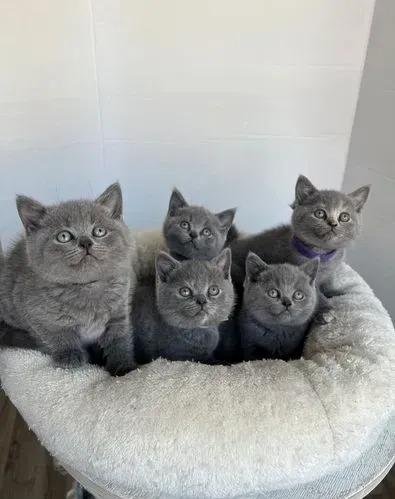
Bringing a British Shorthair kitten into your home can be a rewarding experience, as these charming felines are known for their friendly disposition, striking appearance, and adaptability. However, finding the right kitten requires careful consideration and research. From understanding the breed’s characteristics to selecting a reputable breeder or rescue organization, there are numerous factors to take into account. This article will guide you through the various avenues for acquiring a British Shorthair kitten, ensuring you make an informed decision that benefits both you and your new furry companion.
Understanding the British Shorthair Breed
History and Origins
The British Shorthair has a lineage that dates back to ancient Rome, where they were prized for their hunting prowess (think of them as the feline equivalent of a knight in shining armor). After the Romans left, these sturdy cats adapted to the British climate and eventually became a symbol of Britain itself. With their charming round faces and dense coats, they soon became popular in cat shows, cementing their status as one of the UK’s most adored breeds.
Physical Characteristics
British Shorthairs are like the teddy bears of the cat world—if teddy bears had a penchant for mischief! These plump little furballs typically feature a broad, rounded head, large round eyes—often copper or gold—and a dense, plush coat that feels as lovely as it looks. Their short legs and stocky bodies give them a powerful, sturdy appearance, and they often come in a variety of colors, though the classic British Blue is a fan favorite.
Temperament and Behavior
When it comes to personality, British Shorthairs are the cool, calm, and collected types—think of them as the Zen masters of the cat kingdom. They’re known to be affectionate (in their own subtle way) but also enjoy their independence. These cats aren’t the type to follow you around like a needy puppy; instead, they prefer to lounge nearby and observe the world (or plot world domination). With a good mix of playfulness and serenity, they make purr-fect companions for many households.
Factors to Consider Before Getting a Kitten
Time Commitment
Before you rush out to snag a British Shorthair kitten, let’s chat about time—specifically, how much of it you can dedicate to your new feline overlord. Kittens require plenty of attention, socialization, and playtime, especially in their formative weeks. So, if your life is busier than a cat chasing a laser pointer, it might be worth considering how a kitten fits into your schedule.
Financial Responsibility
Ah, money—the other language of love. Owning a British Shorthair isn’t just about buying a cute kitten. You’ll also need to budget for food, routine vet check-ups, vaccinations, and the occasional “oops, I knocked that over” expense. Plus, there’s grooming and potential pet insurance to factor in. So, before you adopt, make sure your bank account can handle the adorable chaos.
Space Requirements
British Shorthairs are like little clouds of cuteness that need room to roam! They don’t need a mansion, but a cozy environment with space to play and explore is essential. If you live in a shoebox, consider how that’ll work—your kitten might just find a new favorite hiding spot in your shoe pile (and not in the cute way). Ensure you have enough space for a scratching post and places for them to lounge, because, let’s face it, they’ll likely take over your favorite chair.
Reputable Breeders: How to Find One
What to Look for in a Breeder
When searching for a reputable breeder, look for someone who treats their cats like royalty (because they deserve it, right?). A good breeder will prioritize the health, temperament, and well-being of their kittens over profit. They should be knowledgeable about the breed, provide health certificates, and allow you to meet the kitten’s parents. If they’re giving off “crazy cat person” vibes in the best way possible, you might be on the right track!
Questions to Ask Potential Breeders
Prepare your best cat-related interrogation skills! Ask potential breeders about their breeding practices, the health history of their cats, and how they socialize their kittens. Inquire about any genetic health issues common in the breed and whether they offer any guarantees. If they’re flustered by your questions, you might want to take your search elsewhere (because let’s face it, you want a knowledgeable partner in this kitty adventure).
Visiting the Breeder’s Facility
A visit to the breeder’s facility is a must. Walk around, check for cleanliness, and observe how the cats are treated. A reputable breeder will be happy to show you around and let you see how their kittens grow up surrounded by love. If the place seems sketchy or the cats are confined in tiny spaces, it’s a solid sign to hit the road and keep looking—no one wants to support a cat factory.
Shelters and Rescues: Adopting a British Shorthair
Benefits of Adoption
Adopting a British Shorthair from a shelter or rescue is like finding a hidden treasure (and it’s often much cheaper!). You’re not just giving a cat a home; you’re also freeing up space for another kitty in need. Adopting means you can skip the breeding drama and help save a life, and you might just find a loveable cuddle bug who’s ready to pounce straight into your heart.
How to Approach Shelters and Rescues
When approaching shelters or rescues, come prepared! Research local organizations that specialize in British Shorthairs or mixed breeds and don’t be afraid to ask about their adoption process. Spend time interacting with potential candidates (yes, try to resist taking them all home) and consider fostering to see if it’s a good match for your family. Remember, when you adopt, you’re not just bringing home a cat; you’re gaining a new best friend!
Adoption Process Overview
Typically, the adoption process involves filling out an application (don’t worry, it’s not as daunting as your college essays), paying an adoption fee, and possibly undergoing an interview or home check. After that, you’ll likely be introduced to your potential new feline friend. Be patient—sometimes the perfect kitty takes a little time to find. But once you do, get ready for a whole lot of cuddles and unconditional love!
Online Resources and Communities
Websites for Finding Kittens
When searching for the perfect British Shorthair kitten, various dedicated websites can help you on this fluffy journey. Websites like Petfinder, Adopt a Pet, and even breed-specific sites like The British Shorthair Club can connect you with reputable breeders and rescues. Just remember, when you find your heart’s desire, make sure to do your research and avoid going for a “too-good-to-be-true” deal!
Social Media Groups
Social media is not just for sharing cat memes; it’s also a great place to find kittens! Join Facebook groups or Instagram pages dedicated to British Shorthairs. There, you can see adorable photos, connect with other enthusiasts, and even find listings for available kittens. Just keep your “heart eyes” in check—remember to ask questions before you slide into a breeder’s DMs!
Forums and Discussion Boards
Dive into cat-lover forums like The Cat Site or Reddit’s r/cats for in-depth discussions and recommendations. You’ll find plenty of seasoned owners who share their experiences and can point you to trustworthy breeders or local shelters. It’s like having a virtual cat café where everyone understands the importance of the perfect purr!
Questions to Ask When Choosing a Kitten
Health History and Vaccinations
Before taking home your new furball, inquire about the kitten’s health history. Has it been vaccinated? Any past health issues? A responsible breeder should provide you with a health record to make this part straightforward. You don’t want to adopt your new companion only to discover they come with a list of “baggage” that not even a kitty carrier can hold!
Socialization and Behavior
Understanding your kitten’s personality is crucial. Is it playful, shy, or the next feline superstar? Ask about how the kitten has been socialized. Kittens who’ve had plenty of interactions with humans and other pets are typically easier to integrate into your home. You want a snuggly buddy, not a cat that thinks hiding under the couch is a fun new sport.
Parentage and Lineage
It might sound fancy, but knowing your kitten’s lineage can help you anticipate behavioral traits and health issues. Ask about the parents’ temperament and health backgrounds—good breeding can lead to a healthier and happier kitten. Plus, who wouldn’t want to be able to brag about their kitten’s illustrious ancestry at dinner parties?
Preparing Your Home for a New Kitten
Essential Supplies
Before your new fluffball makes a grand entrance, stock up on the essentials! You’ll need food and water dishes, a litter box, kitten food, toys, scratching posts, and comfortable bedding. It’s like throwing a housewarming party, but in this case, your guest of honor will probably sleep through the festivities.
Creating a Safe Environment
Kittens are curious little explorers, so make sure your home is safe for their grand adventure. Remove hazardous items, secure loose wires, and keep toxic plants out of reach. Think of it as baby-proofing—but with a lot more cuteness involved!
Introducing the Kitten to Your Home
When your new kitten arrives, give them a quiet space to explore—preferably away from loud household commotion. Allow them to acclimate at their own pace, and supervise initial interactions with other pets. You want to be the welcoming committee, not the bouncer at a nightclub!
Post-Adoption Care and Support
Veterinary Care and Regular Check-ups
After bringing your kitten home, schedule a vet visit for a general health check and vaccinations. Regular check-ups are essential for a long and healthy life. Plus, you’ll want to make sure your little one isn’t plotting world domination over the local neighborhood cats.
Feeding and Nutrition
Feeding your kitten the right diet is key to their growth and happiness. Consult your vet about high-quality kitten food that meets their nutritional needs. Remember, those cute, pleading eyes at mealtime can be hard to resist, but keep those treats moderate—no one wants a tubby tabby!
Behavior and Training Tips
Every kitten comes with their own quirks, so be prepared for some learning curves. Use positive reinforcement for training and keep your expectations realistic. After all, it’s a learning process for both of you—this isn’t “America’s Next Top Model: Kitten Edition.” Just remember to cherish those endearing little blunders along the way! In conclusion, acquiring a British Shorthair kitten is an exciting journey that involves thoughtful consideration and preparation. By exploring reputable breeders, shelters, and online resources, you can find the perfect companion to enrich your home. Remember to prioritize the needs of your new kitten and invest time in building a loving relationship. With the right care and commitment, your British Shorthair will become a cherished member of your family for years to come.
FAQs
1. How much does a British Shorthair kitten cost?
The price of a British Shorthair kitten can vary significantly based on factors such as breeder reputation, lineage, and location. On average, you can expect to pay between $800 to $2,000.
2. What should I look for when selecting a breeder?
When selecting a breeder, look for those who are registered with feline organizations, can provide health clearances for the parents, and are willing to allow you to visit their facility to see the living conditions of the kittens.
3. Are British Shorthairs good with children and other pets?
Yes, British Shorthairs are generally known for their gentle and calm temperament, making them good companions for children and other pets when properly socialized.
4. How can I prepare my home for a new kitten?
To prepare your home, ensure you have essential supplies like a litter box, scratching post, food and water dishes, and safe toys. Additionally, create a designated space for your kitten to explore and feel secure.