
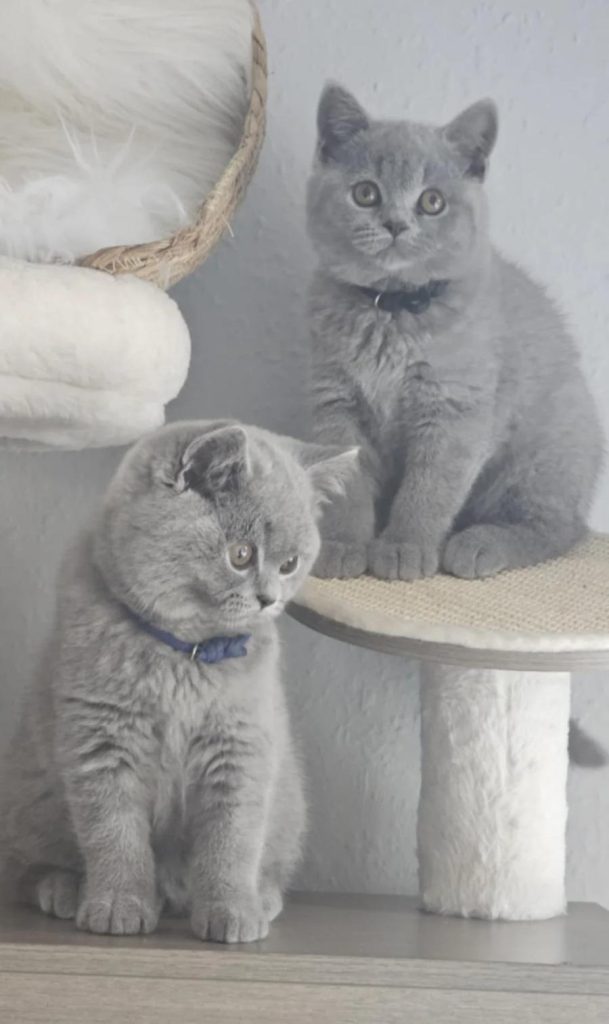
Finding a healthy British Shorthair kitten can be an exciting yet challenging journey for prospective pet owners. Known for their charming personalities, sturdy build, and striking appearance, British Shorthairs have become increasingly popular companions. However, it is essential to ensure that you are acquiring a kitten from a reputable source to avoid potential health issues and to support ethical breeding practices. This article aims to guide you through the process of finding healthy British Shorthair kittens for sale, covering essential traits to look for, where to find trustworthy breeders, and how to prepare your home for your new furry friend.
Understanding the British Shorthair Breed
History and Characteristics
The British Shorthair is not just a pretty face; it has a long and storied history that dates back to ancient Rome. Originally bred for their ability to hunt vermin, these stocky felines have transformed into one of the UK’s most beloved pets. With their characteristic round faces, plush coats, and sturdy frames, it’s no wonder they’ve charmed their way into many hearts (and homes). Their coat comes in a variety of colors, but the classic blue is, without a doubt, the rockstar of the bunch.
Temperament and Behavior
British Shorthairs are like the cool cats of the feline world—confident yet calm, independent yet affectionate. They’re not the types to follow you around like a puppy (thankfully, they don’t drool), but they will gladly curl up next to you for some quality cuddle time. They tend to be quite adaptable, making them suitable for both busy families and quieter households. Just remember, they have a penchant for playfulness, so be prepared for some light-hearted shenanigans!
Key Traits of a Healthy British Shorthair
Physical Signs of Health
When it comes to spotting a healthy British Shorthair, keep an eye out for the following: bright, clear eyes—preferably not gunked up like a traffic cone; a shiny coat that feels like a plush blanket; and a well-formed body that’s neither too skinny nor too chunky (after all, they’re supposed to look sturdy, not like they’re preparing for a food coma). Their playful nature is also a good indicator; a lethargic Shorthair might be more “stressed out at work” than “cool and collected.”
Common Health Issues to Watch For
Like every breed, British Shorthairs can have their share of health hiccups. Keep an eye out for potential genetic issues like hypertrophic cardiomyopathy (a fancy name for heart trouble) and hip dysplasia, which makes them more clumsy than graceful—think more “cat falling off a shelf” than “cat gracefully landing.” Regular vet check-ups are crucial to catch any potential issues early.
Where to Look for Reputable Breeders
Online Resources and Directories
The internet is a treasure trove for prospective kitten owners! Websites like The International Cat Association (TICA) or The Governing Council of the Cat Fancy (GCCF) have breeder directories that can help you find reputable sources. Just remember, if a breeder’s website has more cat memes than actual information, it might be time to swipe left!
Local Cat Shows and Clubs
Nothing like a cat show to find your future feline friend! Attending local cat shows or joining breed-specific clubs can connect you with knowledgeable breeders. Plus, you get to enjoy a day filled with cats—what’s not to love? Chat with breeders, ask questions, and see the cats in action; it’s like speed dating but with a lot more fur.
Questions to Ask Breeders Before Purchase
Health and Genetic Testing
Before handing over your hard-earned cash, make sure you’re asking the right questions. Inquire about health screenings and genetic testing—think of it as a form of feline insurance. A reputable breeder should be happy to provide information about the kitten’s lineage and any health clearances. If they look like a deer in headlights at your questions, it might be time to pivot.
Socialization and Early Care
Find out how the kittens were raised. Were they socialized with people and other pets? A well-socialized kitten will be less like a scaredy-cat and more like a charming little gremlin. Ask about their living conditions, diet, and early care. A breeder with a passion for their little fur nuggets will clearly be eager to share everything you need to know to make a happy home for your new buddy.
Evaluating the Breeder’s Environment
Living Conditions of the Kittens
When it comes to finding a healthy British Shorthair kitten, the living conditions of the breeder are paramount. Kittens should be raised in a clean, spacious, and nurturing environment. Look for signs like fresh bedding, ample room to roam, and an overall vibe that screams ‘happy kittens thrive here!’ If you encounter any corner that looks like a scene from a horror movie, it’s time to turn tail and run (preferably in the opposite direction).
Interaction with Other Animals
Curiosity is a hallmark of healthy kittens, and a good breeder encourages positive interactions with other animals. Watch how the kittens engage with their siblings and any adult cats present. Socialized kittens are typically more friendly and well-adjusted. If the atmosphere resembles a feline version of a wrestling match, you might want to consider a different breeder who promotes a more balanced environment.
Signs of a Healthy Kitten
Physical Appearance and Behavior
A healthy British Shorthair kitten will have bright, clear eyes, a shiny coat, and an active demeanor—think mini furry ninjas! Their body should be plump, not overly fat or skinny, and they should be curious about their surroundings without being overly shy. If the kitten is running around like it’s auditioning for “America’s Got Talent,” you’re likely on the right track!
Initial Health Check and Vet Records
Before you snuggle into those adorable little fuzzballs, ensure the breeder provides vet records. Healthy kittens should be up-to-date on vaccinations and free from parasites. If they come with a clean bill of health, it’s a good sign! Pro tip: ask the breeder if you can see the kitten’s parents; this can give you insights into potential genetic issues and their general health.
Adoption vs. Buying from a Breeder
Benefits of Adoption
Adopting a kitten is not just a compassionate choice; it’s also a way to save a life! Shelters often have a wide variety of adorable kittens, including British Shorthairs. Plus, many shelters have already taken care of vaccinations and spaying/neutering. You’ll also be giving a sweet kitten a second chance and perhaps preventing them from becoming the latest star on “Animal Hoarders.”
Considerations When Buying from a Breeder
If you decide that a breeder is your ideal route, be prepared for the responsibilities that come with it. Research is crucial! Not all breeders are created equal. Look for someone who prioritizes the health and temperament of their cats over profit. While you might pay a premium for a purebred kitten, you’ll often receive a wealth of information, support, and the promise of a healthy pet. Just remember: not every cute face you see online is a trustworthy source!
Preparing Your Home for a New Kitten
Essential Supplies and Equipment
Before your new fluffball arrives, stock up on essentials like food and water bowls, a cozy bed, litter box, scratching posts, and toys (because let’s face it, they need their best “kitten playground”!). Don’t skimp on quality; a good scratching post can save your furniture from becoming an unfortunate casualty in the battle between humans and kittens!
Creating a Safe Environment
Kittens are natural climbers and explorers, which means your home will need a little kitten-proofing action. Hide those pesky cords, secure loose items, and ensure plants are pet-friendly (no one wants to play a game of “Is This Toxic?”). Set up a cozy and quiet space where your new kitten can retreat when it’s time to recharge. After all, even the most energetic little furball needs their beauty sleep! In conclusion, bringing a healthy British Shorthair kitten into your home can be a rewarding experience filled with joy and companionship. By understanding the breed, seeking out reputable breeders or adoption options, and ensuring your home is ready for a new pet, you can make informed decisions that benefit both you and your new furry family member. Remember, the effort you invest in finding the right kitten will pay off in the form of a loving and healthy companion for years to come.
Frequently Asked Questions
1. What is the average price of a British Shorthair kitten?
The price of a British Shorthair kitten can vary widely depending on factors such as the breeder’s reputation, lineage, and location. On average, you can expect to pay between $1,000 and $2,500.
2. How do I know if a breeder is reputable?
A reputable breeder should provide health guarantees, allow you to visit their facility, and offer detailed information about the kitten’s health history and socialization. Checking references and reviews from previous customers can also help ensure credibility.
3. What health issues are common in British Shorthairs?
British Shorthairs can be prone to certain health issues, such as hypertrophic cardiomyopathy (HCM) and obesity. Regular veterinary check-ups and a balanced diet can help mitigate these risks.
4. Can I adopt a British Shorthair from a shelter?
Yes, while less common than other breeds, British Shorthairs can sometimes be found in shelters or breed-specific rescues. Adopting from a shelter is a great way to provide a loving home to a cat in need.