
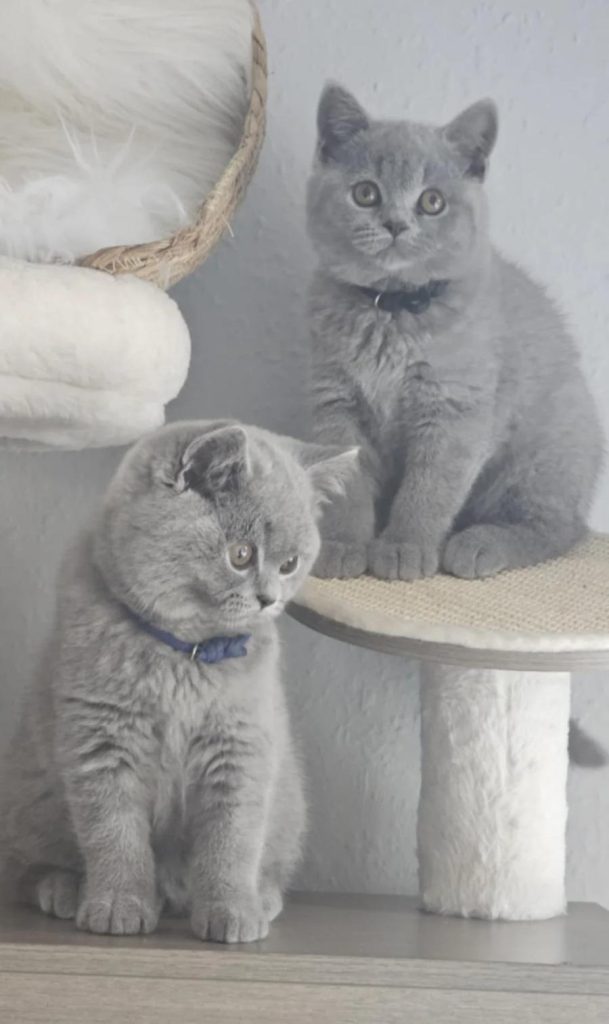
The British Shorthair breed has taken the cat-loving community by storm, captivating hearts with its plush coat, round face, and charming personality. As one of the oldest domestic cat breeds, these kittens have a rich history and a loyal following, making them a sought-after companion for many households. With their easy-going nature and adaptability, British Shorthairs are perfect for both families and individuals alike. However, as their popularity surges, so does the urgency to secure one of these adorable felines before they vanish from the market. In this article, we’ll explore the key traits that make British Shorthair kittens so desirable, offer tips on choosing the right one, and provide essential care guidance for new owners. Don’t miss the chance to bring home a British Shorthair before they’re gone!
The Rise of the British Shorthair Kitten Trend
Historical Background of the Breed
British Shorthairs have a history as rich as your aunt’s fruitcake at Christmas. Originating from the Roman cats that were brought over to the UK, this breed became popular for its robust build and affectionate demeanor. They were known for their prowess in catching mice on farms and in homes, making them the working-class heroes of catdom. Fast forward to the 19th century, they captured the hearts of the upper crust and became a staple at cat shows. Today’s British Shorthair kittens are a blend of that ancient sturdiness and modern charm, making them a delightful addition to any household.
Current Popularity Surge in Pet Ownership
In recent years, pet ownership has skyrocketed as more people seek companionship during uncertain times (cue the pandemic puppy and kitten frenzy). The British Shorthair, with its plush coat and charming visage, has become the cat equivalent of the newest iPhone—everyone wants one! Social media has played a significant role in elevating their status, as #BritishShorthair posts flood Instagram feeds, showcasing their adorable antics and regal presence. It’s safe to say that these kittens have transitioned from delightful pets to full-blown celebrities in our homes.
Characteristics That Make British Shorthairs So Popular
Physical Traits: Looks and Build
British Shorthairs are the feline equivalent of a cuddly teddy bear, boasting a round face, chubby cheeks, and a stocky, muscular build. Their plush, dense fur is not only a feast for the eyes but also a delight to pet—perfect for those impromptu snuggle sessions. With colors ranging from classic blue to creams, chocolates, and even bicolor patterns, there’s a shade to suit every cat lover’s aesthetic. You might even say their looks are so charming they could model for a catnip commercial!
Temperament: Personality and Behavior
Forget the high-maintenance diva cats; British Shorthairs are the laid-back companions we all dream of. They strike a beautiful balance between independence and affection, making them the ideal pet for any owner. These kittens are known for being friendly, loyal, and slightly goofy, often engaging in playful antics that will leave you chuckling. While they enjoy a good cuddle, they are not overly clingy, allowing them to thrive in homes where their humans may be busy—creating the perfect buddy that fits into your lifestyle without demanding the spotlight 24/7.
Adaptability: Ideal for Different Lifestyles
Whether you live in a cozy studio apartment or a sprawling mansion, British Shorthairs can adapt like pros. Their calm demeanor makes them great candidates for busy households or even quiet, solitary living. They’re content lounging on the sofa while you binge-watch your favorite series, and they’ll happily greet guests with a casual “Meh, I suppose you can pet me.” Their robust nature and moderate energy levels mean they enjoy playtime but also appreciate downtime, making them the perfect fit for almost any lifestyle.
How to Choose the Perfect British Shorthair Kitten
What to Look for in a Breeder
When seeking your future feline friend, finding a reputable breeder is crucial (the last thing you want is a surprise future cat drama!). Look for breeders who prioritize health and socialization, and ask for health clearances and references like a cautious detective on the case. Pay attention to reviews, and don’t shy away from visiting their facility—check for clean environments and happy, well-cared-for kittens. Remember, a good breeder will want you to be the perfect match, too!
Evaluating Kitten Health and Temperament
Meet your potential furry family member before making any decisions. Look for a kitten that’s active, curious, and ready to charm your socks off. A playful spirit is a great sign, but don’t forget to check their health—clear eyes, shiny coats, and a healthy appetite should be your checklist. Spend some time observing their interactions with their littermates, as this can give you insight into their temperament. If they’re confident and friendly, you’re likely on the right track to finding your new best friend!
Essential Care Tips for New Owners
Nutrition: Feeding Your Kitten Right
Feeding your British Shorthair kitten a balanced diet rich in protein is essential to support their growth and energy levels. Look for high-quality kitten food—think of it as their version of a Michelin-star meal. Keep in mind that a proper blend of wet and dry food often works best. And remember, portion control is key; we don’t want them turning into little furry blimps! Consult your vet for recommendations specific to your kitten’s needs to ensure they start off on the right paw.
Grooming: Keeping Your British Shorthair Healthy
While their plush coats are relatively low-maintenance, a little grooming goes a long way in keeping your British Shorthair looking sharp. A weekly brush here and there will help reduce shedding and keep their fur looking fabulous. Also, don’t forget about their nails—trimming helps keep those claws from becoming tiny, dangerous weapons. And let’s be real: no one wants to be on the receiving end of an enthusiastic kitty paw!
Regular Veterinary Check-Ups
Just like us, British Shorthairs need regular check-ups to keep them in purr-fect health. Establishing a relationship with a good vet should be a top priority. Routine vaccinations, flea and tick prevention, and spaying or neutering are all crucial for their long-term health. Think of those annual vet visits as their spa day—because we all know that even kittens deserve a little pampering every now and then!
Preparing Your Home for a British Shorthair
Creating a Safe and Comfortable Environment
Before you bring your adorable British Shorthair home, it’s crucial to set up a cozy and secure environment. Start by cat-proofing your living space: tuck away those pesky electrical cords, secure loose curtains, and stash away any tiny objects that can become chew toys (we’re looking at you, paperclips). Create a designated safe zone with a comfy bed, litter box, and fresh water. Remember, these kitties are like little furry royalty, so throw in a few climbing towers and cozy hideaways to keep them entertained and feeling like the monarchs they are!
Essential Supplies You’ll Need
To prepare for your British Shorthair’s arrival, stock up on the essentials. You’ll need high-quality kitten food (because they’re growing little furballs), food and water dishes, a litter box with some premium litter, and, of course, a scratching post to save your furniture from a feline faux pas. Don’t forget toys! Think feather wands, crinkle balls, and maybe an automated laser pointer to keep them on their paws. Oh, and a good vacuum cleaner… trust us, you’ll thank yourself later.
The Importance of Responsible Breeding
Understanding Genetic Health Issues
Not all kittens are created equal, and the British Shorthair is no exception. Unfortunately, they can be prone to certain genetic health issues, like hypertrophic cardiomyopathy (a fancy term for heart disease) and hip dysplasia. Knowledge is power, folks! Understanding these potential problems can help you stay ahead of the curve and ensure your furry friend leads a happy, healthy life. A little due diligence today can save you from big vet bills (and lots of heartache) tomorrow.
Choosing Ethical Breeders
When hunting for your new fluffy companion, it’s vital to choose breeders who prioritize the health and well-being of their cats over profit margins. Look for breeders who are transparent about their practices, provide health clearances, and encourage you to meet the kitten’s parents. (If they can’t show you the parents, it’s a major red flag!) A good breeder will be knowledgeable and passionate, and they won’t shy away from answering all your quirky questions—like, “How many naps does a British Shorthair take in a day?”
Common Myths About British Shorthairs Debunked
Are They Really Lazy Cats?
One of the most common misconceptions is that British Shorthairs are lazy. While it’s true they have a knack for perfecting the art of lounging, they are not mere sedentary sloths. These cats enjoy playtime and can be quite active when the mood strikes. Think of them as the couch potato who also runs marathons—sometimes. So, don’t be misled into thinking they’ll just sit around all day; they still require engaging playtime to keep their minds (and paws) busy!
Debunking Myths About Allergies and Shedding
Another myth floating around is that British Shorthairs cause terrible allergies and shed like they’re preparing for a fur coat sale. Not quite! While no cat is entirely hypoallergenic, British Shorthairs tend to produce less of the allergenic proteins that trigger reactions. As for shedding, yes, they do shed, but with regular grooming and an occasional vacuum session, you won’t be drowning in cat hair. Remember: it’s not a cat hairball, it’s a fashion statement.
Where to Find Authentic British Shorthair Kittens
Reputable Breeders vs. Pet Stores
So, you’re ready to embark on the quest for your new fluffy friend! But, where do you start? Reputable breeders are your best bet, as they focus on the health and temperament of their kittens. Pet stores may seem convenient, but they often source from mills, which can mean health and behavioral issues down the line. Take your time, do your research, and consider visiting breeders to see the living conditions of their cats. Your future feline will thank you for it!
Adoption Options: Rescuing a British Shorthair
Not all heroics require capes, and adopting a British Shorthair can make you a superhero in a different way! Check local shelters and rescue organizations, as they occasionally have these charming cats looking for a forever home. Adopting not only gives you the opportunity to provide a loving home but also helps reduce the number of cats in shelters. Plus, you’ll get that feel-good glow from rescuing a furry soul while also making a new best friend—talk about a win-win! In conclusion, the British Shorthair kitten craze is not just a fleeting trend; it reflects the enduring appeal of this remarkable breed. With their unique characteristics and affectionate nature, they make wonderful companions for anyone looking to add a furry friend to their home.
Frequently Asked Questions
1. What is the average price of a British Shorthair kitten?
The price of a British Shorthair kitten can vary widely depending on the breeder, lineage, and location, typically ranging from $1,000 to $3,000.
2. Are British Shorthairs good with children and other pets?
Yes, British Shorthairs are known for their gentle and friendly temperament, making them suitable companions for children and other pets.
3. How much grooming do British Shorthairs require?
While their dense coat may seem high-maintenance, British Shorthairs require regular brushing, about once a week, to reduce shedding and keep their coat healthy.
4. Do British Shorthair kittens have any specific health issues to watch for?
Like all breeds, British Shorthairs can be prone to certain genetic health issues, including hypertrophic cardiomyopathy (HCM), so regular veterinary check-ups are essential.