
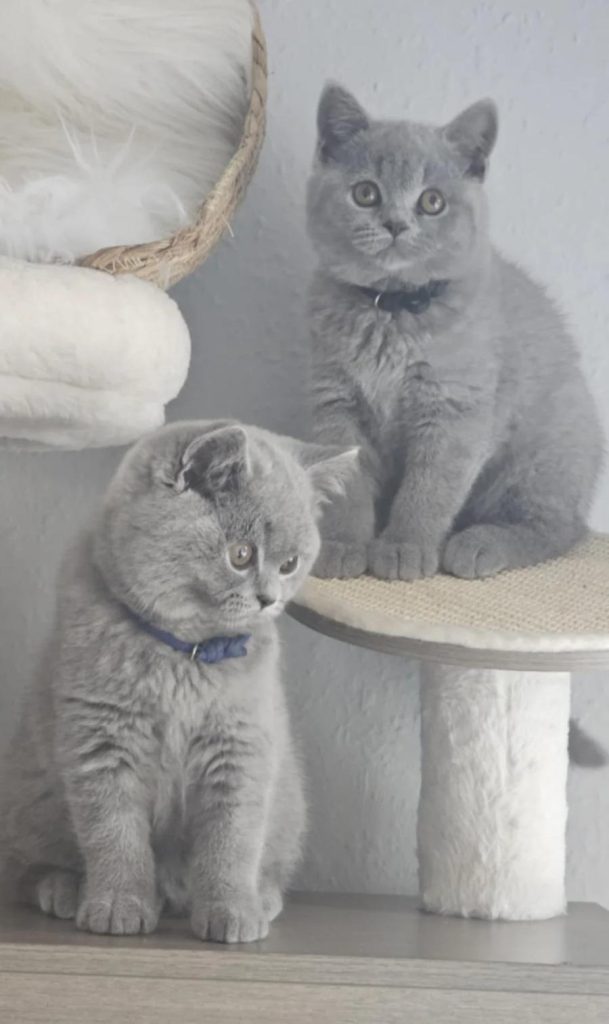
Bringing home a British Shorthair kitten is an exciting and rewarding experience, but it also comes with a host of responsibilities. As one of the most beloved cat breeds, known for their charming personalities and distinctive appearance, British Shorthairs require careful preparation to ensure they thrive in their new environment. Before welcoming your furry friend, it’s essential to gather the right supplies and create a safe, comfortable atmosphere. In this article, we will explore ten essential items you need to have on hand, helping you set the stage for a happy and healthy life with your new kitten.
Preparing Your Home for a Kitten
Cat-Proofing Your Space
Before your fluffy bundle of joy arrives, it’s time to put on your detective hat and cat-proof your home like a pro. Start by removing any toxic plants (sorry, peace lily), securing cords and cables (because your kitten will think they’re the best new toy ever), and stashing away anything breakable or chewable—like your grandmother’s cherished porcelain collection. Keep cleaning supplies and medications locked away tighter than a vault. Remember, safety first, playtime second!
Designating a Kitten Area
Kittens need their own space to feel safe and secure—kind of like how we all need a cozy blanket fort sometimes. Designate a room or a corner filled with their essentials: a litter box, toys, and scratching posts. This area can serve as their sanctuary where they can retreat and explore without feeling overwhelmed by the hustle and bustle of their new home. Just don’t forget to check in frequently, because we both know they’ll quickly turn into the king or queen of your castle!
Choosing the Right Food and Feeding Supplies
Types of Cat Food: Dry vs. Wet
When it comes to feeding your British Shorthair, you have two main contenders: dry kibble and wet food. Dry food is like the trusty sidekick—easy to store and keeps teeth happy. Wet food, however, is the wet-and-wild party animal—packed with moisture and flavor, and it can make your kitten think they’ve hit the gourmet jackpot. A balanced diet is key, so consider mixing both to keep your furball satisfied and well-nourished. Just don’t forget to check the labels, because not all heroes wear capes (or have the same nutritional value).
Feeding Bowls: Material and Design
Now that you’ve decided what’s going into the bowl, let’s talk about the bowl itself. Opt for non-slip materials like ceramic or stainless steel. Plastic might seem like a good idea until your kitten decides it’s the perfect toy to bat around. Choose shallow bowls to make it easier for them to munch without facing a deep-sea diving expedition. And remember, no fancy designs that might catch their eye too much—this isn’t a cat version of the Louvre!
Essential Grooming Tools for Your British Shorthair
Combs and Brushes for Short Fur
British Shorthairs flaunt their stunning coats, but even the plushest fur needs a little love. Invest in a fine-toothed comb and a soft-bristle brush to keep their short fur looking suave. These tools help reduce shedding and keep those adorable furballs from getting tangled. Plus, regular grooming sessions are a great excuse for some quality bonding time—and who doesn’t love a bit of spa day with their feline friend?
Nail Clippers and Ear Cleaning Supplies
Nail trimming and ear cleaning can sound intimidating, but with the right tools and a bit of practice, you’ll be a seasoned pro in no time. Choose cat-specific nail clippers—trust us, your kitten will thank you for not wielding kitchen scissors. For ear cleaning, opt for gentle wipes or a vet-recommended solution to keep those ears clean without turning them into a wrestling match. Remember, a well-groomed British Shorthair is a happy British Shorthair!
Safe and Comfortable Bedding Options
Choosing the Right Bed Type
When it comes to kitten beds, comfort is key. Look for beds that offer cushy support, like a plush donut-shaped or a cave-style bed for burrowing. Your British Shorthair might fancy themselves a little royalty, so a bed that cocoons them will make them feel like the king or queen they are. Just make sure it’s machine washable, because let’s be real—kittens can be messy!
Blankets and Transitional Items
Kittens love snuggling up, and a soft blanket can provide that extra layer of comfort. Consider getting a few cozy blankets to toss around their designated area. Transitional items like a soft toy or a heating pad (on a low setting, please) can also help soothe those nerves when they first arrive. After all, who wouldn’t feel better wrapped up in a blanket burrito? Just don’t be surprised if your new kitten adopts your favorite throw as their own!
Choosing the Best Litter and Litter Box
Types of Cat Litter: Pros and Cons
When it comes to cat litter, there’s more than one way to cover up a … well, you know. Here’s a quick rundown of the most popular types:
– **Clumping Clay Litter:** Pros – makes clean-up a breeze and controls odors well. Cons – can be dusty and not the most eco-friendly option.
– **Non-Clumping Clay Litter:** Pros – great for those who like to change litter frequently. Cons – it can become a smelly affair pretty quickly.
– **Biodegradable Litter (e.g., corn, wheat, paper):** Pros – good for Mother Earth and somewhat absorbent. Cons – may not absorb odors as effectively as clumping clay.
– **Crystal Litter:** Pros – long-lasting and excellent for odor control. Cons – can be a bit pricier and some kitties just can’t handle the feel under their paws.
Litter Box Size and Location Considerations
Size matters, especially when it comes to litter boxes! A good rule of thumb is to get a box that is at least 1.5 times the length of your kitten from nose to tail (this will be less of an issue as they grow into those hefty British Shorthair bodies). As for location, think privacy—cats prefer their throne to be in a quiet, low-traffic area. Avoid placing it near food and water bowls; trust us, your kitten will thank you later for keeping those dining experiences separate.
Interactive Toys for Mental Stimulation
Types of Toys for Different Play Styles
British Shorthairs are known for their playful yet laid-back demeanor, so their toys should match their personality. Here’s what to consider:
– **Wand Toys:** Great for a game of chase! Perfect for those kittens that love to leap and pounce like little ninjas.
– **Balls and Mice:** Ah, the classics! These provide hours of entertainment for the independent spirit that prefers solo play.
– **Puzzle Toys:** Stimulating both mentally and physically, these toys challenge your kitty to earn treats and keep their minds sharp. Because, like humans, they need some brain exercise too!
Engaging Activities for Bonding
Interactive play isn’t all about the toys; it’s also about spending quality time together! Try setting aside at least 15-20 minutes each day for some one-on-one playtime. Turn it into a little training session with treats or use clickers to teach tricks. The goal is to make every play session a bonding experience—bonus points if you can get your kitty to do a little dance!
Health and Wellness Supplies
Vaccination and Vet Visit Essentials
Your little furball will need some TLC from a vet, so be prepared! Make sure you have a health record book to track vaccinations, treatments, and any future mishaps (yes, they will happen). Keep handy a list of local vets, and schedule that first check-up—kittens typically get their vaccinations at around 8-9 weeks. It’s like a spa day, minus the cucumber slices over the eyes!
First-Aid Kit Must-Haves
Think your kitten won’t have any accidents? Think again! Populate a first-aid kit with essentials like antiseptic wipes, gauze, tweezers (for those hairballs, perhaps?), and some kitty-safe pain relief. Also, include any emergency contact numbers for your vet or local pet hospital to ensure you’re prepared for any sudden kitty drama!
Creating a Safe Environment for Exploration
Identifying Hazards in Your Home
Kittens are like tiny furry tornadoes, and your home is their playground! To keep the chaos to a minimum, identify potential hazards like toxic plants, loose cables, and small objects that might end up as chew toys. Cat-proof your shelves and secure breakables—you never know when your little explorer will decide that your favorite vase is a fascinating climbing challenge!
Providing Safe Spaces for Retreat
Every kitten needs a sanctuary away from the bustle of the household. Set up cozy hiding spots with blankets or cat beds in quiet corners. Consider investing in a cat tree with different levels—these serve as perfect perches for nap-time or surveying their kingdom. Remember, a happy kitten is one that knows they have a safe place to retreat when world domination gets overwhelming!By ensuring you have these ten essential items ready before bringing your British Shorthair kitten home, you’ll create a welcoming and safe environment for your new furry companion. With the right preparations, you can help your kitten adjust smoothly and start building a strong bond from day one. Enjoy the journey of pet parenthood and cherish the moments you share with your playful and affectionate new friend!
FAQs
1. How do I choose the right food for my British Shorthair kitten?
It’s important to select high-quality kitten food that meets their nutritional needs, focusing on a balance of protein, fats, and vitamins. Consult your veterinarian for specific recommendations based on your kitten’s age and health.
2. What type of litter is best for a British Shorthair?
Many British Shorthair owners prefer clumping, unscented litter made from natural materials, as it is easier to clean and more comfortable for the cat. Experiment with a few types to see which your kitten prefers.
3. How often should I groom my British Shorthair?
Grooming your British Shorthair once a week is usually sufficient, but during shedding seasons, more frequent brushing may be beneficial to keep their coat healthy and reduce hairballs.
4. What should I do if my kitten is not adjusting well to their new home?
Give your kitten time to acclimate to their new environment. Ensure they have a safe space, engage them with toys, and spend time playing and bonding. If issues persist, consult your veterinarian for advice.