
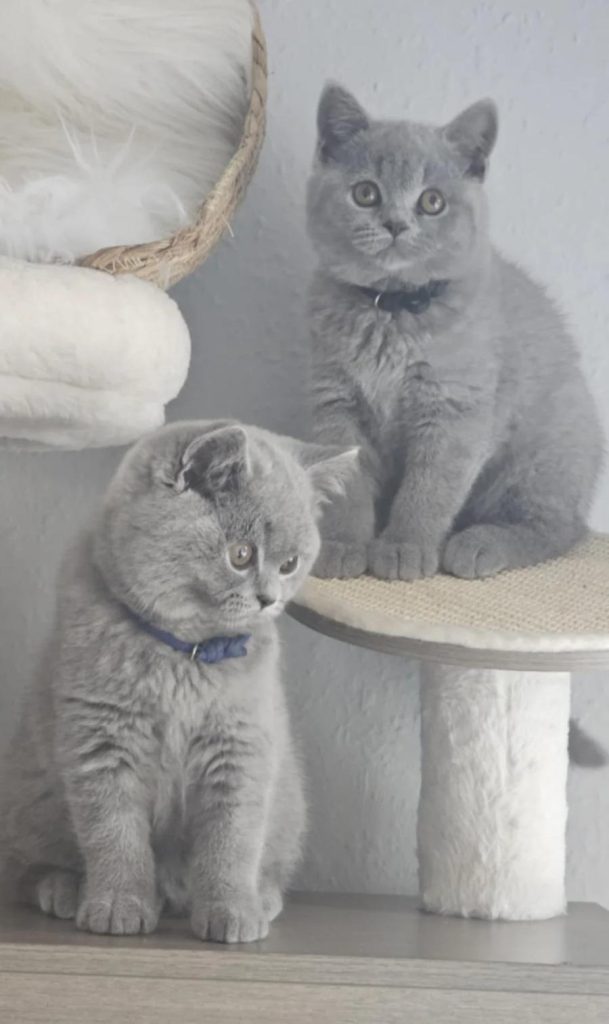
Choosing the right breeder is a crucial step in welcoming a British Shorthair into your home. These charming cats, known for their plush coats and friendly personalities, require careful consideration when selecting a source. With numerous breeders available, it can be overwhelming to determine which one is reputable and aligns with your expectations for health, socialization, and overall quality. This step-by-step guide will help you navigate the process of finding the best British Shorthair breeder, ensuring that you make an informed decision and bring home a happy, healthy kitten.
Understanding the British Shorthair Breed
Key Characteristics and Temperament
The British Shorthair is like the couch potato of cats – charmingly laid-back with a robust build. They have a round face, big eyes, and a plush coat that feels like a cloud (the kind you wish you could nap on). These cats are typically friendly, easygoing, and incredibly loyal, making them excellent companions. They might not be the most demanding pets, but don’t mistake their calm demeanor for indifference; they enjoy a good cuddle (on their terms, of course) and will happily engage in playtime – preferably with a feather toy.
Common Health Issues and Lifespan
The British Shorthair can live anywhere from 12 to 20 years, which gives you plenty of time for cat snuggles. However, like all purebred cats, they have their fair share of health concerns. Common issues include hypertrophic cardiomyopathy (a fancy way of saying heart disease) and obesity (that extra cat treat might not be such a good idea). Regular check-ups and a balanced diet are essential for keeping your future feline friend in tip-top shape.
Researching Reputable Breeders
Online Resources and Directories
When it comes to finding a breeder, the internet is your best friend—sort of like a cat that keeps you company while on the couch. Websites like The Governing Council of the Cat Fancy (GCCF) and The International Cat Association (TICA) provide directories of registered breeders. Social media groups dedicated to British Shorthairs can also be a goldmine for tips and recommendations, so get your detective hat on and start scrolling (responsibly, of course).
Breeder Reviews and Testimonials
Don’t just take a breeder’s word for it—read the reviews! Websites and forums often provide valuable insight from fellow cat enthusiasts. Look for breeders with glowing testimonials that mention health, temperament, and customer service. If previous customers are singing praises about their furry friends, chances are you’re on the right track. And if the comments sound more like a horror story, consider it a giant red flag waving in your face!
Evaluating Breeder Credentials and Experience
Registration and Certification
Check if the breeder is associated with recognized cat breeding associations like GCCF or TICA. Membership in these organizations usually demonstrates a commitment to ethical breeding practices. They often require breeders to follow strict guidelines to maintain high standards in health, genetics, and socialization. If a breeder has a shiny certificate or two, it’s a good sign—they’re playing by the rules!
Years in Business and Reputation
Experience matters, so take a look at how long the breeder has been in the game. A seasoned breeder will have a wealth of knowledge and a solid reputation among cat lovers. Ask around, read reviews, and trust your gut—if a breeder has been around for several years and comes highly recommended, they likely know their fluffy business.
Visiting Breeding Facilities
What to Look for in a Breeding Environment
If you get the chance to visit the breeding facility, treat it like a first date—first impressions matter! Look for cleanliness and proper ventilation (no one wants a cat with a side of cat pee). Cats should have ample space to roam, play, and lounge, with plenty of toys and cozy spots to curl up. If it looks and smells like a well-cared-for home rather than a chaotic cat hotel, you’re in luck!
Interaction with Cats and Kittens
Observe how the breeder interacts with their cats. Are they gentle and caring? Do the cats seem happy and well-socialized? If the kittens come running up to you for pets and chin scratches, that’s a good sign they’re used to human interaction. After all, a well-socialized kitten is more likely to grow into a friendly and affectionate adult cat. Remember, you’re not just choosing a cat; you’re choosing a furry family member!
Assessing Kitten Health and Socialization
Health Screenings and Vaccination Records
When it comes to your future feline friend, health should be at the top of your priority list. Ensure that the breeder provides comprehensive health screenings for their kittens and shares vaccination records. Look for tests that check for common genetic issues in British Shorthairs, such as hypertrophic cardiomyopathy (HCM) and other breed-specific conditions. A responsible breeder should be transparent about their practices and eager to answer any questions about the health history of the kitten’s lineage. If the breeder seems evasive or unsure, it’s a red flag. Remember, you want a kitty that comes with a clean bill of health, not a mystery box of medical surprises!
Socialization Practices and Early Training
A well-socialized kitten will be a delightful addition to your home, so inquire about the breeder’s early training and socialization practices. Kittens that are exposed to different environments, sounds, people, and even other pets during their formative weeks are typically more well-adjusted and confident. Ask the breeder how they handle socialization and whether they engage the kittens in play and interaction with humans and other animals. A breeder who prioritizes socialization will help ensure your future British Shorthair is not only healthy but also a little ball of joy ready to charm your socks off!
Questions to Ask Potential Breeders
Breed-Specific Questions
When diving into breeder conversations, don’t hold back on the breed-specific questions. Inquire about the unique characteristics of the British Shorthair, such as personality traits, common health issues, and grooming needs. Ask how the breeder selects for temperament and whether they have specific breeding practices that prioritize good behavior and health. It’s also helpful to understand the genetic background of the kittens and what the breeder is doing to avoid hereditary issues. After all, you want a fluffy lap warmer, not an unpredictable gremlin!
Post-Purchase Support and Resources
A good breeder doesn’t just vanish once you take home your new pet. Ask about the post-purchase support they provide. Will they be available for questions about nutrition, training, or behavior? Do they offer resources such as kitten care guides or recommendations for vets experienced with British Shorthairs? A breeder who is committed to their kittens will want to see them thrive in their new homes and should be happy to provide guidance even after the sale.
Understanding Contracts and Guarantees
What to Expect in a Sales Agreement
Before you sign anything, it’s essential to understand the sales agreement thoroughly. This document should outline the details of the transaction, including the price, any deposits required, and the terms of the sale. Look for clauses that address the health, registration, and ownership transfer of your kitten. If something seems unclear or if the breeder glosses over this step, it’s time to hit the brakes and ask more questions. A reputable breeder will provide you with all the information and clarity needed to ensure a smooth transaction.
Health Guarantees and Return Policies
A solid breeder should offer health guarantees—basically a promise that your kitten won’t come with a suitcase full of health problems. Typically, this includes a warranty period during which you can return the kitten if serious health issues arise. Inquire about their policies on returns or exchanges and what steps to take if a problem arises. A reputable breeder wants to ensure that both you and the kitten are happy, and they’ll provide you with a clear, fair policy that reflects that commitment.
Finalizing Your Decision and Preparing for Your New Pet
Preparing Your Home for a British Shorthair
Congratulations on finding your future feline family member! Before your new British Shorthair arrives, it’s time to cat-proof your home. Create a cozy space complete with a litter box, scratching post, food and water bowls, and, of course, an array of toys to keep them entertained. Make sure to hide any hazardous items (we all know kittens can be expert detectives) and set up some quiet areas where they can retreat when they need downtime from all the excitement. Your home should be as welcoming as a five-star cat resort!
Transitioning Your New Kitten to Its New Environment
Once your new kitten arrives, give them a little time to adjust to their new digs. It can be overwhelming to feel like a whirlwind has just swept you into a new home! Allow them to explore at their own pace, and try not to overwhelm them with too much attention right off the bat. Gradually introduce them to different rooms and family members, and keep to a consistent feeding and play schedule to help them settle in. Before you know it, your British Shorthair will transform from a timid newbie into the heart and soul of your household!In conclusion, choosing the right British Shorthair breeder is essential for ensuring that you bring home a healthy and well-socialized kitten. By following the steps outlined in this guide—from researching breeders to asking the right questions—you’ll be well-equipped to make an informed decision. Remember, a responsible breeder not only cares for their cats but also supports you in your journey as a pet owner. With careful consideration, you can find a perfect companion that will bring joy to your life for many years to come.
FAQ
What should I look for in a British Shorthair breeder?
Look for breeders with good reputations, proper certifications, and a commitment to health-testing their cats. Additionally, visiting their facilities can provide insights into their breeding practices and the environment in which the kittens are raised.
How can I ensure the health of my British Shorthair kitten?
Ask breeders for health screenings and vaccination records for both the kitten and its parents. A responsible breeder should be transparent about any health issues and provide guarantees or contracts regarding the kitten’s health.
What questions should I ask a potential breeder?
Inquire about the breeder’s experience, health testing practices, socialization methods, and support after the sale. It’s also helpful to ask about the kitten’s upbringing and any specific care requirements for the breed.
Is it better to adopt a British Shorthair from a rescue organization?
Adopting from a rescue organization can be a great option, as many British Shorthairs are in need of homes. However, ensure that the organization provides relevant health and behavior information about the cat, similar to a breeder.