
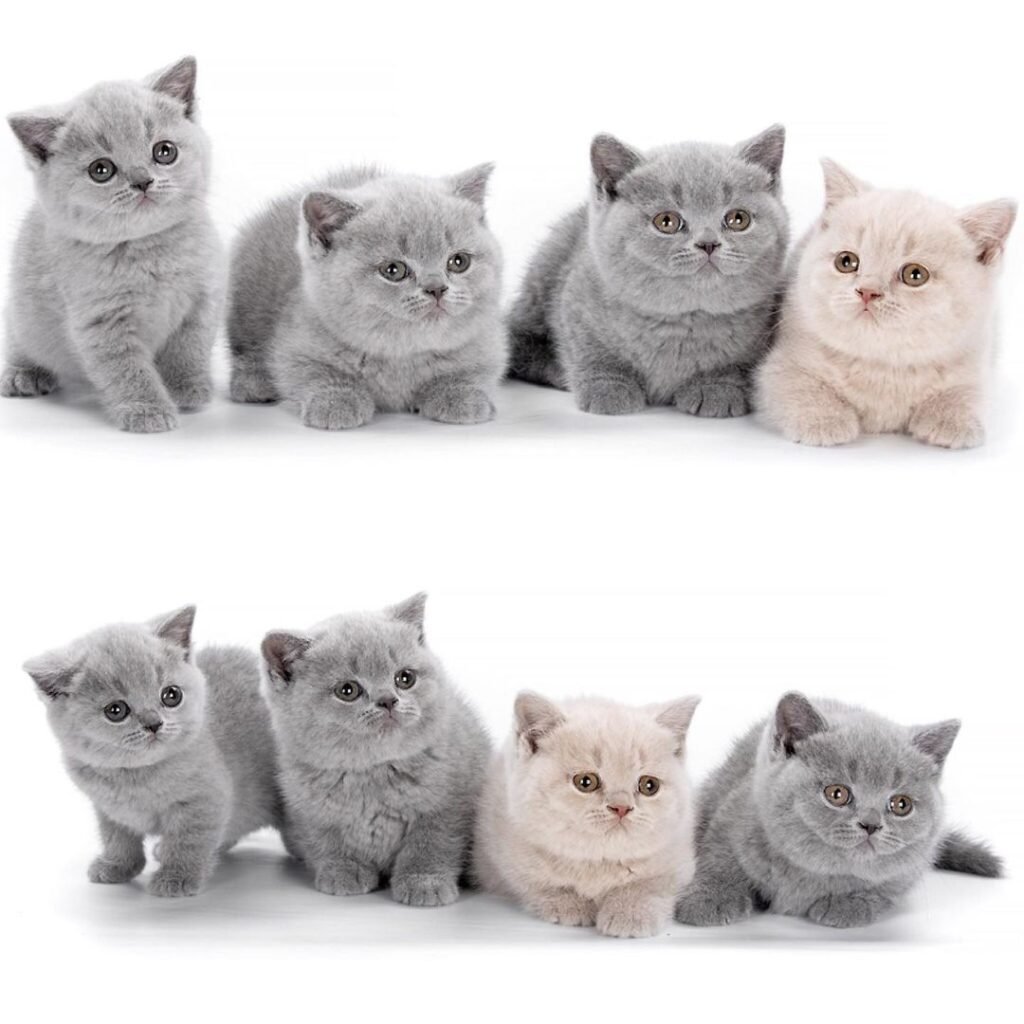
The British Shorthair kitten, with its charming appearance and delightful personality, has captured the hearts of cat lovers around the world. Known for their round faces, plush coats, and sturdy build, these kittens not only stand out aesthetically but also possess a temperament that makes them incredibly lovable companions. As we explore the various traits that contribute to their appeal, from their playful antics to their affectionate nature, it becomes clear why British Shorthair kittens hold a special place in the hearts of many. This article delves into the unique characteristics, care requirements, and the deep bond they share with their human families, illustrating what makes these kittens so irresistible.
Overview of the British Shorthair Breed
History and Origin
The British Shorthair is a breed steeped in history, tracing its roots back to ancient Rome where they were believed to be ancestors of the original domestic cats brought over by the Romans. These charming felines have evolved over centuries, weathering the ups and downs of popularity like a true British sports fan. They became especially beloved in the 19th century after being showcased at cat shows, where their round faces and robust bodies won hearts (and awards) across the nation.
Breed Standards and Recognition
Recognized by major cat associations such as The International Cat Association (TICA) and the Cat Fanciers’ Association (CFA), British Shorthairs boast a distinctive set of breed standards. These guidelines embrace their stocky build, dense coat, and iconic round faces. You might say they’re like the high-fashion models of the cat world, but instead of strutting down a runway, they prefer a cozy lap to lounge on.
Unique Physical Characteristics
Distinctive Coat and Colors
British Shorthairs are renowned for their plush, dense coats that feel like a luxurious cloud—if clouds were made of fur and emitted a cozy purr. They come in a variety of colors and patterns, but the classic “British Blue” remains the fan favorite. With shades ranging from lilac to cream and even tortoiseshell, each kitty is a unique little masterpiece, begging for admiration (and belly rubs).
Body Structure and Size
These stout little furballs are built like tanks—not the kind that rolls in for a demolition derby, but rather the reliable, cuddly type that could binge-watch your favorite series for hours. British Shorthairs have a sturdy and muscular build, typically weighing between 9 to 18 pounds. Their broad chests, strong legs, and large paws make them look like they could easily hike up the nearest hill—or, you know, just make it to the top of the couch.
Facial Features
With their round faces, chubby cheeks, and big, expressive eyes, British Shorthairs are the embodiment of cuteness. Their eyes come in shades of copper, blue, or gold, creating a captivating gaze that could win over even the hardest of hearts. When they give you that “I’m totally innocent” look, you might find it hard to resist their charms—even when they’ve just knocked over your favorite houseplant.
Affective Temperament and Personality
Social Behavior with Humans
These cats are the true gentlemen of the feline world—polite, affectionate, and surprisingly low-maintenance. British Shorthairs enjoy human company but won’t smother you like an overly enthusiastic hug. They thrive on companionship and will often follow you around like a loyal shadow, reminding you that they’re there to lend an ear—or a paw—when you need it.
Interactions with Other Pets
When it comes to sharing their domain with other pets, British Shorthairs typically handle it with grace. They possess a calm demeanor, making them adaptable companions for dogs, other cats, and even the occasional adventurous hamster. While they may not engage in the typical “cat and mouse” antics, they are usually tolerant and maintain a cool attitude, keeping the peace in your multi-pet household.
Common Personality Traits
British Shorthairs are like the reliable best friends of the cat world. They’re laid-back and easygoing, often characterized by their playful yet independent nature. They can entertain themselves with a good cardboard box or a laser pointer, but they also relish quality cuddle time. With their good-natured temperament and gentle spirit, they make for a purr-fect companion for families and individuals alike.
Adaptability to Different Living Environments
Urban vs. Rural Living
Whether you live in a bustling city or a quaint countryside cottage, British Shorthairs are remarkably adaptable. They can thrive in apartments where space is limited or roam freely in larger homes with gardens. Just be sure to provide them with cozy nooks to nap in and a few toys to keep them entertained. They’ll adjust to their environment while reminding you that the best things come in chubby, fluffy packages.
Suitable Home Arrangements
British Shorthairs do best in a loving home that allows for both play and relaxation. They appreciate quiet spaces to nap and a few sunny spots for sunbathing. They’re not particularly fussy about their living arrangements—just give them a warm lap, a comfy bed, and maybe a window to watch the world go by. With these essentials, your British Shorthair will create a nurturing environment that’s as satisfying to them as a fresh bowl of kibble.
Playfulness and Intelligence
Engaging Activities for Kittens
British Shorthair kittens are like tiny, furry bundles of joy with a side of mischief! Their playful nature means you’ll spend countless hours watching them pounce on feather toys, chase after laser dots, and engage in a spirited game of hide-and-seek. These kittens thrive on mentally stimulating activities, so rotating their toys or introducing new ones is a surefire way to keep their curiosity piqued. Puzzle toys can also provide a healthy challenge for their clever minds—after all, what’s more satisfying than figuring out how to get that treat out?
Training and Learning Abilities
Don’t let their adorable round faces fool you; British Shorthairs are sharper than they look! They are quite intelligent and can be trained to follow basic commands and even some fun tricks. With positive reinforcement (aka yummy treats and endless praise), you can teach your kitten to respond to their name or use a litter box like a pro. Their willingness to learn makes them a joy to train, but remember, these kittens have a bit of that ‘catitude’—so don’t be surprised if they decide the fourth time is the charm (or when they feel like it, anyway).
Health and Longevity Considerations
Common Health Issues
While British Shorthair kittens are generally healthy, they can be prone to certain health issues. You may hear whispers about hypertrophic cardiomyopathy (HCM), a heart condition that can affect those chubby cheeks. Additionally, because of their stocky build, obesity can be a concern if they’re not kept active. Regular check-ups and a watchful eye can help you catch any potential health hiccups early. Remember, a healthy kitten is a happy kitten!
Preventative Care and Routine Check-Ups
To keep your British Shorthair in tip-top shape, regular vet visits are essential. Think of it as a spa day, but with a little less cucumber slices and a lot more vaccinations and check-ups. Preventative care—like flea treatments, vaccinations, and dental check-ups—should all be part of your kitten-rearing routine. By staying on top of routine care, you’ll help ensure your little furball lives a long, happy life filled with purring and cuddles.
Caring for British Shorthair Kittens
Feeding and Nutrition Guidelines
Feeding your British Shorthair kitten is a bit like choosing the right movie for movie night; you want it to be entertaining and nourishing! Opt for high-quality kitten food that’s rich in protein and appropriate for their age. Remember, kittens have energy to burn, so small, frequent meals throughout the day are ideal. Just be careful not to overfeed; those adorable cheeks can hide a sneaky weight gain. Consult your vet for specific dietary recommendations, and you’ll have a healthy, happy British Shorthair in no time!
Grooming and Maintenance
With their plush coats, British Shorthair kittens do require some grooming love! Brush them regularly to keep that fur looking shiny and to reduce shedding—because nobody wants to be wearing a fur coat at dinner! While they don’t need a spa day every week, a gentle brush a few times a week will keep their coats in great shape. Don’t forget about nail trimming and dental care; a little bit of maintenance can go a long way in keeping your kitty looking and feeling fabulous.
Creating a Safe Environment
Creating a safe haven for your British Shorthair kitten is crucial, especially if you want to avoid any unexpected surprises (read: broken lamps or sad houseplants). Kitten-proof your home by securing loose cords, removing toxic plants, and ensuring that windows and balconies are safe. Invest in cat trees and scratching posts to give them their own space for climbing and scratching. A secure and stimulating environment will help your little furball thrive and keep your home harmonious.
The Bond Between Humans and British Shorthairs
Emotional Connections
The relationship between humans and British Shorthairs is like a cozy blanket on a cold day—warm, comforting, and oh-so-satisfying. These kittens are known for their affectionate nature, often following their humans around and curling up for snuggles. They thrive on companionship and quickly learn to associate their favorite humans with warmth and love. The emotional bond you develop will be filled with purring, headbutts, and those heart-melting looks they give you when they want some attention.
Building Strong Relationships
Building a solid relationship with your British Shorthair is all about time, attention, and understanding their unique personality. Spend time playing, cuddling, and letting them explore their surroundings while you supervise their antics. Establishing routines and incorporating positive interactions will help deepen the bond between you and your kitten. Before you know it, your British Shorthair will be an inseparable part of your life, providing love, laughter, and perhaps an occasional dash of mischief. In conclusion, British Shorthair kittens are not only visually appealing but also bring a wealth of joy and companionship to their owners. Their affectionate nature, playful spirit, and adaptability make them an ideal pet for various households.
FAQs
1. How do I choose a British Shorthair kitten?
Choosing a British Shorthair kitten involves looking for reputable breeders, assessing the kitten’s health and temperament, and considering factors such as the kitten’s age and socialization. It’s essential to meet the kitten and observe its interactions before making a decision.
2. Are British Shorthair kittens good with children and other pets?
Yes, British Shorthair kittens are generally known for their gentle and sociable nature, making them suitable for families with children and other pets. Early socialization can enhance their adaptability and help them thrive in a multi-pet household.
3. What is the typical lifespan of a British Shorthair?
The average lifespan of a British Shorthair is around 12 to 20 years, depending on genetics, diet, and overall care. Regular veterinary check-ups and a healthy lifestyle can contribute to their longevity.
4. Do British Shorthair kittens require a lot of grooming?
British Shorthair kittens have a dense coat that requires moderate grooming. Regular brushing helps reduce shedding and keeps their coat healthy, but they do not require extensive grooming compared to long-haired breeds.