
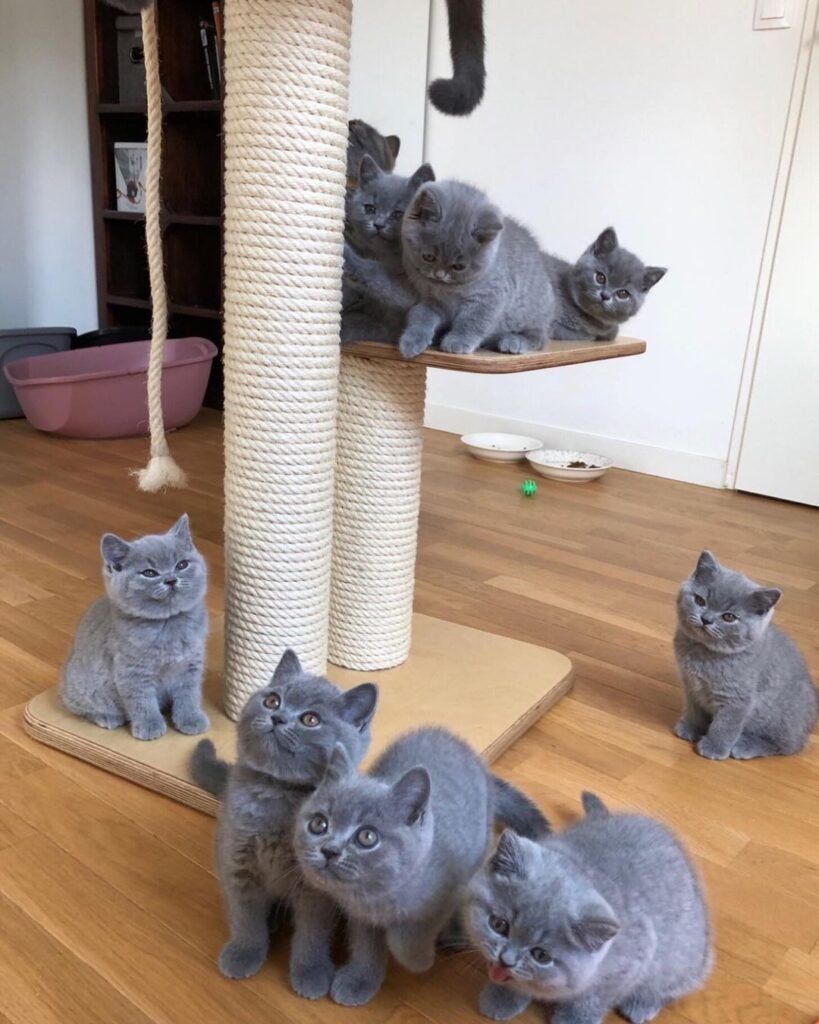
Feeding your British Shorthair kitten the right diet is crucial for their growth, health, and overall well-being. As one of the most popular cat breeds known for their playful and affectionate nature, British Shorthairs require a balanced nutritional foundation to thrive. With their unique body structure and metabolism, understanding their specific dietary needs can help you make informed choices about their food. This ultimate guide will explore everything from essential nutrients and feeding schedules to common dietary pitfalls, ensuring that you provide your furry companion with the best start in life.
Understanding the Nutritional Needs of British Shorthair Kittens
Importance of Protein for Growth
Protein is the building block of life, and for your British Shorthair kitten, it’s absolutely essential for growth and muscle development. These little furballs are like sponges, soaking up everything they can to grow into their future hefty selves. Look for high-quality animal proteins like chicken, fish, or lamb in their food. Remember, “meat by-products” is not a fancy way of saying chicken nuggets—they’re often just a blend of whatever leftovers they couldn’t sell!
Fats: The Energy Source
Fats may have gotten a bad rap in the human diet, but for kittens, they’re the ultimate source of energy. They’re like those little turbo boosters that help your kitten zoom around the house (and maybe up your curtains). Look for sources of omega-3 and omega-6 fatty acids to support their skin and coat health as they transform from fuzzy babies to majestic British Shorthairs. Just make sure it’s balanced; we don’t want them turning into little butterballs!
Vitamins and Minerals for Optimal Health
Kittens are growing like weeds, which means they need a variety of vitamins and minerals to support their development. Calcium and phosphorus are crucial for bone health, while vitamins A, D, and E help with vision, immune function, and overall well-being. A well-rounded diet will provide these essentials, but always check the label to ensure your kitten is getting a balanced diet—no one wants a kitten that’s as nutrient-deficient as a sad salad!
Choosing the Right Type of Food: Wet vs. Dry
Benefits of Wet Food
Wet food is like a gourmet meal for your kitten—rich, flavorful, and incredibly enticing! It boasts higher moisture content, which can help keep your little one hydrated (and keep their litter box less stinky). Plus, the texture and aroma can stimulate their appetite, especially during those picky phases. Just remember to keep some wet wipes handy ’cause, let’s face it, kittens can be messy eaters!
Advantages of Dry Food
On the flip side, dry food is the convenient champion—perfect for busy owners or those who just want to sprinkle food in the bowl and walk away. It promotes dental health by reducing plaque and tartar buildup (because who wants a kitten with bad breath?). It’s also less perishable, so you don’t have to worry about leftovers turning into science experiments in your fridge.
Combining Wet and Dry Food
Why choose one when you can have both? A combination of wet and dry food can give your British Shorthair kitten the best of both worlds: the moisture and taste of wet food with the convenience and dental benefits of dry food. This combo can cater to their nutritional needs and keep meal times interesting. Plus, you get to play chef and mix things up—cooking skills not required!
Essential Nutrients for Healthy Growth and Development
Understanding AAFCO Standards
The Association of American Feed Control Officials (AAFCO) lays down the law on pet food labeling and nutrient profiles. When you’re picking a food for your kitten, check that it meets AAFCO standards for growth. Think of it as the kitten’s version of a gold star; it’s assurance that your chosen food provides the complete and balanced nutrition your adorable feline requires.
Key Ingredients to Look For
When scanning the ingredient list, prioritize high-quality protein sources, whole grains (like brown rice), and vegetables that add fiber and nutrients. Avoid vague terms like “meat by-products” and steer clear of fillers like corn and soy. If you wouldn’t eat it, why should your kitten? Look for ingredients you can pronounce, and remember that a happy, healthy kitten starts with what’s in the bowl!
Hydration and Its Role in Nutrition
Hydration is key—kittens are like tiny hydration sponges, and they need plenty of water to keep things running smoothly. While wet food provides a moisture boost, make sure to have fresh water available at all times. Cats can be picky drinkers, so if your kitten isn’t quenching their thirst, consider adding a cat water fountain—the sound of flowing water can be too alluring to resist!
Recommended Feeding Schedules and Portions
Feeding Frequency for Kittens
Feeding your British Shorthair kitten is not a once-a-day affair. These growing munchkins need to eat multiple times throughout the day, ideally 3-4 meals, so they can fuel their boundless energy. Think of it as a gourmet buffet for your little prince or princess. As they grow and transition to adult food, you can gradually decrease the frequency. Just remember: kittens love food as much as they love naps!
Portion Control and Measurement Tips
Portion control is vital to prevent your kitten from becoming a fluffy cloud of fur. The packaging often provides feeding guidelines based on their weight, but those are just general directions. Use a measuring cup to get the right amount and avoid the “oops, I filled it too high” vibe. Remember, a slightly chubby kitten today may not fit into their favorite sunbeam tomorrow!
Adjusting Portions Based on Activity Level
Every kitten has a different activity level—the couch potato vs. the Olympic gymnast. Adjust their portions based on how much they zoom around, chase imaginary foes, or lounge like they just ran a marathon. If your kitten seems lethargic, reduce the food slightly; if they’re bounding off the walls, you might need to up their portions. Keep an eye on their weight and adjust accordingly; you’ll be the best kitty parent ever!
Common Dietary Mistakes to Avoid
Overfeeding and Its Consequences
As a proud parent of a British Shorthair kitten, the temptation to overfeed can be real—especially when those adorable eyes are gazing up at you like you’re the holiest of snack gods. However, overfeeding can lead to obesity, which is like giving your kitten a one-way ticket to Healthville’s less desirable side. Make sure to follow feeding guidelines, and instead of leaving food out all day, stick to scheduled meals to keep your fuzzy friend from turning into a plump potato.
Neglecting Variety in Diet
Kittens are culinary adventurers at heart! Sticking to the same flavor day in and day out? That’s like eating plain toast for breakfast, lunch, and dinner. Keep your British Shorthair’s palate delighted by introducing a variety of high-quality kitten foods. Just like we don’t thrive on a diet of soybean oil, your kitten needs different nutrients to grow strong and avoid boredom at mealtime.
Ignoring Food Allergies and Sensitivities
“Oh, that food is made with chicken!” you exclaim, picturing your kitten delighting in culinary happiness. But wait! Some kittens may be less than thrilled if they have allergies or sensitivities. Watch for signs like itching, gastrointestinal issues, or general grumpiness—the feline equivalent of a bad hair day. If you suspect your kitten has food sensitivities, consult your vet to determine the best diet that won’t have your little buddy feeling like a hot mess.
Transitioning to Adult Cat Food: When and How
Signs Your Kitten is Ready for Adult Food
Ah, the bittersweet moment of transitioning from kitten food to adult cat food. You know it’s time when your British Shorthair reaches around 12 months old and starts looking more like a sleek feline than an adorable fluffball. Other signs include a decrease in their need for high-calorie kitten food (yes, our little mighty hunters can’t just survive on cuteness alone) and a general level of maturity that suggests they’re ready to tackle the adult cat world.
Steps for a Smooth Transition
Transitioning to adult food is not as dramatic as moving to a new city, but it can still be a bit of a process. Start by mixing small amounts of the new adult food with the kitten food, gradually increasing the ratio over about a week or so. This slow approach helps prevent stomach upset—because no one wants to deal with litter box drama. Remember, patience is key; every cat’s taste preferences are a little different!
Choosing Adult Food Options
When it comes to choosing adult cat food, ensure it meets the nutritional requirements for your British Shorthair. Look for high-quality options that list meat as the first ingredient. You’ll want to steer clear of fillers like corn and soy, unless you’re aiming to create an avant-garde culinary masterpiece that even the food critics would raise an eyebrow at. Wet or dry? It’s a personal preference, but a combination of both can keep your kitty satisfied and hydrated!
Supplements and Treats for Your British Shorthair
When to Consider Supplements
Supplements can be useful for enhancing your kitty’s diet, especially if they have specific health needs or are picky eaters. You might not need them if your kitten is thriving on a complete diet; however, if they are lacking energy or have dull fur, consult your vet about whether to add some extra zing to their meals with fish oil or other supplements. Just remember: more isn’t always merrier, so stick to vet recommendations!
Healthy Treats for Training and Rewards
Training a British Shorthair can be a joy (and a tiny bit of a challenge). Healthy treats, like freeze-dried meat or low-calorie bites, can be fantastic for rewarding your little one without packing on the pounds. These tasty morsels not only keep their tails wagging but also help reinforce good behavior—think of it as bribery, but in the cutest way possible.
Homemade Treats: Safe Recipes
If you’re feeling adventurous in the kitchen, why not whip up some homemade treats for your furry friend? A simple recipe involves blending cooked chicken with a bit of pureed pumpkin, rolling it into tiny balls, and baking until firm. It’s like a Michelin-star meal, but for your kitty! Just make sure to check for any ingredients that they shouldn’t have, and you’ll be the ultimate treat hero in their eyes.
Monitoring Health and Adjusting Diet Accordingly
Signs of a Healthy Diet
If your British Shorthair is living their best life—full of energy, a shiny coat, and proper bathroom habits—you can confidently say that their diet is on point. Other signs include maintaining a healthy weight (no kitten-sized marshmallows here!), bright eyes, and a playful demeanor. If they start acting like a grumpy old cat, it might be time to reevaluate the menu.
Regular Vet Check-ups and Nutritional Guidance
Nothing beats the wisdom of a qualified vet when it comes to your kitten’s health. Regular vet check-ups are essential for keeping tabs on your British Shorthair’s growth and overall wellness. They can provide tailored nutritional guidance, so you’ll know whether to adjust portion sizes, switch foods, or introduce supplements. Think of your vet as a life coach for your cat’s diet!
Adapting Diet Based on Growth and Health Changes
Just like us, kittens go through growth spurts, and their dietary needs can change faster than your favorite Netflix series gets a new season. Keep an eye on any changes in energy levels, weight, and eating habits. If you notice any significant shifts, don’t hesitate to consult your vet and adjust their diet accordingly. After all, a happy, well-fed British Shorthair is key to a harmonious household! In conclusion, providing the right nutrition for your British Shorthair kitten is essential for their healthy development and long-term well-being. By understanding their specific dietary needs, choosing appropriate food types, and avoiding common mistakes, you can ensure that your kitten grows into a happy and healthy adult cat. Regular monitoring and adjustments to their diet will further support their growth and vitality. With thoughtful care and attention, you can give your furry friend the best foundation for a vibrant life.
Frequently Asked Questions
1. How much should I feed my British Shorthair kitten?
The amount to feed your British Shorthair kitten depends on their age, weight, and activity level. Generally, kittens should be fed multiple small meals throughout the day, gradually adjusting portions based on their growth and energy needs. Consult your veterinarian for personalized recommendations.
2. Can I give my British Shorthair kitten treats?
Yes, you can give treats to your British Shorthair kitten, but it’s important to choose healthy options and limit the quantity. Look for treats that are specifically formulated for kittens and consider using them for training or bonding. Homemade treats can also be a great alternative if made with safe ingredients.
3. When should I transition my kitten to adult cat food?
You can start transitioning your British Shorthair kitten to adult cat food around 12 months of age. Signs that your kitten is ready include reaching their full size and weight, as well as a decrease in their growth rate. Gradually mix adult food with their kitten food over a week to ease the transition.
4. Are there specific ingredients I should avoid in my kitten’s food?
Yes, avoid foods that contain artificial additives, fillers, and by-products. Additionally, be cautious with ingredients that can cause allergies, such as certain grains or proteins. Always choose high-quality kitten food that meets AAFCO nutritional standards to ensure your kitten receives the best diet possible.