
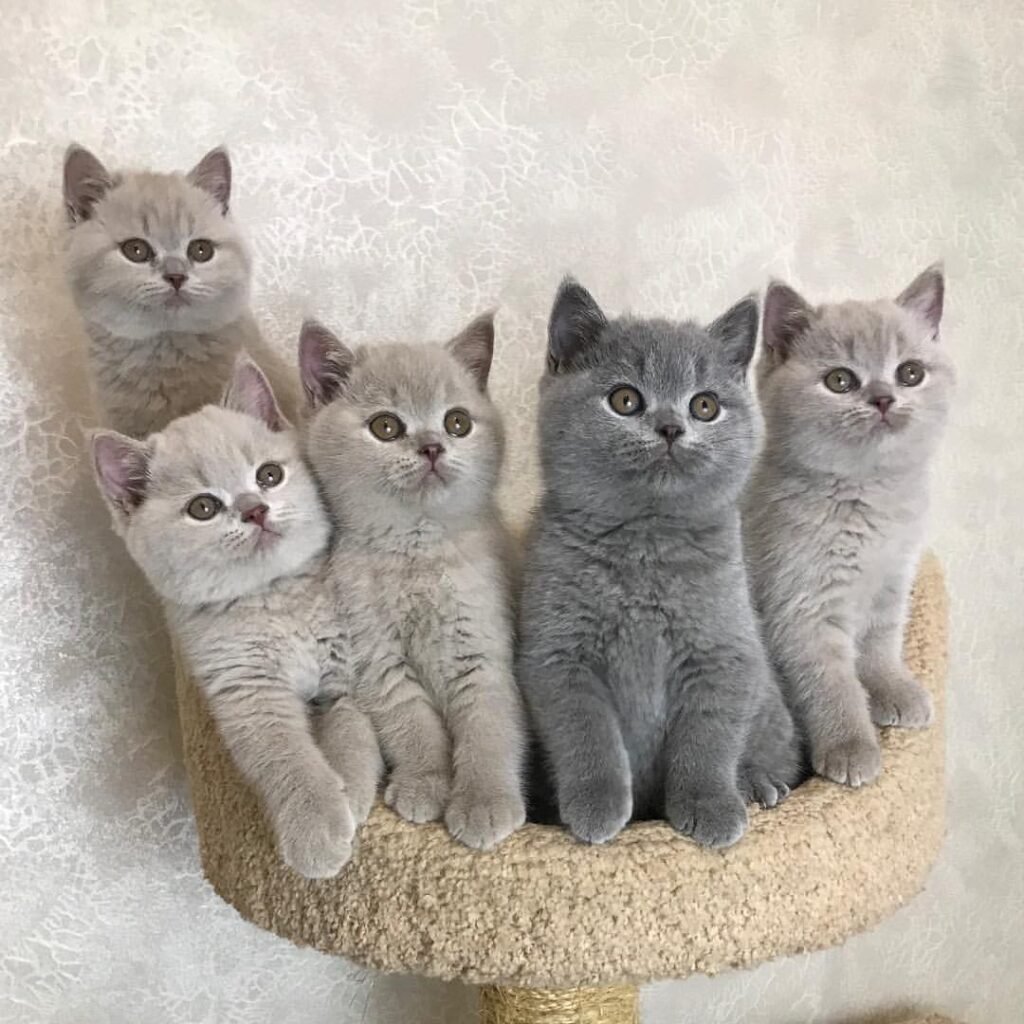
Caring for a British Shorthair kitten in the bustling city of Hong Kong can be an incredibly rewarding experience, filled with joy and companionship. Known for their charming round faces, plush coats, and laid-back personalities, British Shorthairs are a popular choice among cat lovers. However, to ensure your kitten thrives in an urban environment, it’s essential to understand their specific needs regarding nutrition, health care, socialization, and more. This guide will provide you with the necessary knowledge and tips to create a nurturing home for your British Shorthair, helping them grow into a happy and healthy adult cat.
Understanding the British Shorthair Breed
History and Origins
The British Shorthair has a history as rich as a cup of English breakfast tea. Originating from the streets of Rome (yes, those ancient ones!), they were brought to the UK by the Romans and quickly became the popular darlings of British households. With a sturdy build and charming demeanor, these cats were bred for their strength and hunting skills, making them the perfect mice-hunters in medieval times. Fast forward to today, and they’re more likely to be seen lounging on your sofa than chasing down a rodent!
Physical Characteristics
British Shorthairs are the supermodels of the cat world—think of them as fluffy little boulders. They have a round face, large chubby cheeks, and big, expressive eyes that can melt anyone’s heart. Their plush, dense coat comes in a variety of colors, but the classic blue-gray is like the little black dress of the feline fashion world. They tend to be stocky with short legs, making them look ever so slightly like furry bowling balls, which is an endearing feature!
Temperament and Personality Traits
If you’re looking for a cat that embodies calmness and independence while still being snuggly, look no further! British Shorthairs are known for their easygoing nature, making them perfect companions for busy families or individuals. They’re typically not overly demanding and will keep their distance when they want some “me-time.” But don’t be fooled—they also enjoy playtime and will happily chase after a feather toy or a crumpled ball of paper. Think of them as the ideal balance of chill and playful—kind of like that friend who’s equally happy at a wild party or a cozy night in.
Essential Supplies for Your Kitten
Basic Necessities
Before you welcome your British Shorthair kitten into your home, make sure you have the essentials covered. You’ll need a cozy bed for snuggles, food and water bowls that are sturdy enough to withstand enthusiastic munching, and a scratching post to protect your furniture from those adorable but sharp claws. Don’t forget a comfy carrier for trips to the vet and some cozy blankets—they love to burrow!
Choosing the Right Litter Box
Selecting the right litter box is crucial for your kitten’s happy bathroom habits. Opt for a box that’s low-sided for your little one to hop in and out of easily. It should be spacious enough for their growing body, as British Shorthairs aren’t exactly pocket-sized. Consider a covered box for a bit of privacy, but remember: not all kittens are fans of the ‘enclosed’ vibe. Just make sure to use unscented, clumping litter—those little noses are sensitive!
Recommended Toys and Enrichment Items
To keep your British Shorthair entertained and stimulated, invest in a range of toys. Balls, feather wands, and interactive puzzles will have them pouncing with joy! They might also appreciate a cozy scratching pad or interactive cat tree where they can exercise and get their stretch on. Remember, a bored kitten is a mischievous kitten, and the last thing you want is your sofa to become their new best friend.
Nutrition and Feeding Guidelines
Best Types of Food for British Shorthairs
British Shorthairs require a well-balanced diet to fuel their chunky souls. Look for high-quality dry kibble or wet food that lists meat as the first ingredient. Since they can be prone to obesity, avoiding overfeeding is crucial. Consider options specifically formulated for kittens, as they need more protein and calories for growth. Ensure they’re getting the nutrients they need, but without the fluff—no one wants a pudgy kitty!
Feeding Schedule for Kittens
Kittens thrive on routine, so stick to a feeding schedule to help them stay healthy and happy. Generally, you should feed your British Shorthair kitten three to four times a day until they reach six months. After that, you can reduce it to twice daily. Use portions appropriate for their age and size—remember, portion control is a real thing, even in the feline world!
Common Dietary Considerations
As your British Shorthair grows, keep an eye out for any dietary sensitivities. Some cats have trouble with lactose, so avoid those cute little bowls of milk—they don’t need them. Also, be wary of overindulgence! If you notice your kitty is packing on the pounds, consult your vet about adjusting their food or portion sizes. Healthy treats are okay in moderation, but remember: a treat a day keeps the vet away (or at least less frequently visited)!
Health Care and Veterinary Visits
Routine Health Check-ups
Regular vet visits are the cornerstone of good kitty health. Schedule a check-up at least once a year for your British Shorthair to ensure they’re thriving. Expect some basic poking and prodding, plus vaccines and discussions around their diet and behavior. Consider it a spa day for your kitten—complete with a side of vaccinations and a few treats!
Vaccination Schedule
Vaccinations are the superhero capes of the cat health world. Start your British Shorthair on their vaccination journey in the first few months. They’ll typically need a series of shots against common feline diseases, including feline parvovirus and calicivirus. Your vet will guide you through a vaccination schedule, so you can unleash your kitten’s inner superhero—minus the kryptonite, of course!
Common Health Issues to Watch For
British Shorthairs are generally healthy, but they can be prone to certain issues. Keep an eye out for obesity, as their love for food can lead them down that path. Hip dysplasia and heart conditions like hypertrophic cardiomyopathy can also occur. Regular check-ups will help catch these problems early, so you can enjoy a long, healthy life with your cuddly companion. Don’t forget to pamper your kitty with love, care, and the occasional chin scratch—it’s the recipe for a happy feline!
Socialization and Training Tips
Importance of Early Socialization
Socialization is vital for your British Shorthair kitten, especially in a bustling city like Hong Kong. Early exposure to different people, pets, and environments will help your kitten grow into a well-adjusted adult cat. Ideally, start socializing your kitten between 3 and 9 weeks of age. This means inviting friends over, introducing them to other pets, and even varying their walking routes—because, let’s face it, we all know a cat’s world revolves around their chosen territory.
Basic Commands and Training Techniques
Training your kitten is like teaching a toddler, but thankfully, without the tantrums (most of the time). Use positive reinforcement to teach them basic commands like “sit” and “come.” A clicker or some tasty treats can work wonders! Keep training sessions short and fun—think of it as a game of hide and seek, but with treats instead of you hiding from responsibilities!
Handling Behavioral Challenges
Behavioral challenges are to be expected, especially in kittens. If your British Shorthair starts exhibiting naughty behaviors like chewing on your shoes, redirect their attention to a toy or scratching post.Consistency is key; gently discourage bad behaviors while encouraging good ones. If all else fails, consider enlisting the help of a cat behaviorist—think of them as a cat whisperer, but with less mystery and more credentials.
Creating a Safe and Stimulating Environment
Kitten-Proofing Your Home
To keep your curious little explorer safe, kitten-proofing is a must! Secure loose wires, hide away toxic plants, and make sure there are no tempting items your kitten might mistake for a toy (like your favorite pair of earbuds). A good rule of thumb is: if it can be chewed, climbed, or knocked over, it probably needs to be stashed away.
Setting Up a Play Area
Designate a playful corner of your home where they can pounce, leap, and generally try to assert their dominance over everything in sight. A mix of toys—think feather wands, crinkle balls, and even a simple cardboard box—will keep them entertained. Rotate their toys frequently to keep things fresh, because even if they don’t pay their rent, they still deserve some variety!
Choosing Safe Indoor Plants
Let’s face it: your kitten doesn’t know the difference between a harmless fern and a toxic lily. To steer clear of feline mishaps, stick to pet-safe plants such as spider plants or Boston ferns. They’re trendy, non-toxic, and won’t lead to an emergency vet visit. Just remember, if it’s green and growing in your home, double-check it’s not on the “do not eat” list!
Grooming and Maintenance Practices
Brushing and Coat Care
British Shorthairs have that plush, cuddly coat that we all adore, but it still needs a little TLC. Brush your kitten once or twice a week to minimize shedding and hairballs. Start slowly to get your kitten accustomed to the process. Think of it as a spa day—if only we all had someone to brush our hair while we napped!
Dental Hygiene for Kittens
Dental health is just as important for kittens as it is for humans. Start brushing your kitten’s teeth early with a cat-safe toothpaste. It’s a good habit to form, and who doesn’t want a cat with a dazzling smile? Alternatively, provide dental treats or toys to help keep their pearly whites in check—because bad breath is never in style.
Nail Trimming and Ear Cleaning
Regular nail trims are essential to keep your furniture intact and your kitten safe. Get them used to this early on by making it a part of your cuddle routine. And don’t forget those ears! Check and clean them gently with a vet-recommended solution. You’ll be an ear-cleaning expert, and your kitten will thank you by ignoring your existence for a good five minutes afterward!
Common Behavioral Traits and Solutions
Understanding Play Behavior
Kittens are natural-born hunters, and their playtime mimics those instincts. Understanding this behavior can help you create enriching play experiences. Use toys that encourage pouncing and stalking, and rotate them to keep things exciting. If they’re “hunting” your shoelaces, just remember, you are their favorite target—and you should take it as a compliment!
Managing Scratching and Clawing
British Shorthairs love to scratch (hint: it’s not personal). To save your furniture, provide plenty of scratching posts and pads. When they scratch the wrong surface, simply redirect them to the appropriate place. Positive reinforcement works wonders here too! Think of it as helping them channel their inner architect—just not on your prized possessions.
Dealing with Separation Anxiety
If your kitten gets a bit clingy when you leave the house, don’t fret! This behavior is common and can be managed. Create a cozy space with their favorite toys and a comfy bed for when you’re away. Leaving a piece of your clothing can be comforting, too. And remember, it’s not abandonment; it’s just you going about your human business—though they don’t seem to understand that! In conclusion, caring for your British Shorthair kitten in Hong Kong requires a blend of love, attention, and knowledge of their unique needs. By providing proper nutrition, health care, and a stimulating environment, you can ensure that your furry friend grows into a well-adjusted and happy cat. Embrace the journey of pet ownership, and enjoy the special bond that develops between you and your British Shorthair as they become an integral part of your life.
Frequently Asked Questions
What should I feed my British Shorthair kitten?
A balanced diet consisting of high-quality kitten food is essential for your British Shorthair’s growth and development. Look for options that contain high protein and essential nutrients suitable for kittens.
How often should I take my kitten to the vet?
Kittens typically require a series of vaccinations and check-ups during their first year. It’s recommended to schedule vet visits every three to four weeks until they are about 16 weeks old, followed by annual check-ups thereafter.
Are British Shorthairs good with children and other pets?
Yes, British Shorthairs are generally known for their gentle and adaptable nature, making them good companions for children and other pets. Early socialization can help them adjust well to different environments and family dynamics.
How can I keep my kitten entertained in a small apartment?
Providing a variety of toys, interactive play sessions, and vertical spaces like cat trees can help keep your kitten engaged. Additionally, rotating toys regularly can maintain their interest and prevent boredom.