
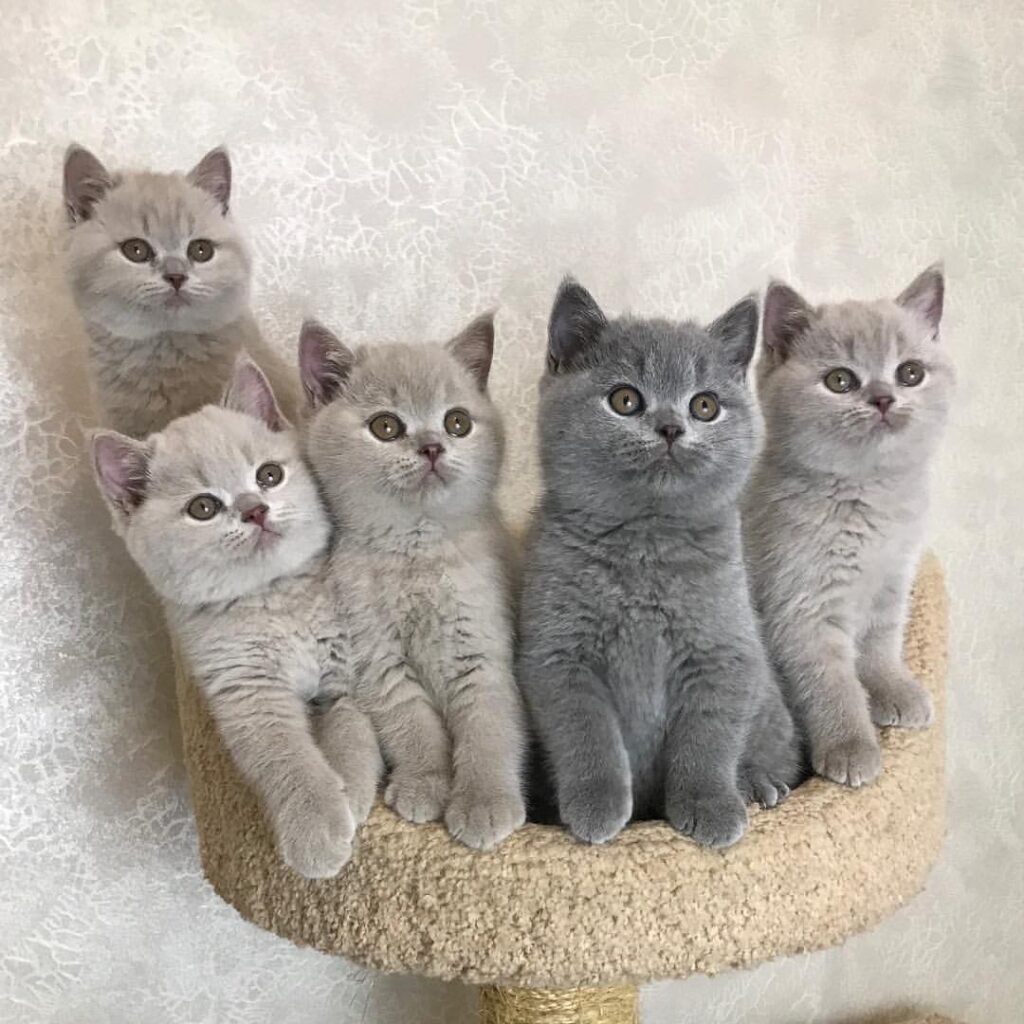
The British Shorthair, with its charming round face and plush coat, has captured the hearts of cat lovers around the world, and Hong Kong is no exception. Known for their friendly demeanor and easygoing nature, these felines have quickly become one of the most sought-after pets among residents of the bustling city. As more people discover the joys of having a British Shorthair as a companion, their popularity continues to soar. This article delves into the unique characteristics of British Shorthairs, explores why they are becoming beloved companions in Hong Kong, and provides essential tips for potential owners. Whether you are a seasoned cat enthusiast or a first-time pet owner, you’ll find valuable insights into why these adorable cats are the purr-fect addition to any home.
Introduction to British Shorthairs
Historical Background
The British Shorthair cat is like the cool kid at school with a rich, fascinating history. Originating in Britain, these felines date back to the Roman Empire when the Romans brought their cats along to control the rodent population. Over the centuries, British Shorthairs became symbols of strength and endurance, ultimately evolving into the plush, rounded companions we adore today. Their blend of practicality and charm has made them an iconic breed, with a legacy that’s purring through the ages.
Breed Standards and Recognition
British Shorthairs are the epitome of feline elegance, boasting a stocky build and a plush coat that invites endless petting. Officially recognized by major cat registries like The International Cat Association (TICA) and the Cat Fanciers’ Association (CFA), these cats are celebrated for their characteristic round faces, big eyes, and dense fur that can come in a variety of colors and patterns. If you ever wondered what a cuddle with a marshmallow feels like, just snuggle up to a British Shorthair!
Unique Traits and Characteristics
Physical Appearance
If cats were supermodels, British Shorthairs would be strutting down the runway. With their broad, muscular bodies, large round heads, and chubby cheeks, these cats are hard to miss. Their short, dense fur feels like clouds, and their vivid, expressive eyes can be orange, copper, or even blue – it’s like they have a secret stash of sapphires! Their strong and sturdy appearance makes them look like they just stepped out of a Victorian painting, with style that’s truly timeless.
Temperament and Personality
British Shorthairs have personalities that would make even the most discerning socialite envious. They’re known for being laid-back and easygoing, making them the ultimate couch potatoes – unless, of course, there’s a laser pointer involved. They’re affectionate but not the clingy type, perfectly balancing the art of being your best friend while allowing you space to binge-watch your favorite show. Friendly and adaptable, they get along well with kids, other pets, and even the odd plant (although we can’t guarantee the plant’s survival).
Intelligence and Playfulness
Don’t let their chill demeanor fool you; British Shorthairs are clever cookies! They enjoy a good puzzle and can figure out toys faster than you can say “treat time.” Their playful side is evident during their occasional bouts of zoomies, which can be as surprising as a cat wearing a top hat. These cats appreciate interactive play and mental stimulation, ensuring they stay sharp as a tack while still being the champions of catnaps.
The Growing Popularity in Hong Kong
Factors Contributing to Their Popularity
In a fast-paced city like Hong Kong, British Shorthairs are winning hearts as the ideal pet for busy urban dwellers. Their low-maintenance grooming needs and calm demeanor make them perfect companions for people with hectic lifestyles. Plus, with a penchant for lounging like pros, they take the pressure off owners who can’t provide endless entertainment. It’s like having a furry roommate who’s perfectly happy binge-watching with you on a Sunday.
Demographics of British Shorthair Owners
The British Shorthair phenomenon is taking over the city, with owners ranging from young professionals to families looking for a lovable addition. Trendy cafes and boutiques displaying these plump purring pals are popping up left and right, showcasing a growing community of cat lovers. From Instagram influencers to those who just want a furry hug at the end of the day, British Shorthairs are swiftly becoming the must-have pet in Hong Kong.
Caring for Your British Shorthair
Nutritional Needs
Feeding your British Shorthair is akin to being a gourmet chef. These cats have a tendency to pack on the pounds, so managing their diet is crucial. A balanced diet rich in proteins and healthy fats will keep their fluffy forms in tip-top shape. Remember, treats are great, but moderation is key! Think of it as their version of a cheat day – best reserved for special occasions.
Grooming Requirements
While their fur may feel like a soft cloud, British Shorthairs come with the responsibility of regular grooming. Thankfully, the short coat only requires a good brush once a week to keep those loose hairs at bay and ensure their magnificence shines through. It’s also a perfect excuse for some quality bonding time – just don’t blame us if they start treating you like their personal groomer!
Exercise and Playtime
Even the most relaxed British Shorthair needs a bit of exercise to maintain their health and happiness. Regular play sessions with interactive toys or feather wands can keep their playful instincts alive and kick those calories. Plus, it’s heartwarming to see them leap and bound, reminding you that beneath that fluffy exterior is a playful spirit ready to take on the day – one naptime at a time!
Health Considerations and Common Issues
Genetic Health Concerns
British Shorthairs are known for their sturdy build and charming round faces, but like any breed, they come with some genetic quirks. One common concern is hypertrophic cardiomyopathy (HCM), a heart condition that can sneak up on even the fluffiest of felines. It’s always a good idea to do your homework, as some breeders are more conscientious about genetic testing than others. Remember, those chubby cheeks might be cute, but they can hide serious health issues!
Regular Veterinary Care
Keeping your British Shorthair purring happily requires more than just the occasional treat (though let’s be honest, treats are crucial). Regular vet check-ups can help catch any developing issues before they snowball into something more serious. Vaccinations, dental care, and routine examinations are all part of the package. Let’s face it: your cat may not enjoy the vet, but showing them that love through proper care is the best way to keep that furry heart of theirs beating strong.
Tips for Choosing the Right Breeder
What to Look for in a Reputable Breeder
Finding the right breeder can feel like finding a needle in a haystack, but it’s worth the effort. Look for someone who prioritizes the health and temperament of their cats over just raking in cash. A reputable breeder will have a clean, welcoming environment, and their cats will look happy and healthy (no sad-eyed kitties here, please!). They should also provide ample information about genetic history and be ready to answer any of your burning questions—because let’s face it, you’re bound to have a few!
Questions to Ask Potential Breeders
Before you dive headfirst into the world of British Shorthairs, make sure to bring your A-game when it comes to questioning potential breeders. Ask about health testing, the socialization practices used with kittens, and their breeding philosophy. Don’t hesitate to inquire about the parents, like their personalities and any known issues. If a breeder is dodging questions or hesitating to share info, it’s time to cut ties. After all, you want your future furball to come from a top-notch kitty factory!
The Role of British Shorthairs in Local Culture
Social Media Influence
British Shorthairs have become the darlings of social media, with Instagram and TikTok flooded with their adorably rotund faces and luxurious coats. Whether it’s a video of them chilling with a cup of tea or posing dramatically in front of a sunset, these cats have carved a spot in the hearts of many. They inspire countless memes, hashtags, and fan accounts, turning an ordinary cat into a local celebrity overnight. If you’re not following them yet, are you even living your best life?
British Shorthairs in Art and Literature
These cats aren’t just internet sensations; they’ve also settled into the cozy corners of art and literature. You’ll find them depicted in various artworks, often symbolizing comfort and companionship. British Shorthairs even made their famed appearance in popular books and films, proving that they weren’t just bred for their good looks. They represent the quintessential idea of a classic cat—stately, wise, and a little aloof, yet undeniably lovable. Who wouldn’t want to curl up with one while diving into a good book?
Conclusion: Why British Shorthairs Make Great Pets
Recap of Key Points
In summary, British Shorthairs are charming, robust, and a tad quirky (but in the best way possible!). While health considerations are important, choosing the right breeder and understanding their cultural impact can enhance your experience as a pet owner. From their adorable faces to their perfect lap-sitting skills, these cats have a lot to offer—if you can keep their royal attitude in check!
Final Thoughts on Ownership
Owning a British Shorthair is like joining an exclusive club—one filled with cuddles, quirky antics, and the kind of companionship that brightens up even the gloomiest of Hong Kong days. So, prepare yourself for the delightful chaos, the ample fur, and the undeniable joy that these charming cats bring. With the right information and a sprinkle of patience, your British Shorthair could very well become the purr-fect companion you’ve been searching for.In conclusion, British Shorthairs have proven to be more than just a pretty face; their affectionate nature and charming personalities make them ideal companions for families and individuals alike.
Frequently Asked Questions
What is the average lifespan of a British Shorthair?
The average lifespan of a British Shorthair is typically between 12 to 20 years, depending on genetics, diet, and overall care.
Do British Shorthairs require a lot of grooming?
British Shorthairs have a dense coat that requires regular grooming, but they are relatively low-maintenance compared to other long-haired breeds. Weekly brushing is usually sufficient to keep their fur healthy and reduce shedding.
Are British Shorthairs good with children and other pets?
Yes, British Shorthairs are known for their gentle and friendly nature, making them great companions for families with children and other pets. They typically adapt well to various living situations.
How much exercise does a British Shorthair need?
While British Shorthairs are not as energetic as some breeds, they still require daily playtime and mental stimulation to stay healthy and happy. Regular interactive play sessions can help meet their exercise needs.