
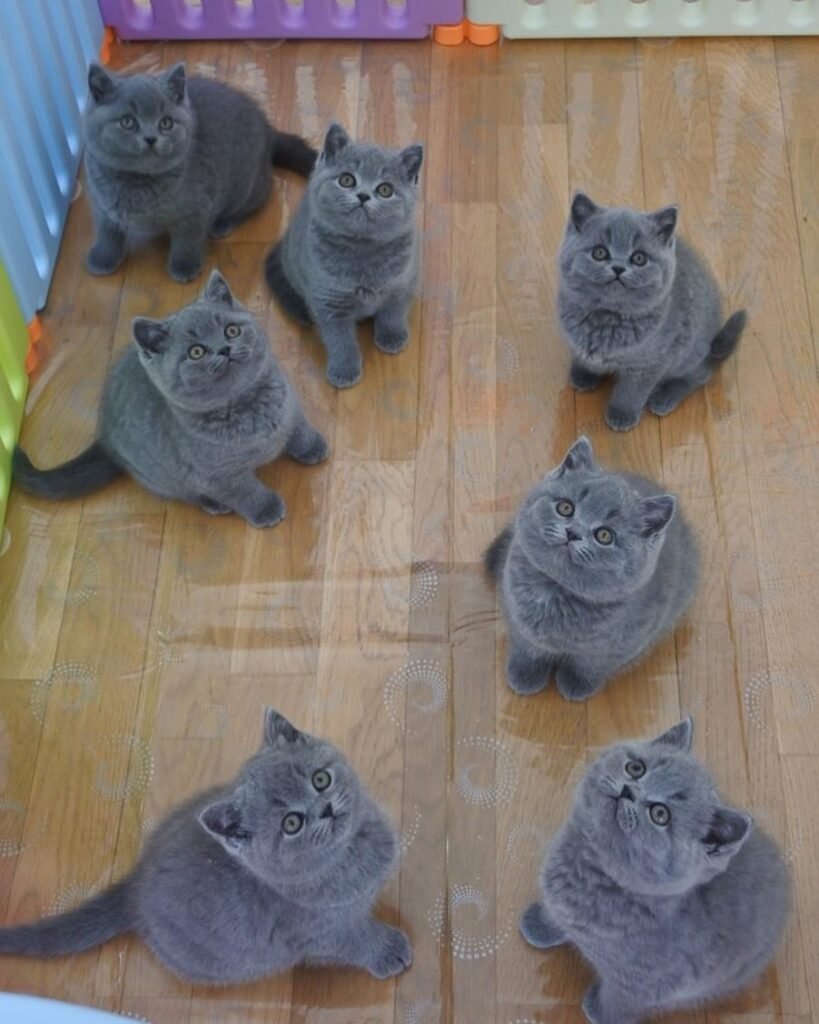
The British Shorthair is a beloved cat breed known for its distinct appearance and charming personality. As prospective cat owners embark on the journey of adding a British Shorthair to their family, selecting a reputable breeder is crucial for ensuring the health and well-being of the kitten. With a plethora of breeders available, it can be challenging to identify those who adhere to ethical practices and prioritise the welfare of their animals. This article will guide you through the essential characteristics of reputable British Shorthair breeders, provide tips on how to identify them, and highlight the importance of making an informed decision that contributes to a healthy and happy feline companion.
Overview of the British Shorthair Breed
The British Shorthair is the quintessential British feline, known for its dense, plush coat and round, chubby cheeks that could make even the grumpiest cat lover crack a smile. With a history dating back to Roman times, this breed has earned its stripes (or, more accurately, its solid blues, creams, and tabbies) as one of the most beloved cat breeds worldwide.
History and Origin
Our furry friends have a pedigree that runs deeper than a British aristocrat’s family tree. They were initially bred for their prowess in keeping vermin at bay in the streets (think furry little crime fighters). Over the years, they’ve transitioned from streetwise hunters to pampered house pets, thanks to their lovable nature and charming good looks—a true “rags to riches” story!
Physical Characteristics
British Shorthairs are robust and stocky with a broad head, large round eyes, and, of course, that oh-so-cuddly coat. Their round bodies and short legs give them a stubby appearance that’s as endearing as it is irresistible. They can come in various colors and patterns, but the classic blue is a fan favorite—looking like a cute little ball of fluff just begging to be squished!
Temperament and Behavior
These cats are known for being laid-back and easygoing. They’re like the cool kids at school who just glide through life without a care. British Shorthairs are affectionate but not overly needy, making them great companions for busy owners. They enjoy playtime but are equally content lounging around, plotting their next nap. Just remember, while they may be calm, they still have a playful side, so be ready for some spontaneous zoomies!
Importance of Choosing Reputable Breeders
When it comes to adding a British Shorthair to your family, opting for a reputable breeder is as crucial as choosing the right flavor of ice cream (it’s a big deal!). A good breeder ensures that your future feline is healthy, happy, and not a secret agent for a distressing backstory.
Health and Wellbeing of the Kittens
A reputable breeder prioritizes the health of their kittens, performing all necessary health screenings to avoid hereditary issues like hypertrophic cardiomyopathy. You wouldn’t want to buy a car without knowing if it had a history of breakdowns, right? The same goes for your future feline friend—health and wellbeing should always come first!
Ethical Considerations
Buying from a reputable breeder means supporting ethical practices. It helps combat the dark underbelly of kitten mills and backyard breeders who may not have the animals’ best interests at heart. By choosing wisely, you’re championing responsible breeding and ensuring a better life for both your new furry friend and future generations.
Long-term Support and Guidance
Reputable breeders often provide ongoing support, sharing invaluable knowledge about your kitten’s diet, health, and behavior. They’re like your cat parenting mentors, ready to assist when the little one decides to engage in a midnight wrestling match with their shadow. Building a lasting relationship with your breeder can help you navigate the ups and downs of cat parenthood with confidence.
Characteristics of a Good Breeder
Finding a good breeder is like shopping for the best avocado—you want one that feels just right and is guaranteed to be great! Here are some characteristics to look for:
Experience and Knowledge
A reliable breeder should be well-versed in the breed, possessing an arsenal of knowledge about British Shorthairs, from their quirks to their health issues. They should be able to answer your questions while also sharing stories that make you think, “Wow, they really love what they do!”
Commitment to Health Screening
A good breeder will not only tell you about their health screening practices but also show you proof. They should be proactive about testing for common genetic issues, ensuring that the kittens are healthy and ready to conquer the world—one nap at a time!
Transparency in Practices
Transparency is key! A trustworthy breeder will openly share their breeding practices, living conditions, and provide a welcoming atmosphere for potential owners. If they seem evasive or hesitant to share information, it might be time to look for another option—after all, you don’t want to get stuck with a surprise plot twist!
How to Identify Reputable British Shorthair Breeders
So, you’re ready to find your fluffy soulmate. Here’s how to sift through the crowd and identify a reputable breeder without ending up in a cat-astrophic situation.
Researching Breeder Credentials
Start your quest online by checking breeder credentials and affiliations with cat registries. Reputable breeders will often be members of breed clubs and can provide you with documentation that stands up to scrutiny, much like a good movie review—but, you know, less dramatic.
Visiting the Cattery
Nothing beats seeing the breeding environment for yourself. A reputable breeder will encourage you to visit the cattery, where you can observe the conditions and meet the kittens and their parents. Pay attention to cleanliness and the overall wellbeing of the cats. If it feels off, it’s probably time to jump back in your car and drive away—preferably while blasting some cat-related tunes.
Community Recommendations and Reviews
Word of mouth is still king! Ask around in local feline circles or check online forums for recommendations. Happy cat parents are usually eager to share their experiences, and you want to hear about the good, the bad, and the fluffy. After all, a solid recommendation can be your best GPS guiding you toward a reputable breeder.
Questions to Ask Potential Breeders
Health Testing and Vaccination Records
Before diving headfirst into kitty ownership, it’s essential to ensure your future feline is as healthy as they come. Ask breeders about their health testing protocols—do they screen for common issues like hypertrophic cardiomyopathy (HCM)? Request vaccination records, too; you’ll want proof that your fluffball is up-to-date on their shots and ready to mingle with the outside world (or just your couch).
Socialization and Living Conditions
Kittens should be socialized like little diplomats! Inquire about how breeders expose their kittens to different people, sounds, and experiences. Ask to see where the kittens are raised—ideal environments would be clean and spacious, with plenty of love and stimulation. A stressed-out kitten in a cramped space can lead to a lifetime of quirky behaviors and you definitely don’t want your future British Shorthair to grow up convinced that the vacuum is their arch-nemesis.
Return Policies and Guarantees
A reputable breeder will stand by their kittens, much like a proud parent. Ask about their return policy—do they allow you to return the cat should things not work out, or do they have a “no refunds” policy? A responsible breeder will usually offer some form of health guarantee, ensuring that if your kitty has any serious inherited health problems, you have options. After all, you don’t want to be stuck in a cat-astrophic situation!
Red Flags to Watch Out For
Lack of Documentation
If a breeder is dodgy about providing documentation for health tests, vaccinations, or lineage, it’s time to raise an eyebrow (or two). A reputable breeder will have paperwork ready faster than you can say “British Shorthair.” If they can’t provide proof or seem reluctant to do so, consider running for the hills—preferably in the opposite direction of their kitten-filled lair.
Poor Living Conditions
A breeding environment should be cleaner than your average college dorm. If you spot litter boxes overflowing, a faint smell of cat-astrophe, or cramped cages that resemble a sardine can, it’s a significant warning sign. Healthy kittens should be raised in a place that feels safe, comfortable, and, well, not like an episode of a reality TV show about hoarders.
High Volume of Litters
While it’s great to love cats, if a breeder has an unmanageable number of litters, it might indicate that they are more focused on profit than the welfare of the animals. Responsible breeders typically have fewer litters, allowing them the time and resources to give each kitten the love and attention they deserve. If you find yourself in a kitten factory, it’s best to take a step back and rethink your options.
Resources for Finding Reputable Breeders
Online Directories and Associations
Start your search by checking reputable online directories and associations focused on cat breeding, like The Governing Council of the Cat Fancy (GCCF) or The Cat Fanciers’ Association (CFA). These entities often have lists of certified breeders who follow ethical practices—essentially the gold standard of kitten shopping, if you will.
Social Media and Forums
Don’t underestimate the power of the internet—social media is a treasure trove for finding reputable breeders. Join Facebook groups dedicated to British Shorthairs or pet adoption forums where members share their experiences and recommendations. Just remember, be cautious of unsolicited cat advice—your neighbor’s cousin’s friend may not be the best source for feline wisdom.
Local Cat Shows and Events
Nothing beats the real-life experience of meeting breeders face-to-face! Cat shows and local feline events are perfect spots to meet breeders, see their cats, and chat about their practices. Plus, you might score some adorable cat merchandise or make a few new furry friends. Just be prepared for the possibility of coming home with more than you bargained for (like a strong urge to adopt a new furry roommate)!
Testimonials and Success Stories from British Shorthair Owners
Personal Experiences with Breeders
Hearing from fellow kitty parents is like getting a backstage pass to the world of cat ownership! Many British Shorthair owners will gladly share their experiences with breeders, often recounting heartwarming tales of how they found their perfect furball. Listen for common praises about the breeder’s transparency, support, and dedication to the health of their cats.
Health Outcomes and Lifelong Companionship
Happy kitties lead to happy humans! Many owners of British Shorthairs share success stories about their cats’ health and temperament. From tales of long, healthy lives to charming quirks (like stealing your socks), these testimonials can provide insight into what you can expect from your own future feline companion. Pro tip: If someone tells you their cat enjoys showering with them, you might want to take that with a grain of salt.
Community Engagement and Support
The British Shorthair community is full of passionate enthusiasts! Many owners participate in online forums and local meetups, sharing advice, tips, and support. Engaging with fellow cat lovers can be invaluable, and who knows—you might just find someone who can point you to a reputable breeder or offer insights into the breed. Just remember, there’s strength in numbers (and catnip).In conclusion, finding a reputable British Shorthair breeder is a vital step in ensuring that you welcome a healthy and happy cat into your home. By doing thorough research, asking the right questions, and being vigilant for potential red flags, you can make a well-informed decision that benefits both you and your future feline companion.
Frequently Asked Questions
What should I look for when visiting a breeder’s cattery?
When visiting a breeder’s cattery, look for clean and spacious living conditions, the overall health and behavior of the cats, and the presence of a welcoming atmosphere. It’s also important to observe how the breeder interacts with their cats and ask about their socialization practices.
How can I verify a breeder’s reputation?
You can verify a breeder’s reputation by checking online reviews, asking for references from previous buyers, and consulting breed-specific organizations or clubs. Engaging with the cat community through forums and social media can also provide insights into reputable breeders.
What health tests should a reputable breeder conduct?
A reputable breeder should conduct health tests for common genetic conditions affecting the British Shorthair breed, such as hypertrophic cardiomyopathy (HCM) and other hereditary issues. They should provide documentation of these tests and discuss the results with potential buyers.
Is it better to adopt a British Shorthair or buy from a breeder?
Both adoption and purchasing from a breeder have their benefits. Adopting a British Shorthair from a rescue can provide a loving home to a cat in need, while purchasing from a reputable breeder allows you to know the kitten’s lineage and health. Consider your personal preferences and circumstances when making this decision.