
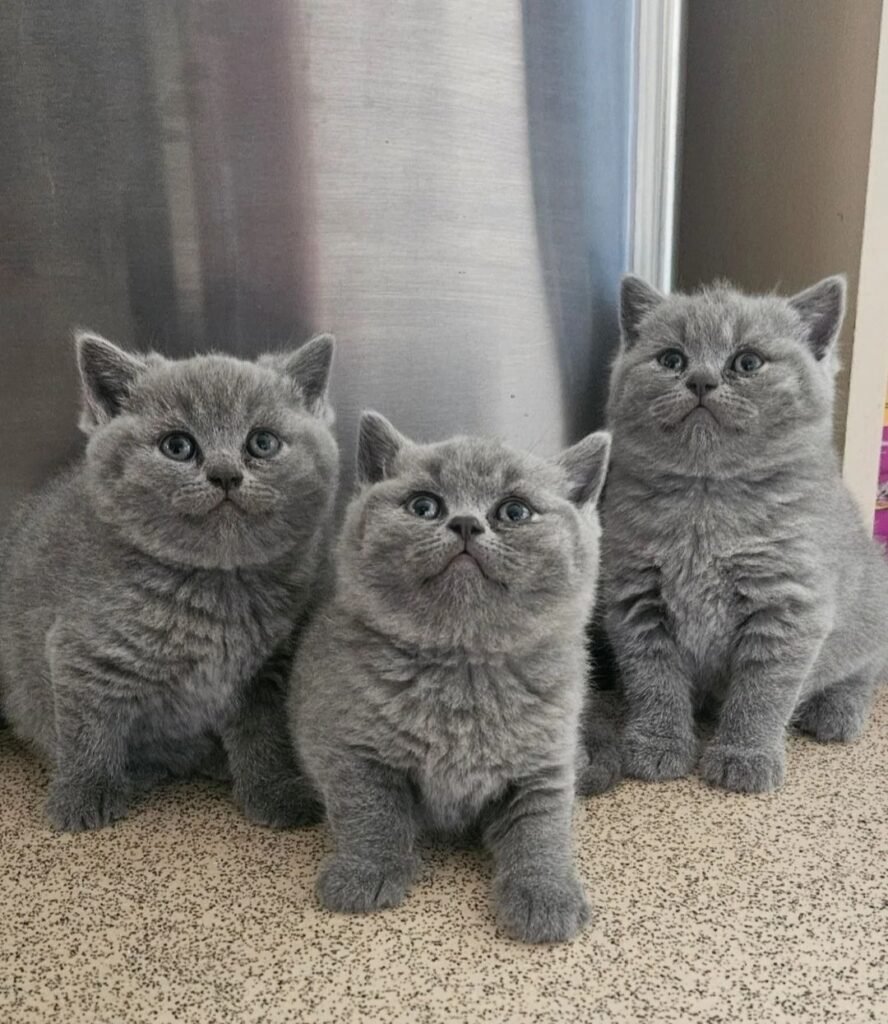
The Orange British Shorthair is a captivating breed known for its distinctive appearance and gentle demeanor, making it a popular choice among cat enthusiasts. With their plush coats, round faces, and stocky bodies, these cats are as charming as they are affectionate. If you’re considering bringing an Orange British Shorthair into your home, it’s essential to understand their unique characteristics, care requirements, and where to find them for sale. This article will guide you through the essential aspects of owning an Orange British Shorthair, helping you make an informed decision that aligns with your lifestyle and preferences.
Overview of Orange British Shorthair Cats
History of the Breed
The British Shorthair is one of the oldest cat breeds, tracing its roots back to the Roman Empire when soldiers brought them over to protect food supplies from pesky rodents. These resilient cats were once common alley dwellers before transitioning into the charming companions we adore today. The orange color, often referred to as “ginger,” has become particularly popular, thanks to their robust build and endearing personalities. With an aura of royal elegance mixed with a hint of mischief, it’s no wonder they’ve secured a spot in our hearts.
Distinguishing Features
Orange British Shorthairs are like the sunshine of the cat world—vivid and uplifting! They typically have a round face, chubby cheeks, and big, expressive eyes that can melt even the coldest of hearts. Their plush coats are dense and inviting, making them perfect for snuggles (and the occasional fur-covered sweater). Unlike their exotic Persian cousins, these cats boast an effortlessly low-maintenance look, with their easygoing grooming needs reflecting their chill demeanor.
Characteristics and Traits of the Orange British Shorthair
Temperament and Behavior
If you’re looking for a cat that is as chill as a cucumber in a cool breeze, the Orange British Shorthair is your guy (or gal). These cats are known for their laid-back nature, often content lounging around your home or casually supervising your every move. They’re sociable but not overly needy, so if you need a little “me time,” they totally understand—after all, napping is an art form!
Physical Traits
When it comes to physical attributes, the Orange British Shorthair has a distinct, stocky build with a broad chest and sturdy legs. They have a thick neck and a rounded tail, giving them a solid, teddy bear-like appearance that screams “cuddle me!” Their fur is plush and feels like a cozy cloud, usually in a rich, vibrant shade of orange that can have varying tones, from light peachy hues to deeper, burnt orange shades.
Common Personality Traits
Orange British Shorthairs are characterized by their charming and affectionate personalities. They tend to be easy-going, playful, and great with families, making them ideal companions for both kids and adults. They might not be the most vocal of cats, but they have a way of expressing their love through their gentle purring and inviting head bumps. Plus, they’re known for their curious nature, which will have them exploring every nook and cranny of your home (and occasionally getting stuck in laundry baskets).
Where to Find Orange British Shorthairs for Sale
Reputable Breeders
Finding a reputable breeder is key when searching for your furry soulmate. Look for breeders who prioritize the health and well-being of their cats, conduct health screenings, and provide a loving environment for their kittens. If you find a breeder who has a ton of adorable Instagram posts showcasing their little bundles of joy, you might be on the right track! Just remember to do your homework and ask for references—nobody wants a surprise cat with a side of mystery for dinner.
Adoption Centers and Shelters
Adopting a cat from a shelter is like hitting the feline jackpot! You’ll not only be giving a deserving cat a second chance at happiness, but you’ll also score major karma points. Many shelters have numerous orange kitties looking for forever homes. While the orange British Shorthair may be rarer in shelters, don’t disregard the other cats just waiting to shower you with love. After all, you never know when you might find a purring treasure in need of a cozy couch to call home.
Online Marketplaces and Classifieds
If you’re a fan of scrolling through colorful images of fluffy cats, online marketplaces can be a goldmine for finding an Orange British Shorthair. Just keep in mind that while there are lots of options available on sites like Petfinder and Craigslist, it’s crucial to verify legitimacy. Always check for reviews and do not be afraid to ask questions. Remember, you’re looking for your new best friend, not just a cute cat picture to hang on your wall.
Factors to Consider Before Buying an Orange British Shorthair
Living Situation and Space Requirements
Before bringing an Orange British Shorthair into your life, it’s important to consider your living situation. These cats appreciate space to roam and play, so a cozy apartment can work—but a small shoebox? Not so much. Make sure you have enough room for them to stretch out, explore, and practice their stealth ninja skills (because, yes, they will take that very seriously).
Time Commitment and Lifestyle Compatibility
Let’s be real: cats are not just adorable accessories you can pick up at the store. They require love, attention, and time! Orange British Shorthairs thrive on companionship, so consider your schedule. If you work long hours or travel often, think about how much time you can dedicate to your furry friend. Thankfully, they’re relatively independent, so they won’t mind binge-watching Netflix on their own every now and then, but regular playtime is key to keeping them happy.
Understanding Breed-Specific Needs
Every cat breed has its quirks—and the Orange British Shorthair is no exception! While they tend to be low maintenance in terms of grooming, they do enjoy a good workout to keep their playful spirits up. You’ll also want to invest in quality cat food and regular vet check-ups to keep them in tip-top shape. Understanding their needs will help you create an enriching environment that caters to their playful side and their desire for snuggles, ensuring that you have a happy, healthy cat for many years to come.
Pricing and Costs Associated with Purchasing
Initial Purchase Price
When considering an Orange British Shorthair, prepare to part with a chunk of change—typically ranging from $800 to $2,000, depending on the breeder. Factors like pedigree, location, and even the cuteness factor (yes, it’s a thing) can influence the price. Just remember: while that fluffy bundle of orange dreams may seem pricey upfront, you’re investing in a lifetime of companionship (and endless Instagram content).
Ongoing Expenses (Food, Veterinary Care, etc.)
Once your new furry friend has settled in, it’s time to consider the ongoing costs. Quality food, litter, and toys can add up quickly. Expect to spend around $50-$100 a month on food and supplies. Don’t forget those vet visits! Annual check-ups and vaccinations will likely set you back another $100-$500 a year. And if your kitty develops a penchant for high-end catnip, well, we all know that can get pricey too.
Potential Hidden Costs
Ah, the joy of unexpected expenses! From replacing scratched furniture to that time they decided your favorite pair of shoes was a chew toy, hidden costs can pop up when you least expect it. Don’t forget to budget for pet insurance, emergency vet visits, and maybe even a feline therapist (it’s a tough world out there for a cat). Being financially prepared can help keep your sanity intact as you navigate these surprise expenditures.
Caring for Your Orange British Shorthair
Nutritional Needs
Your Orange British Shorthair is more than just a pretty face; they need a balanced diet to keep those gorgeous whiskers splendid and healthy. Aim for high-quality cat food that meets their unique nutritional needs—think protein-packed goodies. Treats are a great way to show love, but moderation is key (no one likes a chubby kitty). Consult your vet to tailor a diet that keeps those orange purrs coming!
Grooming Requirements
Fortunately, British Shorthairs are relatively low-maintenance when it comes to grooming. A weekly brushing will help reduce shedding and keep that coat looking sleek and suave. However, don’t skip those periodic nail trims and dental check-ups—no one wants a grumpy kitty with overgrown claws or a toothache that could rival a drama queen’s lament.
Exercise and Play
Despite their slightly rotund appearance, Orange British Shorthairs are playful little furballs. Regular play is essential to keep them healthy and active. Interactive toys, feather wands, or even a good old-fashioned cardboard box can provide endless entertainment. A few daily play sessions can help keep your kitty fit and curb any unwanted furniture scratching (your couch will thank you).
Health Considerations for the Breed
Common Health Issues
Like all breeds, the Orange British Shorthair is prone to certain health issues. Be on the lookout for obesity, heart disease, and hip dysplasia. Regular vet visits and a healthy diet are your best defense against these pesky problems. Keep an eye on that adorable belly—nobody wants to see their purring companion struggle to fit through the cat door.
Preventative Care and Regular Vet Visits
Preventative care is the name of the game! Regular check-ups and vaccinations are crucial in catching health issues early. Make friends with your local vet—they’ll be your go-to for advice, vaccinations, and any questions you have about your feline friend’s well-being. And remember, when in doubt, it’s always better to ask than to Google “Why is my cat giving me the side-eye?”
Genetic Considerations
Some health conditions are hereditary, so it’s important to know the genetic background of your Orange British Shorthair. Reputable breeders will screen for genetic diseases, so don’t shy away from asking questions. A well-bred cat will have a higher likelihood of avoiding major health issues, letting you enjoy your time together without the stress of unexpected vet bills.
Conclusion: Making the Right Choice
Assessing Your Readiness for a Pet
Before you dive head-first into pet ownership, take a moment to assess your readiness. Do you have the time, resources, and love to give to an Orange British Shorthair? These cats thrive on companionship, so if you’re traveling frequently or live a hectic lifestyle, you may want to rethink it. Remember, adopting a pet is not just a fleeting fling; it’s a commitment that lasts for years (and years of orange-colored hair on your clothes).
Summarizing Key Takeaways
To wrap it all up: be financially prepared for the initial cost and ongoing expenses of owning an Orange British Shorthair. Embrace the quirks of their care, from nutrition to playtime, and stay proactive about their health. If you’ve assessed your readiness and feel confident, an Orange British Shorthair could be the purrfect addition to your life—filled with cuddles, companionship, and, of course, endless entertainment. Happy cat-parenting!In conclusion, the Orange British Shorthair is a delightful companion that can bring joy and warmth to any household. By understanding their needs and characteristics, as well as exploring the best avenues for acquiring one, you can ensure a fulfilling and happy relationship with your new feline friend. Whether you choose to adopt or purchase, taking the time to prepare and educate yourself will lead to a rewarding experience for both you and your Orange British Shorthair.
Frequently Asked Questions
1. Are Orange British Shorthairs good with children and other pets?
Yes, Orange British Shorthairs are known for their friendly and gentle nature, making them great companions for children and other pets when properly socialized.
2. How much should I expect to pay for an Orange British Shorthair?
The price of an Orange British Shorthair can vary widely, typically ranging from $800 to $2,000 depending on factors such as breeder reputation, lineage, and location.
3. What are the common health issues associated with Orange British Shorthairs?
While generally healthy, Orange British Shorthairs can be prone to certain genetic conditions such as hypertrophic cardiomyopathy (HCM) and obesity, so regular veterinary check-ups are essential.
4. How often should I groom my Orange British Shorthair?
Due to their dense coat, Orange British Shorthairs should be groomed at least once a week to minimize shedding and prevent matting, especially during seasonal changes.