
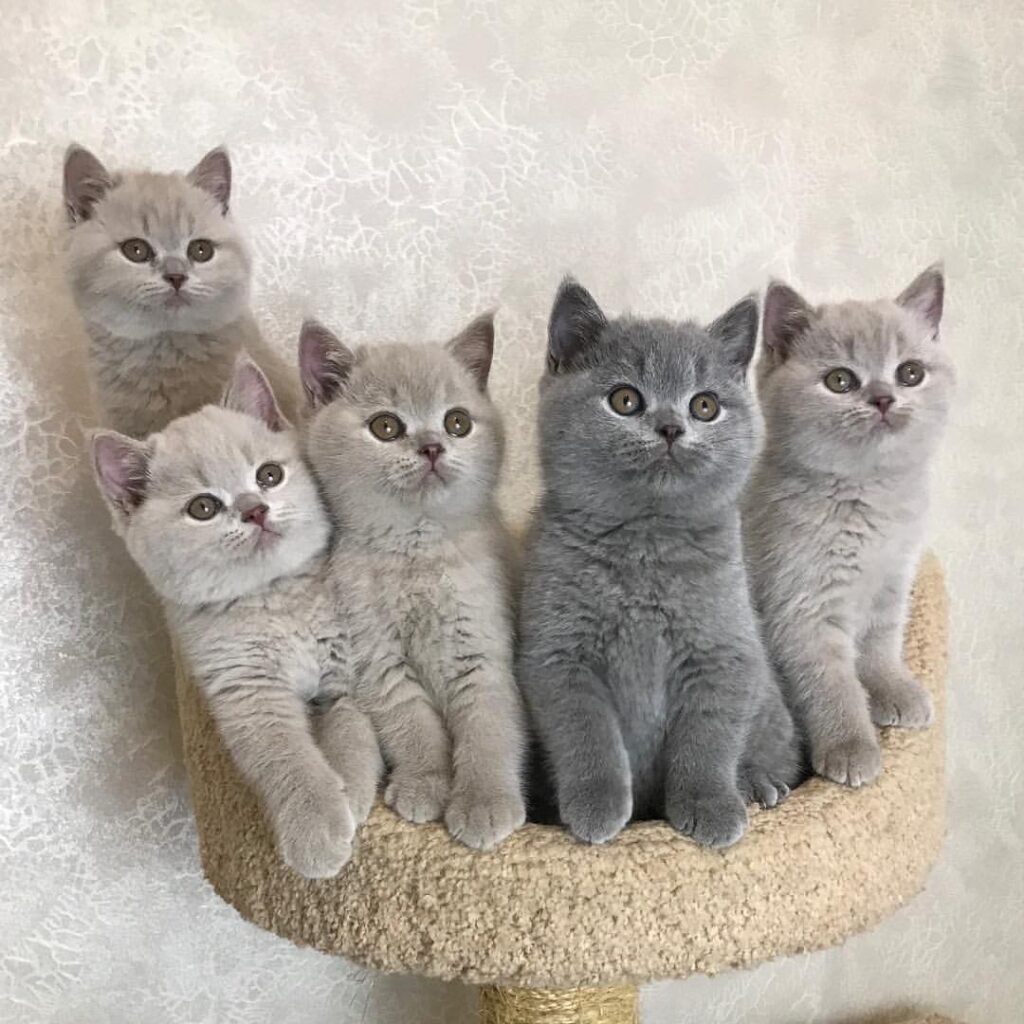
British Shorthair kittens captivate cat lovers with their charming appearance and friendly demeanor. Known for their round faces, dense coats, and robust build, these adorable felines have become a popular choice for families and individuals alike. Their easygoing nature and affectionate personalities make them excellent companions, while their playful antics keep their owners entertained. In this article, we will explore the unique characteristics of British Shorthair kittens, guide you in finding reputable breeders or adoption options, and provide essential tips for care and socialization to ensure a happy and healthy life for your new feline friend.
Overview of British Shorthair Kittens
History and Origin
British Shorthair kittens boast a rich history that dates back to ancient Rome. These charming cats were initially bred for their exceptional hunting skills and robust physique. Fast forward a few centuries, and they became a beloved breed in England after World War I. It’s said that the breed’s stocky build and calm demeanor are what caught the attention of cat enthusiasts, leading to their recognition by the Cat Fanciers’ Association in 1980. Today, they’re the stuff of feline royalty, gracing homes as plush companions with a royal pedigree.
Popularity and Demand
It’s no surprise that British Shorthair kittens are a hot commodity in the cat world. Their round faces, fluffy coats, and sweet personalities have made them a favorite among cat lovers globally. Thanks to their charming looks—think teddy bear meets couch potato—demand has skyrocketed! Whether it’s their delightful purring or their knack for being the ultimate lap warmer, these kittens have secure their place on many people’s “must-have” pet lists. Just be prepared to join the waiting list; it can be longer than a queue for the latest iPhone!
Characteristics and Traits of British Shorthairs
Physical Appearance
British Shorthairs are undeniably adorable, with a build that screams “cuddle me!” Their signature look features a round face, dense coat, and short, stout limbs. They typically weigh between 9 to 18 pounds, depending on their genetics and diet (you know, the whole “cat treats” dilemma), with males generally being larger than females. Their plush fur can come in a variety of colors, and they have large, expressive eyes that can tug at your heartstrings. In short, they are the quintessential “cat-come-to-life” plush toy!
Temperament and Behavior
What’s a cat without a little personality? British Shorthairs are known for their laid-back demeanor, making them perfect companions for both introverts and social butterflies. They are affectionate but not overly clingy—think of them as the chill roommate who occasionally wants to hang out but also values their alone time. They tend to be independent, but don’t be surprised when they decide that your lap is the ultimate throne. Playful yet calm, they’re pretty much the epitome of the saying, “cool as a cucumber.”
Colors and Patterns
When it comes to color, British Shorthairs don’t hold back! They come in a myriad of shades, with the classic blue-grey being the breed’s poster color. But you can also find these cuties in white, black, cream, and even exotic tabby patterns. The possibilities are nearly endless! Whether you prefer a solid color, tabby stripes, or a dazzling bicolor pattern, rest assured there’s a British Shorthair out there that will suit your aesthetic preference—and your Instagram feed!
Health Considerations for British Shorthair Kittens
Common Health Issues
Like all breeds, British Shorthairs come with their own unique set of health considerations. They are prone to certain genetic conditions, including heart disease (hypertrophic cardiomyopathy) and obesity—because let’s face it, who doesn’t love an extra treat now and then? Regular vet check-ups are essential to catch any issues early. Keep an eye out for signs of lethargy or difficulty breathing; if your kitten starts acting more like a sluggish couch potato than a playful ball of fluff, a vet visit is in order!
Vaccination and Veterinary Care
Speaking of vet visits, starting your British Shorthair on a solid vaccination schedule is key to keeping them healthy and happy. Kittens should receive their vaccinations beginning at around six to eight weeks old, and follow-ups are crucial for optimal protection. Regular vet visits, combined with a balanced diet, proper grooming, and plenty of playtime, ensure your furry friend stays in top-notch condition. Plus, it’s a great excuse to get those adorable photos of them in a carrier!
Finding Reputable Breeders
Questions to Ask Breeders
Searching for the right British Shorthair? It’s important to ask the right questions! Start by inquiring about the kitten’s lineage and health screening practices. Don’t shy away from asking for health clearances, as well as how long they’ve been breeding this marvelous breed. Also, it’s wise to ask about the kitten’s socialization and temperament—because nobody wants to find themselves with a pint-sized menace instead of a cuddly companion!
Signs of a Responsible Breeder
A responsible breeder will prioritize the health and well-being of their kittens. Look for those who willingly provide health guarantees and ensure their cats are raised in a clean and loving environment. They should be well-informed about their breed and keen on answering all your questions. A good sign? The breeder invites you to meet the kittens and their parents, hinting that they’re proud of their feline family. Trust your intuition; if something feels off, it’s okay to continue your search until you find that perfect furry friend!
Adoption vs. Buying: What You Need to Know
Benefits of Adopting
Adopting a kitten can turn you into a superhero in the eyes of your feline friend, and save a life in the process! Shelters are brimming with adorable kitties just waiting for a second chance. Adoption fees are often lower than purchasing from a breeder, plus many shelters do the initial vet check and vaccinations. Plus, when you adopt, you’re sending a clear message: “I prefer paws over purebreds!”
Considerations When Buying from a Breeder
Buying from a breeder can be the right path if you want specific traits, such as that signature British Shorthair chub or plush coat. However, it’s essential to do your homework. Not all breeders are created equal—look for reputable ones who prioritize the health and well-being of their kittens over making a quick buck. Expect to pay more, but also find solace in the fact that quality often comes with a price tag. Just remember, you’re not just buying a kitten; you’re buying a whole lot of purring and a lifetime of companionship!
Preparing Your Home for a British Shorthair Kitten
Essential Supplies
Before you welcome your new fluffball, stock up on the essentials! You’ll need a litter box (pro tip: choose one that’s low enough for tiny paws), high-quality kitten food, food and water bowls (preferably not the decorative ones that might double as cat toys), scratching posts (because your furniture loves to be shredded), and some engaging toys to keep that inquisitive mind busy. Don’t forget a cozy bed where they can channel their inner loaf!
Creating a Safe Environment
Kittens are like tiny furry tornadoes—cute but potentially destructive! Ensure your home is kitten-proof by securing loose cables, hiding breakables, and removing any toxic plants or small objects they could munch on (we’re looking at you, rubber bands!). Create a designated kitten zone where they can explore safely, complete with their essential supplies. A little cat-proofing goes a long way in ensuring both you and your new companion can coexist harmoniously!
Care and Socialization Tips for New Owners
Feeding and Nutrition
Feeding your British Shorthair kitten is like prepping a feast for a demanding royal—high-quality kitten food is essential for healthy growth and that adorable chunkiness we love. Look for brands that list meat as the first ingredient (because kittens are carnivores, not salad lovers!). Keep them on a schedule, and if they start giving you that “hangry” look, it might be time to refill their bowl. Remember, a well-fed kitten is a happy, purring kitten!
Grooming Requirements
British Shorthairs have a stunning coat that requires only moderate grooming—just enough to keep them looking fabulous and shed-free (or at least minimize the fluff tumbleweeds). A weekly brush should do the trick! Introduce them to the brush gradually so they associate it with positive vibes—maybe a treat for being a good kitty during grooming time. Bathing isn’t typically necessary unless they’ve engaged in some serious kitty shenanigans.
Socialization Techniques
Kittens are like little sponges, and socializing them is crucial to developing their charming personalities. Expose them to different sounds, people, and experiences. Playtime is a prime opportunity to bond and build trust—think feather wands and laser pointers, not a wrestling match! Finally, be patient and let them come to you when they’re ready. Remember, a happy British Shorthair is a well-socialized one, and it’ll show in their playful antics.
Common Myths About British Shorthair Kittens
Myth vs. Reality
Let’s debunk some myths! One common misconception is that British Shorthairs are aloof, but in reality, they’re often affectionate and enjoy spending time with their humans—think cuddly lap cats rather than antisocial critters. Another myth is that they don’t need much playtime. Surprise! These little furballs have energy to burn and thrive on interactive play. Don’t let the myths deter you; they’re just charming little mischief-makers!
FAQs about British Shorthairs
1. **Q: Are British Shorthairs good with kids?**
A: Absolutely! They’re known for their gentle nature and can be great companions for children—just supervise playtime to avoid any accidental tail tugging.
2. **Q: How big do they get?**
A: These kitties are known for their sturdy build and can weigh anywhere between 9 and 18 pounds as adults. They are the heavyweight champions of cuteness!
3. **Q: Do they require a lot of exercise?**
A: While they enjoy playtime, they’re not high-energy cats like some breeds. Regular play sessions and some climbing structures will keep them happy and healthy.
4. **Q: What’s their lifespan?**
A: With proper care, British Shorthairs can live around 12-20 years. So, if you’re ready for a long-term furry roommate, this breed is a great choice! In conclusion, bringing a British Shorthair kitten into your home can be a rewarding experience filled with love and companionship. By understanding their unique traits, ensuring proper care, and choosing a responsible source for acquisition, you set the foundation for a positive relationship with your new furry friend. Whether you decide to adopt or purchase, the joy a British Shorthair brings to your life is immeasurable. Embrace the journey of kittenhood and enjoy the playful moments and affectionate cuddles that await you.
Frequently Asked Questions
1. How much do British Shorthair kittens typically cost?
The price of British Shorthair kittens can vary widely depending on the breeder, pedigree, and location, typically ranging from $1,000 to $3,000.
2. Are British Shorthairs good with children and other pets?
Yes, British Shorthairs are known for their calm and friendly nature, making them great companions for children and generally sociable with other pets.
3. How do I care for a British Shorthair kitten’s grooming needs?
British Shorthairs have dense coats that require regular brushing to minimize shedding and mats, typically recommended once a week.
4. What should I feed my British Shorthair kitten?
A high-quality kitten diet that is rich in protein and nutrients is essential for their growth and development; consult your veterinarian for specific recommendations.