
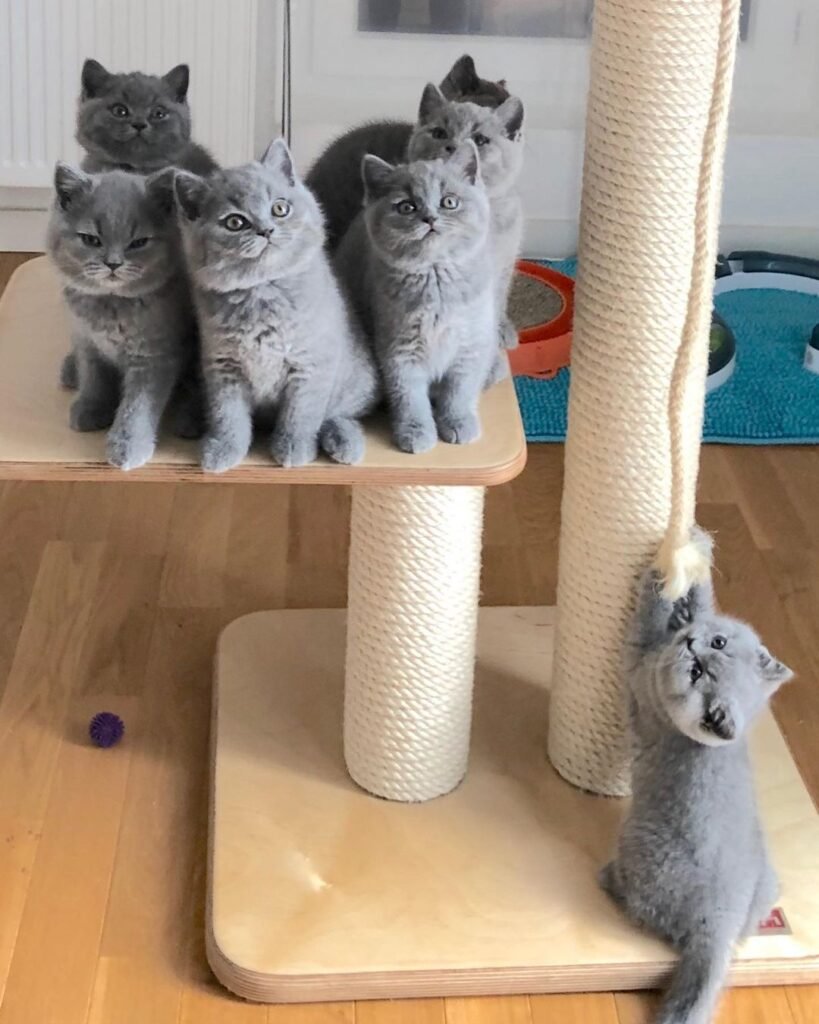
Bringing a British Shorthair kitten into your home is an exciting and rewarding experience that comes with unique responsibilities. Known for their charming personalities, plush coats, and round faces, British Shorthairs are a beloved breed among cat enthusiasts. Proper care is essential to ensure your new furry friend thrives both physically and emotionally. This article will guide you through the key aspects of British Shorthair kitten care, from understanding their breed characteristics and preparing your home, to nutrition, health care, training, and grooming needs. With the right knowledge and preparation, you can provide a loving and nurturing environment for your kitten, setting the foundation for a happy and healthy life together.
Understanding the British Shorthair Breed
History and Origins
The British Shorthair boasts a history as rich as your favorite cup of Earl Grey. Descended from the cats of ancient Rome, these fluffballs were once working cats, roaming the streets and farms of England to keep pests at bay. Their popularity skyrocketed in the 19th century when breeders began showcasing them in cat shows, cementing their status as the quintessential British feline. Think of them as the aristocrats of the cat world—polished, refined, and with a lineage full of tales.
Physical Characteristics
With their round faces, dense coats, and sturdy build, British Shorthairs are like the teddy bears of the cat kingdom—cuddly yet dignified. They have broad heads, large, expressive eyes (often copper or gold), and a plush, thick coat that comes in every color imaginable. Just be prepared to have your heart stolen by their adorable chubby cheeks. A British Shorthair kitten is the equivalent of a living squishy ball of fur; you can’t help but want to scoop them up for a cuddle!
Temperament and Behavior
British Shorthairs are known for their easygoing nature, making them the couch potatoes of the cat world. They’re affectionate but not overly clingy, cherishing their independence as much as they enjoy your company. These kittens are curious and playful, with a penchant for gentle mischief—think of them as the charming pranksters of your home. With a reputation for being good with children and other pets, they’re the ultimate social butterflies who just happen to have a penchant for napping in sunbeams.
Preparing Your Home for a British Shorthair Kitten
Kitten-Proofing Your Space
Time to turn your home into a kitten-safe sanctuary! Start by stashing away any hazardous items—think plants, wires, and small objects that might look like toys but are actually super dangerous. Secure heavy furniture that could topple (because a curious kitty has the balance of a gymnast, but not the common sense) and ensure sharp objects are well out of reach. A few baby gates might also come in handy to keep them out of rooms that are off-limits (like the one where you keep your secret snack stash).
Essential Supplies for Your Kitten
Before welcoming your British Shorthair into your heart and home, stock up on the essentials! This includes a comfy litter box (and litter, of course), a scratching post (for those inevitable “I am a majestic tiger” moments), food and water dishes, and high-quality kitten food. Don’t forget some fun toys to keep their playful spirits high—preferably ones that don’t look too much like your favorite pair of shoes!
Safe Spaces and Sleeping Areas
Creating cozy nooks and crannies for your kitten is a must. They love soft, snuggly spaces to curl up in, so consider investing in a plush cat bed or two. Additionally, designate a quiet area away from the hustle and bustle where they can retreat when they need a breather. Your kitten might also appreciate some high-up spots; cat trees or shelves can provide them good perches for their inner feline royalty to survey their kingdom.
Essential Nutrition for Your Kitten
Choosing the Right Food
Feeding your British Shorthair the right food is like selecting the finest gourmet meal for a royal banquet. Look for high-quality kitten food that’s rich in proteins, fats, and essential nutrients to support their growth and energy levels. Consult with your vet to find the best brands—because we all know the internet has a lot of opinions, but only one expert matters for your fur baby!
Feeding Schedule and Portions
Establishing a feeding schedule is crucial for keeping your kitten healthy and happy. Generally, British Shorthairs benefit from being fed three to four small meals a day rather than a single feast. Measure out portions according to the guidelines on the food packaging (because no one wants a chubby kitty) and adjust based on your veterinarian’s advice. Remember, portion control is key to avoiding a feline who resembles a fluffy bowling ball!
Hydration and Treats
Keeping your kitty hydrated is just as important as their gourmet meals. Fresh, clean water should be available at all times (no one wants a dehydrated royal). Consider introducing wet food into their diet, as it can help with hydration too. And, let’s be honest—treats are a must! Just remember the golden rule of treats: moderation is your best friend. You want your kitty to be prancing around as a fit and fabulous feline, not a treat-loving couch potato.
Health Care and Veterinary Visits
Initial Health Check-Up
Once you’ve welcomed your British Shorthair kitten home, it’s time for their first big adventure: a visit to the vet! This initial health check-up is vital for assessing your kitten’s overall health and addressing any concerns. Your vet will examine them thoroughly and may even become their new favorite person (sorry, not sorry). Plus, it’s a great opportunity to ask any questions you might have about raising your new furry friend.
Vaccinations and Preventative Care
Setting up a vaccination schedule for your kitten is essential for keeping them safe and sound as they explore the world. Vaccinations protect against common diseases and are a crucial part of responsible pet ownership. Your vet will guide you through the recommended vaccines and timings. They might even suggest preventative treatments for fleas and ticks—because no one wants an uninvited party crasher at their kitten’s debut!
Spaying/Neutering Considerations
As your British Shorthair grows up, you’ll need to consider spaying or neutering. This procedure not only helps control the cat population but can also prevent certain health issues and reduce unwanted behaviors. Discuss the best timing for this with your vet, as they’ll have the scoop on what’s best for your individual kitten. Think of it as helping your furry friend avoid any awkward romantic entanglements in the future!
Socialization and Training Techniques
Importance of Early Socialization
Getting your British Shorthair kitten socialized early is like making sure they have a VIP pass to the cat world. These little furballs thrive on experiences and interactions with people, other pets, and different environments. Start young—expose them to various sights, sounds, and smells. Playdates with friendly dogs or well-mannered cats can be a hit, making your kitten feel like the life of the party instead of hiding under the couch like an awkward wallflower.
Basic Training Commands
While cats may not roll over like dogs, they can still learn basic commands that make life—yours and theirs—much easier. “Sit,” “come,” and “no” are great starters. Use treats and positive reinforcement like a catnip party for good behavior. Just remember, patience is key; if your kitten isn’t responding, they might be plotting world domination instead of focusing on training.
Dealing with Behavioral Issues
Ah, the joys of kittenhood! From midnight zoomies to that pesky habit of knocking things off tables, behavioral issues can arise faster than you can say “what did you break?” Redirect unwanted behaviors with interactive play, and ensure they have plenty of toys to satisfy their curiosity. If they’re ever scratching up your favorite chair, invest in a scratching post or two as their personal “Happy Hour” spot.
Grooming and Maintenance Needs
Brushing and Coat Care
British Shorthairs may have plush coats, but thankfully, they’re low-maintenance when it comes to grooming. Weekly brushing will keep their fur looking sleek and shiny while minimizing those pesky furballs around your home. Think of it as a spa day for your kitten—you’ll bond over the brushing while they soak in all the pampering.
Nail Clipping and Ear Cleaning
Nail clipping can sound daunting, but it’s a small price to pay for furniture survival. Aim for a nail trim every couple of weeks, and keep some treats handy for positive reinforcement. As for ear cleaning, just a gentle wipe with a damp cloth every now and then will keep those ears in tip-top shape. If your kitten gives you the side-eye during this process, just remind them it’s for their own good (and your couch’s sanity).
Dental Health Tips
Dental care might not seem as fun as playtime, but it’s essential for your kitten’s health. Invest in dental treats, or even better, brush those pearly whites with a cat-friendly toothpaste. Try to introduce this routine gradually, so your little fluff doesn’t think you’re trying to start a wrestling match. Keeping gums healthy means fewer vet visits and more excuses to spoil them with catnip!
Creating a Safe and Enriching Environment
Indoor vs. Outdoor Living
Deciding between keeping your British Shorthair indoors or letting them roam outside is a biggie. Indoor living means safety from cars, predators, and, well, that dreaded chance of them getting lost. Create vertical spaces like cat trees or shelves to give them a taste of the outdoors without the risks. If you do opt for outdoor time, consider harness training—it’s like walking your cat on a leash, and yes, you can absolutely take photos for your social media!
Interactive Toys and Activities
Keep your kitten’s brain as engaged as their playful spirit with interactive toys. Think feather wands, laser pointers, and puzzle toys that reward them with treats. Rotate toys to keep things fresh—just like your kitten’s love for the box that everything came in, surprising them is half the fun!
Making Safe Outdoor Spaces
If you fancy giving your British Shorthair a taste of the outdoors, consider creating a catio or enclosed garden area. It can be a delightful haven, allowing them to bask in the sun and watch the world go by without the danger. Add some plants that are safe for cats (no lilies, please), and maybe a shady spot for a nap. Voilà! Outdoor luxury, British Shorthair style.
Common Health Issues and Prevention Tips
Recognizing Signs of Illness
Your adorable furball can’t tell you when something’s off, so you’ll need to be the detective. Keep an eye on their eating habits, energy levels, and litter box behaviors. Changes in grooming habits, excessive meowing, or lethargy might signal that a vet visit is in order. Remember, a healthy kitten is a happy kitten (and a happy human too)!
Preventative Health Measures
Prevention is key—think of it as your kitten’s personal shield against future health woes. Regular vaccinations, parasite control, and a balanced diet can go a long way. Ensure they have a solid routine for maintaining their health; it’s easier than trying to convince them to take medicine in the future!
Regular Check-Ups and Monitoring
Even the most diligent pet parent can miss subtleties in their kitten’s health, which is why regular vet check-ups are essential. Schedule those visits like your yearly dentist appointment (but with less drilling). Monitoring weight and dental health will ensure your British Shorthair stays healthy and happy, which means more cuddle time for you!Caring for a British Shorthair kitten is a fulfilling journey that requires attention, love, and dedication. By understanding their unique needs and providing the right environment, nutrition, and health care, you can help your kitten grow into a happy and well-adjusted adult cat. Embrace the joys and challenges of pet ownership, and cherish the special bond you will develop with your British Shorthair as they become a cherished member of your family. Remember, a little effort goes a long way in ensuring a long and joyful life together.
Frequently Asked Questions
1. How often should I feed my British Shorthair kitten?
It is generally recommended to feed your British Shorthair kitten three to four small meals a day until they are around six months old. After that, you can transition to two meals per day. Always consult your veterinarian for specific dietary recommendations based on your kitten’s age and health.
2. Do British Shorthairs require a lot of grooming?
While British Shorthairs have a dense coat that requires regular brushing, they do not need as much grooming as long-haired breeds. Brushing them once or twice a week is usually sufficient to keep their coat healthy and free of mats.
3. What type of toys are best for British Shorthair kittens?
British Shorthair kittens enjoy a variety of toys that stimulate their hunting instincts, such as feather wands, laser pointers, and interactive puzzle toys. Providing a mix of toys will keep them entertained and mentally engaged.
4. How can I help my British Shorthair kitten adjust to their new home?
To help your kitten adjust, create a quiet and safe space for them to explore. Gradually introduce them to different areas of your home and family members, allowing them to acclimate at their own pace. Consistent routines for feeding and playtime can also create a sense of security.